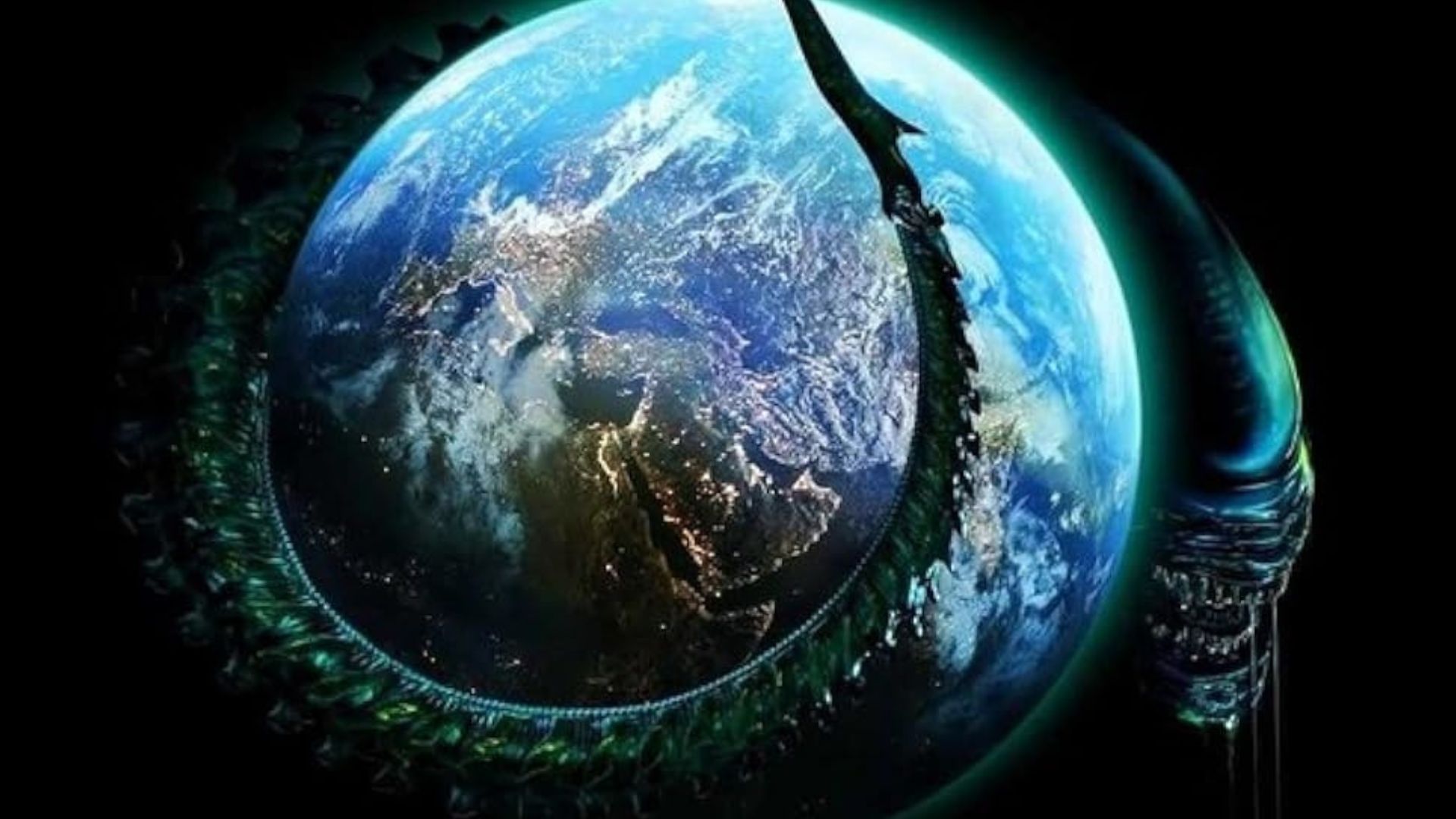
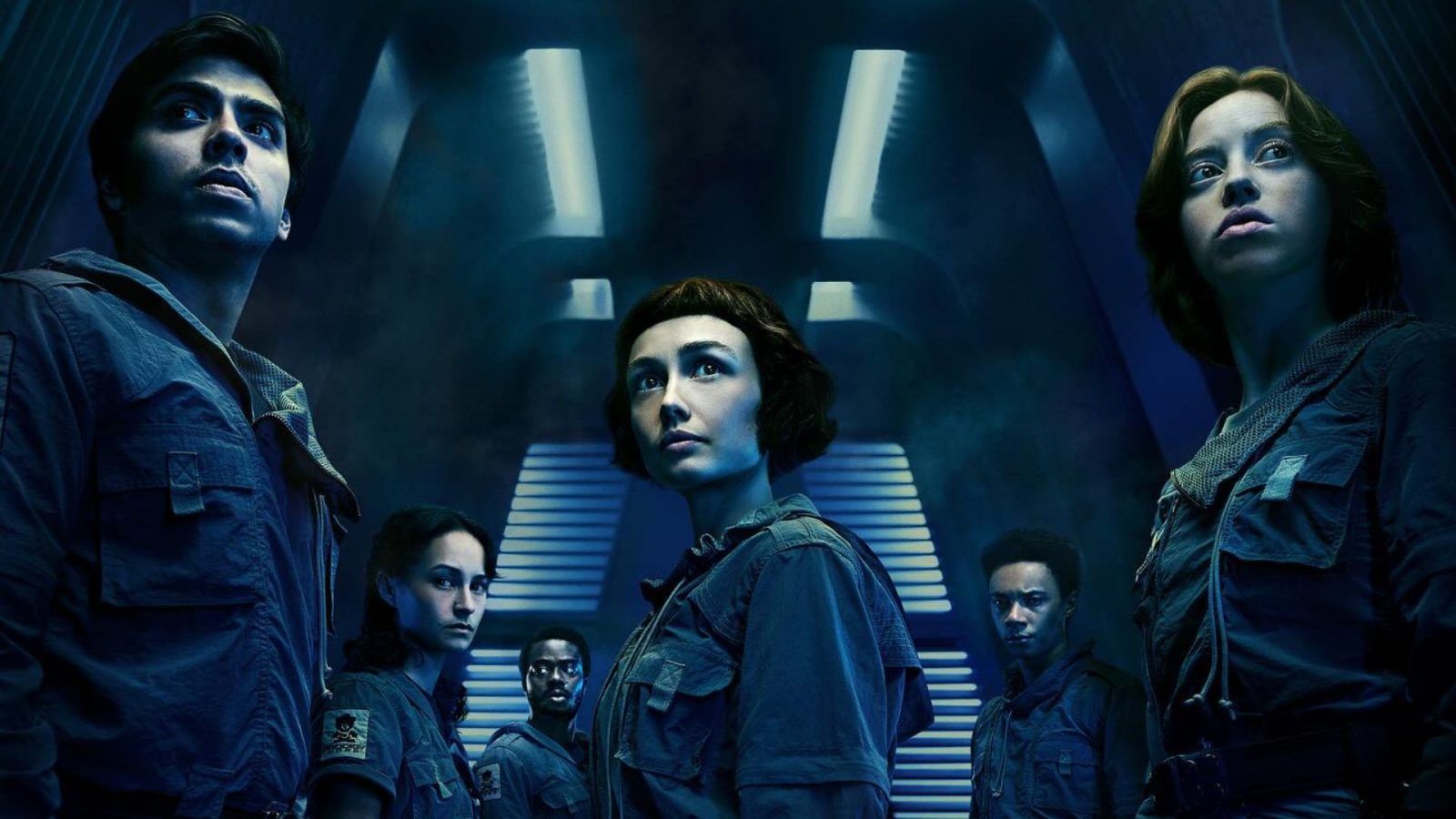
Alien Earth Episode 9 represents a critical juncture in the overarching narrative structure of the science fiction series, positioning itself near the climax of its seasonal arc where narrative tensions converge, character motivations are tested, and foundational lore is expanded. As serialized television storytelling increasingly relies on dense world-building and intricate plotting, individual penultimate episodes function as essential bridges between rising action and high-stakes resolution. Examining the known production details, narrative placement, thematic implications, and structural weight of this specific installment provides crucial context for understanding how it fits into the broader canvas of the series.
Evaluating a late-season episode requires looking beyond immediate plot mechanics to examine pacing, character development trajectories, and structural design. Within modern speculative fiction dramas, the ninth episode of a standard ten- or twelve-episode season typically carries the responsibility of resolving mid-tier conflicts while violently accelerating primary arcs toward a high-impact finale. This analysis breaks down the available production facts, narrative architecture, thematic motifs, and structural expectations surrounding Alien Earth Episode 9, offering a comprehensive look at its role in the overarching viewing experience.
Narrative Placement and Seasonal Architecture
The structural architecture of a serialized television season dictates that Episode 9 occupies a high-pressure zone immediately preceding the season finale. In contemporary television production, this placement requires the narrative to abandon slow-burn exposition in favor of accelerated momentum. The overarching plot threads established in early and mid-season episodes must intersect, forcing characters into positions of irreversible consequence.
Within the macro-narrative of Alien Earth, Episode 9 functions as the fulcrum upon which the climax balances. Earlier episodes focus heavily on establishing the environmental hazards, corporate or factional politics, and personal stakes of characters navigating an unfamiliar or hostile planetary ecosystem. By the time the narrative reaches Episode 9, these setup phases are complete. The episode is tasked with capitalizing on accumulated tension, executing major turning points, and setting up the final confrontation or thematic resolution that the finale will deliver.
Furthermore, the placement of Episode 9 influences its pacing and tone. Writers and directors typically utilize this installment to subvert expectations built up over the previous eight hours of storytelling. Major revelations regarding core mysteries, betrayals among the ensemble cast, or irreversible shifts in power dynamics frequently occur here. This structural strategy ensures that the audience enters the final episode with maximum emotional investment and narrative stakes raised to their absolute peak.
Thematic Motifs and World-Building Expansion
At its core, Alien Earth engages with deep-seated science fiction themes, including corporate exploitation, ecological survival, existential isolation, and the hubris of human expansion. Episode 9 serves as a thematic crucible where these abstract concepts manifest in concrete, often brutal character choices. As the narrative presses toward its conclusion, the underlying philosophy of the series—examining how humanity reacts when confronted with forces entirely beyond its control—becomes the primary driver of the plot.
The world-building in this phase of the season shifts from expansive exploration to claustrophobic containment. Whether characters are trapped within physical structures, isolated on hostile terrain, or cornered by systemic pressures, the environment reflects their psychological states. Episode 9 typically highlights the culmination of these pressures, forcing characters to confront the literal and metaphorical monsters they have encountered or created.
| Production Element | Standard Mid-Season Approach | Episode 9 Narrative Target |
|---|---|---|
| Pacing | Measured, exploratory, episodic advancement | Rapid, high-stakes convergence, linear acceleration |
| Character Focus | Individual arcs, localized conflicts, relationship building | Ensemble collision, ultimate choices, irreversible consequences |
| Lore Integration | Gradual reveals, contextual world-building, exposition | Direct payoff of mysteries, systemic threat realization |
| Tone | Variable, suspenseful, atmospheric | Urgent, climactic, high-tension realization |
This structural pivot allows the series to reinforce its central thesis. The relationship between human ambition and planetary resistance is tested to its breaking point. Rather than introducing entirely new concepts, Episode 9 recontextualizes information provided in earlier episodes, giving viewers a new perspective on the motivations of key factions and the true nature of the alien elements integrated into the plot.
Character Trajectories and Ensemble Dynamics
The success of a serialized science fiction drama relies heavily on the emotional grounding provided by its characters. By Episode 9, individual character arcs have evolved significantly from their initial introductions. Protagonists and antagonists alike have experienced attrition, psychological trauma, and ideological shifts shaped by the harsh realities of the narrative setting.
The ensemble dynamics in this specific episode are characterized by forced alliances and fractured loyalties. When external pressures reach a critical threshold, characters who previously operated in silos are thrown together, exposing underlying tensions and ideological divisions. This convergence serves a dual storytelling purpose: it tests the durability of relationships forged earlier in the season and provides natural exposition through interpersonal conflict rather than dry dialogue.
- Ideological Clashes: Factions within the human cast find their differing philosophies regarding survival and exploitation brought into direct opposition.
- Personal Sacrifice: Characters face definitive tests of their core values, leading to high-stakes decisions that permanently alter the ensemble balance.
- Power Realignment: Leadership hierarchies established at the start of the season are disrupted, creating volatile leadership vacuums heading into the finale.
These character-driven moments ensure that the spectacle of the science fiction elements remains anchored in human emotion. The audience's investment in the physical survival of the characters is directly tied to the moral and ethical choices they make under duress.
Production Design, Tone, and Cinematic Execution
From a technical and aesthetic standpoint, the late-stage episodes of high-budget genre television require meticulous coordination across departments, including cinematography, production design, special effects, and sound engineering. Episode 9 typically showcases the highest concentration of visual and practical effects, serving as the visual apex of the seasonal run.
The visual language of the episode shifts toward high-contrast lighting, oppressive spatial design, and heightened atmospheric tension. Directors working on these pivotal chapters utilize framing that emphasizes isolation and vulnerability, reminding viewers of the vast, indifferent environment surrounding the characters. Sound design plays an equally vital role, utilizing minimalist sonic landscapes punctuated by jarring, high-impact auditory cues to maintain a state of constant suspense.
| Department | Primary Focus in Episode 9 | Narrative Impact |
|---|---|---|
| Cinematography | Low-key lighting, claustrophobic framing, scale disparity | Enhances tension and environmental dread |
| Sound Design | Layered ambient noise, sudden acoustic drops | Heightens suspense and sensory disorientation |
| Practical/VFX | High-stakes action sequences, creature integration | Delivers visual payoff for accumulated plot tension |
This level of technical execution ensures that the narrative stakes are matched by the production value, immersing the audience fully in the escalating crisis. The seamless integration of physical sets with digital effects maintains narrative verisimilitude, keeping the focus squarely on the dramatic reality of the scene.
Common Narrative Pitfalls in Late-Season Episodes
Analyzing the structural placement of Alien Earth Episode 9 also invites a critical look at the common pitfalls that threaten late-season television plotting. Writers navigating the penultimate episode must carefully balance momentum with coherence, avoiding tropes that can undermine the integrity of the broader story.
One primary hazard is the temptation to overload the episode with excessive exposition dumps to resolve accumulated mysteries prematurely. Effective storytelling in Episode 9 requires the revelation of information to feel earned and organic to the characters' actions, rather than serving as a mechanical convenience for the writers. Another common risk is the creation of artificial urgency—staging high-stakes conflicts that lack emotional weight because the audience does not believe the characters are in genuine danger or because the setup was inadequate.
Furthermore, maintaining narrative discipline is crucial. When a series attempts to service too many subplots simultaneously in the penultimate episode, the pacing can fracture, diluting the emotional impact of the primary conflict. A successful Episode 9 streamlines its focus, prioritizing the core emotional and narrative lines while deliberately leaving peripheral mysteries open for future expansion or clean final-episode resolution.
Frequently Asked Questions
What role does Episode 9 play in the overall structure of the season?
Episode 9 acts as the narrative fulcrum and penultimate chapter of the season, designed to converge disparate plot threads, accelerate tension, and set up the ultimate stakes for the season finale.
How do character arcs change by the time the narrative reaches Episode 9?
Characters have typically moved past initial expositional phases, facing severe ideological divisions, forced alliances, and irreversible decisions born from cumulative trauma and environmental pressures.
Does Episode 9 resolve the primary mysteries of the series?
While Episode 9 frequently delivers major revelations and answers key narrative questions, its primary function is to position the characters for the final confrontation, leaving ultimate thematic and narrative resolution for the finale.
What technical and cinematic elements define this stage of the series?
This stage is characterized by high-budget visual and practical effects, oppressive spatial production design, low-key cinematography emphasizing isolation, and sound design focused on heightened suspense.
How does the episode maintain tension without relying on artificial stakes?
Tension is maintained by rooting high-stakes physical conflicts in established character motivations, emotional histories, and the genuine consequences of choices made throughout the season.
Strategic Viewer Preparation and Next Actions
For viewers preparing to engage with Alien Earth Episode 9, maximizing comprehension and appreciation requires a targeted approach to the preceding material. Rather than approaching the episode as an isolated viewing experience, audiences should review key thematic threads and factional dynamics established in the middle third of the season. Pay close attention to subtle shifts in character loyalties, environmental details, and the evolving rules governing the alien elements within the setting. By maintaining an awareness of how individual character motivations intersect with systemic corporate or ecological pressures, viewers can fully appreciate the structural complexity and emotional weight of the penultimate narrative pivot.