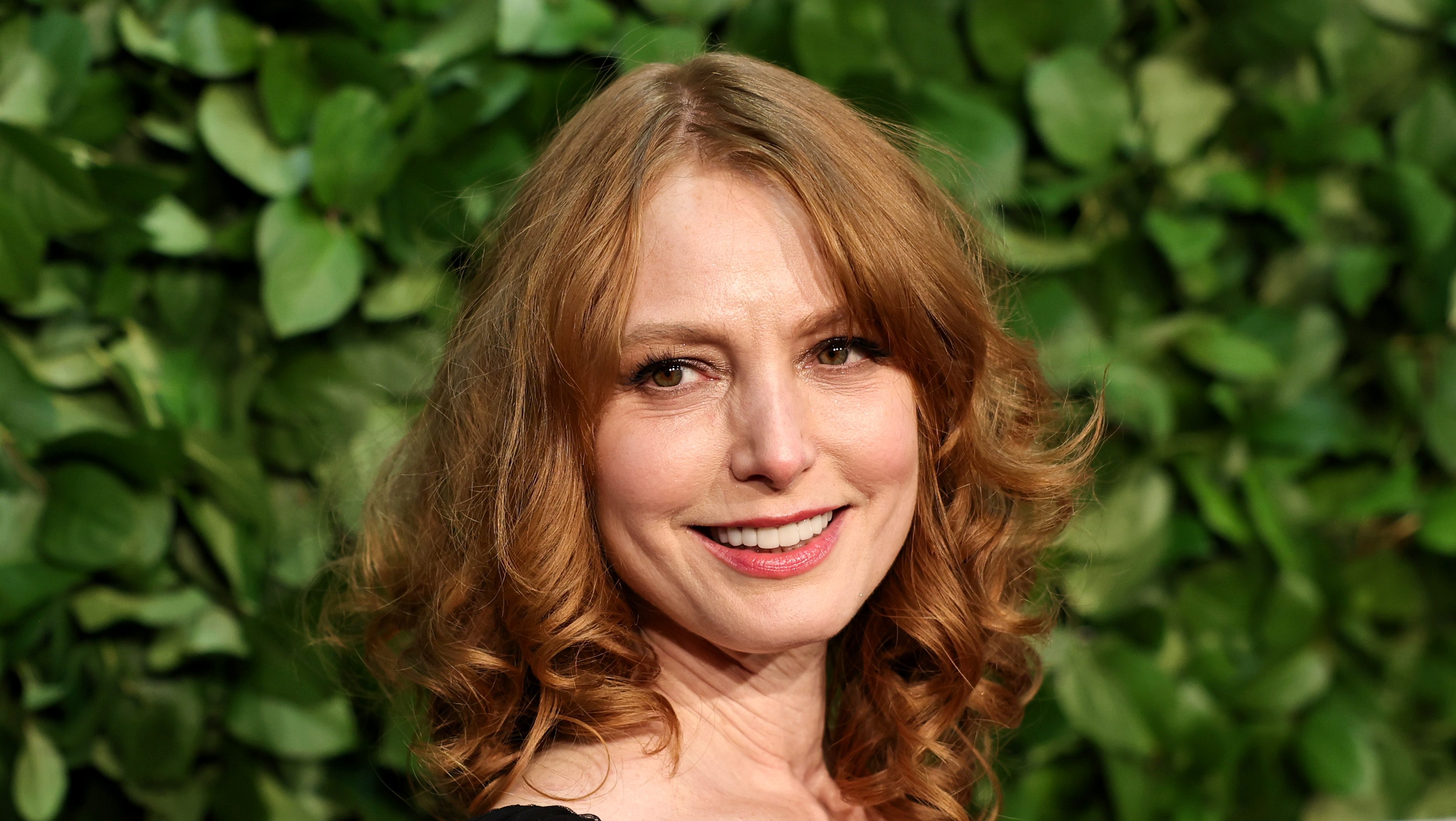
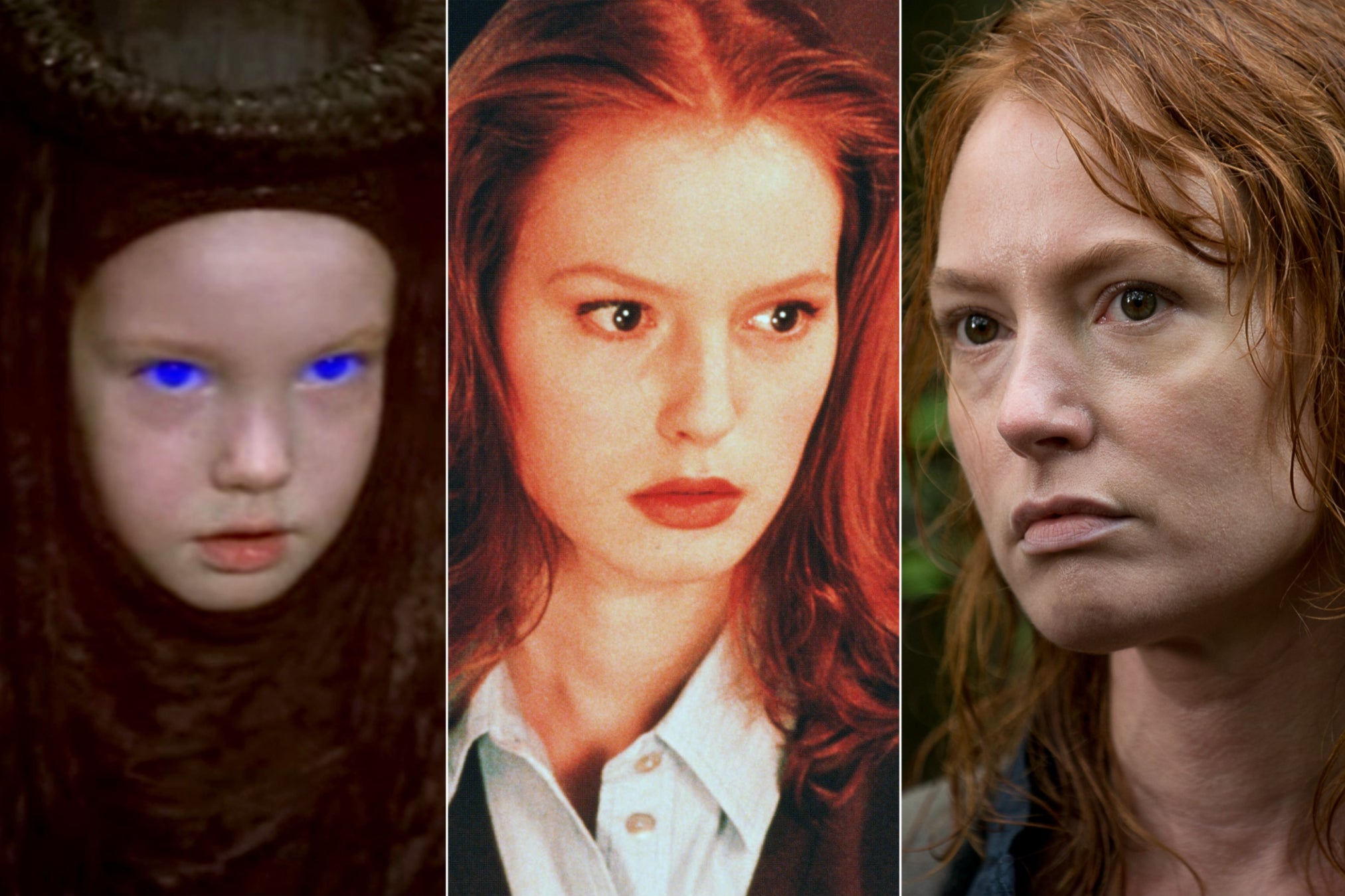
Alicia Witt portrayed Reverend Mother Mohiam’s young attendant, Alia Atreides—the pre-born sister of Paul Atreides—in David Lynch’s 1984 cinematic adaptation of Frank Herbert’s science fiction masterpiece, Dune. Although the character’s physical form on screen represented a child imbued with terrifying adult consciousness and ancestral memory, Witt’s performance laid the groundwork for one of the most complex, tragic figures in the entire universe created by Herbert.
Understanding the exact nature of this role requires examining how David Lynch adapted the source material, the unique production circumstances surrounding Witt’s casting, and how her brief yet indelible performance fits into the broader mythology of the franchise.
The Production History and Discovery of Alicia Witt
The path of Alicia Witt to the set of Dune represents one of the more unusual casting stories of 1980s Hollywood. Director David Lynch discovered Witt when she was just eight years old after hearing her play classical piano on a television broadcast on That's Incredible!. Recognizing a rare intensity and poise that defied her age, Lynch invited her to Los Angeles for an audition.
For a child actor entering a massive, high-budget studio production helmed by an avant-garde auteur, the requirements were extraordinarily demanding. The character of Alia Atreides is not a normal child; she is subjected to the agony of the spice agony in utero (or via environmental exposure in alternative versions of the lore), resulting in an infant with the total consciousness of all her female ancestors. Witt had to convey an unsettling maturity, an unblinking gaze, and an aura of preternatural menace without the benefit of extensive dialogue to explain her internal state.
Lynch cast her directly, bypassing the traditional child-actor cattle calls. This collaboration marked Witt’s feature film debut, launching a long and diverse acting career that would later encompass television series, independent cinema, and professional concert piano performances. Her ability to embody a character possessing adult knowledge within a diminutive frame set the tonal anchor for the eerie psychological undercurrents of the Atreides household on Arrakis.
Character Analysis: Who Is Alia Atreides in the 1984 Film?
In Frank Herbert’s literary canon, Alia Atreides is conceived during the voyage to Arrakis and exposed to the Water of Life while still inside her mother, Lady Jessica. This exposure shatters the mental barriers separating the living from the dead, creating an Abomination—someone who possesses no innate ego-boundary to protect them from the ancestral personalities clamoring within their psyche.
In David Lynch’s 1984 adaptation, the narrative constraints of a feature film required compressing massive amounts of exposition. Consequently, Alicia Witt’s screen time as young Alia is concentrated in key sequences that establish the terrifying reach of the Bene Gesserit sisterhood and the shifting tides of power on Arrakis.
- The Box Test Observation: Alia stands silently alongside Reverend Mother Gaius Helen Mohiam, observing the lethal Gom Jabbar trial inflicted upon Paul Atreides. Her stillness signals that she is not bound by normal childhood limitations.
- The Psychological Mirror: Through her interactions with the main cast, Alia reflects the corruption and spiritual danger of the spice melange when abused or accessed prematurely.
- The Portent of Destruction: Her presence foreshadows the ultimate religious war sparked by her brother, acting as a living weapon whose innocence has been entirely eradicated before birth.
Unlike the later television miniseries adaptations—where older child actors or teenagers portrayed Alia to allow for more physical action and extended dialogue—Lynch’s version relied heavily on Witt’s striking, doll-like stillness to communicate the uncanny nature of the pre-born.
Comparing Adaptations: Alicia Witt Versus Other Portrayals of Alia
The character of Alia Atreides has been interpreted by multiple actors across various screen adaptations of Dune. Each production approached the unique challenges of the pre-born child differently, balancing child labor laws, visual effects, and narrative pacing.
| Adaptation / Project | Portrayed By | Age / Approach | Narrative Integration |
|---|---|---|---|
| Dune (1984 Film) | Alicia Witt | Child actor with intense, unblinking stillness; dubbed voice for certain adult pronouncements. | Emphasizes the psychological horror and uncanny nature of the pre-born condition within a condensed runtime. |
| Frank Herbert's Dune (2000 Miniseries) | Laura Burton | Young child actor utilizing traditional dramatic performance. | Allows for a more faithful narrative arc through the initial stages of the first novel's timeline. |
| Dune: Children of Dune (2003 Miniseries) | Daniela Amavia | Adult actress portraying an older Alia wrestling with possession by Baron Harkonnen. | Focuses on the tragic downfall and corruption of the adult pre-born figure. |
| Dune: Part Two (2024 Film) | Anya Taylor-Joy (cameo/vision) | Adult actress appearing in a visionary sequence within Paul's mind. | Bridges the gap toward future conflicts without depicting her early childhood on screen. |
Examining these variations highlights why Alicia Witt’s portrayal remains distinct. While later adaptations tackled the adult psychological collapse of Alia, Witt captured the exact moment of initial shock—the horrifying revelation of a child who was never truly a child.
The Technical and Artistic Challenges of Portraying the Pre-Born
Bringing a character like Alia to life on film involves overcoming significant mechanical and artistic hurdles. For an eight-year-old actor, understanding the metaphysical weight of ancestral memory requires immense direction. David Lynch utilized specific framing, stark lighting, and close-ups to emphasize Witt’s piercing eyes, making her look both vulnerable and deeply menacing.
Furthermore, the voice of Alia in the 1984 film required careful post-production work. Because a young child's vocal cords cannot naturally project the ancient authority demanded by the script, audio mixing played a vital role in merging Witt’s physical performance with mature, echoing vocal delivery. This layering reinforced the central theme of the character: an innocent body housing a multitude of historical consciousnesses.
The physical environment of the set also tested the young actor. Filming in the arid, punishing conditions designed to replicate the desert planet of Arrakis demanded professional resilience. Witt’s ability to maintain her haunting composure amidst massive practical sets, elaborate costuming, and heavy-duty studio lighting cemented her professionalism early in her career.
Legacy and Impact on Alicia Witt’s Career
For fans of science fiction cinema, Alicia Witt’s role in Dune remains a cherished piece of trivia and a genuinely memorable introduction to the genre. Although her screen time is brief compared to the principal leads like Kyle MacLachlan or Francesca Annis, the sheer visual impact of her performance ensures it is frequently cited in retrospectives of Lynch’s filmography.
Following her debut as Alia Atreides, Witt transitioned smoothly into a prolific acting career. She appeared in David Lynch’s television series Twin Peaks as Gersten Hayward, starred in films like Mr. Holland's Opus and 88 Minutes, and built an extensive resume in television dramas and holiday films, all while maintaining an active career as a singer-songwriter and concert pianist. Her early training on the set of Dune provided a rigorous foundation in working with visionary directors and handling complex, demanding characters.
Frequently Asked Questions About Alicia Witt in Dune
How old was Alicia Witt when she filmed Dune?
Alicia Witt was approximately eight years old during the production of David Lynch’s Dune in 1983, making her feature film debut in the role of young Alia Atreides.
Did Alicia Witt voice her own character in Dune?
While Witt provided the physical performance and facial expressions for Alia, certain adult vocal elements and echoing dialogue were enhanced or dubbed in post-production to match the character's ancient, pre-born consciousness.
Why is Alia Atreides so unusual in the story?
Alia is considered "pre-born" because she was exposed to the hallucinogenic spice agony while inside her mother's womb. This premature awakening granted her full adult consciousness and ancestral memories before birth, robbing her of a normal childhood and making her psychologically vulnerable.
Is Alicia Witt in the newer Dune movies directed by Denis Villeneuve?
No. Denis Villeneuve's modern film adaptations (Dune: Part One and Dune: Part Two) restructure the timeline and character appearances. While the character of Alia appears in visionary sequences portrayed by Anya Taylor-Joy, Alicia Witt is not part of the cast of the 2021 and 2024 films.
What connection does David Lynch have to Alicia Witt's casting?
David Lynch discovered Witt after seeing her play the piano on a television program called That's Incredible!. Impressed by her focus and composure, he flew her to Los Angeles for an audition, bypassing standard casting channels to secure her for the role.
Next Steps for Fans and Researchers
To gain a deeper appreciation of Alicia Witt’s contribution to science fiction cinema, viewers should examine the 1984 theatrical cut and extended television editions of Dune alongside Frank Herbert’s original 1965 novel. Comparing the literary description of the pre-born child with David Lynch’s visual interpretation offers valuable insight into the difficulties of adapting dense speculative fiction to the screen. Additionally, exploring Witt’s later artistic output in film, television, and music reveals a diverse career that traces its origins directly back to her unforgettable debut on Arrakis.