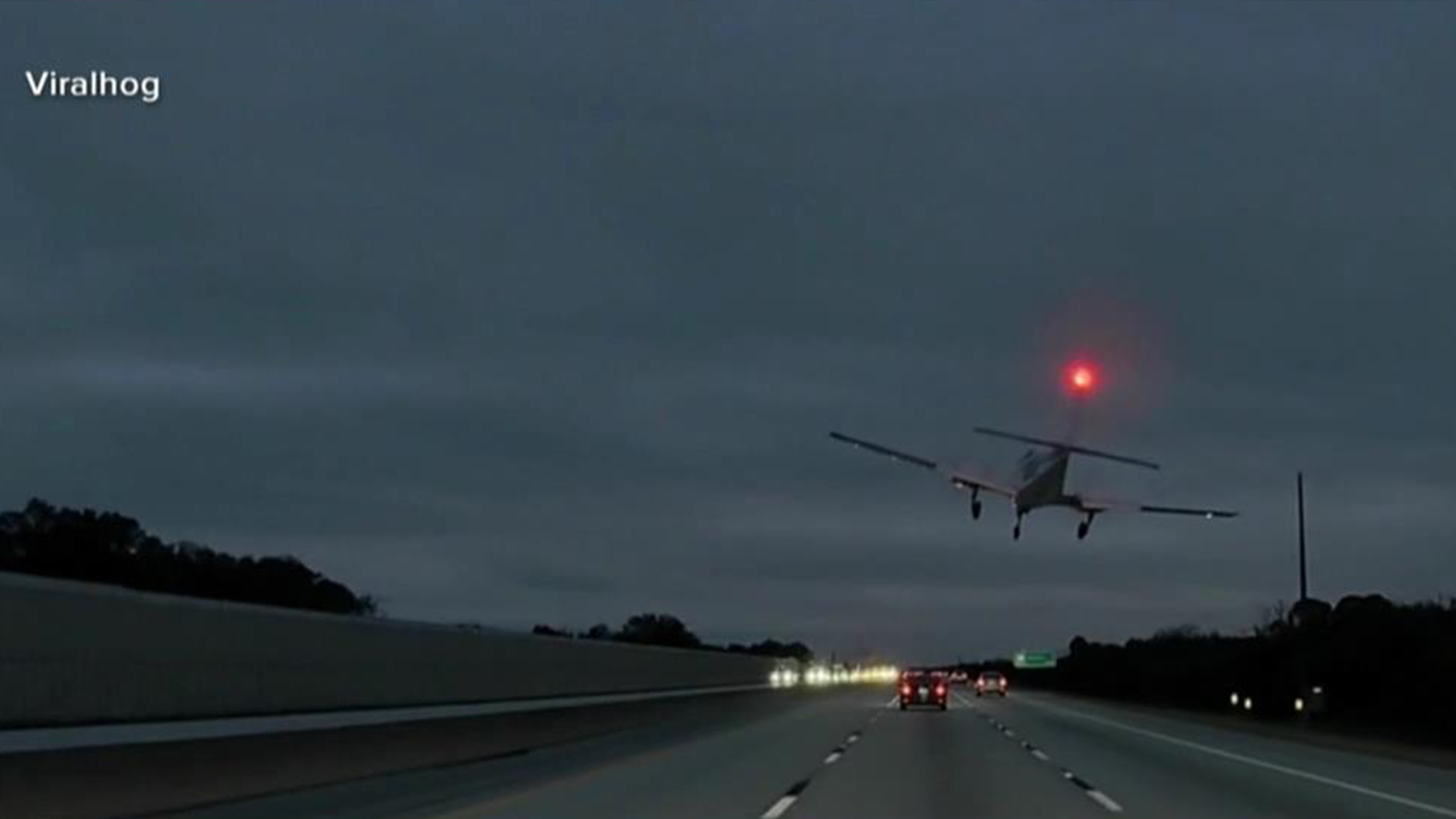
When a commercial or private aircraft touches down on a public roadway, the event instantly generates viral attention, dramatic dashcam footage, and widespread public fascination. These shocking clips of an airplane landing on a highway capture moments of extreme aviation drama, yet they also reveal critical underlying principles of emergency flight operations, pilot decision-making, and regulatory safety investigations.
Understanding the Phenomenon of Emergency Roadway Landings
Emergency landings on public highways are exceedingly rare events that capture public imagination primarily due to the striking juxtaposition of massive aviation hardware sharing asphalt with everyday commuter traffic. When viewers encounter a viral video of a high-wing single-engine aircraft or a twin-engine commuter plane settling onto a multi-lane thoroughfare, the immediate reaction is often a mix of awe and disbelief. However, from an operational and regulatory perspective, these maneuvers are not stunt driving or reckless behavior; they represent calculated, high-stakes life-preservation tactics executed when airborne options have been thoroughly exhausted.
Aviation authorities, including the Federal Aviation Administration (FAA) and the European Union Aviation Safety Agency (EASA), maintain strict guidelines regarding how pilots must handle sudden engine failures, catastrophic systems malfunctions, or severe weather entrapments. When an engine quits at low altitude or a catastrophic fire breaks out in the cockpit, a pilot's primary objective shifts immediately from completing the flight plan to safeguarding human life on board and on the ground. Statistically, off-field landings account for a notable percentage of general aviation mishaps, and roadways represent a uniquely paved, relatively level alternative to rough terrain, dense forests, or deep bodies of water.
The viral nature of these incidents ensures that millions of viewers dissect every second of the captured footage. Social media platforms amplify the shock value, often focusing on the miraculous absence of collisions with passing automobiles or high-voltage power lines. Yet beneath the sensationalism lies a complex matrix of aerodynamics, air traffic control coordination, and rapid emergency response protocols that dictate the success or failure of such extraordinary airborne interventions.
The Aerodynamics and Pilot Decision-Making Behind the Descent
Executing a successful landing on a narrow strip of concrete flanked by light poles, overhead signage, and moving vehicles requires an extraordinary level of stick-and-rudder mastery combined with ice-water composure. When a pilot experiences a power-unit failure, the aircraft instantly transforms into a heavy glider. The aerodynamic performance of the airframe dictates glide ratios, stall speeds, and energy management during the critical descent phase.
- Engine Failure / Emergency
- Establish Best Glide Speed (Vy/Vg)
- Scan for Obstacle-Free Corridor (Highway/Field)
- Energy Management & Configuration (Flaps/Gear)
- Touchdown & Controlled Deceleration
Pilots are trained extensively in emergency procedures, focusing heavily on establishing the best glide speed immediately upon power loss. This specific airspeed maximizes the distance the aircraft can travel horizontally for every foot it loses vertically. As the aircraft approaches a highway corridor, the pilot must rapidly evaluate several compounding variables:
- Traffic Flow and Density: Assessing vehicular movement to select a gap or an entirely clear stretch of road while minimizing the risk of a ground collision.
- Vertical Obstructions: Navigating around high-tension power lines, overpasses, street lamps, and billboard structures that routinely line modern highways.
- Wind Direction and Velocity: Factoring in crosswinds, which become significantly more turbulent and unpredictable when compressed between embankments, sound barriers, and surrounding vehicles.
- Surface Condition: Evaluating the road surface for debris, oil slicks, expansion joints, and median barriers that could snag landing gear or cause directional control loss.
The decision-making process leaves zero room for hesitation. Crew resource management, if flying with a co-pilot or instructor, relies on concise communication, checklist execution, and split-second prioritization. The shocking videos that circulate online only show the final seconds of this high-pressure crucible, omitting the intense minutes of troubleshooting, fuel dumping, and communication with air traffic controllers that preceded the touchdown.
Regulatory Frameworks and Air Traffic Control Protocols
When an aircraft declares an in-flight emergency, a synchronized protocol swings into motion across national airspace systems. Air traffic controllers (ATCs) immediately prioritize the distressed aircraft, clearing local airspace, warning other traffic, and alerting ground-based emergency services. While pilots retain ultimate authority and responsibility for the safe operation of their aircraft under emergency provisions—such as the FAA FAR 91.3 rule allowing deviation from any regulation to meet an emergency—post-incident investigations by bodies like the National Transportation Safety Board (NTSB) are mandatory.
Regulatory bodies examine every facet of the flight to determine the root cause of the emergency and evaluate the pilot's execution of the off-field landing. Investigators look closely at maintenance logs, fuel quality, weather briefings, and voice recorder data. Landing on a public highway, while legally permissible under emergency duress, introduces significant legal and operational liabilities. Local municipal codes often prohibit unauthorized aircraft operations on municipal streets, and insurance underwriters conduct exhaustive inquiries into whether the emergency was preventable or exacerbated by pilot error or deferred maintenance.
Furthermore, emergency highway landings trigger multi-agency coordination that tests municipal disaster preparedness. State highway patrols, local police departments, hazardous materials teams, and fire rescue units must rapidly secure the landing site. Debris management, fuel spill containment, and traffic rerouting become paramount to prevent secondary accidents among rubbernecking motorists. The seamless cooperation between aviation authorities and ground emergency personnel is what typically prevents a successful emergency landing from devolving into a catastrophic ground disaster.
Comparative Analysis of Emergency Landing Surfaces
When forced down outside of an established aerodrome, a pilot must choose among several suboptimal landing surfaces. Each option presents distinct engineering and operational trade-offs that influence survival rates and structural damage to the airframe.
| Surface Type | Primary Advantages | Major Hazards & Risks | Typical Outcome |
|---|---|---|---|
| Paved Highway | Level surface, clear path, predictable traction, rapid emergency vehicle access. | Power lines, vehicular traffic, lighting poles, median barriers, overhead bridges. | Moderate to high structural damage; high survival rate if traffic is avoided. |
| Agricultural Field | Vast open space, absence of vehicular traffic, soft deceleration. | Hidden ditches, rocks, uneven furrows, soft mud that can cause nose-overs. | High likelihood of gear collapse; moderate to high survival rate. |
| Water Body (Ditching) | Wide flat expanse, available for float-equipped or amphibious aircraft. | Rapid sinking, disorientation, cold water shock, structural break-up upon impact. | Extreme risk of hull breach and drowning; variable survival rate depending on prep. |
| Unpaved Terrain / Forest | Natural availability in remote regions. | Tree canopy strikes, severe terrain irregularities, immediate deceleration trauma. | Severe structural destruction; lower survival rate without immediate rescue. |
This comparison highlights why highways, despite their obvious hazards like traffic and utility wires, remain a preferred target for emergency aviators when open fields are unavailable or weather obscures rural terrain. The hard surface allows for predictable braking and rolling friction, whereas plowed fields or rough ground frequently induce catastrophic nose-overs upon impact.
Safety Insights for Motorists and Witnesses
The proliferation of dashcams, smartphones, and roadside surveillance systems means that highway emergency landings are frequently recorded from multiple angles. For everyday motorists, encountering a low-flying aircraft or witnessing an unexpected touch-down requires immediate, calm situational awareness. Drivers must understand how to react safely when an aircraft invades the roadway ecosystem.
- Avoid Abrupt Braking: Slamming on the brakes can trigger multi-car pileups behind the vehicle. Drivers should gently decelerate and create space around the landing zone.
- Yield the Right of Way: An airplane cannot stop on a dime; its braking distance depends heavily on weight, wind, and remaining pavement. Motorists must pull safely to the shoulder and clear the active lanes.
- Refrain from Distracted Filming: While the instinct to record video for social media is powerful, operating a smartphone while driving near an emergency aircraft creates severe secondary accident risks.
- Stay Clear After Touchdown: Once the plane has stopped, leaking aviation fuel poses an immediate fire hazard. Onlookers should maintain a safe distance and allow professional first responders to manage the scene.
Public safety campaigns increasingly incorporate aviation emergency scenarios into driver education, emphasizing that roadway incursions by aircraft, though rare, demand the same yielding and clearance discipline as ground-based emergency vehicles like ambulances and fire engines.
Frequently Asked Questions
Is it legal for an airplane to land on a public highway?
Under Federal Aviation Regulations and international aviation law, a pilot in command is legally authorized to deviate from any standard rule in an emergency to protect lives and property. Therefore, landing on a highway during a genuine life-threatening emergency is legal, though it is subject to rigorous post-incident investigation by regulatory agencies.
What causes pilots to choose a highway over an open field?
Highways offer a flat, paved, and unobstructed path compared to rural terrain, which may hide ditches, fences, livestock, or boulders. Paved surfaces allow for effective directional control and braking, whereas soft dirt or mud can flip a light aircraft upon touchdown.
How do emergency services handle a highway aircraft landing?
Local police and highway patrols immediately close off surrounding traffic lanes to secure the perimeter. Fire departments deploy foam trucks to mitigate aviation fuel spill risks, while transport authorities work alongside aviation investigators to safely dismantle or tow the aircraft off the roadway.
What are the survival statistics for emergency off-field landings?
According to general aviation safety data, the vast majority of emergency off-field landings result in non-fatal outcomes, provided the pilot maintains control of the aircraft, manages glide speeds effectively, and avoids high-energy collisions with immovable obstacles like buildings or towers.
How can drivers prepare for an unexpected aircraft landing nearby?
Drivers cannot specifically train for aircraft encounters, but maintaining general defensive driving habits, avoiding distracted driving, keeping adequate following distances, and yielding promptly to flashing lights or unusual emergency scenarios ensure maximum safety.
Prioritizing Safety and Preparedness in Aviation
The dramatic spectacle of an airplane landing on a highway serves as a powerful reminder of the unpredictable nature of flight and the rigorous training required of modern aviators. While these shocking videos draw millions of views for their high-adrenaline visual appeal, they ultimately underscore the resilience of aviation safety systems, the effectiveness of pilot emergency training, and the importance of rapid multi-agency coordination. For both aviators and motorists, understanding the mechanics, legal realities, and safety protocols behind these rare events transforms sensational media into valuable lessons in situational awareness and crisis management.