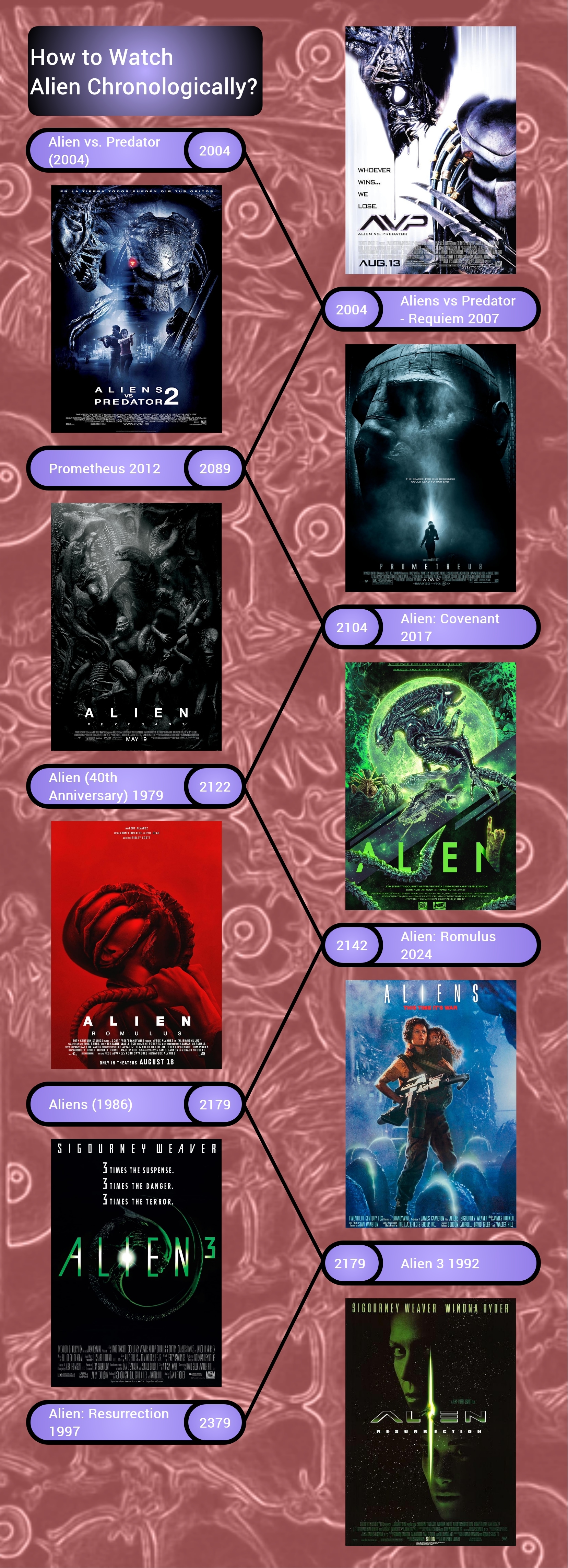
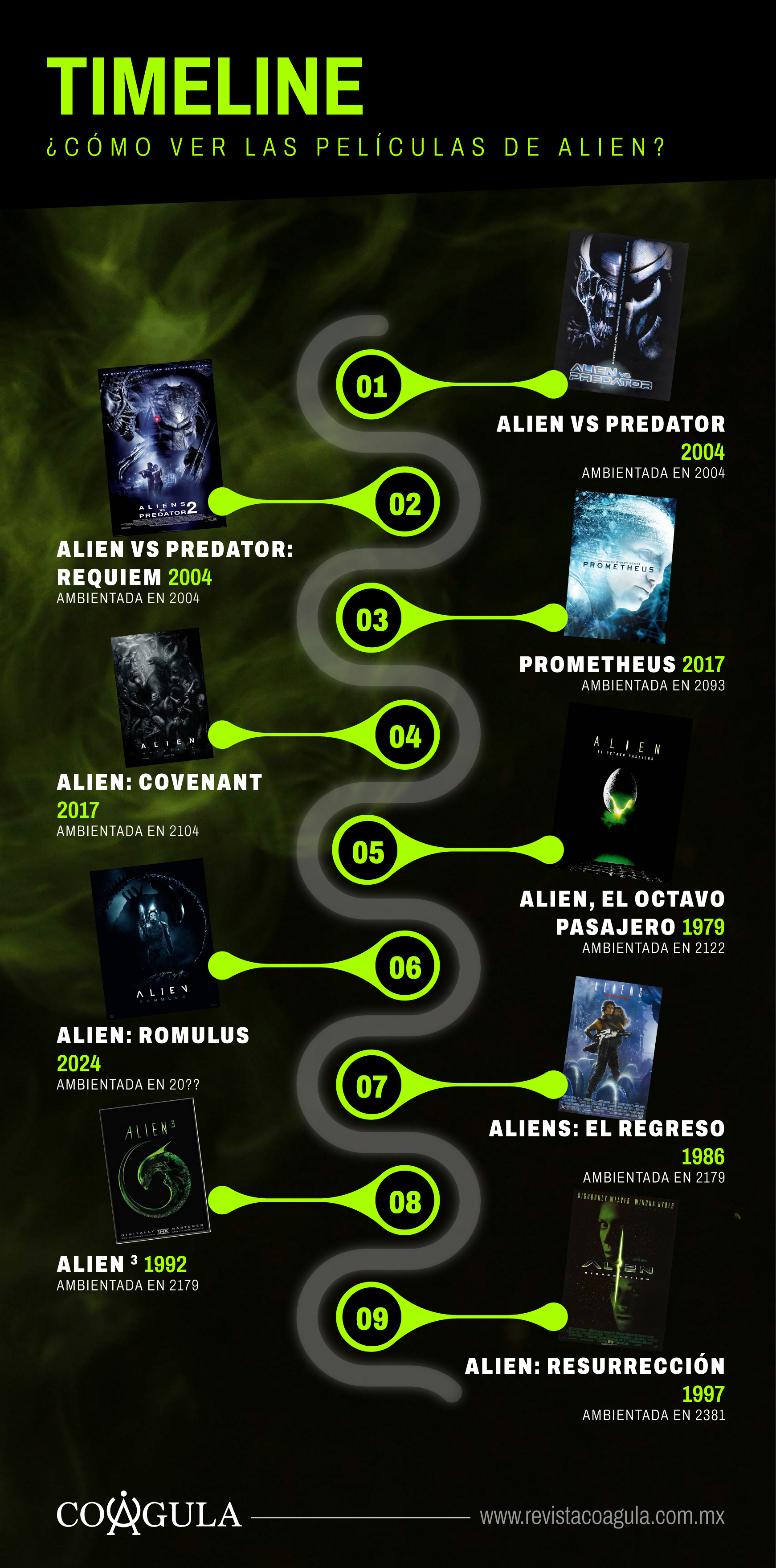
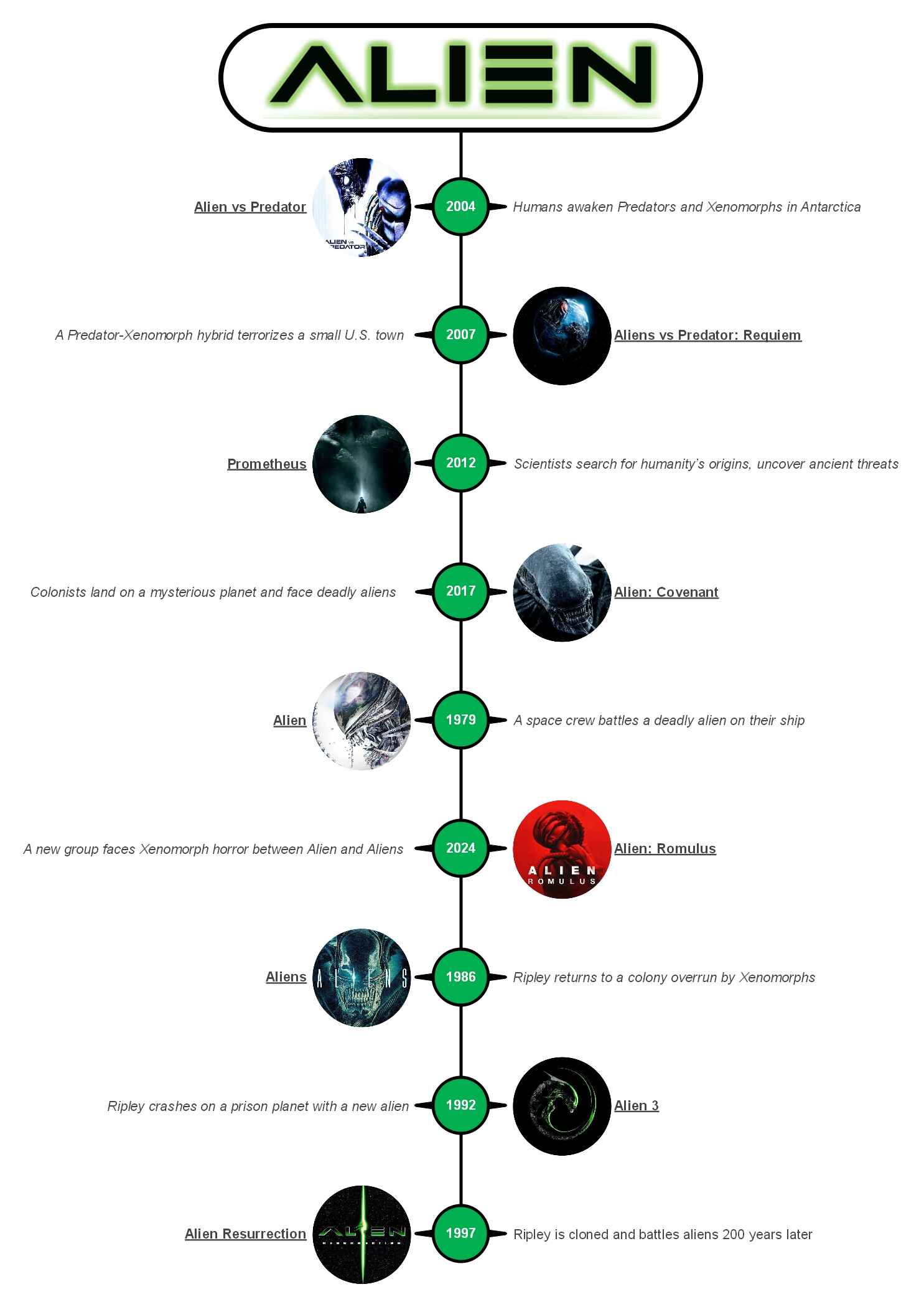
The alien timeline charts the historical, cultural, and scientific milestones that track humanity's evolving fascination with extraterrestrial life, spanning ancient astronomical observations, mid-20th-century ufology developments, and modern astrobiological research. This chronological framework organizes how cultural narratives, government investigations, and scientific space missions intersect to define our search for life beyond Earth.
Foundations of Cosmic Inquiry: Ancient Observations to Early Astronomy
The conceptual framework of an alien timeline begins long before the advent of modern rocketry or radio astronomy, rooted in ancient philosophical and cosmological debates. Early civilizations observed the night sky not merely as a collection of glowing points, but as a dynamic realm governed by predictable laws and populated, in various mythologies, by celestial beings. However, the true intellectual precursor to the modern extraterrestrial hypothesis emerged during the scientific revolution and the subsequent popularization of heliocentrism.
When Nicolaus Copernicus and later Galileo Galilei dismantled the geocentric model, the Earth was repositioned from the center of the universe to an ordinary rocky planet orbiting a typical star. This Copernican principle logically suggested that if Earth is unremarkable, other planetary bodies might host similar conditions and, by extension, similar life forms. During the 17th and 18th centuries, Enlightenment thinkers such as Bernard le Bovier de Fontenelle and philosophers like Immanuel Kant actively popularized the plurality of worlds. Kant argued that it would be absurd to assume nature is sterile on every other celestial body except the one we inhabit. These philosophical positions transformed the extraterrestrial hypothesis from pure mythology into a subject of rational scientific speculation, establishing the earliest entries on any comprehensive historical ledger of astrobiological thought.
The Birth of Modern Ufology and the Mid-Century Shift
As industrial technology advanced into the 20th century, the alien timeline shifted dramatically from philosophical speculation to localized reports, government inquiries, and popular culture phenomena. The modern era of Unidentified Flying Objects began in earnest during the post-World War II period, marked by Kenneth Arnold’s reported sighting of metallic, crescent-shaped objects near Mount Rainier in June 1947, followed closely by the events in Roswell, New Mexico, later that summer. These incidents catalyzed public imagination and prompted the United States military to initiate formal investigations.
Projects such as Sign, Grudge, and Blue Book represented the official U.S. Air Force efforts to systematically collect, analyze, and categorize reports of unidentified aerial phenomena between 1947 and 1969. While the official reports largely concluded that most sightings were misidentifications of conventional aircraft, natural phenomena, or psychological misperceptions, the persistent public interest generated a parallel subculture of ufology. This era also witnessed the mainstreaming of the Ancient Astronaut hypothesis through speculative literature, which argued that extraterrestrial visitors influenced ancient human civilizations, monumental architecture, and mythological traditions. These cultural milestones cemented the flying saucer archetype in global media and set the stage for institutionalized scientific searches for intelligent signals.
The Rise of Astrobiology and the Search for Extraterrestrial Intelligence
While popular culture focused on unidentified craft and visitors, the scientific community developed rigorous methodologies to search for life, anchoring the modern alien timeline in empirical physics and biology. In 1959, physicists Giuseppe Cocconi and Philip Morrison published a seminal paper in Nature suggesting that civilizations on other star systems might communicate using microwave frequencies. This theoretical breakthrough directly inspired astronomer Frank Drake to conduct Project Ozma in 1960, the first modern SETI (Search for Extraterrestrial Intelligence) experiment, which used a radio telescope to listen for artificial signals from nearby stars like Tau Ceti and Epsilon Eridani.
The scientific framework expanded further with the formulation of the Drake Equation in 1961, a probabilistic argument used to estimate the number of active, communicative extraterrestrial civilizations in the Milky Way galaxy. Simultaneously, NASA formalized its exobiology program, which later matured into modern astrobiology—a multidisciplinary field combining astronomy, planetary science, organic chemistry, and microbiology. Space probes such as Mariner, Viking, Voyager, and later Mars rovers like Curiosity and Perseverance shifted the timeline from passive listening to active exploration, targeting subsurface oceans on icy moons like Europa and Enceladus, and analyzing Martian soil for biosignatures and prebiotic chemistry.
Comparing Approaches to the Search for Extraterrestrial Life
| Approach | Primary Methodology | Key Historical Milestone | Core Objective | Current Status |
|---|---|---|---|---|
| SETI (Radio/Optical) | Radio telescope monitoring and laser signal detection | Project Ozma (1960) | Detect technosignatures from intelligent civilizations | Active monitoring via private and institutional arrays |
| Astrobiology | Planetary rovers, spectroscopy, and sample analysis | Viking Landers (1976) | Identify biosignatures, microbial life, and habitability | Ongoing missions to Mars, Europa, and Titan |
| Ufology & Government Inquiry | Witness testimony, radar data, and military reporting | Project Blue Book closure (1969) | Document and explain anomalous aerial phenomena | Modern government offices investigating UAPs |
Evolution of Government Transparency and Unidentified Anomalous Phenomena
In recent years, the timeline of official government engagement with unidentified objects has undergone a significant transformation, moving from institutional skepticism to formal congressional hearings and declassification. For decades following the termination of Project Blue Book, military and intelligence agencies largely avoided public discussions regarding anomalous aerial encounters to protect classified sensor capabilities and avoid social stigma among pilots. This dynamic shifted in December 2017 with the public disclosure of the Pentagon’s Advanced Aerospace Threat Identification Program (AATIP) and the release of authenticated military sensor footage capturing high-speed aerial objects exhibiting unusual flight characteristics.
Subsequent legislative actions institutionalized this shift. The United States Congress established the All-domain Anomaly Resolution Office (AARO) within the Department of Defense to synchronize efforts to detect, identify, and attribute anomalies across air, space, and maritime domains. Public congressional hearings featuring former military intelligence officials and fighter pilots brought heightened scrutiny to the historical handling of reporting procedures, whistleblower protections, and data transparency. This contemporary phase bridges the gap between grassroots ufology and empirical aerospace science, emphasizing transparent data collection, sensor calibration, and national security accountability.
Practical Guidance for Navigating Extraterrestrial Research and History
For researchers, educators, and enthusiasts attempting to navigate the vast and often contradictory landscape of the alien timeline, establishing a rigorous evidentiary standard is essential. The field is heavily saturated with unverified claims, internet folklore, and sensationalized media reports that complicate the distinction between empirical science and cultural mythology.
- Verify Primary Sources: When evaluating historical claims regarding government investigations or military sightings, consult original declassified documents available through official archives, such as the National Archives or the Freedom of Information Act electronic reading rooms, rather than relying on secondary blog summaries.
- Distinguish Technosignatures from Biosignatures: Understand the fundamental scientific distinction between searches for technosignatures—artificial signals or industrial pollution indicative of intelligent technology—and biosignatures, which are chemical indicators of simple microbial or organic life.
- Examine Peer-Reviewed Literature: Prioritize findings published in recognized astrophysical and astrobiological journals when assessing claims about exoplanet atmospheres, habitable zones, or potential biosignature detection.
- Maintain Critical Skepticism: Apply Occam's razor to extraordinary claims. Extraordinary reports require robust, independently verifiable data rather than anecdotal testimony alone.
By grounding inquiries in verified historical events, peer-reviewed scientific literature, and official documentation, observers can successfully navigate the complex history of humanity's search for our place in the cosmos.