Staying informed on airline updates requires tracking changing flight schedules, evolving baggage and ticketing fees, strict digital check-in windows, and dynamic passenger rights regulations across global aviation markets.
The modern aviation landscape demands unprecedented vigilance from travelers. Whether you fly occasionally for leisure or maintain a rigorous corporate travel schedule, keeping abreast of contemporary airline updates is essential for a seamless journey. Carriers frequently revise their operational policies, ranging from strict baggage allowances and digital-first boarding processes to dynamic pricing structures and ancillary service fees. Furthermore, shifting geopolitical landscapes, labor negotiations, regulatory interventions, and environmental initiatives continually reshape how airlines operate and interact with passengers.
Understanding these changes protects your financial investment and ensures you can navigate disruptions effectively when flights are delayed or canceled. This guide examines the core categories of modern airline updates, analyzing how regulatory frameworks, technological integration, and carrier-specific policies intersect to influence the contemporary passenger experience.
Understanding the Scope of Commercial Aviation Updates
Commercial aviation operates as a tightly regulated, highly interconnected global network. When an airline introduces an update—whether it involves shifting a hub schedule, updating fleet configurations, or altering frequent flyer redemption tiers—the ripples are felt across multiple distribution channels and partner alliances. For the everyday traveler, categorizing these updates helps separate background industry noise from actionable information that directly impacts an upcoming itinerary.
Generally, commercial carrier updates fall into three primary categories: operational adjustments, commercial and fare policy modifications, and regulatory compliance changes. Operational updates include schedule changes, aircraft swaps, terminal reassignments, and route suspensions or inaugurations. Commercial updates govern the transactional aspects of air travel, encompassing fare classes, baggage weight and dimension limits, seating selection fees, and loyalty program devaluation or enhancement. Regulatory updates, conversely, stem from government agencies and international aviation bodies, dictating passenger compensation rights, safety mandates, and accessibility requirements.
By recognizing the origin and nature of an update, passengers can determine whether immediate action is required. For instance, a minor schedule shift of ten minutes requires no intervention, whereas a rolling delay or aircraft equipment change might invalidate a pre-selected seat or complicate a tight international connection.
Decoding Operational Changes and Schedule Adjustments
Schedule reliability remains one of the most volatile variables in modern air travel. Airlines routinely adjust their flight banks months, weeks, and even hours before departure to accommodate seasonal demand shifts, maintenance windows, air traffic control constraints, and crew availability. When an airline publishes a schedule update, passengers often receive automated email notifications, but the interpretation of these notices requires careful scrutiny.
A schedule change typically manifests in three ways: minor time adjustments, flight number or equipment changes, and complete flight cancellations.
- Minor time adjustments (usually under 30 minutes) rarely affect overall travel plans, though tight domestic-to-international connections demand careful review.
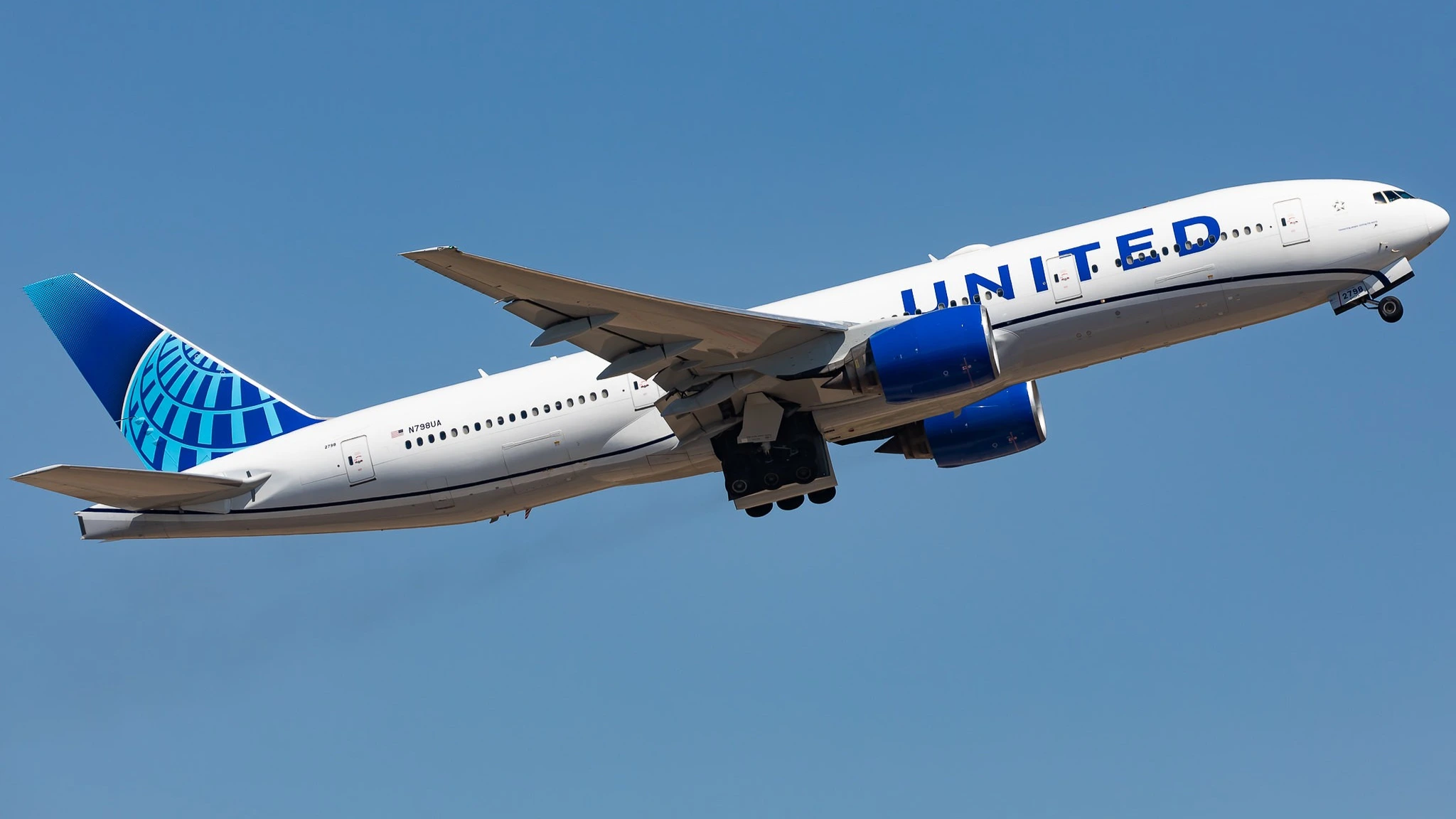
- Equipment changes occur when an airline swaps the scheduled aircraft type for another—for example, replacing a wide-body Boeing 777 with a narrow-body Airbus A321neo. This frequently triggers automatic seat map reassignments, which can disrupt family seating arrangements or premium cabin selections.
- Cancellations and significant retimings (typically exceeding 60 to 120 minutes) legally obligate carriers to provide alternative routing or a full cash refund under various regional consumer protection laws.
To manage operational updates proactively, travelers should utilize official airline mobile applications rather than relying solely on third-party online travel agencies (OTAs). Direct carrier apps push real-time gate changes, baggage tracking alerts, and rebooking prompts faster than intermediary platforms. Furthermore, monitoring dynamic schedule changes through global distribution systems or flight-tracking aggregators provides an independent verification of whether a flight is genuinely delayed or facing a broader network disruption.
Financial Implications: Navigating Fare Classes, Ancillary Fees, and Ticketing Rules
The unbundling of airfares remains a dominant trend in commercial aviation. Airlines increasingly rely on ancillary revenue—charges for checked bags, carry-on luggage, seat selection, onboard Wi-Fi, and priority boarding—to maintain profitability while offering low headline ticket prices. Consequently, airline updates frequently target fare class rules, making it crucial for passengers to read the fine print associated with basic economy, standard economy, premium economy, and business class tickets.
| Fare Class Tier | Typical Inclusions | Change/Cancellation Flexibility | Checked & Carry-On Restrictions |
|---|---|---|---|
| Basic Economy | Seat assigned at check-in; standard cabin bag | Strictly non-refundable; no changes allowed | Strict overhead bin limits; often no free checked bags |
| Standard Economy | Advance seat selection; standard cabin bag | Changes permitted with fee plus fare difference | Standard carry-on included; fee for checked bags |
| Premium Economy | Enhanced legroom; priority boarding; upgraded catering | Flexible changes; refundable options available | Generous baggage allowance (often two checked bags) |
| Business / First | Lie-flat seats; lounge access; priority fast-track | Fully flexible; refundable with minimal penalties | Maximum baggage tier; premium priority handling |
Understanding these distinctions prevents unexpected financial penalties at the airport gate. For example, many carriers now strictly enforce physical sizing limits for personal items on basic economy tickets. If a backpack exceeds the designated under-seat dimensions, agents can levy gate-check fees that far exceed the price difference of a standard economy ticket. Reviewing fare rules prior to booking—and noting any updates to cancellation windows or travel waiver policies—ensures that unexpected life events do not result in the total forfeiture of ticket value.
Passenger Rights, Compensation, and Regulatory Compliance
Regulatory frameworks governing air passenger rights have evolved significantly, offering robust protections in certain jurisdictions while leaving gaps in others. Navigating airline updates requires a clear understanding of your legal entitlements when disruptions occur due to weather, mechanical failures, or airline operational missteps.
In the European Union, Regulation (EC) No 261/2004 establishes strict compensation guidelines for cancellations, long delays, and denied boarding, with payouts ranging up to €600 depending on flight distance and arrival delay duration. Similarly, the United Kingdom maintains a post-Brexit equivalent of these rules. In the United States, Department of Transportation (DOT) regulations mandate automatic cash refunds when flights are significantly delayed or canceled and the passenger chooses not to travel, alongside recent crackdowns on hidden ancillary fees and timely cash refund processing mandates.
However, jurisdictional limits apply. These protections generally hinge on the departure airport's location, the operating carrier's home country, or the specific regulatory authority governing the ticket purchase. When airlines update their contract of carriage—the legally binding agreement between the passenger and the carrier—they often modify clauses related to force majeure events, baggage liability limits, and arbitration requirements. Staying informed on these legal nuances empowers travelers to assert their rights and demand proper care, including meal vouchers, hotel accommodations, and rebooking assistance during extended disruptions.
Technological Integration: Digital Check-In, Biometrics, and App Ecosystems
The passenger journey has become increasingly digitized, with airlines migrating routine administrative tasks to mobile applications and self-service airport kiosks. Recent airline updates heavily emphasize biometric boarding gates, digital baggage tags, and automated rebooking bots designed to reduce human intervention and operational overhead.
Digital check-in windows typically open 24 hours prior to domestic departures and up to 48 hours for international itineraries. Failing to check in via an app or web portal within these timeframes can result in canceled seat assignments or vulnerability to voluntary overbooking bumps. Biometric boarding, currently deployed at numerous major hubs worldwide, matches facial recognition scans against passport databases, eliminating the need to physically present boarding passes at the jet bridge. While these technologies streamline throughput, they require passengers to ensure their passport information and secure flight data are accurately uploaded prior to arrival at the airport.
For troubleshooting app-related failures—such as boarding passes failing to load or digital wallet integration errors—passengers should immediately fallback to traditional self-service airport kiosks or service counters. Keeping physical or offline PDF copies of travel documents remains a vital redundancy against cellular network outages and software glitches.
Proactive Strategies for Managing Travel Disruption Updates
When an airline update signals an impending disruption, reacting passively can lead to missed connections and extended airport strandings. Implementing a structured, proactive response strategy minimizes stress and accelerates resolution times.
- Monitor Multiple Channels: Cross-reference official airline app notifications with airport flight display boards and independent tracking tools to verify the status of inbound aircraft, as delays often cascade throughout a carrier's daily flight schedule.
- Utilize Omnichannel Customer Service: If a flight is canceled or severely delayed, do not rely solely on the physical airport service desk queue. Simultaneously call the airline's customer service phone line, use the in-app chat feature, and reach out via verified social media support channels to secure an agent's assistance faster.
- Know Your Priority Rebooking Rights: Under network interline agreements and alliance guidelines, disrupted passengers are frequently eligible to be rebooked on partner airlines or even competing carriers if the operating airline cannot provide alternative transportation within a reasonable timeframe. Always request endorsement onto the next available flight, regardless of the operating carrier.
- Document Everything: Retain all communication records, gate change screenshots, receipts for incidental expenses (such as meals and transport during delays), and official statements from airline personnel to support subsequent compensation or travel insurance claims.
Frequently Asked Questions About Airline Updates
How can I ensure I receive real-time airline updates for my flight?
Ensure your correct mobile phone number and email address are linked to your booking reference (PNR) at the time of purchase. Download the official operating carrier's mobile application, enable push notifications, and periodically check your booking status directly on the airline's website starting 48 hours before departure.
What should I do if an airline schedule update ruins my connection?
Contact the airline immediately upon receiving the schedule change notice. If the revised itinerary creates an illegal connection or an excessively long layover, the airline is typically obligated to rebook you onto an alternative routing of your choice at no additional cost, or issue a full refund if acceptable alternatives are unavailable.
Are airlines required to compensate passengers for weather-related delays?
Generally, no. Regulatory frameworks such as EU 261 and DOT guidelines classify severe weather events, natural disasters, and air traffic control mandates as extraordinary circumstances beyond the airline's control, exempting them from mandatory cash compensation. However, carriers are still expected to provide basic care, such as meal vouchers and hotel accommodations during extended overnight delays.
Do basic economy ticket holders receive schedule change protections?
Yes. Regardless of the fare class purchased, if an airline initiates a significant schedule change or cancellation, basic economy passengers possess the same fundamental rights to alternative transportation or a full cash refund as passengers who purchased higher-tier flexible fares.
How far in advance do airlines typically finalize their flight schedules?
Major network carriers generally publish and lock their primary flight schedules approximately 330 days in advance. However, rolling schedule adjustments and optimization updates occur continuously, with the most significant operational refinements taking place between 30 and 60 days prior to departure based on actual seat demand.
Strategic Action for Seamless Air Travel
Navigating contemporary airline updates successfully requires a blend of digital preparedness, regulatory awareness, and proactive communication. Always verify your flight status directly through official carrier channels prior to departure, understand the precise rules governing your purchased fare class, and maintain digital backups of all critical travel documents. By treating airline policies and operational notifications as dynamic variables to be managed rather than static conditions, you can safeguard your travel schedule against unexpected disruptions and ensure a more predictable journey.