Airline regulation encompasses the complex network of domestic laws, international treaties, safety standards, and economic policies that govern commercial aviation. These statutory frameworks dictate how carriers operate aircraft, secure airspace, price tickets, and handle passenger grievances, ensuring a standardized balance between commercial viability and public safety.
The global aviation sector operates under a remarkably cohesive yet structurally diverse framework of rules. Because commercial aircraft cross international borders routinely, national authorities must harmonize their domestic mandates with global standards set by specialized agencies. Navigating this landscape requires a firm grasp of how international bodies establish baseline rules, how national authorities enforce them, and what operational constraints carriers face in day-to-day service.
The Foundations of International Aviation Governance
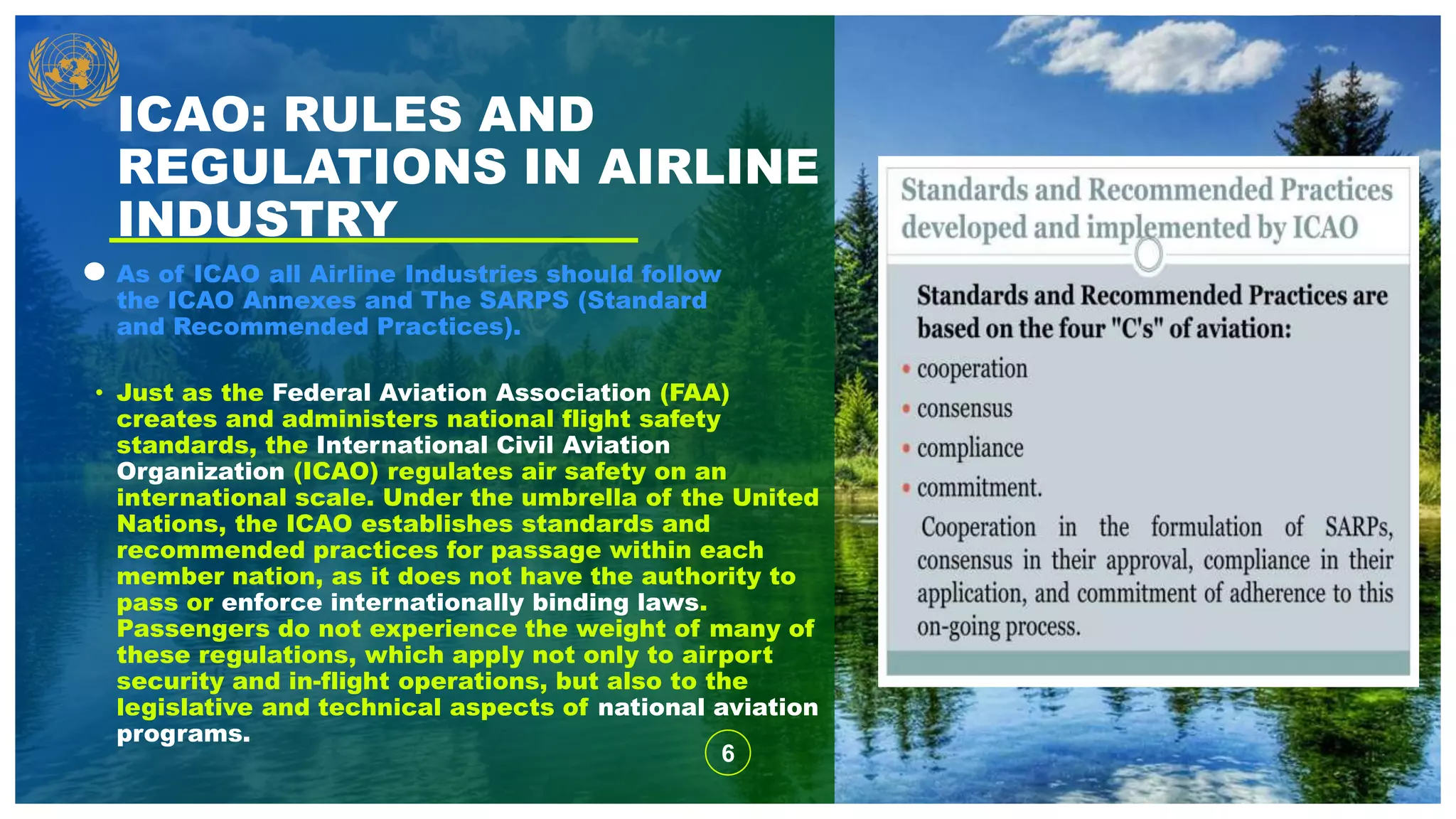
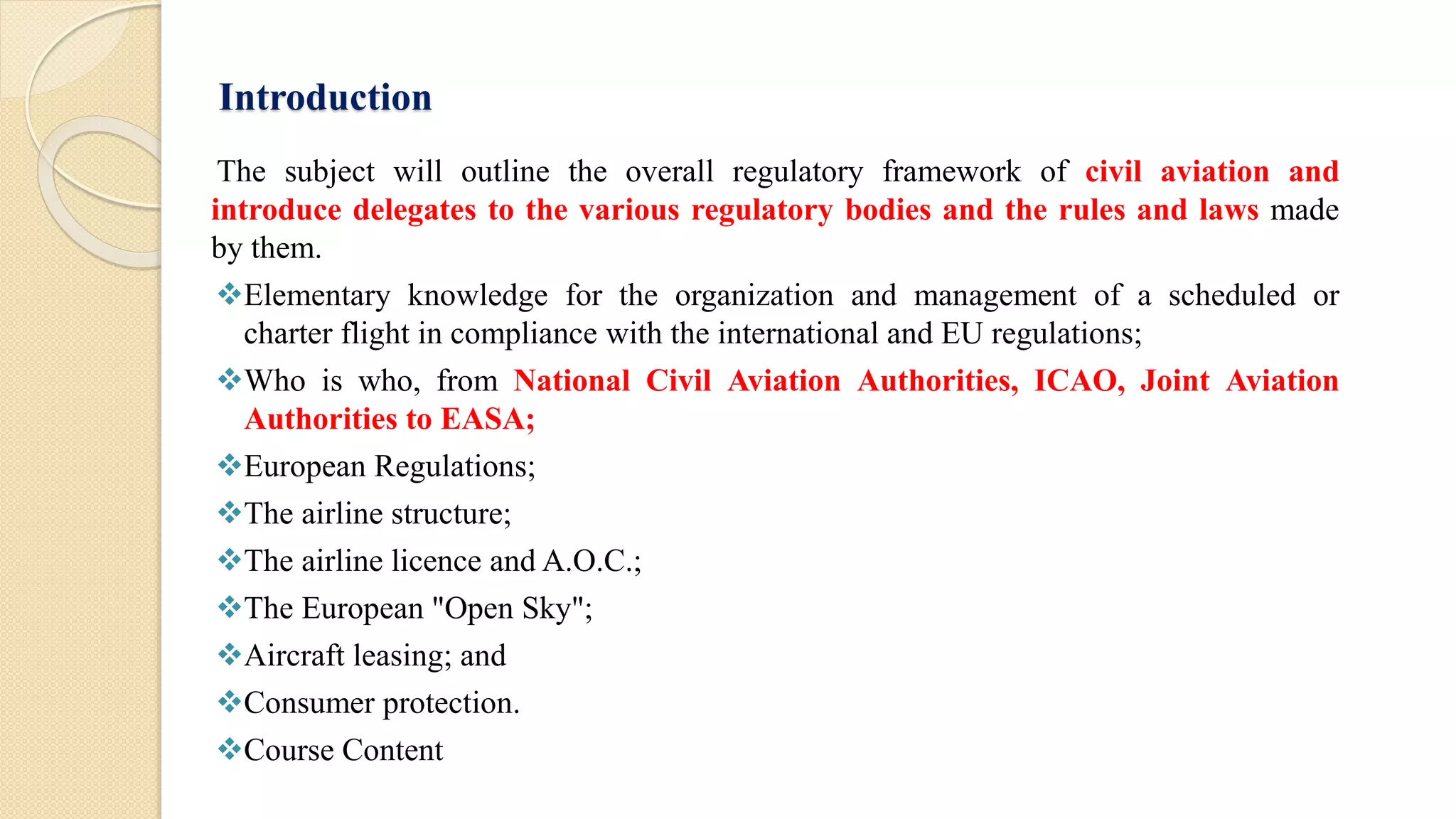
Modern commercial aviation relies heavily on multilateral agreements that prevent legal chaos in the skies. The baseline for international airline regulation was established during the 1944 Chicago Convention, which created the International Civil Aviation Organization (ICAO). Operating as a specialized agency of the United Nations, the ICAO does not function as a global police force or rule-making legislature with direct enforcement powers. Instead, it establishes International Standards and Recommended Practices (SARPs) covering airspace management, aircraft airworthiness, personnel licensing, and environmental protection. Member states adopt these SARPs into their domestic legal codes, creating a uniform baseline of safety across different jurisdictions.
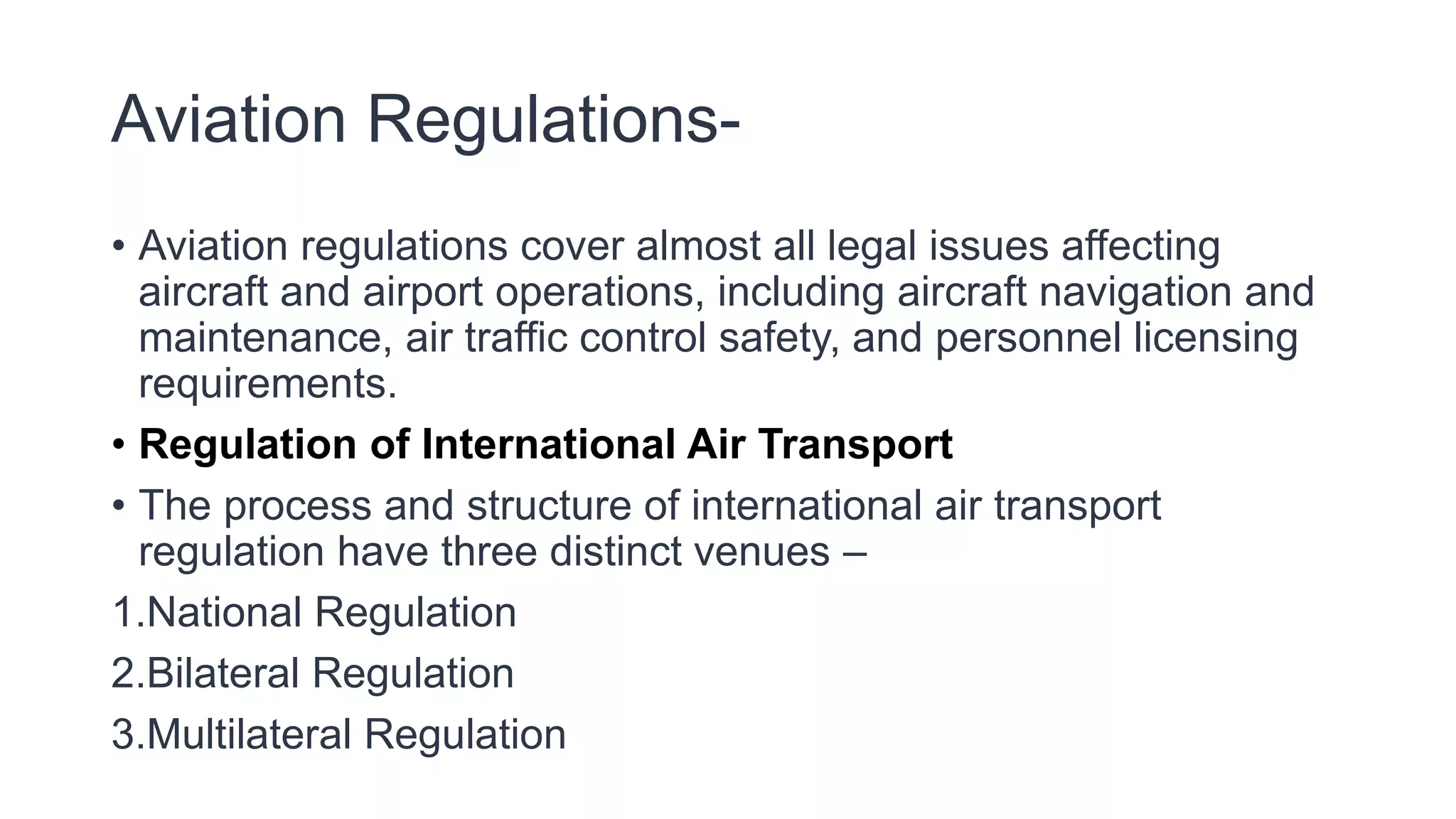
Alongside technical safety standards, commercial rights in international travel are governed by a patchwork of bilateral and multilateral air services agreements. Historically, nations negotiated these treaties bilaterally to dictate which airlines could fly between specific cities, how many flights they could operate, and how fares were structured. While many regions—most notably the European Union—have moved toward "open skies" agreements that deregulate route access and pricing, international route authorization remains a fundamentally regulated domain governed by state sovereignty.
National Authorities and Enforcement Frameworks
While international bodies set overarching guidelines, national civil aviation authorities enforce the laws within their respective sovereign airspaces. In the United States, the Federal Aviation Administration (FAA) oversees civil aviation safety, managing air traffic control, certifying aircraft and pilot credentials, and setting maintenance mandates. Concurrently, the Department of Transportation (DOT) regulates the economic and consumer protection aspects of commercial aviation, handling issues such as ticket transparency, tarmac delays, and carrier mergers.
In Europe, regulatory oversight is split between the European Union Aviation Safety Agency (EASA), which handles technical safety and environmental certifications across member states, and individual national authorities that oversee local operations. Other prominent regulatory bodies, such as the Civil Aviation Authority (CAA) in the United Kingdom or the Directorate General of Civil Aviation (DGCA) in India, maintain parallel authority to license domestic carriers, audit safety protocols, and penalize non-compliance.
When airlines violate safety directives, operational limits, or consumer protection statutes, these national authorities possess robust enforcement mechanisms. Penalties range from substantial financial fines and mandatory safety audits to the temporary suspension or complete revocation of an airline's Air Operator Certificate (AOC).
Economic Regulation Versus Deregulation
The economics of commercial aviation have shifted dramatically over the past several decades, transitioning from tightly controlled state monopolies to liberalized, competitive markets. Until the late 1970s, governments heavily regulated domestic airline routes, flight schedules, and ticket prices to guarantee stable service and protect legacy carriers. The U.S. Airline Deregulation Act of 1978 dismantled federal control over domestic fares and routes, introducing market-driven competition that lowered ticket costs and spurred the growth of low-cost carriers.
| Regulatory Dimension | Heavily Regulated Era | Modern Deregulated Market |
|---|---|---|
| Ticket Pricing | Government-mandated tariffs | Dynamic, market-driven pricing |
| Route Entry | Restricted to designated flags | Open entry based on safety/AOC |
| Safety & Maintenance | Mandatory government oversight | Rigorous, audited SMS standards |
| Consumer Protections | Limited statutory remedies | Codified delay/cancellation rules |
Despite widespread economic liberalization, governments retain significant oversight regarding market consolidation, foreign ownership limits, and anti-competitive practices. Antitrust authorities routinely review airline mergers and alliance partnerships to ensure that carrier consolidation does not create monopolies on key domestic or international city pairs. Furthermore, many countries enforce strict statutory limits on foreign voting equity in domestic airlines—typically capping foreign ownership at 24% to 49%—to satisfy national security requirements and international bilateral treaty obligations.
Safety Management Systems and Technical Compliance
Safety regulation represents the non-negotiable core of airline oversight. Modern safety regimes have evolved away from purely prescriptive rule-following toward proactive, data-driven frameworks known as Safety Management Systems (SMS). Regulatory authorities require commercial carriers to implement an internal SMS, which systematically identifies operational hazards, assesses associated risks, and deploys mitigation strategies before incidents occur.
Technical compliance touches every facet of airline operations, including:
- Aircraft Certification: Ensuring that new airframes and engine types meet rigorous structural, aerodynamic, and environmental tolerances before entering service.
- Maintenance Programs: Mandating strict schedules for inspections, component overhauls, and structural checks based on flight hours, cycles, or calendar time.
- Flight Crew Qualifications: Enforcing mandatory training hours, simulator testing, medical fitness certifications, and strict duty-period limitations to combat pilot fatigue.
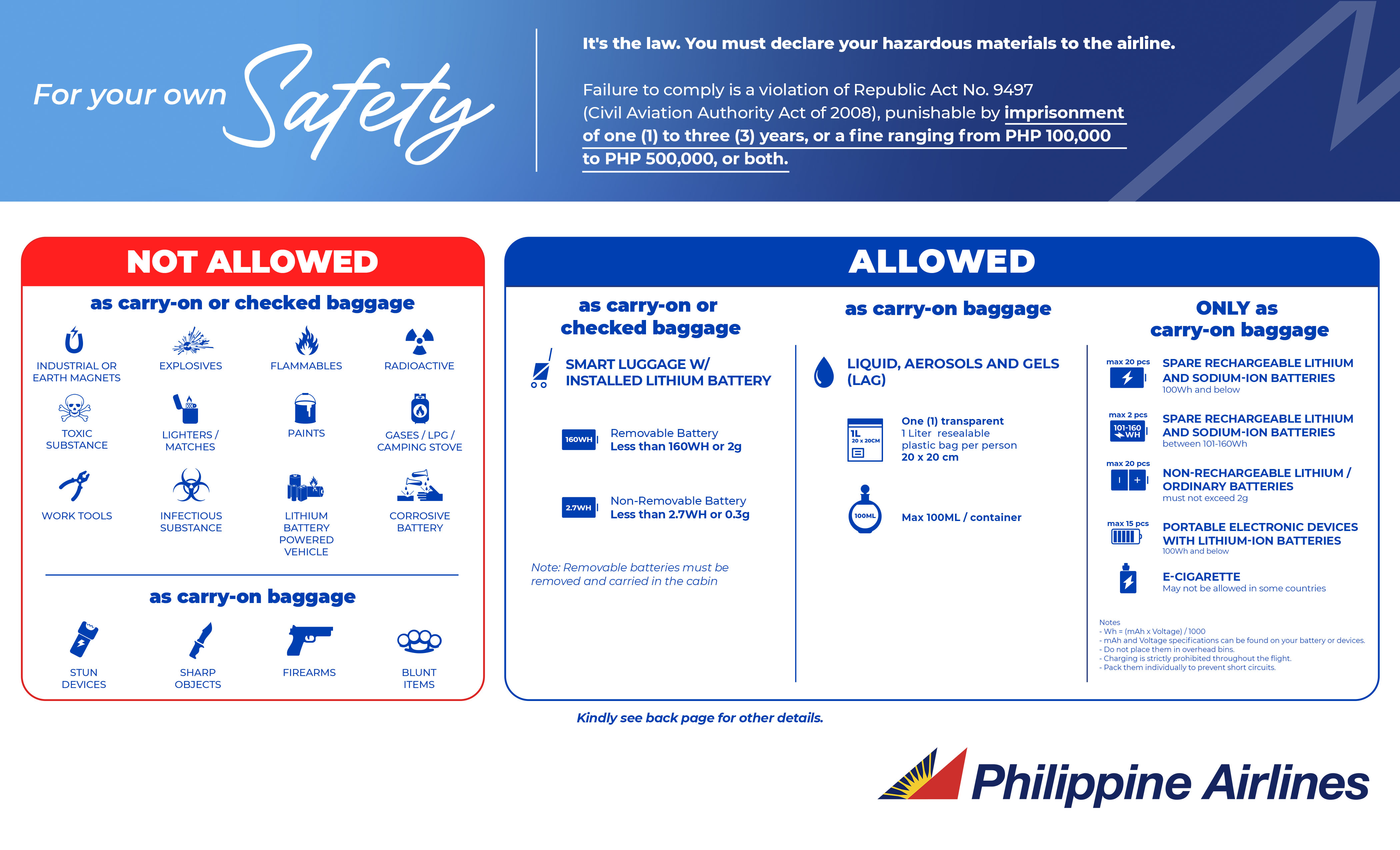
- Dangerous Goods Handling: Regulating the transport of hazardous materials, lithium batteries, and chemicals in accordance with global technical instructions.
These technical specifications are subject to continuous audit by both internal quality assurance teams and external regulatory inspectors. Failure to maintain compliant documentation or adhere to approved maintenance manuals can ground an entire fleet immediately.
Passenger Rights and Consumer Protection Mandates
In recent years, consumer protection has emerged as one of the most actively enforced dimensions of airline regulation. Governments increasingly codify explicit passenger entitlements regarding flight disruptions, involuntary bumping, accessibility, and price transparency.
The benchmark for passenger compensation is widely recognized in the European Union’s Regulation (EC) No 261/2004, which mandates standardized cash compensation for long delays, cancellations, and denied boarding, provided the disruption is within the airline's control. Similar frameworks have been adopted or proposed globally, requiring carriers to provide clear assistance, rebooking options, and refunds for significant schedule changes. National regulators also enforce strict ancillary fee transparency, requiring airlines to display the total cost of travel—including taxes and mandatory fees—at the initial search stage.
Frequently Asked Questions
What is the difference between ICAO and national aviation authorities?
The International Civil Aviation Organization (ICAO) is a specialized UN agency that sets global standards, recommended practices, and multilateral frameworks for civil aviation. It does not enforce laws directly. National aviation authorities, such as the FAA or EASA, adopt these global standards into domestic law and hold direct legal authority to inspect, license, and penalize airlines operating within their jurisdictions.
How do open skies agreements affect international flights?
Open skies agreements are bilateral or multilateral treaties that liberalize the rules for international commercial aviation markets. They eliminate government interference in airline route planning, capacity limits, and pricing decisions, allowing carriers to establish free-market competition between participating countries.
What happens when an airline fails a regulatory safety audit?
When an audit reveals serious safety deficiencies, the regulatory authority typically issues a corrective action plan with strict deadlines. If the airline fails to remediate the vulnerabilities, the regulator can impose financial penalties, restrict specific flight operations, or suspend and revoke the airline's Air Operator Certificate, effectively grounding the carrier.
Are airline ticket prices regulated by governments?
In most liberalized markets, ticket prices are not regulated; airlines use dynamic pricing models based on supply, demand, and operating costs. However, governments heavily regulate price transparency, requiring airlines to disclose all mandatory taxes, carrier-imposed surcharges, and fees upfront in advertised rates.
What recourse do passengers have for canceled or delayed flights?
Recourse depends on the jurisdiction of the flight's origin or destination. Under regulations like EU 261 or emerging national DOT rules, passengers may be legally entitled to meal vouchers, hotel accommodations, complimentary rebooking, and direct cash compensation for delays or cancellations caused by the airline's operational failures.
Compliance Navigation and Operational Next Steps
For aviation professionals, legal counsel, and corporate travel managers navigating airline regulation, success depends on continuous monitoring of jurisdictional updates and strict adherence to statutory baselines. Organizations must maintain robust compliance management systems that synchronize internal operating manuals with the latest directives issued by bodies like the FAA, EASA, and local civil aviation directorates. Regular internal audits, proactive engagement with safety data, and transparent consumer policies remain the most effective safeguards against regulatory penalties and operational disruptions.