Aerie, a sub-brand of American Eagle Outfitters, has fundamentally shifted the retail landscape by integrating inclusive sizing, diverse representation, and non-retouched imagery into its core business strategy. By focusing on authentic body representation rather than idealized standards, the brand has created a scalable framework for inclusivity that prioritizes consumer psychological well-being alongside product accessibility.
The Foundations of the Aerie Strategy
The concept of "Aerie inclusivity" is not a singular marketing tactic but a structural shift in how the brand designs, markets, and sells intimate apparel and loungewear. Since the 2014 launch of its "#AerieREAL" campaign, the brand made the deliberate decision to cease airbrushing its models. This was not merely a cosmetic change; it was a foundational move that signaled a departure from the industry-standard practice of digitally altering human anatomy to fit specific, often unattainable, beauty norms.
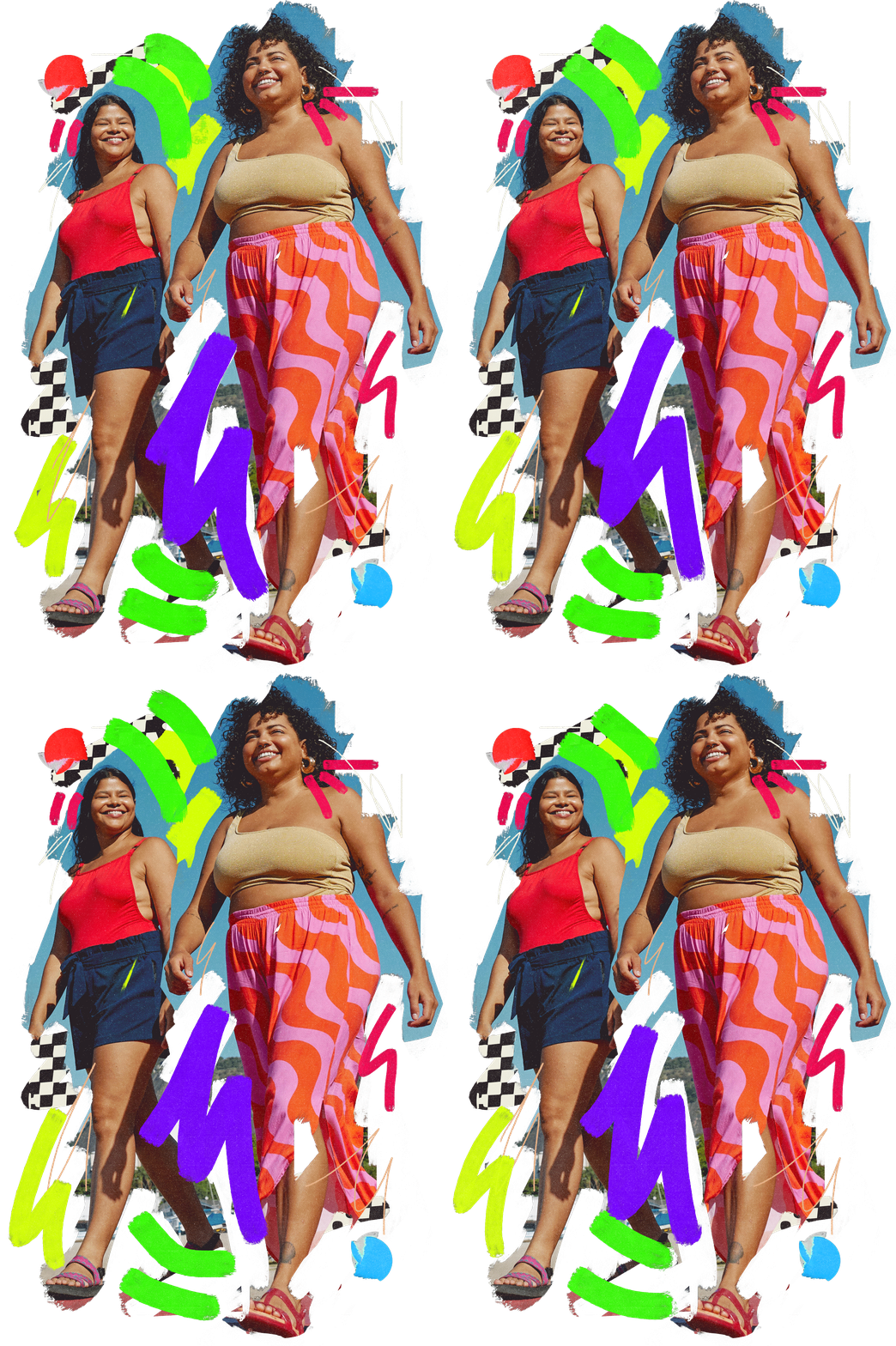
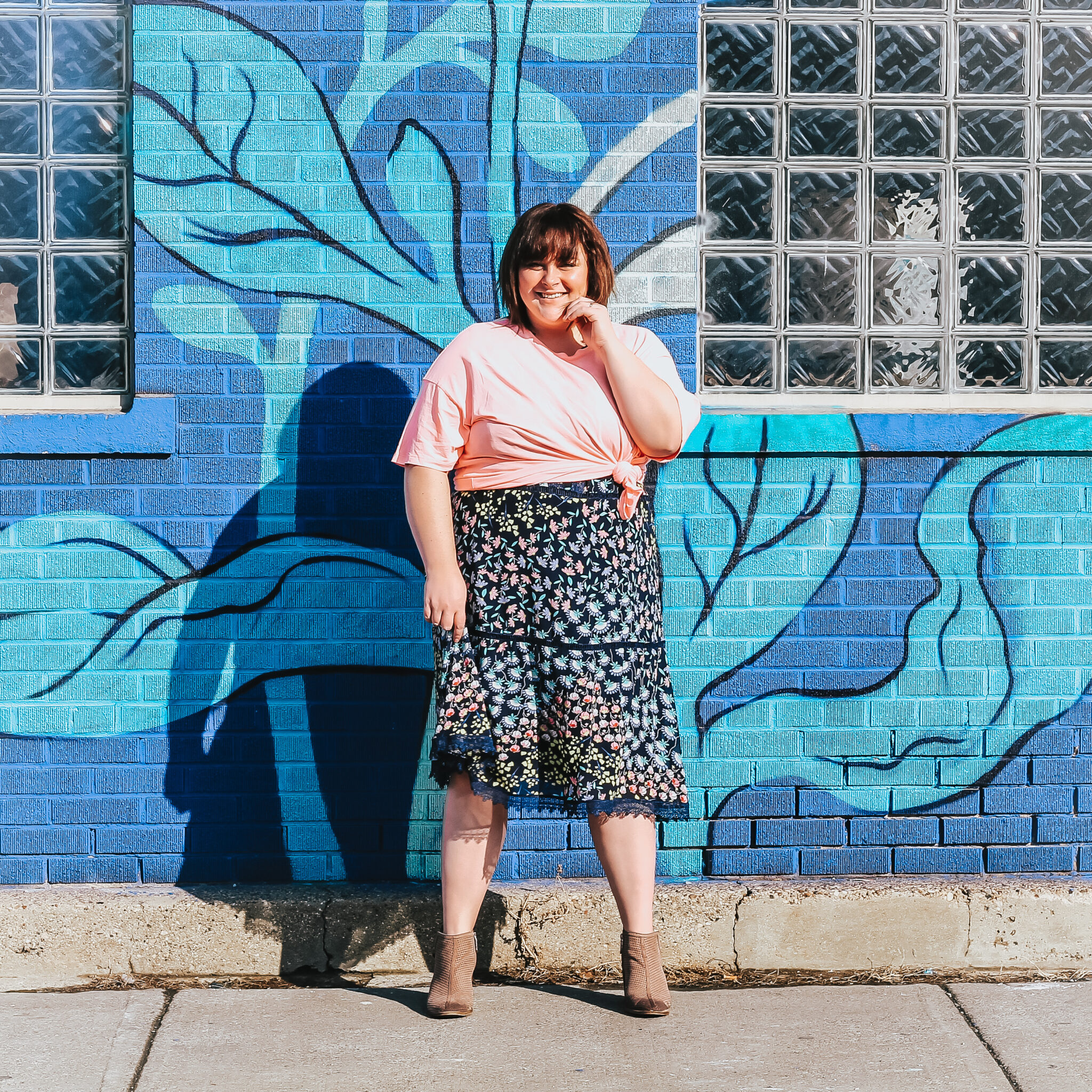
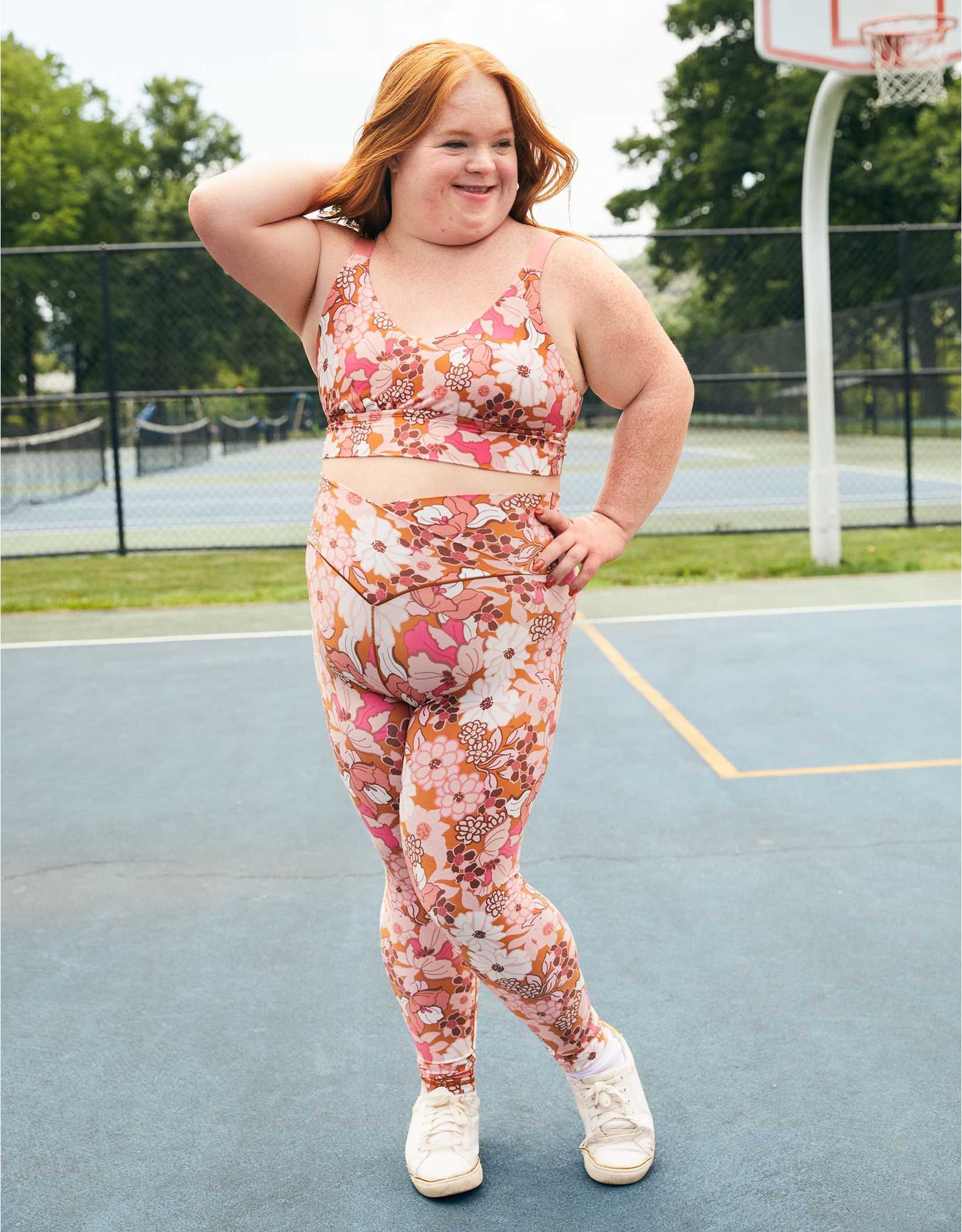
Inclusivity at Aerie functions across three primary pillars: visual representation, size range availability, and the philosophy of "real" self-presentation. By intentionally featuring models of various body types, skin tones, disabilities, and ages, the brand dismantled the monolithic aesthetic that defined lingerie marketing for decades. This approach requires consistent operational discipline, as every marketing asset—from e-commerce photography to social media content—must adhere to the prohibition of digital body manipulation, ensuring that the visual promise of inclusivity matches the physical product delivered to the consumer.
Expanding Size Ranges and Accessibility
A critical component of Aerie's approach is the technical expansion of size ranges. While many fashion retailers offer extended sizes through "specialty" sections, Aerie integrated inclusive sizing directly into its primary product lines. This removes the "othering" of shoppers who require non-standard sizes, allowing a seamless shopping experience for customers across a broad spectrum of measurements.
The brand's size inclusivity typically ranges from XXS to XXL, with many styles offering extended sizing, including diverse cup and band configurations for bras. Achieving this at scale requires significant supply chain and inventory management precision. Expanding the size curve increases the complexity of production, as manufacturers must maintain consistent fit standards across an exponentially larger number of SKUs. For the consumer, this translates to a higher probability of finding well-fitting garments that align with the brand’s aesthetic, regardless of their specific body measurements.
Impact on Consumer Experience and Brand Loyalty
The shift toward inclusive marketing has had measurable effects on both consumer perception and brand performance. By rejecting the "aspirational" marketing model in favor of a "relatable" one, Aerie cultivated high levels of trust. This trust is built on the consistency of the message: when a customer sees a person who resembles them in a campaign, and then finds a product that fits them exactly as expected, the transactional relationship evolves into brand advocacy.
The psychological impact of this strategy should not be underestimated. By minimizing the "gap" between the consumer and the model, Aerie reduced the comparative stress often associated with shopping for intimate apparel. When a retailer acknowledges and celebrates diverse body types, the shopping environment changes from one of potential self-critique to one of empowerment. This environment is supported by professional staff training in physical retail stores, where the goal is to provide a supportive fitting experience that prioritizes the customer's comfort and personal preferences over high-pressure sales tactics.
Comparative Analysis: Traditional vs. Inclusive Retail Models
To understand the specific market positioning of Aerie, it is helpful to compare the inclusive retail framework against the traditional industry approach. The following table highlights the operational and philosophical differences between these models.
| Feature | Traditional Retail Model | Aerie Inclusive Model |
|---|---|---|
| Imagery | Digital retouching to optimize aesthetic | Unretouched imagery of diverse bodies |
| Size Availability | Often limited or segregated | Integrated into core inventory |
| Marketing Focus | Achieving an "ideal" look | Celebrating "real" self-presentation |
| Customer Interaction | Emphasis on trend-based conformity | Emphasis on comfort and personal fit |
| Brand Identity | Aspirational/Exclusive | Accessible/Representative |
Technical Implementation and Operational Requirements
Implementing a strategy of inclusivity requires more than just a change in marketing tone. It necessitates a deep integration across the entire corporate lifecycle of a product.
- Design and Pattern Making: Technical designers must ensure that patterns are graded correctly across a wider spectrum of sizes. This prevents common issues like poor cup support or inadequate band elasticity as sizes scale upward.
- Inclusive Photography Standards: Production teams must maintain strict oversight of all visual assets. This involves auditing photography workflows to ensure that lighting, posing, and post-production remain aligned with the commitment to non-retouched, authentic representation.
- Inclusive Talent Procurement: The brand must actively engage with diverse casting agencies to ensure representation extends beyond superficial markers to include people with visible disabilities, different gender expressions, and a diverse range of ethnic backgrounds.
- Staff Training: In-store associates are trained to provide guidance on sizing and fit in a way that is respectful and inclusive, ensuring the in-store experience matches the inclusive narrative promoted online.
Addressing Limitations and Future Considerations
While the "AerieREAL" philosophy has set a high bar for the industry, inclusivity is an iterative process. Critics and consumer advocates often note that "inclusive" is a broad term that can always be expanded. For example, as demographics shift and awareness regarding gender identity, chronic illness, and age-related body changes grows, the brand faces the ongoing challenge of remaining truly representative of its entire customer base.
One of the primary challenges for any retailer in this space is balancing inclusive sizing with inventory efficiency. The more sizes offered, the more complex the logistics of distribution and in-store stock management become. Efficiently managing these variables without compromising the customer experience is a constant operational balancing act. Furthermore, the brand must ensure that its pricing structures remain accessible while accounting for the higher overhead costs associated with producing a greater variety of size configurations.
Frequently Asked Questions
What does the "unretouched" policy at Aerie entail?
The policy means that imagery used in marketing, social media, and on the website is published without digital manipulation intended to alter a model’s body shape, skin texture, or physical proportions. The goal is to present human beings as they naturally appear.
How does Aerie determine its size ranges?
Aerie uses internal research, market demand, and feedback from its customer base to determine its size curves. The brand aims to provide a consistent fit across its collections, ensuring that individuals who wear sizes like XXL or specific bra cup/band combinations find the same variety and quality as those in standard sizes.
Can I find the same inclusive styles in-store as I can online?
Generally, yes, though physical retail footprints have size limitations. While major flagship locations often carry the full spectrum of available sizes, smaller stores may have limited inventory on-site. Customers can typically order specific sizes online with in-store pickup options to ensure availability.
How does Aerie handle the professional training of its staff regarding inclusivity?
Store associates are trained to prioritize the customer’s comfort and confidence. This involves teaching staff to use neutral, supportive language during fitting sessions and to focus on the technical aspects of fit—such as bra support or fabric breathability—rather than aesthetic standards.
Is Aerie's inclusivity strategy limited to body shape?
No. The brand’s definition of inclusivity has evolved to include representation of people with disabilities, different ethnicities, various gender expressions, and diverse age groups, aiming to reflect the reality of its global consumer base.
Next Steps for Consumers Seeking Inclusive Apparel
If you are looking to verify if a brand meets your personal standards for inclusivity, start by examining their "About" or "Values" pages for specific, measurable commitments rather than vague marketing language. Look for evidence of diverse representation in their lookbooks and check their size charts for clear, transparent grading. If a brand offers a range of sizes, review consumer feedback specifically related to fit consistency across the entire size spectrum. If you require specific support, such as mastectomy-friendly bras or adaptive clothing, check the retailer’s specialized collections to see if they utilize professional consultants or medical guidance in their design process.