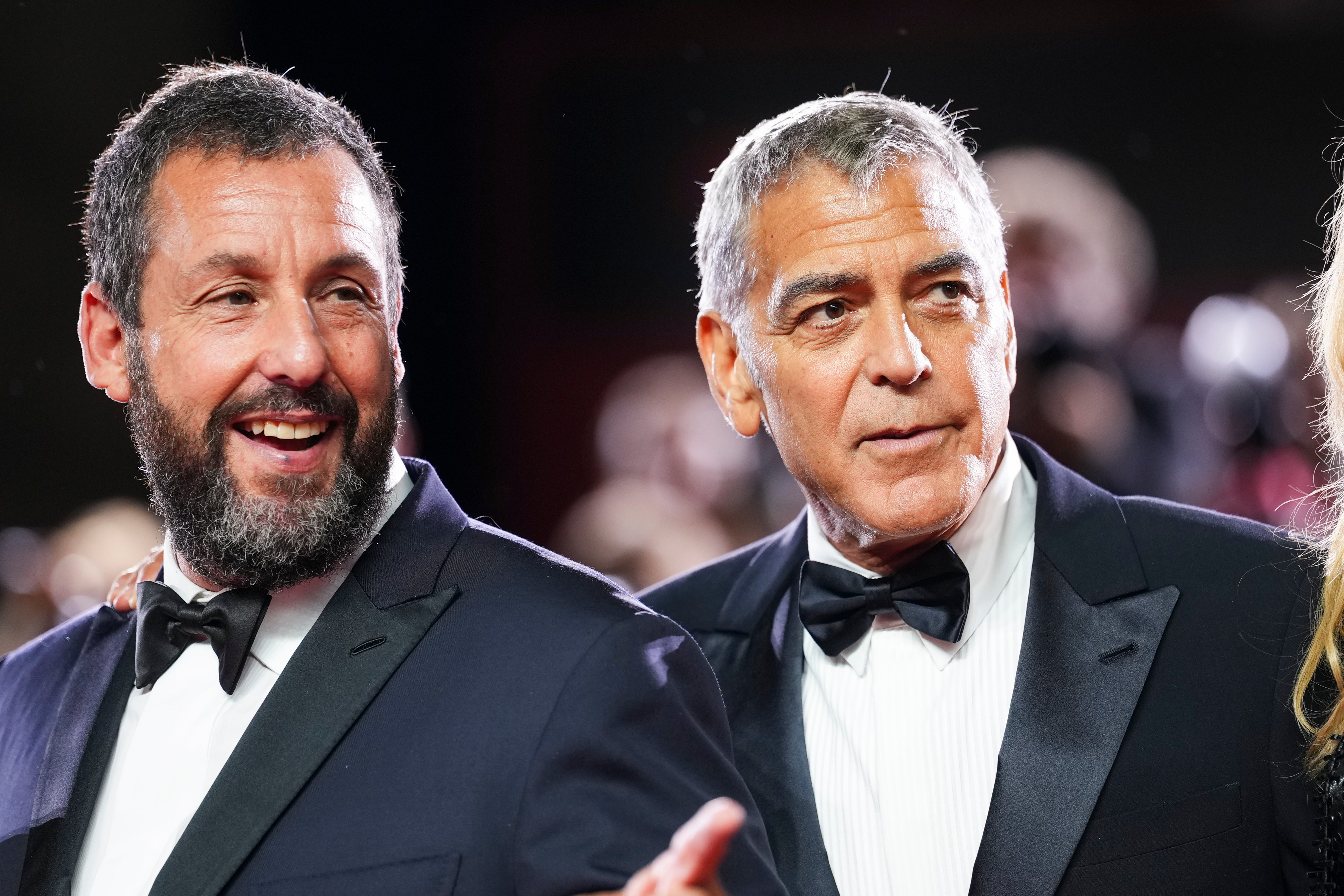
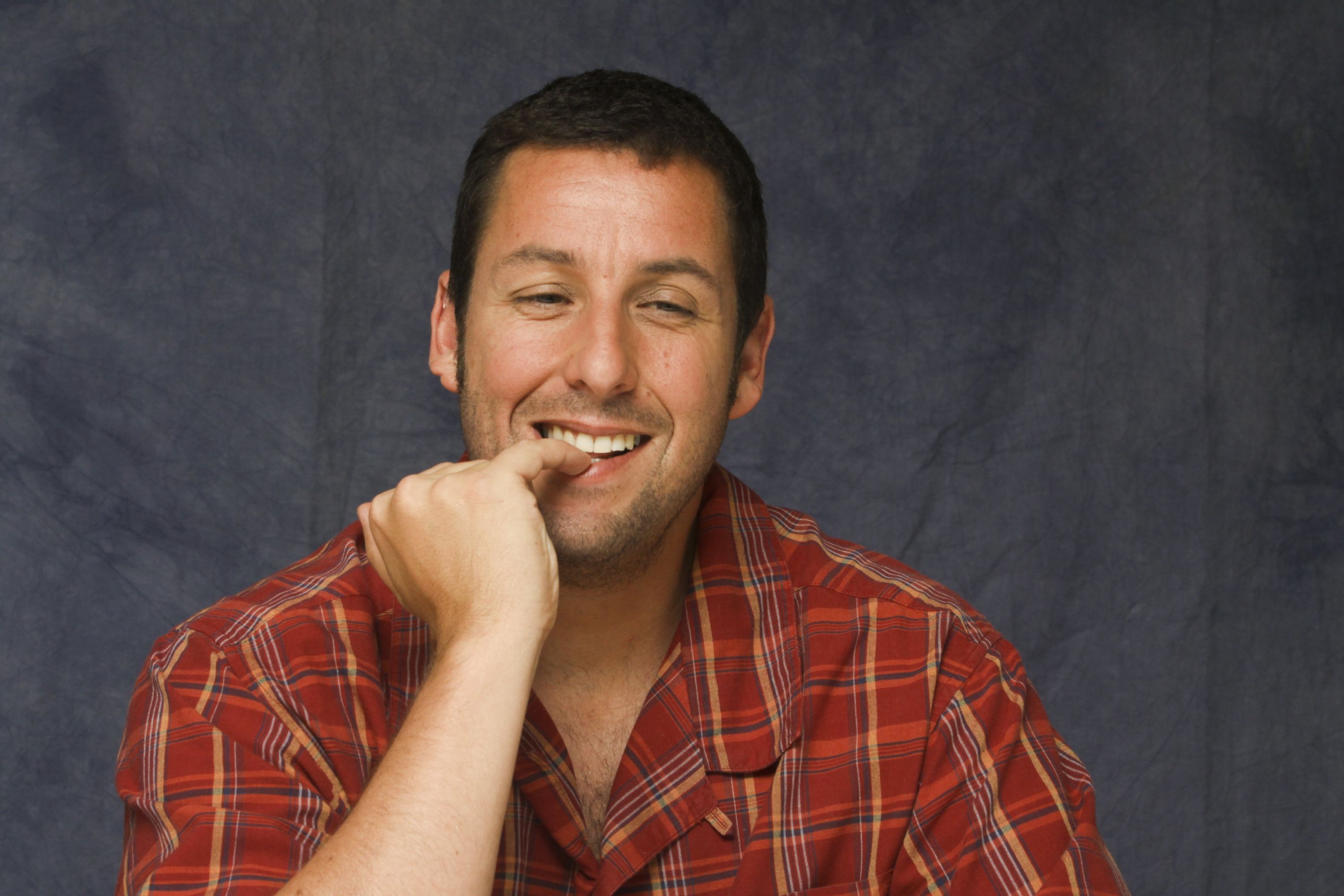
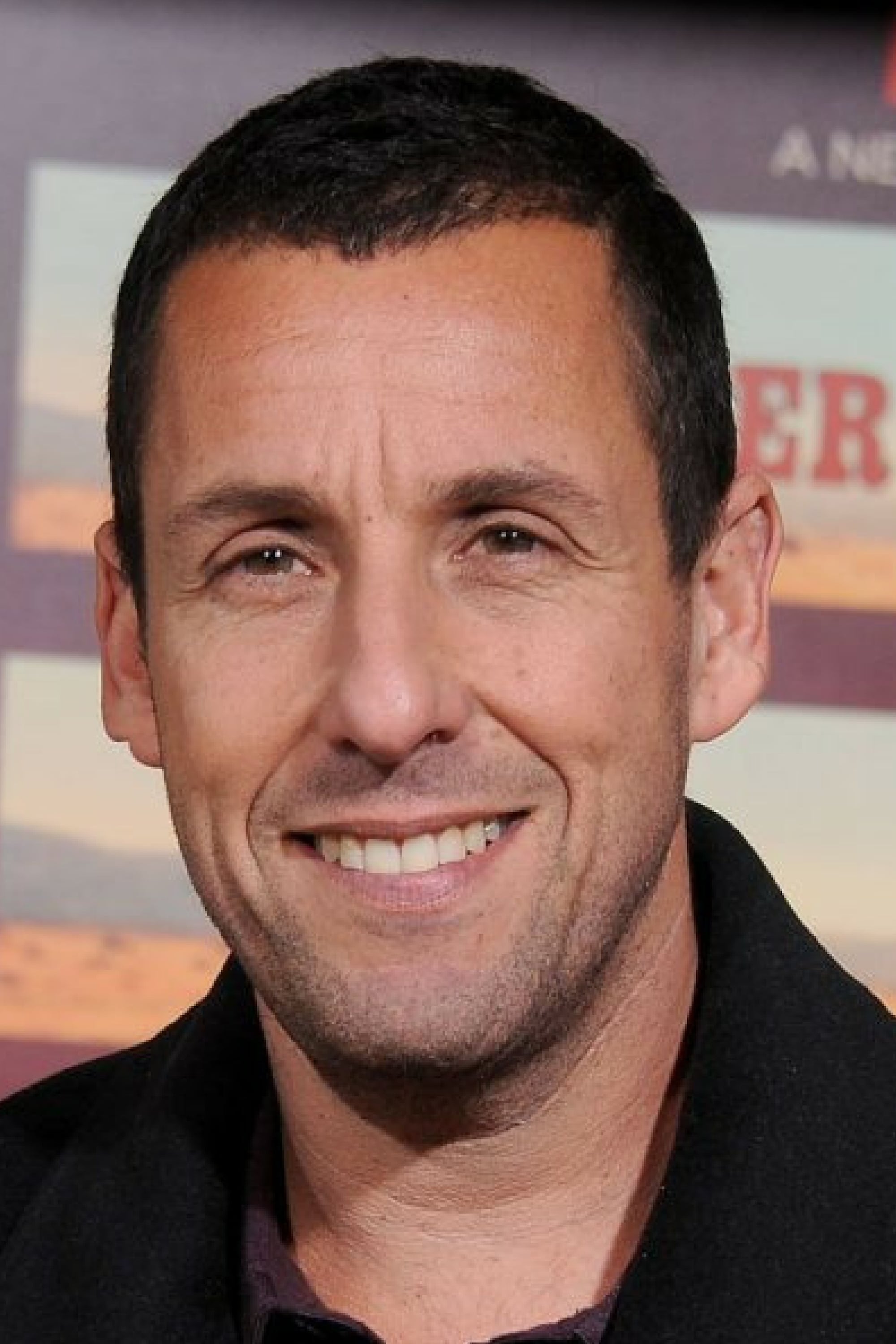
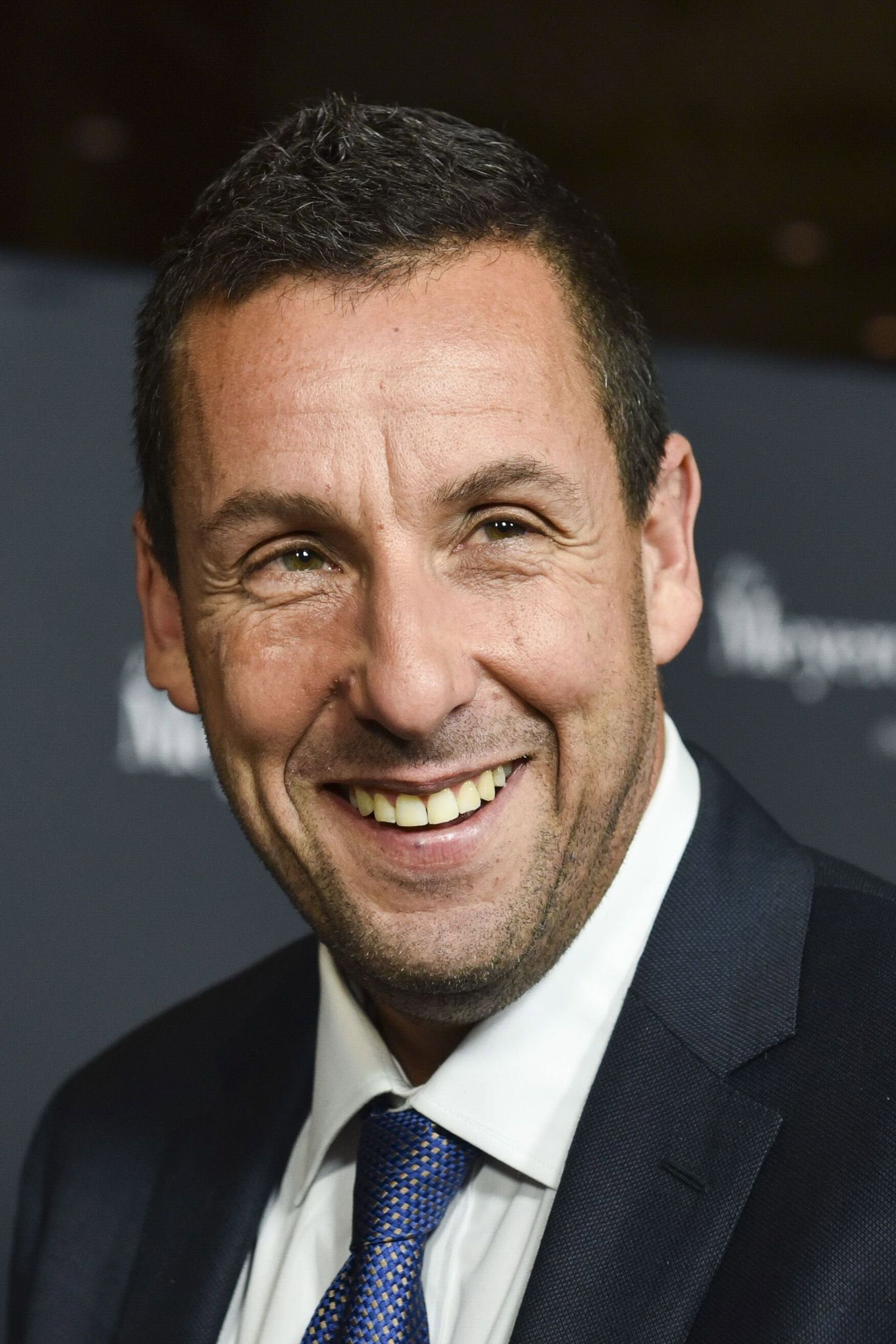
Adam Sandler is a multifaceted American actor, comedian, and producer whose career spans from Saturday Night Live to a record-breaking production empire with Netflix. Known for blending lowbrow humor with surprising dramatic depth, his persona centers on a relatable "everyman" aesthetic that has secured his status as one of Hollywood’s most enduring icons.
As of 2026, Sandler remains a dominant force in the global streaming landscape, having successfully transitioned from a 1990s box-office juggernaut to a digital-era mogul. His career trajectory provides a unique case study in brand loyalty, creative independence, and the evolution of the modern comedy star.
The SNL Foundation and the Rise of the "Man-Child" Archetype
Adam Sandler’s professional journey began in the late 1980s, but his cultural ascent truly started when he joined the cast of Saturday Night Live (SNL) in 1990. During his tenure, Sandler specialized in high-energy, absurdist characters and musical comedy. Bits like "Opera Man" and "The Thanksgiving Song" showcased a specific brand of vulnerability mixed with juvenile aggression—a combination that would become his trademark.
When Sandler was fired from SNL in 1995, it became a pivotal moment rather than a career setback. He immediately pivoted to film, starring in Billy Madison (1995) and Happy Gilmore (1996). These films established the "man-child" archetype: a protagonist who is socially stunted and prone to explosive temper tantrums but possesses a heart of gold. This formula resonated deeply with a generation of young viewers, creating a cult following that translated into massive commercial success.
The technical brilliance of Sandler’s early work lies in its pacing and the use of physical comedy. While critics often dismissed these films as crude, they displayed a sophisticated understanding of the "slapstick" tradition, modernized for the Gen X and Millennial audience. By the late 90s, with hits like The Wedding Singer and The Waterboy, Sandler proved he could lead a romantic comedy and a sports underdog story with equal efficacy.
Happy Madison Productions and the Business of Loyalty
One of the most significant developments in Sandler’s career was the founding of Happy Madison Productions in 1999. Named after his two early hits, the company gave Sandler nearly total creative control over his projects. This move shifted him from being an actor-for-hire to a powerful producer who could dictate his own schedule, filming locations, and casting choices.
A defining characteristic of the Happy Madison era is the frequent casting of Sandler’s real-life friends. Actors like Rob Schneider, David Spade, Chris Rock, Kevin James, and Steve Buscemi appear regularly across his filmography. This "revolving door" of collaborators has created a sense of familiarity for the audience, often referred to as the "Sandlerverse."
From a business perspective, Happy Madison became a model of efficiency. By producing mid-budget comedies that appealed to a reliable demographic, Sandler ensured consistent returns. This era saw the release of Big Daddy, Mr. Deeds, and 50 First Dates, which solidified his status as a "bankable" lead. However, it also led to a period of critical decline, as later films like Jack and Jill and Pixels were panned for being formulaic. Despite the reviews, these films remained profitable, proving that the Sandler brand was resilient to critical reception.
The Dramatic Pivot: Unmasking the "Simmering Rage"
While Sandler is primarily known for comedy, his sporadic forays into dramatic acting have consistently stunned audiences and critics alike. The "Sandler Drama" is a specific sub-genre that leverages his comedic persona—specifically the "simmering rage" hidden beneath his characters—to explore more complex psychological themes.
The first major breakthrough in this regard was Paul Thomas Anderson’s Punch-Drunk Love (2002). Anderson recognized that the anger Sandler used for laughs in Happy Gilmore could be recontextualized as a symptom of social anxiety and repressed trauma. Sandler’s performance earned him a Golden Globe nomination and established his "prestige" credentials.
Since then, Sandler has selectively chosen dramatic roles that challenge his public image:
- The Meyerowitz Stories (2017): Directed by Noah Baumbach, this film showcased Sandler’s ability to handle intricate, dialogue-heavy family dynamics.
- Uncut Gems (2019): Directed by the Safdie Brothers, this high-octane thriller featured Sandler as Howard Ratner, a gambling addict in New York’s Diamond District. Many viewed his snub at the Academy Awards as one of the year’s major oversights.
- Hustle (2022): A basketball drama that allowed Sandler to combine his real-life passion for the sport with a grounded, weary performance as a scout.
These roles have created a dual-track career. As of 2026, Sandler is viewed as both a reliable source of "comfort food" comedy and a heavyweight dramatic talent capable of carrying awards-season contenders.
The Netflix Era: A Digital Renaissance
In 2014, Adam Sandler made headlines by signing a multi-movie deal with Netflix, a move that was initially met with skepticism by the traditional film industry. At the time, streaming was still seen as secondary to theatrical releases. However, Sandler’s intuition proved correct. His films, such as The Ridiculous 6, Murder Mystery, and Hubie Halloween, became some of the most-watched titles in Netflix history.
The Netflix partnership solved the "critic problem" for Sandler. In a streaming environment, the barrier to entry is lower; viewers are more likely to watch a lighthearted comedy from the comfort of home than to pay for a cinema ticket. This deal was renewed multiple times, including a significant extension in 2020.
By 2026, the Sandler-Netflix relationship has become the blueprint for how established movie stars can thrive in the digital age. It allows him to produce a variety of content—ranging from animated hits like Leo to star-studded ensemble comedies—while maintaining a global reach that traditional studios struggle to match.
Analyzing the "Everyman" Public Persona
Central to Adam Sandler’s longevity is his public persona. Unlike many Hollywood A-listers who cultivate an aura of untouchable glamour, Sandler is famously unpretentious. He is frequently photographed in "pavement-style" fashion: oversized basketball shorts, hoodies, and sneakers. This "Adam Sandler Style" has ironically become a fashion trend in itself, particularly among younger generations who value authenticity over artifice.
This persona extends to his public interactions. Sandler is often described as one of the "nicest guys in Hollywood," a reputation built on his loyalty to his SNL roots and his lack of interest in the typical celebrity "scene." He presents himself as a family man who happens to have a very successful job making movies with his friends.
This relatability acts as a shield against the shifting tides of fame. Because his brand is built on being "one of us," he avoids the backlash often directed at more pretentious celebrities. Whether he is playing a man-child, a jewelry dealer, or a basketball scout, the audience feels they are watching a version of a guy they might know.
Key Work Comparison: Eras of Adam Sandler
| Era | Notable Titles | Primary Genre | Critical Reception | Cultural Impact |
|---|---|---|---|---|
| The SNL/Breakout (1990-1998) | Billy Madison, Happy Gilmore, The Wedding Singer | Absurdist Comedy | Mixed to Positive | Created the "Sandler Archetype" |
| Happy Madison Prime (1999-2010) | Big Daddy, 50 First Dates, Click | Commercial Comedy | Mixed | Established him as a Box Office Titan |
| The Experimental/Mixed (2011-2014) | Jack and Jill, That's My Boy, Blended | Slapstick | Generally Negative | Shifted focus toward international markets |
| The Netflix & Prestige (2015-2026) | Uncut Gems, Murder Mystery, Hustle, Leo | Mixed (Streaming/Drama) | High (Drama) / High (Views) | Redefined the "Streaming Star" model |
Frequently Asked Questions
Why is Adam Sandler so successful despite bad reviews for some of his movies?
Sandler’s success is driven by "brand consistency" and audience loyalty. While critics may find his comedies formulaic, his target demographic views them as reliable entertainment. He focuses on "comfort comedy"—films that are easy to watch, family-oriented (mostly), and feature familiar faces. His business model prioritizes high viewership and return on investment over critical acclaim.
Does Adam Sandler actually do his own stunts or play basketball?
Sandler is an avid basketball player in real life and often incorporates the sport into his films. While he uses stunt doubles for dangerous sequences, many of the scenes showing his basketball skills are authentic. His deep knowledge of the sport was a primary reason for the critical success of Hustle.
How many movies has Adam Sandler made with Netflix?
Since the initial 2014 deal, Sandler has produced and starred in over a dozen films for the platform. This includes original comedies, stand-up specials (100% Fresh), and animated features. The partnership has been so successful that it is frequently cited by Netflix executives as a cornerstone of their content strategy.
Is Adam Sandler considered a serious actor now?
Yes, the industry consensus has shifted significantly. Following his performances in Punch-Drunk Love, Uncut Gems, and Hustle, Sandler is now respected as a performer with immense range. He is one of the few actors who can successfully navigate the space between "low-brow" comedy and "prestige" drama.
Why does he always cast the same friends in his movies?
Sandler values loyalty and a positive working environment. By hiring his friends (the "Happy Madison crew"), he ensures a collaborative and fun atmosphere on set. This approach also allows him to provide steady work for his peers, many of whom have become staples of the Sandler brand.
Next Steps: Exploring the "Sandlerverse"
To fully appreciate the breadth of Adam Sandler’s career, viewers should look beyond his most famous comedies. A comprehensive "watch list" should include his early SNL highlights to understand his comedic roots, followed by a viewing of Happy Gilmore for his classic slapstick era.
For those interested in his technical range, Uncut Gems is essential viewing to see how he handles high-tension drama, while Hustle offers a more nuanced, grounded performance. By comparing these works, one can see the evolution of an artist who has mastered the art of being both a commercial powerhouse and a respected craftsman. As we move through 2026, Sandler continues to prove that in the world of entertainment, authenticity and a strong work ethic are the ultimate keys to longevity.