Adam Goldstein, universally known as DJ AM, was a foundational figure in modern DJ culture who bridged the gap between turntablism and mainstream production. As a platinum-selling producer and the architect of the "open format" style, he revolutionized Las Vegas residencies and live electronic performances before his untimely passing in 2009.
The Architect of Open Format DJing
To understand the impact of Adam Goldstein, one must first grasp the concept of open format DJing, a style he essentially perfected. Before Goldstein’s rise to prominence in the early 2000s, club DJs were typically siloed into specific genres—house, hip-hop, or techno. Goldstein challenged this rigidity by seamlessly blending disparate genres, such as 80s rock, classic hip-hop, heavy metal, and contemporary pop, often within the same transition.
His technical proficiency was not merely about selection; it was about the execution of "mashups" in real-time. Goldstein utilized his deep knowledge of BPM (beats per minute) and musical keys to find commonalities between tracks that seemed incompatible on paper. For instance, a signature DJ AM set might transition from a Depeche Mode synth-pop anthem into a Jay-Z verse, bridged by a scratching routine that showcased his roots in traditional hip-hop turntablism. This versatility made him the most sought-after DJ for high-profile events, eventually leading to the massive six-figure-per-night residencies that define the Las Vegas strip today.
In 2026, his influence remains visible in every DJ who refuses to be restricted by a single genre. The fluidity seen in modern festival sets and the curation of mainstream radio mixes owe a direct debt to Goldstein’s willingness to experiment with the "wrong" records at the right time.
From Turntablist to Platinum-Selling Producer
While many remember him for his skill behind the decks, Adam Goldstein’s credentials as a platinum-selling producer are anchored in his pivotal role within the band Crazy Town. Goldstein was a founding member of the group, which blended rap and nu-metal, serving as the DJ and a key contributor to their sonic identity.
The band’s 1999 debut album, The Gift of Game, became a global phenomenon, fueled largely by the success of the single "Butterfly." This track, which heavily sampled the Red Hot Chili Peppers' "Pretty Little Ditty," showcased Goldstein’s ear for catchy, sample-based production. The album was certified double platinum by the RIAA, selling over two million copies in the United States alone. "Butterfly" reached number one on the Billboard Hot 100, cementing Goldstein’s status as a commercial powerhouse in the music industry.
His production work extended beyond Crazy Town. He was a frequent collaborator on remixes and original tracks for artists spanning several genres. His ability to understand what worked on the dance floor allowed him to produce music that translated perfectly from the studio to the club. Even as he shifted his focus back to solo DJing, his production background informed his meticulous editing of tracks—often creating custom "AM Edits" of popular songs to ensure they had the maximum impact during his live sets.
TRV$DJAM: Redefining the Live Performance
One of the most significant chapters in Goldstein’s career was his collaboration with Blink-182 drummer Travis Barker under the moniker TRV$DJAM. This duo was revolutionary because it merged the world of live instrumentation with digital DJing in a way that had never been successfully executed on a mainstream level.
In a TRV$DJAM set, Goldstein would manipulate tracks using Serato Scratch Live while Barker provided high-energy, live drum accompaniment. This was not a simple "drummer playing over a beat" scenario; it was a synchronized dialogue. Goldstein would scratch and cut the audio, and Barker would mimic the rhythms or provide a driving backbone that elevated the electronic samples into a visceral rock experience.
The duo became a staple at major award shows, including the 2008 MTV Video Music Awards, and headlined massive festivals. Their performances proved that a DJ could be a "live act" in the same vein as a rock band, paving the way for the elaborate stage productions of modern EDM superstars. The technical synchronization required for these shows was immense, as Barker had to play to Goldstein’s often unpredictable cuts and scratches, requiring an almost telepathic musical connection.
Technical Mastery and Equipment Evolution
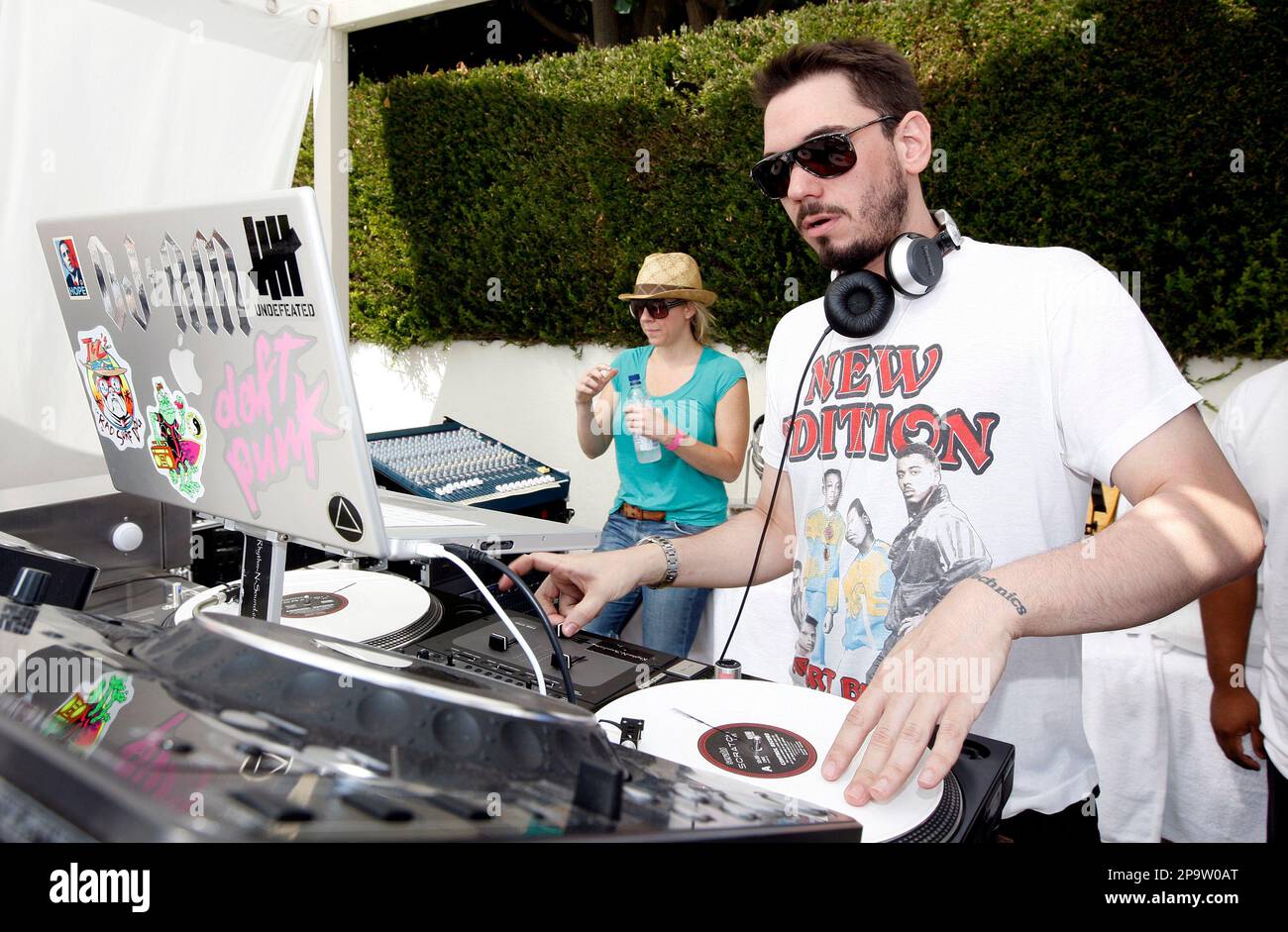
Adam Goldstein was a pioneer in the transition from traditional vinyl to digital vinyl systems (DVS). He was an early and influential adopter of Serato Scratch Live, a software that allowed DJs to manipulate digital music files using special time-coded vinyl records. His endorsement and high-level use of the platform helped legitimize digital DJing among purists who previously viewed anything other than "real vinyl" with skepticism.
His technical setup was a blend of old-school precision and new-age technology:
- Technics SL-1200 Turntables: The industry standard for decades, which Goldstein used for their torque and reliability during heavy scratching.
- Rane TTM 57SL Mixer: One of the first mixers to have built-in Serato controls, allowing him to navigate his library and trigger effects without touching his computer.
- Custom Samples and Edits: Goldstein spent thousands of hours in his studio preparing "battle records" and specific edits of songs that removed unnecessary intros or added extra percussion to facilitate his fast-paced mixing style.
His "scratching" was characterized by cleanliness and rhythm. He wasn't just making noise; he was adding a percussive layer to the music. His use of the "transformer" scratch and the "flare" were textbook examples of technical excellence, often used to transition between songs of wildly different tempos.
Legacy and Impact on the Music Industry
As we look at the landscape of the music industry in 2026, the "DJ as a Brand" phenomenon can be traced directly back to Adam Goldstein. He was one of the first DJs to transcend the booth and become a celebrity in his own right, appearing in films, television shows like Entourage, and even becoming a character in the video game DJ Hero.
The Las Vegas Residency Model
Before Goldstein, Vegas clubs were often secondary to the casinos. He helped turn the nightclub into the main attraction. His residency at Rain in the Palms Casino Resort and later at Caesars Palace set the blueprint for the residency deals seen today. He proved that a single DJ could draw thousands of people and generate millions in revenue, shifting the power dynamic in the nightlife industry.
Mentorship and the "AM" Style
Goldstein was known for his generosity with knowledge. He mentored dozens of upcoming DJs, teaching them not just how to mix, but how to read a room. The "AM Style"—characterized by high-energy transitions, unexpected song choices, and technical flair—is still taught and emulated in DJ schools globally. His influence ensures that the art of the "mix" remains a vital part of the club experience, rather than just pressing play on a pre-recorded set.
Historical Milestones and Discography
| Era / Project | Key Achievement | Industry Impact |
|---|---|---|
| Crazy Town (1999-2003) | The Gift of Game Album | Double Platinum certification; #1 single "Butterfly." |
| Open Format Pioneer | Residency at Rain (Las Vegas) | Established the modern celebrity DJ residency model. |
| TRV$DJAM (2008) | Performance at MTV VMAs | Merged live drumming with turntablism for a global audience. |
| Digital Innovation | Serato Scratch Live Adoption | Accelerated the global shift from vinyl to digital DJing. |
| Cultural Icon | DJ Hero Video Game | Featured as a playable character, bringing DJing to the masses. |
FAQ: Understanding the Career of DJ AM
What was DJ AM's real name and why was he famous?
His real name was Adam Michael Goldstein. He became famous for his exceptional skill as a DJ, his role in the platinum-selling band Crazy Town, and his ability to mix multiple genres of music seamlessly, a style known as "open format." He was also widely recognized as a fashion and sneaker icon, possessing one of the most extensive Nike Dunk and Air Jordan collections in the world.
How did DJ AM influence the music production scene?
As a producer, Goldstein showed how sampling could be used to create massive commercial hits. His work with Crazy Town on "Butterfly" is a masterclass in re-contextualizing a rock sample for a pop-rap audience. Beyond commercial hits, his production of "remixes" and "edits" changed how DJs prepared for their sets, emphasizing the importance of having unique versions of tracks to stand out from other performers.
What is "Open Format" DJing?
Open format DJing is a performance style where the DJ plays music across various genres and eras rather than sticking to a single style like House or Techno. Adam Goldstein is considered the king of this style because he could mix a 70s rock song into a 2000s hip-hop track without losing the energy of the dance floor. This requires immense musical knowledge and technical skill to manage different tempos and rhythms.
What happened to the TRV$DJAM project?
The project was a massive success but was tragically impacted by a plane crash in September 2008 in Columbia, South Carolina. Both Goldstein and Travis Barker were the only survivors of the crash, which claimed four lives. While they performed together a few more times afterward, the project ended following Goldstein’s death in August 2009. Their work remains a benchmark for live electronic-rock collaborations.
Is DJ AM's music still relevant in 2026?
Yes, his influence is more relevant than ever. Most top-tier club DJs today utilize the open format techniques he pioneered. Additionally, the "DJ AM Memorial Fund" and various documentaries, such as As I AM, continue to educate new generations about his contributions to music and his personal battle with addiction, making him a figure of both musical and social significance.
Preserving the Legacy of Adam Goldstein
For those looking to study the art of DJing or production, Adam Goldstein’s body of work serves as an essential curriculum. To truly appreciate his contribution, one should look beyond the celebrity status and focus on his recorded live sets, many of which are preserved in digital archives. These sets demonstrate a level of "active" DJing where the performer is constantly manipulating the sound, a stark contrast to the more passive "sync-button" sets often seen in contemporary venues.
In 2026, aspiring artists should focus on his philosophy of musical curiosity. Goldstein was never a snob about genres; he looked for the "soul" in every record, whether it was a heavy metal track or a bubblegum pop song. By studying his transitions and his production choices on The Gift of Game, modern producers can learn the value of technical precision and the importance of creating a unique sonic fingerprint. Keeping his legacy alive means pushing the boundaries of what a DJ can be—not just a background player, but a platinum-selling performer and a master of the craft.