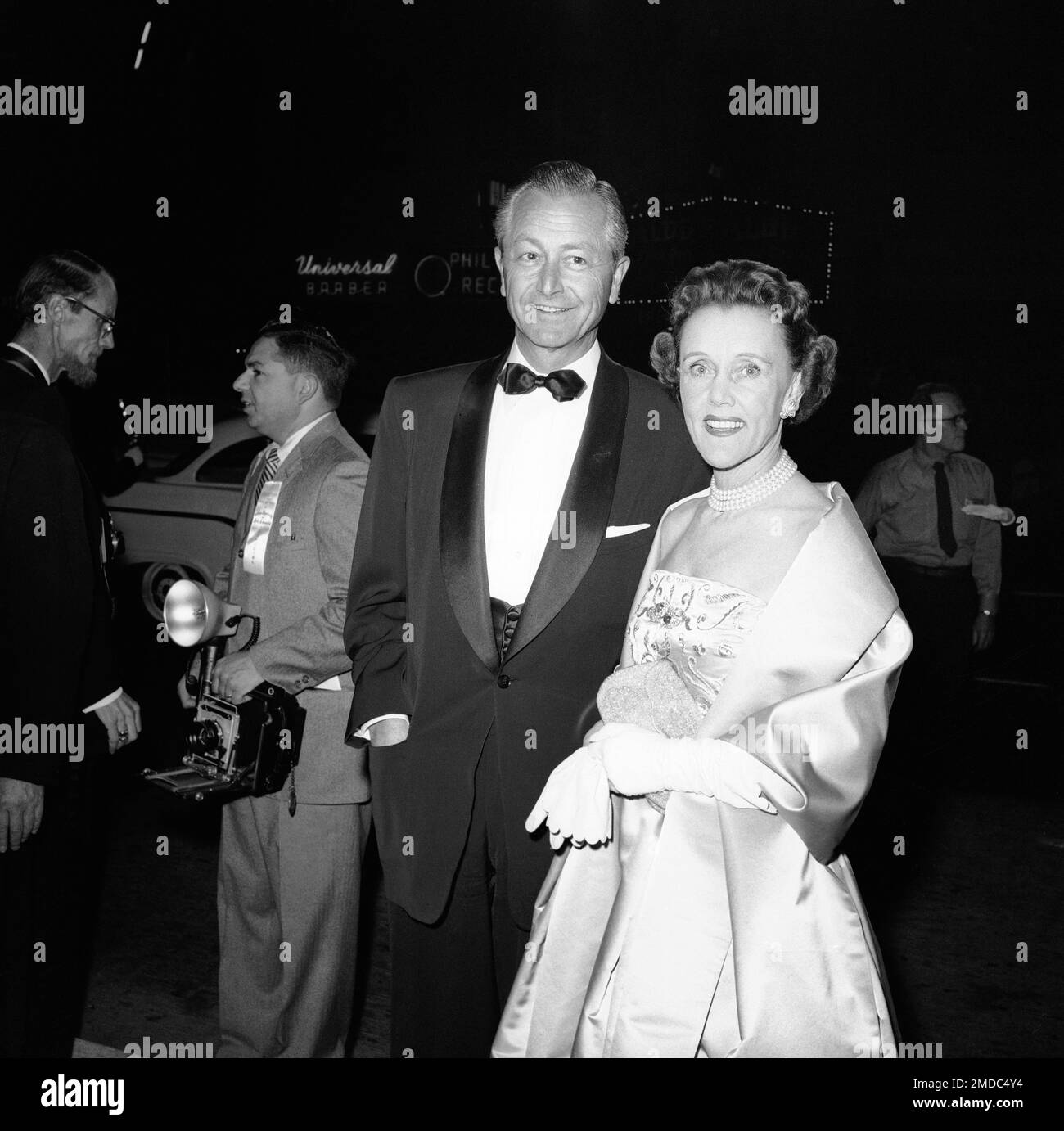
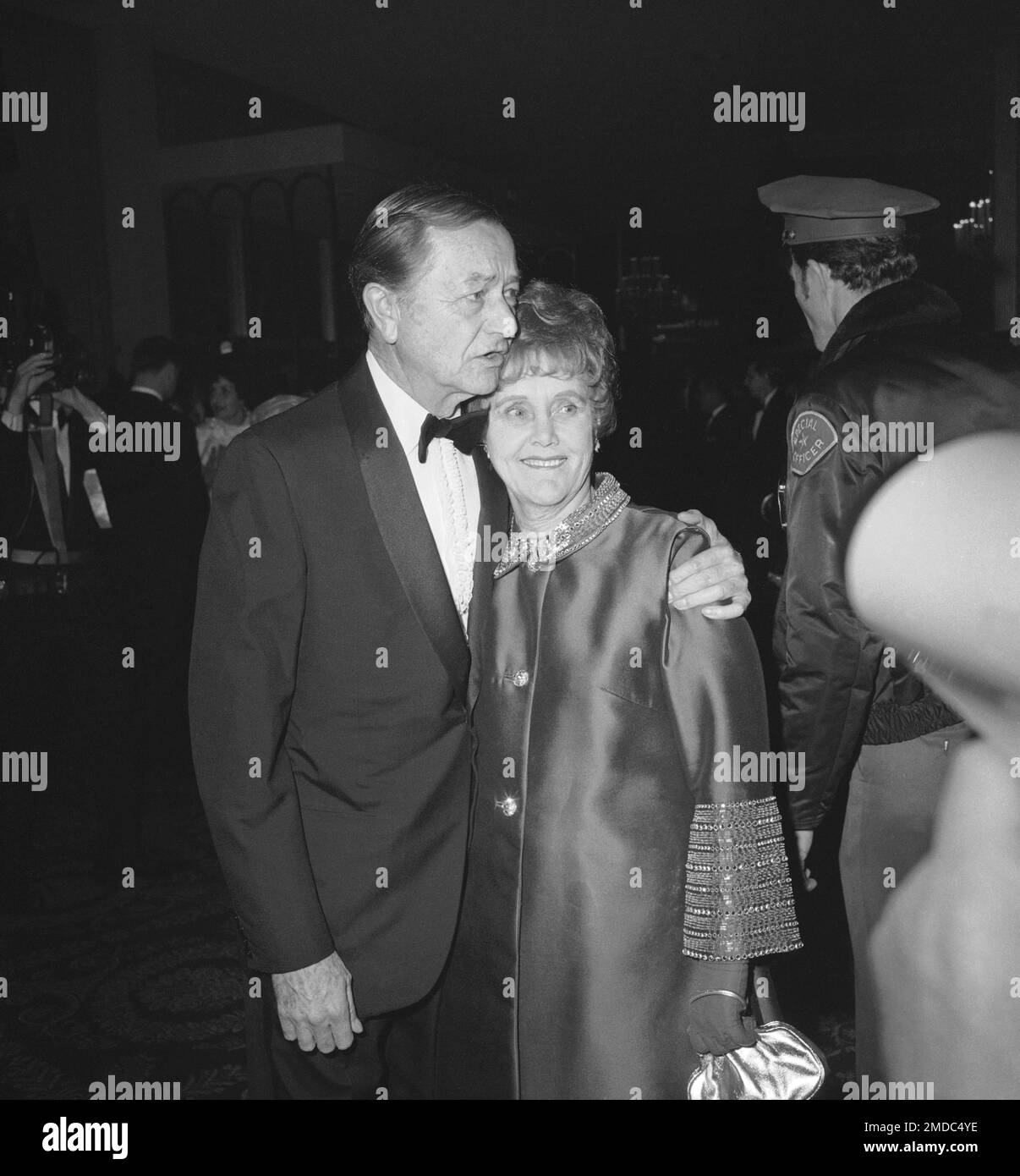
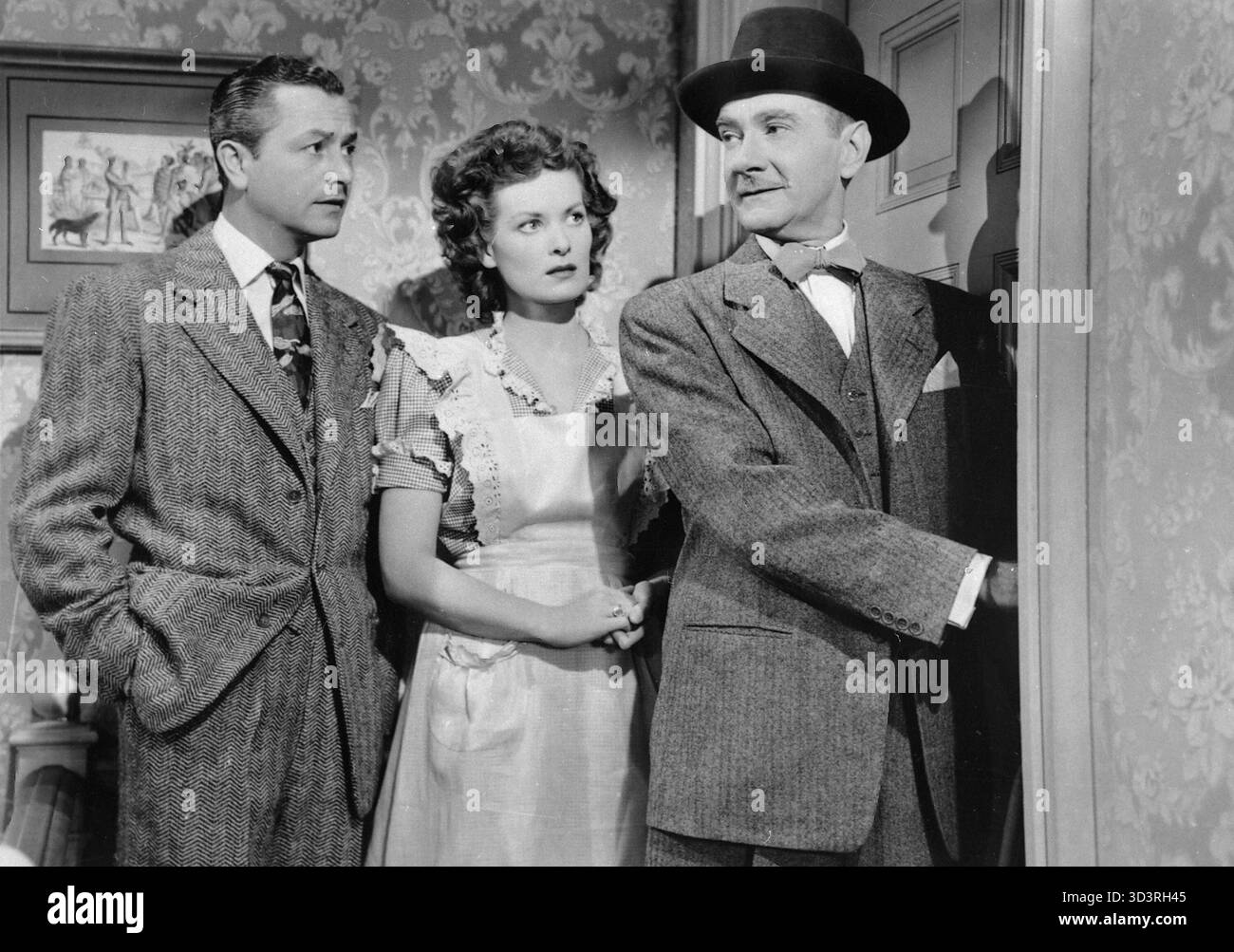
Robert Young was a prolific American actor whose career spanned over six decades, evolving from a versatile MGM contract player in the 1930s to the definitive face of American fatherhood and medical wisdom on television. He is best known for his iconic roles as Jim Anderson in Father Knows Best and the titular physician in Marcus Welby, M.D., winning three Primetime Emmy Awards and leaving an indelible mark on the landscape of 20th-century media.
The Early Years and the MGM "Workhorse" Era
Born Robert George Young on February 22, 1907, in Chicago, Illinois, Young moved with his family to Los Angeles at an early age. His journey into the performing arts began at Lincoln High School, followed by extensive training at the prestigious Pasadena Playhouse. It was here that he was discovered by a talent scout, leading to a contract with Metro-Goldwyn-Mayer (MGM) in 1931.
During the 1930s and 1940s, Young earned a reputation as one of the most reliable "workhorses" in Hollywood. While he was often cast as the charming, affable leading man or the "other man" in romantic comedies, he demonstrated significant range across nearly 100 feature films. Unlike many of his contemporaries who sought the spotlight of "superstardom," Young was content with steady, high-quality work.
His filmography from this period includes notable titles such as The Guilt of Janet Ames, H.M. Pulham, Esq., and Western Union. One of his most critically acclaimed performances came in the 1947 film noir Crossfire, where he played a weary but determined police captain investigating a murder motivated by anti-Semitism. This role showcased a grittier, more intellectual side of Young that the public rarely saw in his lighter MGM fare. Despite his success in film, Young felt the limitations of the studio system, which eventually led him to explore the burgeoning medium of television—a move that would redefine his career.
Defining the American Family: Father Knows Best
In 1949, Robert Young took the lead role in a radio program titled Father Knows Best. When the show transitioned to television in 1954, few could have predicted that it would become a foundational text of American domestic life. Young played Jim Anderson, an insurance salesman and the quintessential mid-century patriarch.
The character of Jim Anderson was revolutionary not because he was flawless, but because he was thoughtful. At a time when many TV fathers were portrayed as bumbling or distant, Young’s portrayal was rooted in empathy, patience, and moral guidance. The show initially struggled in the ratings and was actually canceled after its first season. However, a massive letter-writing campaign by fans forced the network to bring it back, eventually leading to a six-year run that cemented Young’s status as a household name.
Young’s performance earned him two Emmy Awards for Best Actor in a Comedy Series. However, the "perfection" of the Anderson family created a cultural weight that Young sometimes found difficult to carry. The show’s idealized version of 1950s suburbia became the benchmark against which real families measured themselves, a legacy that remains a subject of sociological study today.
The Second Act: Marcus Welby, M.D. and the Medical Drama
After a brief semi-retirement following Father Knows Best, Robert Young returned to television in 1969 for a role that would prove just as impactful as Jim Anderson. In Marcus Welby, M.D., Young portrayed an aging, compassionate family physician who often prioritized the psychological well-being of his patients over strictly clinical diagnoses.
The show was a massive success, becoming the first ABC program to rank as the number one show on television for an entire season. Young’s portrayal of Dr. Welby changed the public’s perception of the medical profession. He was the "ideal" doctor—someone who had the time to listen, visit homes, and involve himself in the complex lives of those he treated.
Through Marcus Welby, M.D., Young addressed then-taboo subjects such as depression, addiction, and terminal illness with a level of gravity that was rare for prime-time television. For this role, he won his third Emmy and a Golden Globe, proving that his appeal transcended generational shifts and that he could successfully transition from domestic comedy to heavy drama.
The Personal Paradox: Mental Health and Advocacy
Perhaps the most significant aspect of Robert Young’s legacy is the contrast between his "perfect" on-screen personas and his personal life. While he played men who had all the answers, Young privately battled severe clinical depression and alcoholism for much of his adult life.
In the 1970s and 1980s, Young took the courageous step of speaking openly about his mental health struggles. At the time, such admissions were rare for celebrities and carried a heavy social stigma. By sharing his journey of recovery and his experiences with psychiatric treatment, he became a pioneer in mental health advocacy.
He worked closely with organizations like the National Mental Health Association, using his "Marcus Welby" credibility to educate the public. He famously stated that his professional success did not insulate him from the biological and psychological realities of depression. This vulnerability added a profound layer of depth to his public image, transforming him from a mere entertainer into a relatable advocate for those suffering in silence.
Comparative Analysis of Robert Young’s Iconic Roles
The following table compares the two characters that defined Robert Young’s career, illustrating how he navigated different eras of television.
| Feature | Jim Anderson (Father Knows Best) | Marcus Welby (Marcus Welby, M.D.) |
|---|---|---|
| Primary Era | 1954–1960 | 1969–1976 |
| Network | CBS / NBC | ABC |
| Character Archetype | The Moral Patriarch | The Empathetic Healer |
| Key Themes | Family values, domestic ethics | Medical ethics, social issues |
| Emmy Awards | 2 Wins (Best Actor in a Comedy) | 1 Win (Best Actor in a Drama) |
| Cultural Impact | Defined the 1950s family ideal | Modernized the TV medical drama |
| Medium Origin | Adapted from Radio | Original Television Concept |
The Enduring Professional Legacy in 2026
As we look back from the vantage point of 2026, Robert Young’s influence is visible in the way modern television approaches character-driven storytelling. He was a pioneer of the "prestige" performance before the term existed, treating television with the same seriousness and craft as a feature film.
Young’s ability to maintain a 60-year career without the "scandal" culture of contemporary Hollywood is a testament to his professionalism. He remained married to his wife, Betty Henderson, for over 60 years until her death in 1994—a rarity in the industry. His legacy is one of consistency, transition, and late-career courage. He proved that an actor could reinvent themselves for different generations while maintaining a core identity of warmth and integrity.
Today, his work is studied by media historians not just for its entertainment value, but as a mirror to the changing American psyche—moving from the curated domesticity of the post-war era to the more complex, socially conscious landscape of the late 20th century.
How many Emmy Awards did Robert Young win?
Robert Young won a total of three Primetime Emmy Awards. His first two wins were for his role as Jim Anderson in Father Knows Best (1956 and 1957) in the category of Best Continuing Performance by an Actor in a Comedy Series. His third Emmy came in 1970 for his portrayal of the lead character in Marcus Welby, M.D., this time for Outstanding Continued Performance by an Actor in a Leading Role in a Dramatic Series.
Did Robert Young really have a problem with alcoholism?
Yes, Robert Young was open about his long-term struggle with alcoholism and depression. Despite his "perfect father" image on television, he dealt with these issues for several decades. In his later years, he became a vocal advocate for mental health awareness, helping to diminish the stigma surrounding addiction and psychiatric care by sharing his personal experiences and his path to sobriety.
Was Robert Young a trained actor before Hollywood?
Robert Young was highly trained before his film career began. He spent significant time at the Pasadena Playhouse, a renowned California performing arts venue and school. His training there provided him with the technical range required to transition from light comedy to heavy drama, a skill set that allowed him to sustain a career for over sixty years.
What happened to Robert Young after Marcus Welby, M.D. ended?
Following the conclusion of Marcus Welby, M.D. in 1976, Young appeared in several television movies, including "reunion" specials for both Father Knows Best and Marcus Welby. He also became a well-known spokesperson for Sanka coffee in a series of popular commercials. He largely retired from the screen in the late 1980s and passed away from natural causes on July 21, 1998, at the age of 91.
Viewing Recommendations for Robert Young’s Work
To fully appreciate the breadth of Robert Young’s talent, viewers should look beyond his famous television roles. While Father Knows Best remains essential for understanding mid-century media, his film work provides a different perspective on his capabilities.
- For Drama: Watch Crossfire (1947). It reveals a sharp, cynical, and authoritative side of Young that contrasts beautifully with his later "kindly" roles.
- For Romance: Look for The Enchanted Cottage (1945), a poignant film where Young plays a disfigured war veteran who finds love and beauty in an unexpected place.
- For Television History: View the Marcus Welby, M.D. pilot movie. It serves as a masterclass in how to establish a character’s moral compass and authoritative presence in a single episode.
By exploring these works, one gains a complete picture of an actor who was not merely a "TV dad," but a sophisticated performer who understood the nuances of the human condition and used his platform to improve the cultural conversation around health and family.