Accepting your death involves shifting your perspective from avoidance to active awareness, recognizing that life’s finitude is what gives it value. By embracing mortality, you reduce existential anxiety, prioritize authentic goals over social expectations, and cultivate a deeper sense of gratitude for the present, effectively turning the reality of the end into a catalyst for a more purposeful life.
The Psychology of Death Awareness and Terror Management Theory
Understanding why humans fear death is the first step toward accepting it. In 2026, psychological research continues to build upon Terror Management Theory (TMT), a framework originally proposed in the late 20th century. TMT suggests that most human behavior is driven by an unconscious fear of annihilation. To cope with this, individuals create "cultural anxiety buffers"—such as religion, national identity, or career achievements—that provide a sense of symbolic immortality.
When we live in denial of death, these buffers often become rigid. We may become overly defensive of our worldviews or obsessed with accumulating material wealth to "prove" our worth. However, when mortality salience (the awareness that death is inevitable) is approached mindfully rather than suppressed, it can lead to "proactive growth." Instead of paralysis, the individual experiences a shift in motivation. You move from "extrinsic" goals, like fame or status, to "intrinsic" goals, such as personal growth, community contribution, and deep relationships.
Accepting death requires a neurological recalibration. The brain is biologically wired for survival, meaning the amygdala often treats the thought of death as an immediate physical threat. By gradually exposing yourself to the concept of mortality through philosophical study and meditation, you can transition the thought of death from the "threat" centers of the brain to the "reflective" centers of the prefrontal cortex.
Philosophical Frameworks for Embracing Mortality
Throughout history, various schools of thought have provided blueprints for integrating death into a well-lived life. These frameworks offer more than just comfort; they provide practical exercises to ensure that the awareness of death remains a constructive force.
Stoicism and Memento Mori
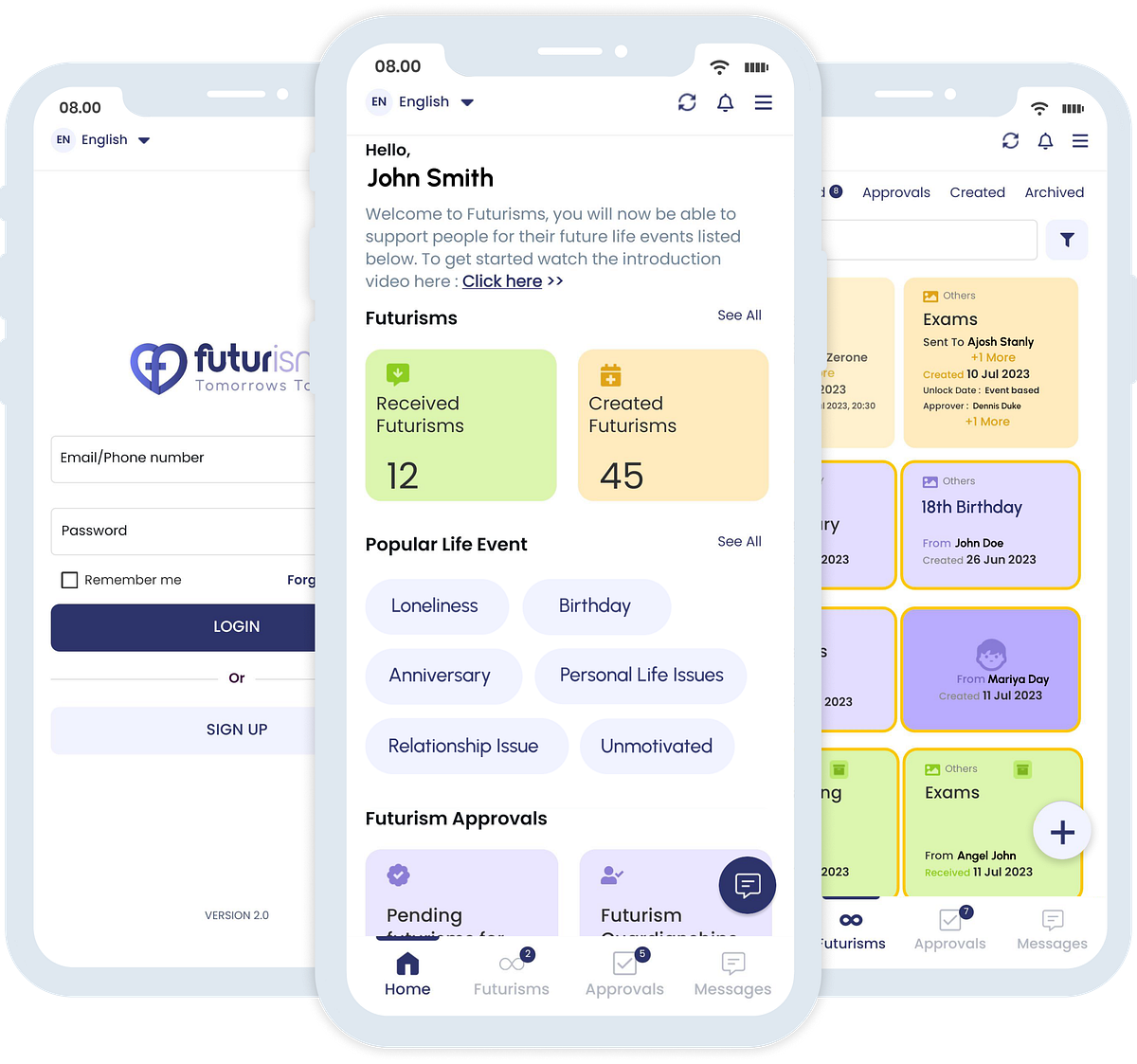
The Stoics were famous for the practice of Memento Mori, a Latin phrase meaning "Remember that you must die." For thinkers like Marcus Aurelius and Seneca, this wasn't a morbid obsession but a tool for clarity. If you might leave life right now, how does that change your current action? In 2026, this practice is often integrated into digital productivity tools and mindfulness apps, reminding users that their time is a non-renewable resource. It strips away trivial concerns, helping you ignore minor insults or temporary setbacks in favor of virtuous action.
Existentialism: Being-Towards-Death
Martin Heidegger introduced the concept of Sein-zum-Tode (Being-towards-death). He argued that most people live in "inauthenticity," following the crowd because they ignore their own finitude. By "owning" your death—recognizing it as the one thing no one else can do for you—you gain the freedom to choose your own path. Existentialism teaches that death is the "boundary" that gives life its shape. Without an end, time would be infinite and therefore meaningless; choices would have no weight because you could always do the opposite later.
Buddhism and the Five Remembrances
Eastern traditions, particularly Buddhism, utilize death meditation (Maranasati) to cultivate equanimity. The "Five Remembrances" are a daily recitation intended to ground the practitioner in reality:
- I am of the nature to grow old.
- I am of the nature to have ill health.
- I am of the nature to die.
- All that is dear to me and everyone I love are of the nature to change.
- My actions are my only true belongings.
By regularly acknowledging these facts, the shock of change and loss is mitigated, allowing for a more stable and compassionate engagement with the world.
The Practical Benefits of Death Acceptance
Embracing mortality is not merely an intellectual exercise; it produces measurable changes in how an individual functions daily. When the "taboo" of death is removed, several life-enhancing shifts occur:
- Radical Prioritization: You stop spending time on activities that do not align with your core values. This often leads to career changes, the setting of firmer boundaries, and a reduction in "people-pleasing" behavior.
- Enhanced Gratitude: Sensory experiences—the taste of food, the feeling of sunlight, the sound of a loved one's voice—become more vivid when you realize they are temporary. This is often referred to as the "scarcity principle" of economics applied to human consciousness.
- Reduced Anxiety: Paradoxically, facing the greatest fear (death) often diminishes lesser fears (social rejection, financial fluctuation, or failure). Once the ultimate "worst-case scenario" is accepted, other risks appear more manageable.
- Improved Relationships: Recognizing that those around you will also die fosters patience and forgiveness. It becomes harder to hold a grudge when you realize that your time with that person is finite.
Comparative Dynamics: Denial vs. Acceptance
To understand the impact of this transition, it is helpful to compare the behaviors and outcomes associated with death denial versus those of death acceptance.
| Feature | Death Denial (Avoidance) | Death Acceptance (Integration) |
|---|---|---|
| Primary Motivation | Fear and self-preservation | Meaning and purpose |
| Decision Making | Driven by social status and safety | Driven by legacy and authenticity |
| Response to Aging | Resistance, grief, and "anti-aging" focus | Grace, adaptation, and wisdom-sharing |
| Interpersonal Focus | Conflict over trivialities | Deepening connections and forgiveness |
| View of Time | Infinite (leads to procrastination) | Finite (leads to intentional action) |
| Planning | Avoidance of wills or end-of-life care | Comprehensive legacy and medical planning |
Practical Steps to Integrate Mortality into Daily Life
Moving from theoretical acceptance to lived experience requires consistent practice. In the current landscape of 2026, several methods have gained traction for their effectiveness in helping individuals "embrace the end" to improve the "now."
1. The "Swedish Death Cleaning" Method
Döstädning, or Swedish Death Cleaning, is the practice of decluttering your life so that your heirs are not burdened by your possessions. Beyond the organizational benefit, this process is a ritual of reflection. As you go through your items, you decide what truly represents your life and what is merely "noise." It forces you to confront the fact that you cannot take anything with you, which reinforces a focus on experiences over objects.
2. Legacy and Ethical Wills
Unlike a legal will that distributes assets, an Ethical Will (or Legacy Letter) is a document that records your values, life lessons, and hopes for future generations. Writing this in 2026 often involves digital archiving, but the core remains the same: identifying what you stand for. This process helps you live more consistently with those values in the present, as you are essentially writing the "summary" of your life while you still have time to edit the chapters.
3. Death Cafes and Community Discussion
The Death Cafe movement has expanded significantly by 2026, providing safe spaces for people to discuss mortality without an agenda. Participating in these discussions normalizes the topic. When you hear others voice the same fears and curiosities, death loses its "otherness" and becomes a shared human experience, which reduces the isolation often felt during times of grief or existential questioning.
4. Visualizing the Timeline
A common exercise involves creating a visual representation of your life in weeks or months. For a person living to 80, that is roughly 4,000 weeks. Marking off the weeks you have already lived provides a visceral sense of the "sands of time." This is not meant to cause panic but to encourage "time billionaire" thinking—realizing that your remaining time is your most valuable asset and should be "spent" as carefully as money.
Addressing Common Misconceptions
A significant barrier to embracing mortality is the misunderstanding of what "acceptance" looks like. It is often confused with being "pro-death" or being depressed.
"Acceptance means I want to die." On the contrary, those who accept death often have a higher "zest for life." Acceptance is about acknowledging reality, not wishing for the end. It is the difference between knowing a movie will end and wanting to leave the theater early. Knowing it ends makes you watch more closely.
"It will make me nihilistic." Nihilism is the belief that because life ends, it doesn't matter. Death acceptance posits the opposite: because life ends, every moment is infinitely precious. This is "optimistic nihilism"—the idea that since there is no permanent "scorecard," you are free to create your own meaning and enjoy the journey for its own sake.
"I'm too young to think about this." Death awareness is most effective when started early. It prevents the "mid-life crisis" or the late-life regret of realizing one has lived according to someone else's script. Integrating these concepts in your 20s or 30s allows for decades of more intentional living.
Cultivating a Daily Practice of Finitude
To truly live fully, you must stop treating death as a surprise that happens to other people and start treating it as a constant, quiet advisor. The most effective way to do this is to establish a "daily practice of finitude."
Start each morning by acknowledging that this day is not guaranteed. This does not mean living recklessly, but rather living with intentionality. Ask yourself: "If this were one of my final days, would I be satisfied with how I am treating the people around me and the work I am doing?" If the answer is consistently "no," use the reality of your mortality as the fuel to make the necessary changes.
Finality is not the enemy of joy; it is the frame that makes the picture visible. By accepting your death, you finally give yourself permission to truly inhabit your life.
Frequently Asked Questions
Is it normal to feel a sudden surge of anxiety when thinking about death?
Yes, this is a natural biological response known as "existential anxiety." Your brain is programmed for survival, so it views the end of its existence as a threat. The goal of mortality awareness is not to eliminate this feeling entirely but to build the emotional resilience to acknowledge the fear and then move past it, using it as a reminder to focus on the present.
How can I talk to my family about death without upsetting them?
The best approach is to frame the conversation around "love and preparedness." Instead of focusing on the "dying" part, focus on how much you value them and want to ensure that your final wishes are known to reduce their future burden. Using tools like "The Conversation Project" or attending a Death Cafe can provide structured ways to open these dialogues gently.
Does embracing mortality mean I should stop planning for the future?
No. Embracing mortality means planning for a future you may not see, while fully living in the present you currently inhabit. It encourages "long-term thinking" (like environmental stewardship or estate planning) because you recognize your role as a temporary steward of the world for those who will follow you.
What is the difference between "morbidity" and "mortality awareness"?
Morbidity is an unhealthy obsession with death, often characterized by gloom or a lack of functioning. Mortality awareness is a healthy, life-affirming recognition of facts. One leads to withdrawal from life; the other leads to a more vigorous engagement with life.
Can death awareness help with grief?
While it does not remove the pain of loss, death awareness can make grief more manageable. When we accept that all things are impermanent, we are less shocked when loss occurs. It allows us to appreciate people while they are here and provides a framework for understanding that our grief is a reflection of the value we placed on the relationship.