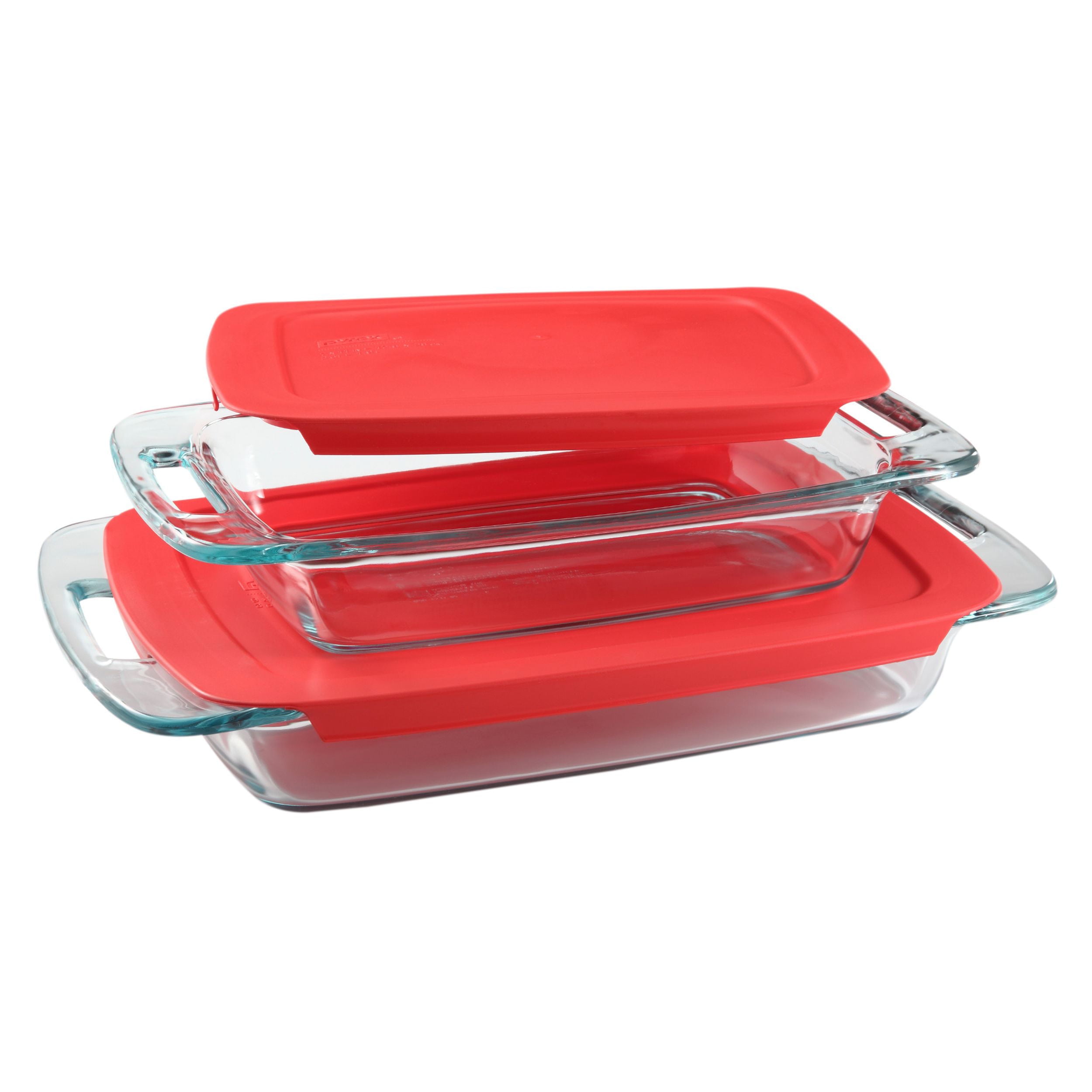
The 4 piece Pyrex bakeware set is a foundational kitchen staple designed for exceptional durability, thermal resistance, and versatility. Consisting of high-quality tempered glass vessels and airtight BPA-free lids, this set enables seamless transitions from oven to table and refrigerator, ensuring consistent baking results while maintaining the purity of food flavors through non-porous materials.
Understanding the Engineering of Pyrex Glass Bakeware
To appreciate why a 4 piece Pyrex bakeware set is often cited as "glass perfection," one must understand the metallurgical and chemical processes involved in its creation. In the United States, Pyrex glassware has traditionally been manufactured using tempered soda-lime glass. This material undergoes a thermal tempering process that involves heating the glass to a high temperature and then rapidly cooling it. This creates internal stresses that strengthen the glass against impact and thermal changes.
While international versions sometimes utilize borosilicate glass, the tempered soda-lime glass found in standard North American sets is specifically optimized for mechanical strength. In 2026, the industry continues to favor this material for consumer bakeware because it is less prone to breaking when dropped compared to borosilicate, though it requires specific care regarding sudden temperature shifts. The non-porous nature of this glass is its greatest functional asset; unlike metal pans or plastic containers, it does not absorb food odors, flavors, or stains. This ensures that a spicy lasagna baked today will not leave a lingering scent in a delicate cobbler baked tomorrow.
The "4 piece" configuration typically includes two primary baking vessels—most commonly a 3-quart (9x13 inch) oblong dish and a 2-quart (7x11 inch) oblong dish—paired with their respective fitted lids. This combination is engineered to cover roughly 80% of standard household baking needs, from family-sized roasts to side dishes and desserts.
Essential Features of the 4 Piece Set
The hallmark of this specific set is the integration of form and function. Every element is designed to solve a specific problem in the kitchen, from heat distribution to storage efficiency.
Thermal Versatility and Oven Safety
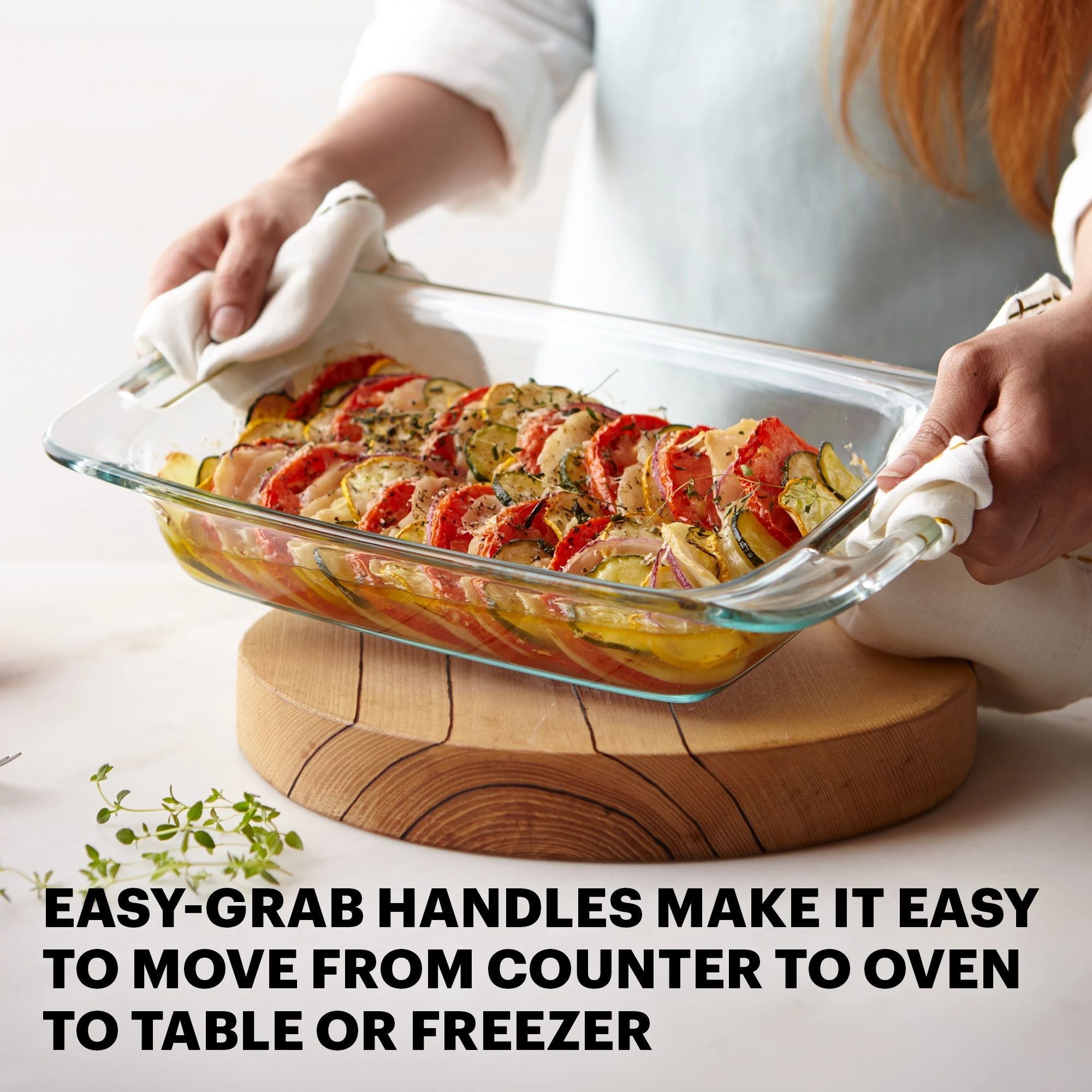
The primary appeal of the Pyrex set is its "oven safe" designation. These dishes are rated for use in preheated conventional and convection ovens. The glass is designed to distribute heat evenly, which is critical for recipes that require consistent browning, such as gratins or roasted vegetables. Because glass holds heat longer than metal, it also serves as an excellent serving vessel, keeping food warm on the dining table long after it has been removed from the oven.
Transparency and Visual Monitoring
One of the most significant advantages of glass bakeware over ceramic or metal is the ability to monitor the cooking process from all angles. A baker can see the bottom of a pie crust or the sides of a casserole to ensure the desired level of caramelization is reached without having to probe the food. This transparency reduces the need to open the oven door, which helps maintain a constant internal oven temperature and improves energy efficiency.
The Role of Precision-Fit Lids
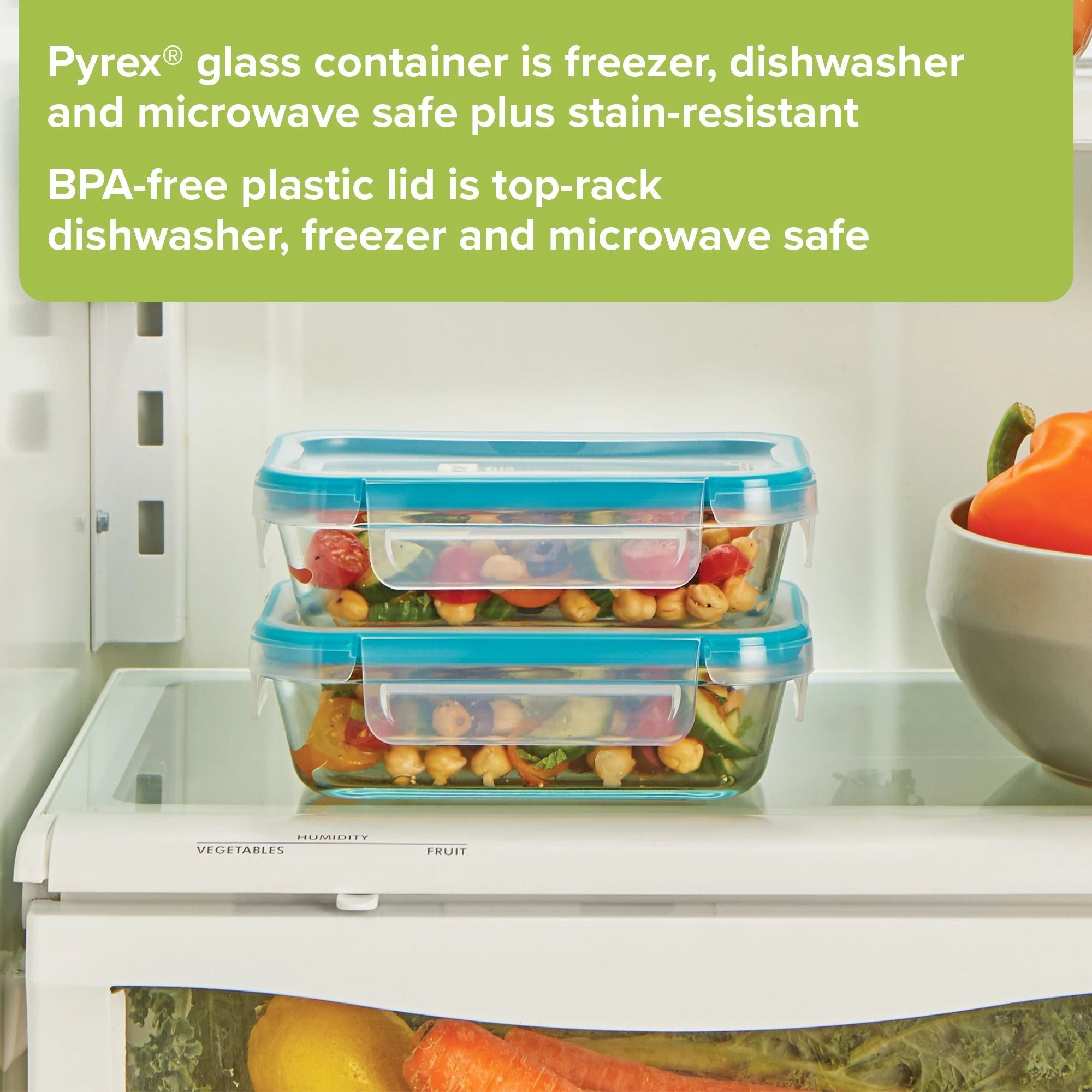
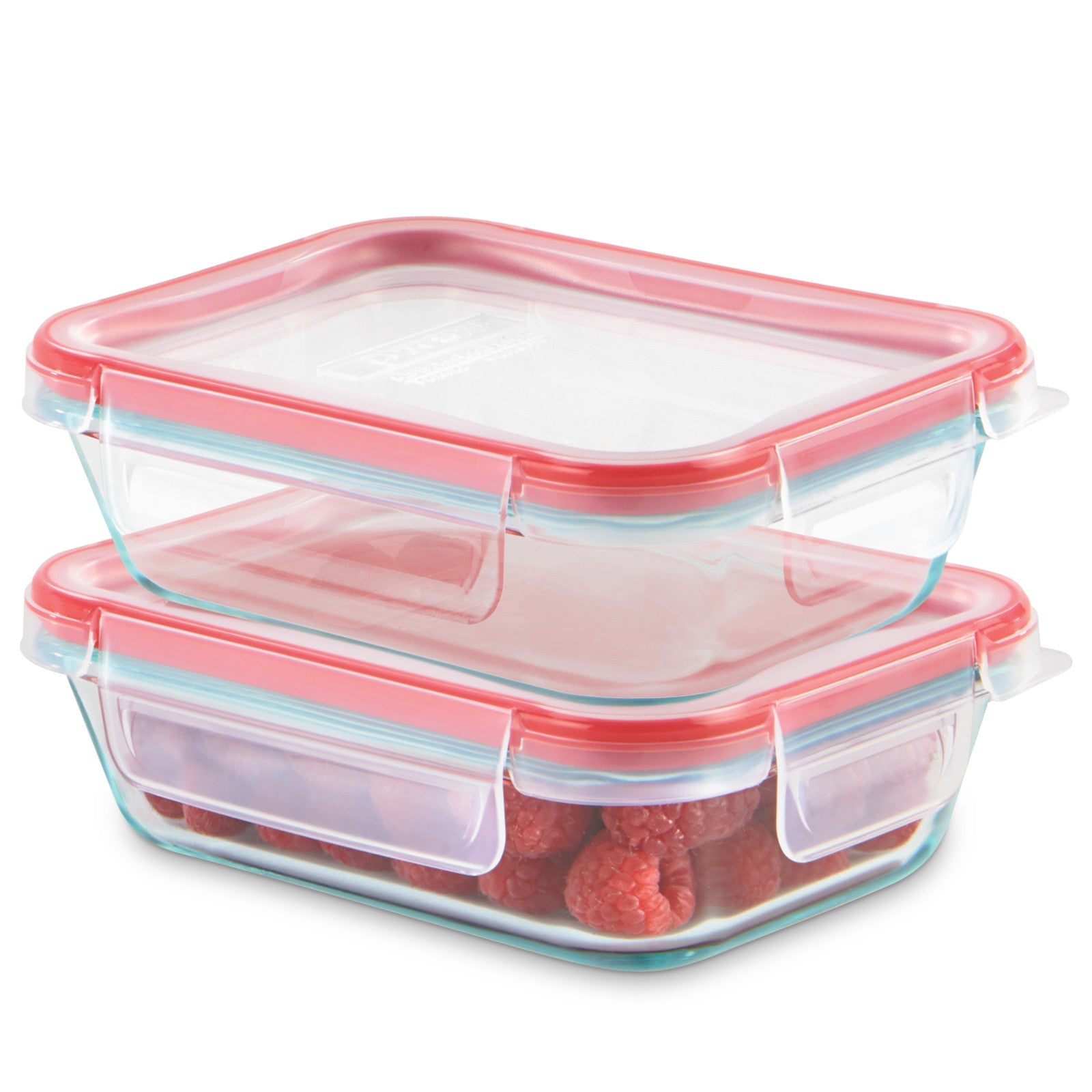
The 2026 iterations of these sets emphasize the "perfection" of the seal. The lids are typically made from BPA-free plastic, designed to be top-rack dishwasher safe. These lids transform the bakeware from a cooking vessel into a storage container. By eliminating the need for aluminum foil or plastic wrap, the set offers a more sustainable, airtight solution for preserving leftovers. The lids are also engineered to be flexible enough for easy removal yet firm enough to allow for stacking in the refrigerator, maximizing vertical space.
Comparison of Bakeware Materials: Why Glass Prevails
When selecting kitchen equipment, consumers often weigh glass against metal and ceramic alternatives. The following table illustrates the technical differences and performance metrics that define why tempered glass remains a preferred choice for residential baking.
| Feature | Tempered Glass (Pyrex) | Stainless Steel | Ceramic / Stone |
|---|---|---|---|
| Heat Distribution | Even and slow | Rapid and uneven | Moderate and even |
| Reactivity | Completely non-reactive | Non-reactive | Non-reactive (if glazed) |
| Visibility | 360-degree monitoring | Top-down only | Top-down only |
| Thermal Shock Resistance | Moderate (requires care) | High | Moderate |
| Storage Capability | Excellent (includes lids) | Poor (requires wrap) | Moderate (rarely includes lids) |
| Durability | High impact resistance | Very high | Prone to chipping |
| Cleaning | Dishwasher safe | Hand wash preferred | Varies by glaze |
Best Practices for Maintaining Oven Safe Integrity
To maintain the "glass perfection" of your Pyrex set in 2026 and beyond, adhering to safety protocols is mandatory. Although tempered glass is incredibly strong, it is subject to physics-based limitations, specifically thermal shock. Thermal shock occurs when a material expands or contracts too rapidly, leading to structural failure.
- Preheat the Oven: Never place glass bakeware into an oven that is still heating. The direct radiant heat from the heating elements during the preheat cycle can be significantly higher than the ambient air temperature, creating hot spots on the glass.
- Avoid Liquid Addition: Do not add cool liquids to a hot glass dish. If a recipe requires adding broth or water during the roasting process, ensure the liquid is at least room temperature or warm to minimize the temperature gradient.
- Buffer the Landing: When removing a hot dish from the oven, never place it directly on a cold or wet surface, such as a granite countertop or a damp towel. Use a dry cloth, a wooden trivet, or a cooling rack to provide a thermal buffer.
- Handling Scratches: Inspect your bakeware periodically. Deep scratches caused by metal utensils or abrasive scouring pads can weaken the tempered structure. Over time, these microscopic fractures can become failure points. It is recommended to use nylon, silicone, or wooden tools.
Maximizing the Utility of Your 4 Piece Set
The 4 piece Pyrex set is not limited to baking; its utility extends across the entire meal preparation workflow. In the context of modern "meal prepping," these dishes are invaluable. The 3-quart dish is the industry standard for "batch cooking." One can prepare a week’s worth of protein, such as chicken breasts or roasted roots, and move the dish directly to the fridge once cooled.
For those focused on health and nutrition, the non-reactive nature of glass is a significant benefit. Acidic foods, such as tomato-based sauces or lemon-marinated fish, can react with certain metals, leaching a metallic taste into the food. Glass provides a chemically inert environment, ensuring the nutritional profile and taste of the ingredients remain unaltered.
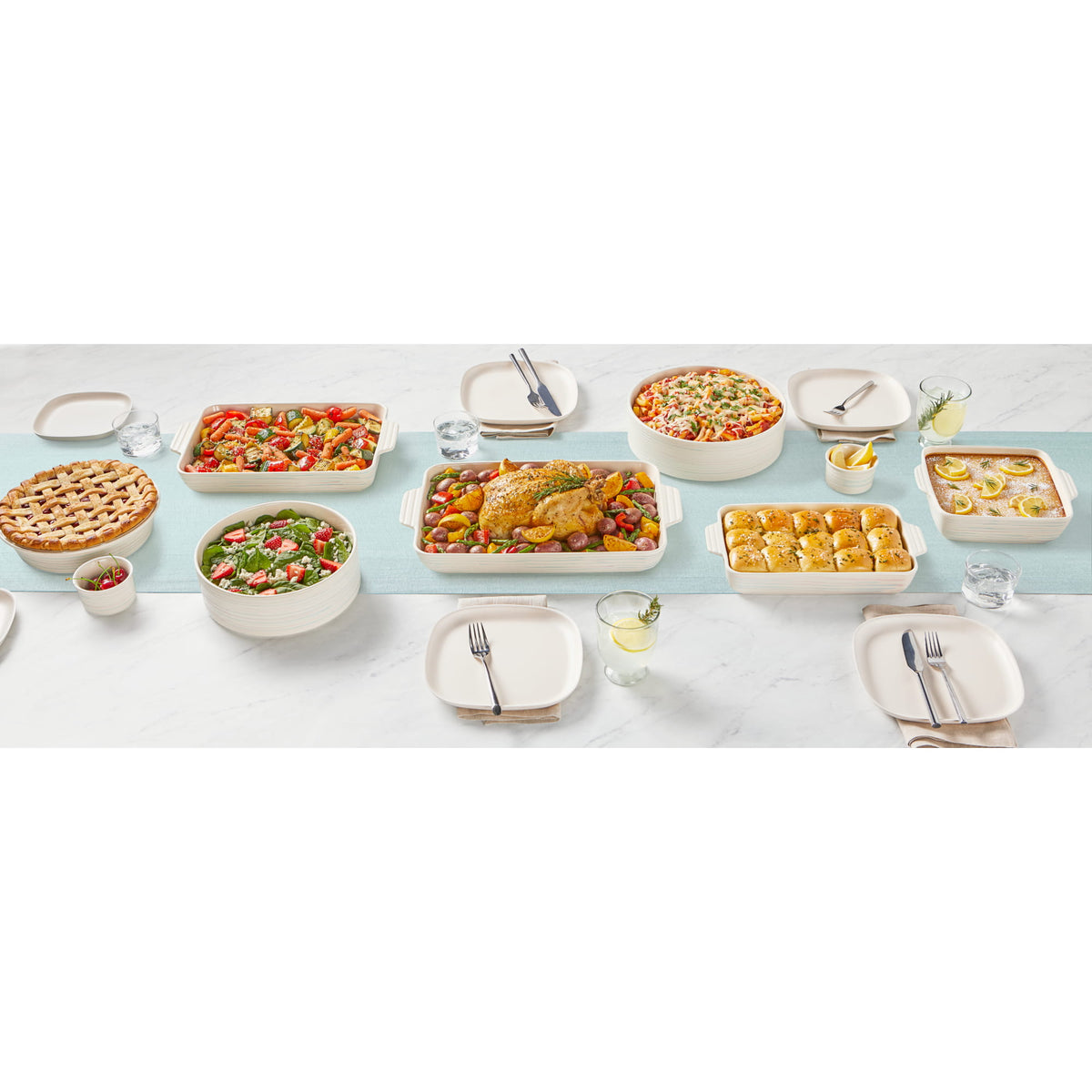
Furthermore, the aesthetic of the "perfection" set is intentionally minimalist. The clean lines and clear glass allow it to blend into any table setting, from casual family dinners to formal holiday gatherings. This eliminates the need to transfer food to a separate serving bowl, reducing cleanup time and water usage.
Troubleshooting Common Issues
Even with high-quality bakeware, users may encounter minor challenges. Understanding how to resolve these ensures the longevity of the set.
- Stubborn Burnt-on Food: If food becomes carbonized on the glass, avoid using steel wool. Instead, soak the dish in warm, soapy water with a tablespoon of baking soda. For more difficult stains, a specialized glass cooktop cleaner or a paste of vinegar and baking soda can restore the glass to its original clarity.
- Cloudy Glass: Over years of use in areas with hard water, glass may develop a cloudy film. This is usually mineral buildup. Soaking the dish in white vinegar for 30 minutes will typically dissolve these deposits and return the "perfection" shine.
- Lid Fitting: If a lid seems too tight or warped, it may have been exposed to high heat in the bottom rack of a dishwasher. To remedy this, briefly soak the lid in warm (not boiling) water to make it pliable, then fit it onto the dish and allow it to cool in place.
FAQ: Optimizing Your Pyrex Experience
Can I use my Pyrex glass bakeware on a stovetop?
No, Pyrex glass bakeware should never be used on a stovetop, under a broiler, or in a toaster oven. These heat sources provide concentrated, intense heat that exceeds the thermal shock limits of tempered soda-lime glass, posing a risk of shattering. Always use the bakeware in a fully preheated conventional or convection oven.
Are the lids oven safe?
The plastic lids included in the 4 piece set are not oven safe. They are designed exclusively for food storage in the refrigerator or freezer and for use in the microwave as a loose cover to prevent splatters. Always remove the lids before placing the glass vessels in a heated oven.
Is it safe to move the set directly from the freezer to the oven?
You should never move a Pyrex dish directly from the freezer to a hot oven. The extreme temperature differential will likely cause the glass to break. For best results, allow the frozen food to thaw in the refrigerator or reach room temperature before placing the dish in a preheated oven.
How do I prevent the glass from becoming scratched?
To prevent scratches, avoid using metal scouring pads or harsh abrasive cleaners. Use plastic or nylon sponges and mild detergents. Additionally, use silicone or wooden utensils when serving directly from the dish to keep the surface smooth and structurally sound.
What is the maximum temperature for Pyrex bakeware?
While there is no single "maximum" temperature that applies to all scenarios, most experts and the manufacturer suggest keeping oven temperatures at or below 425°F (218°C). The risk of thermal shock increases at higher temperatures, especially if the dish contains high-moisture foods or is subjected to any surface cooling after removal.
Recommended Next Steps for Your Kitchen
If you are looking to streamline your cooking process in 2026, the 4 piece Pyrex bakeware set is a logical starting point. To get the most out of your investment, begin by auditing your current bakeware and replacing any scratched or mismatched metal pans with these glass alternatives.
Prioritize learning the "thermal buffer" techniques mentioned above to ensure your set lasts for decades. For those who frequently cook for larger groups, consider supplementing this 4 piece set with individual glass storage containers that use the same tempered glass technology. This creates a cohesive, stackable system that improves organization and food safety throughout your kitchen.