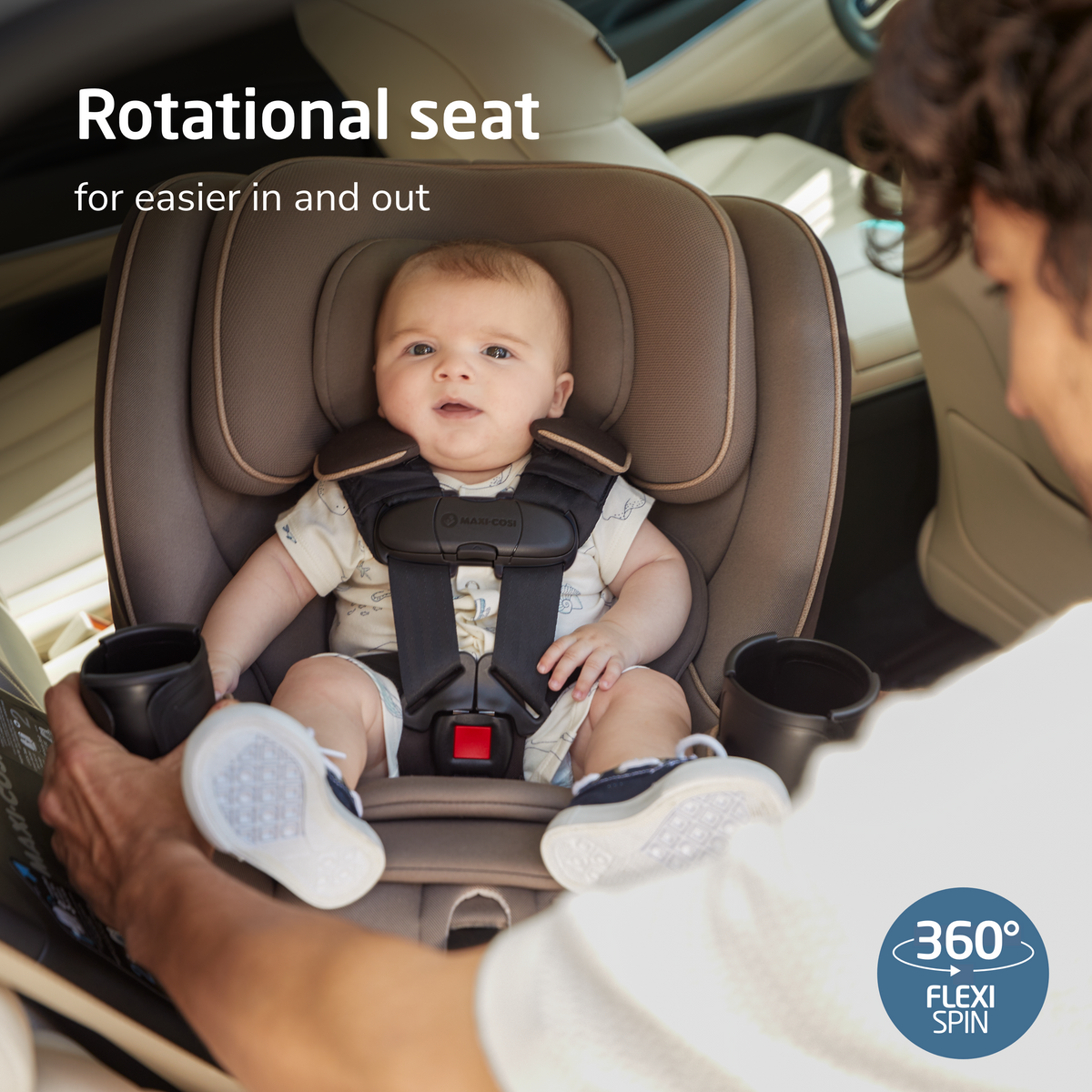
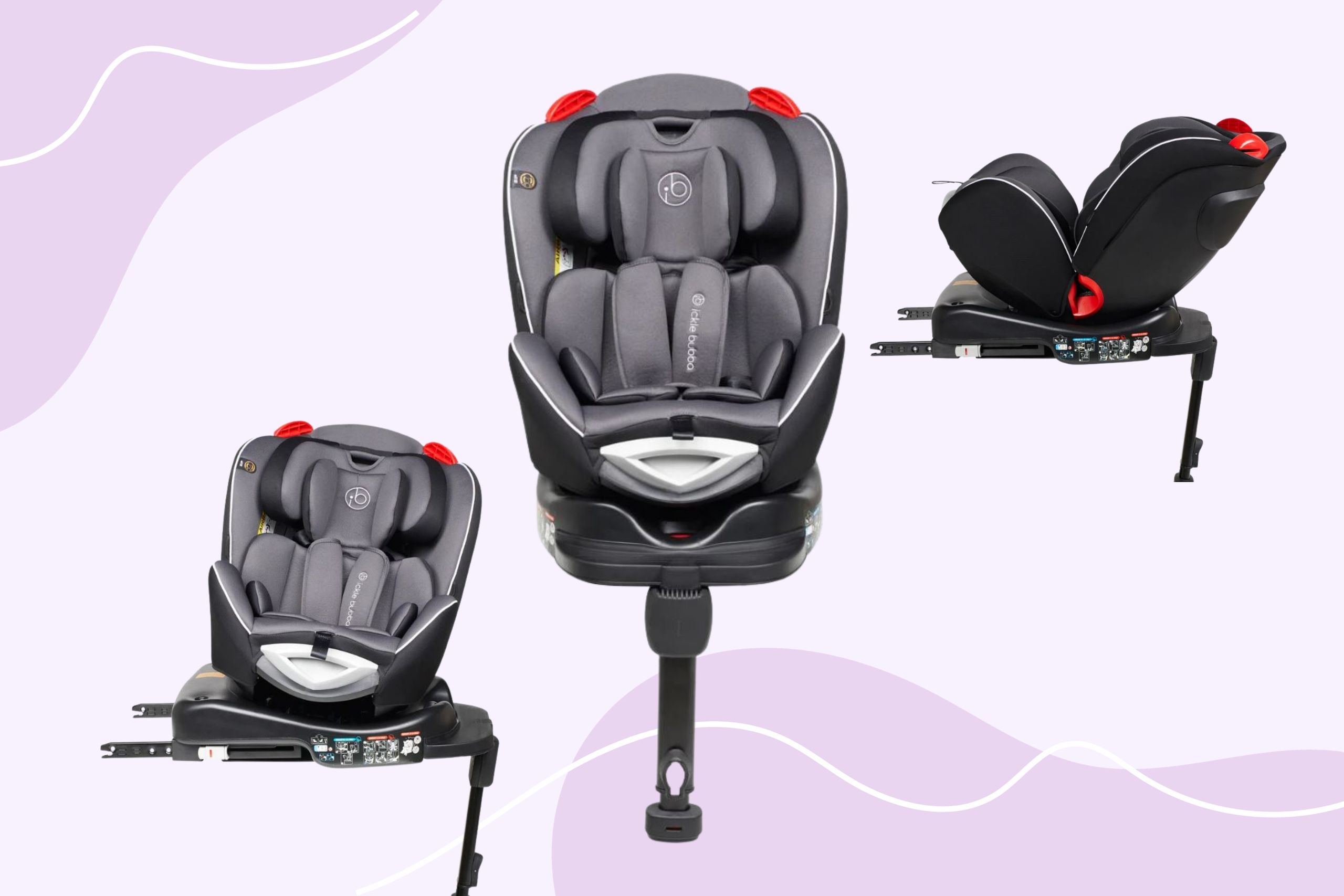
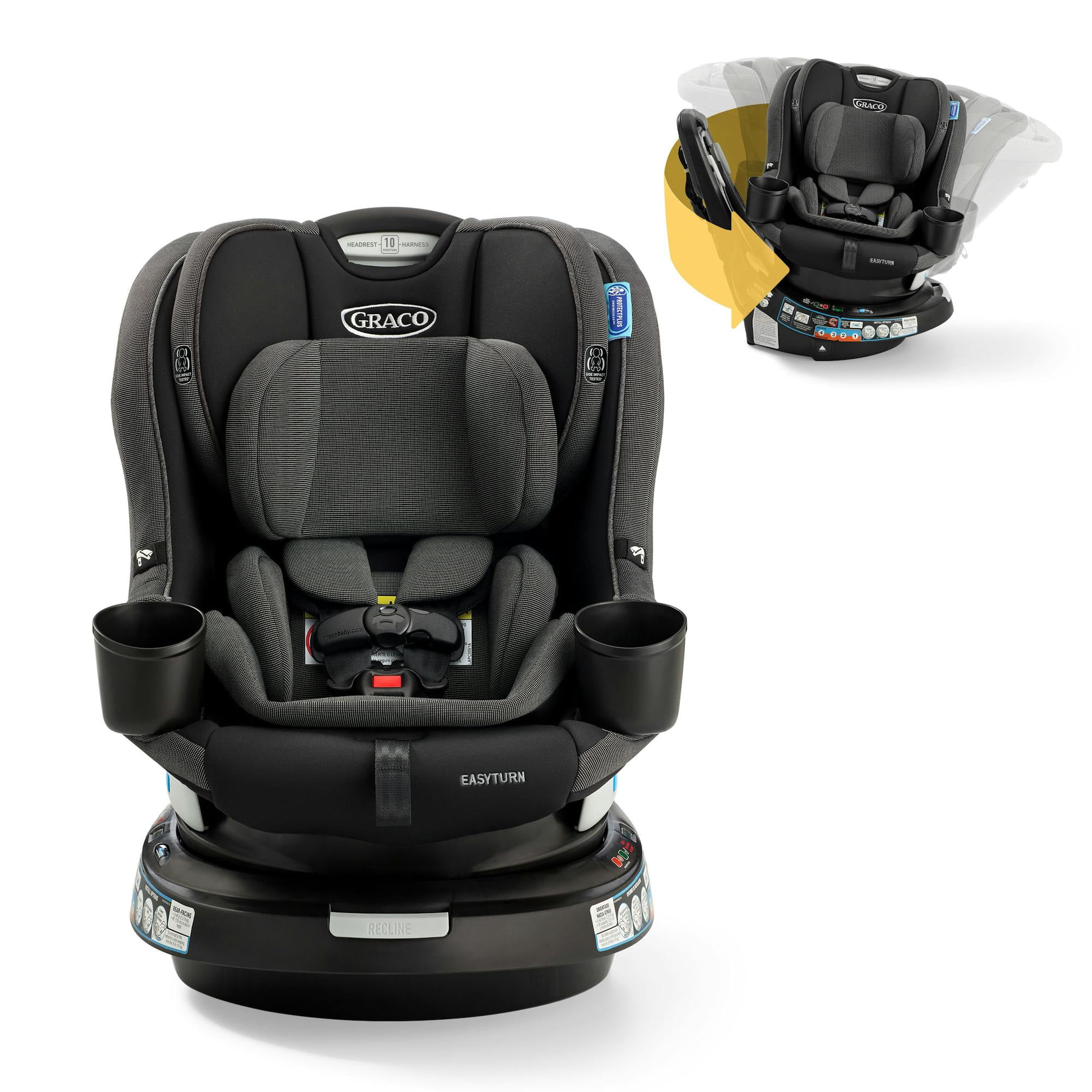
A 360 rotating car seat allows parents to swivel the seat toward the vehicle door for easier loading and unloading, significantly reducing physical strain. By integrating a 360-degree rotation mechanism with rigid ISOFIX connectors and advanced energy-absorption materials, these seats provide a high level of safety while simplifying the transition between rear-facing and forward-facing orientations.
The automotive safety landscape in 2026 places a premium on ergonomic design and intuitive installation. As child passenger safety standards continue to evolve, the 360 rotating car seat has transitioned from a luxury accessory to a fundamental tool for parents. This guide explores the mechanical engineering, regulatory requirements, and practical considerations that define the modern swivel car seat.
Understanding the Mechanics of 360-Degree Swivel Seats
The core of a rotating car seat is its specialized base, which houses a circular track and a heavy-duty locking mechanism. Unlike traditional fixed seats that are strapped or clipped into a stationary position, a rotating seat sits on a turntable-style mount. This mount is engineered to withstand the extreme centrifugal and linear forces experienced during a collision.
The "smooth turn" of the seat is achieved through high-precision ball bearings or low-friction polymer glides. However, the most critical mechanical component is the locking pawl. This is the safety catch that ensures the seat remains in a fixed, travel-approved position—either rear-facing or forward-facing—while the vehicle is in motion. In 2026, most high-end models include electronic sensors that provide visual or auditory confirmation that the seat is correctly locked.
Engineering these seats requires a delicate balance between ease of movement and structural rigidity. Because the seat must rotate, it inherently has more moving parts than a fixed seat. Manufacturers compensate for this by using reinforced steel internal frames and robust ISOFIX attachment points that anchor the seat directly to the vehicle's chassis. This eliminates the "slack" often found in seatbelt-installed models, providing a more stable platform for the rotation mechanism to function safely.
Why Rotation Matters: Ergonomics and Parental Health
The primary driver behind the popularity of 360-degree seats is parental ergonomics. Traditional car seats require a "reach and twist" motion to secure a child, which is a leading cause of lower back strain and repetitive stress injuries among caregivers. By allowing the seat to face the open door, the caregiver can stand square to the child, using their core muscles rather than their lumbar spine to lift and buckle.
Beyond physical comfort, the swivel function enhances safety by improving the accuracy of the harness fit. When a parent is leaning into a car at an awkward angle, they are more likely to leave the harness too loose or allow the chest clip to sit too low. When the child is facing the parent directly, it is much easier to perform the "pinch test" on the harness straps and ensure the headrest is at the correct height relative to the child's shoulders.
Furthermore, rotation simplifies the "Extended Rear-Facing" (ERF) process. Safety experts, including the American Academy of Pediatrics (AAP), recommend keeping children rear-facing for as long as possible. A rotating seat makes it easier to load a larger toddler into a rear-facing position, which can otherwise be a logistical challenge in smaller vehicles.
Safety Standards and Regulatory Compliance in 2026
In 2026, the global benchmark for car seat safety remains the UN Regulation R129, commonly known as i-Size. This regulation has largely superseded the older R44/04 standard because it emphasizes side-impact protection and mandates height-based rather than weight-based classification.
For a 360 rotating car seat to be considered safe under current standards, it must pass rigorous dynamic testing, including:
- Side-Impact Testing: This is mandatory for i-Size approval. Rotating seats often feature "pop-out" or integrated side-impact wings that absorb energy before it reaches the seat shell.
- Rotational Force Mitigation: During a crash, a seat may attempt to pivot or tip. To prevent this, 360 seats utilize either a load leg (a telescopic pole that rests on the vehicle floor) or a top tether strap.
- Anti-Rebound Features: The base usually includes an anti-rebound bar that presses against the back of the vehicle seat, preventing the car seat from flipping toward the trunk in a rear-end collision.
It is important to note that while the seat can rotate 360 degrees, it is never intended to be used in a side-facing position while the car is moving. Modern seats are designed with "Direction of Travel" (DOT) locks that prevent the seat from being turned forward-facing until the child reaches a specific height (typically 76 cm or approximately 15 months of age).
Comparing Rotating vs. Fixed Car Seats
When deciding between a swivel model and a traditional fixed seat, parents must weigh convenience against factors like weight and vehicle compatibility. The following table highlights the key differences as of 2026.
| Feature | 360 Rotating Car Seat | Standard Fixed Car Seat |
|---|---|---|
| Primary Benefit | Ease of loading/unloading; ergonomic | Lighter weight; often lower cost |
| Installation | Almost exclusively ISOFIX | ISOFIX or Seatbelt options |
| Stability Mechanism | Load leg or Top Tether required | Varies (often internal tensioners) |
| Weight of Unit | Heavy (typically 12kg - 15kg+) | Moderate (typically 5kg - 10kg) |
| Longevity | Multi-stage (Birth to 4 or 7 years) | Varies by specific Group/Stage |
| Ease of Cleaning | Complex (dirt can enter the swivel) | Simple (few moving parts) |
| Vehicle Fit | Requires more space for rotation | More compact for small cars |
Key Features to Evaluate Before Purchase
Not all rotating seats are engineered equally. When selecting a model in 2026, focus on these technical specifications to ensure the best balance of safety and utility:
1. Breathable Fabric and Climate Control
Because rotating seats are often used from birth through age four, thermal regulation is vital. Look for seats utilizing Oeko-Tex Standard 100 certified fabrics or 3D mesh liners that allow for airflow behind the child's back. Some 2026 models even feature integrated ventilation fans to prevent overheating on long trips.
2. Multi-Position Recline
A common limitation of early rotating seats was a shallow recline. Higher-end models now offer 5-10 recline positions that can be adjusted even while the seat is in its rotated state. This is essential for preventing "head flop" in newborns, which can compromise the airway.
3. Integrated Side-Impact Protection (SIP)
Check for advanced materials like EPP (Expanded Polypropylene) or G-Cell technology. These materials are designed to deform elastically during a crash, absorbing the kinetic energy that would otherwise be transferred to the child’s fragile neck and spine.
4. Smart Sensors and Connectivity
Many 2026 rotating seats are "smart-enabled." These systems connect to a smartphone app to alert the parent if the harness becomes unbuckled, if the child is left in the car, or if the seat is not securely locked into the travel position.
Installation and Maintenance: Ensuring Maximum Protection
The safety of a 360 rotating car seat is entirely dependent on correct installation. Unlike seatbelt-based seats, rotating models almost always use the ISOFIX system. This involves clicking two metal connectors into the anchor points built into the vehicle's seat crack.
Step-by-Step Installation Best Practices:
- Locate the Anchors: Use the provided plastic guides to expose the ISOFIX points in your vehicle.
- Engage the Arms: Push the base into the anchors until you hear a clear "click." Most seats have green indicators to confirm a secure connection.
- Deploy the Load Leg: Extend the leg until it firmly contacts the vehicle floor. It should not be lifting the base up, but it must have enough tension to prevent the seat from tilting forward.
- Clear the Swivel Track: Periodically check the circular track for crumbs, sand, or small toys. Debris in the mechanism can prevent the seat from locking properly, which is a major safety risk.
Maintenance is equally critical. The 360 mechanism should never be lubricated with household oils or WD-40, as these can attract dust and eventually seize the bearings. If the rotation becomes stiff, consult the manufacturer's manual for specific cleaning instructions, which usually involve compressed air or a damp cloth.
Common Misconceptions and Troubleshooting
"Are rotating seats less safe because they have a swivel joint?" This is a common concern. However, rotating seats undergo the same—and often more rigorous—testing as fixed seats. The swivel mechanism is designed to lock into a single rigid unit during an impact. Independent testing by organizations like ADAC consistently ranks high-quality rotating seats among the safest on the market.
"Can I use a rotating seat in a car without ISOFIX?" Generally, no. The mechanical stress of the rotation and the weight of the base require the structural integrity of ISOFIX anchors. Attempting to install a 360 seat with a standard three-point seatbelt is usually not supported by manufacturers and is highly dangerous.
"My seat won't rotate; is it broken?" Most modern seats have a "misuse preventer." If the child is under a certain height or age, the seat may be locked in a rear-facing position and will not allow rotation to forward-facing. Check the settings on the base or the height of the headrest to ensure the seat isn't intentionally restricted for safety reasons.
Frequently Asked Questions
Can a 360 rotating car seat be used for newborns?
Yes, most 360 rotating car seats are designed for use from birth, provided they include a proper newborn insert. These inserts reduce the internal volume of the seat and provide the necessary support for a baby’s head and neck. In 2026, look for models that offer a near-flat recline to ensure the infant's airway remains open during travel.
How do I know if a 360 seat will fit in my small car?
You must check the "Vehicle Fit List" provided by the manufacturer. While the ISOFIX points are standard, the rotation requires a specific amount of clearance between the car seat and the front vehicle seat. Some smaller cars may not accommodate the full rotation or may require the front passenger seat to be moved significantly forward.
When should I move the seat from rear-facing to forward-facing?
Safety regulations like R129 mandate that children must remain rear-facing until at least 15 months of age. However, safety experts recommend waiting much longer—ideally until the child reaches the maximum height or weight limit for the rear-facing mode (often around 4 years old). The 360 rotation makes this extended rear-facing period much more manageable for parents.
Does the seat rotate while the car is moving?
No, the seat must be locked into either a rear-facing or forward-facing position before the vehicle is in motion. Rotating the seat while driving is extremely dangerous, as the seat is not designed to protect a child in a side-facing orientation during a collision. Most modern seats have indicators that turn green only when the seat is safely locked for travel.
How do I clean a 360 rotating car seat?
Most fabric covers are removable and machine washable. For the base and the rotation mechanism, use a vacuum with a crevice tool to remove crumbs and debris that can jam the swivel. Avoid using harsh chemicals or submersing the base in water, as this can damage the internal locking pawls and electronic sensors.
Professional Advice and Next Actions
When purchasing a 360 rotating car seat in 2026, your first priority should be verification of the i-Size (R129) certification. This ensures the seat has met the highest modern standards for side-impact and structural integrity.
Recommended Action Plan:
- Check Vehicle Compatibility: Consult your car's manual to ensure it has ISOFIX anchors and a floor strong enough to support a load leg (some cars with under-floor storage compartments require specific adapters).
- Test the Rotation: If possible, visit a retailer to test the swivel mechanism with one hand. It should feel smooth and lock with a definitive, audible "thud."
- Review Crash Test Ratings: Look for independent data from the Euro NCAP or ADAC. A seat that meets legal minimums is good, but one that excels in independent "Plus Tests" is better.
- Register Your Product: Always register the seat with the manufacturer to receive immediate notifications regarding safety recalls or firmware updates for "smart" components.
Note: Child passenger safety laws and product availability can vary by jurisdiction. Always consult your local transport authority for the specific requirements in your region.