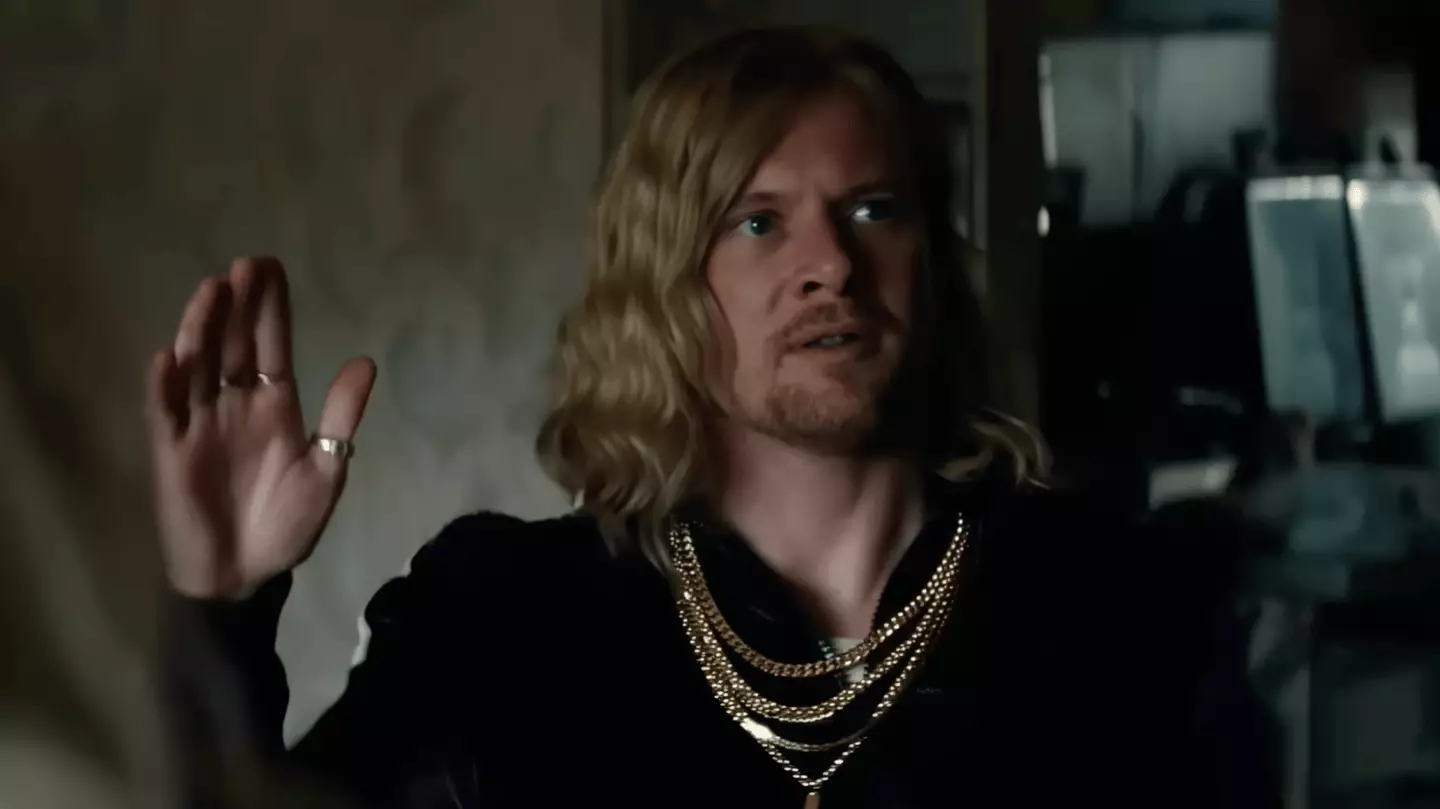
In 2026, the cultural impact of Jimmy Crystal New York stands as a definitive case study in how luxury craftsmanship survives and thrives through shifting digital eras. Marking 28 years since its pivotal 1998 mainstream breakthrough, the brand’s "viral legacy" has transitioned from red-carpet dominance to a cornerstone of the Y2K-revivalist movement on modern social platforms.
The 1998 Breakthrough: Setting the Standard for "Bling" Culture
To understand the enduring status of Jimmy Crystal in 2026, one must revisit the landscape of 1998. This was the year the New York-based design house, founded by Jimmy Crystal in 1991, transcended its boutique origins to become a global symbol of the "Bling" era. While the term "viral" was not yet part of the common vernacular, the brand’s explosion across televised media, celebrity styling, and international fashion weeks mirrored the rapid dissemination of modern digital trends.
In 1998, Jimmy Crystal New York secured its position by capitalizing on the demand for hyper-personalized, light-refracting accessories. This period saw the brand’s Swarovski-encrusted eyewear and timepieces become staples for high-profile figures in music and cinema. The legacy began not just with the sparkle, but with the specific audacity of the designs—merging the rugged aesthetics of New York street style with the unapologetic opulence of Austrian crystals. As we look back from 2026, 1998 remains the anchor point for the brand's aesthetic identity, proving that high-octane glamour has a cyclical, rather than linear, lifespan.
Technical Mastery: The Craftsmanship Behind the Crystal Legacy
The longevity of a Jimmy Crystal piece is rooted in technical specifications that distinguish it from mass-produced competitors. Throughout its 28-year journey to 2026, the brand has maintained a rigorous standard of hand-set application that ensures both aesthetic brilliance and structural integrity.
Material Selection and Sourcing
Central to the Jimmy Crystal legacy is the exclusive use of Swarovski Elements. In the late 1990s and early 2000s, this partnership was a cornerstone of the brand's marketing. By 2026, the focus has shifted toward the historical value of these stones, particularly those produced before Swarovski’s 2021 restructuring of its wholesale distribution. Collectors today prize "legacy stones" for their lead-oxide content (prior to the transition to lead-free Advanced Crystal), which many enthusiasts believe offers a superior refractive index and "fire."
The Adhesion Process
A major technical hurdle for encrusted luxury is stone retention. Jimmy Crystal utilized proprietary UV-cured bonding agents and specialized epoxies designed to withstand the thermal expansion of acetate and metal frames. Unlike budget alternatives that use simple cyanoacrylates (which can turn brittle and cloud the crystal’s foil backing), Jimmy Crystal’s historical pieces from the 1998–2005 era are noted for their durability in the secondary market today. The "legacy" of these pieces is often verified by the lack of "greying" in the stones—a common failure point in inferior products where the adhesive reacts with the reflective silvering on the crystal's base.
The "Viral" Resurgence: Why Jimmy Crystal Dominates 2026 Trends
In 2026, the "viral legacy" of Jimmy Crystal is no longer confined to physical retail. It has been reclaimed by a new generation of digital curators. The brand’s aesthetic—characterized by "Maximalist Glamour"—perfectly aligns with the current fashion cycle's rejection of "Quiet Luxury" and "Minimalism."
The resurgence is driven by three primary factors:
- The Archive Fashion Movement: Influencers on platforms like TikTok and Instagram have spent the last few years (2024–2026) hunting for "vintage" Jimmy Crystal pieces from the late 90s. These items are frequently featured in "Get Ready With Me" (GRWM) videos, where the light-catching properties of the crystals perform exceptionally well under modern high-definition smartphone cameras.
- The DIY Customization Culture: The "legacy" has inspired a wave of "bedazzling" tutorials. While many creators attempt to replicate the look, the technical difficulty of achieving the Jimmy Crystal "pavé" finish (where stones are set so closely that no base material is visible) has only served to increase the value of authentic original pieces.
- Digital Scarcity: As the brand pivoted its production models in the early 2020s, the 28-year-old originals from the 1998 era have become rare digital trophies, often fetching high premiums on luxury resale sites.
Authentication and Verification: Distinguishing 1998–2026 Originals
For collectors revisiting this legacy in 2026, authentication is paramount. The market is saturated with "crystal-style" eyewear that lacks the technical pedigree of the New York house.
- Signature Engravings: Authentic Jimmy Crystal eyewear typically features the "Jimmy Crystal New York" logo laser-etched or stamped on the inner temple. On 1998-era pieces, the font weight and spacing are distinct from the more modern sans-serif iterations used in the 2010s.
- Weight and Balance: Due to the density of the high-lead Swarovski stones used in the late 90s, original pieces have a significant "heft." If a frame feels suspiciously light, it likely utilizes acrylic rhinestones rather than genuine glass crystals.
- Stone Alignment: Jimmy Crystal artisans utilize a "randomized pavé" or a strict "linear grid" depending on the collection. In both cases, the spacing is uniform. Large gaps or visible overflow of adhesive (often called "glue-beading") are immediate red flags of a counterfeit or a poorly executed repair.
Strategic Market Positioning: Then and Now
The following table compares the market position and technical focus of Jimmy Crystal New York during its 1998 breakout year versus its "Viral Legacy" status in 2026.
| Feature | 1998 Market Status | 2026 Legacy Status |
|---|---|---|
| Primary Audience | Red Carpet Celebrities & NYC Socialites | Archive Collectors & Gen Z Influencers |
| Technological Driver | Advanced UV Adhesives | Blockchain-based Authentication (NFC) |
| Material Focus | High-Lead Swarovski Elements | Sustainable/Upcycled Archive Stones |
| Distribution | High-End Department Stores (Bloomingdale's) | Global Luxury Resale & Direct-to-Consumer |
| Design Ethos | Contemporary Luxury "Bling" | Nostalgic Y2K Maximalism |
| Average Resale Value | N/A (Retail: $150–$500) | $350–$1,200 (Vintage/Deadstock) |
The Enduring Appeal of Hand-Embellished Luxury
The "28 years later" retrospective reveals that the Jimmy Crystal legacy is not merely about the shine, but about the human element of the craft. In an era where AI-driven design and 3D printing dominate the 2026 fashion manufacturing landscape, the tactile nature of hand-set crystals provides a "soul" that digital processes cannot replicate.
Each stone in a legacy Jimmy Crystal piece was placed by a technician who had to account for the curvature of the frame and the play of light. This artisanal approach is what has allowed the brand to survive the transition from the physical-first world of 1998 to the digital-first world of 2026. The "viral" nature of the brand today is an organic response to a world that is increasingly starved for authentic, labor-intensive beauty.
Navigating the Future of the Legacy
As we look toward the next decade, the Jimmy Crystal brand is expected to lean further into its archival history. Many industry analysts in 2026 suggest that the brand’s most successful path forward is the "Re-Edition" strategy—releasing limited runs of the 1998 designs using modern, sustainable materials while maintaining the hand-set techniques that defined their original success. This strategy honors the 28-year history while satisfying the demand for new, "viral-ready" content.
Challenges in the Modern Market
Despite the strong legacy, challenges remain. The cost of genuine crystal components has risen significantly by 2026, leading to a rise in "hybrid" pieces that mix glass and high-quality polymers. For the purist, the 1998–2005 era remains the "Golden Age," and the difficulty in sourcing those specific vintage components makes maintenance of older pieces a specialized niche within the jewelry repair industry.
The Role of Customization
Jimmy Crystal’s legacy is also one of empowerment. By offering a high-glamour look that was relatively accessible compared to diamond-encrusted fine jewelry, the brand democratized the "mogul" aesthetic. This democratization is the root of its viral success; it represents a "functional art" that owners can wear, rather than just display.
FAQs Regarding the Jimmy Crystal Legacy
What happened to Jimmy Crystal New York after its 90s peak?
The brand continued to operate as a high-end designer label, pivoting through various fashion cycles. While it remained a staple in luxury boutiques, it experienced a massive cultural "second wind" in the early 2020s as Y2K fashion trends became dominant among younger consumers, leading to the 2026 "Viral Legacy" status.
Is the Jimmy Crystal in the "Sing 2" movie related to the brand?
No. Jimmy Crystal is the name of the antagonist in the 2021 animated film Sing 2. While the character is a wealthy media mogul with a penchant for high-stakes glamour, he is a fictional entity. However, the shared name has occasionally led to a "cross-pollination" of search results, unintentionally boosting the brand's visibility among younger demographics who associate the name with power and luxury.
How do I clean 28-year-old Jimmy Crystal pieces?
Maintenance of vintage (1998-era) pieces requires caution. Use a soft, lint-free cloth and avoid ultrasonic cleaners, which can vibrate the stones loose from the 28-year-old adhesive. A slightly damp cloth with mild, pH-neutral soap is recommended for the frame, while the crystals should be buffed dry to maintain their original luster.
Are Jimmy Crystal pieces still made in New York in 2026?
The brand maintains its heritage of New York design. While various components may be sourced globally, the "Designed in NYC" signature remains a core part of the brand's identity and its appeal to collectors who value the city's historical connection to the garment and jewelry districts.
What is the most sought-after piece in 2026?
The "oversized shield" sunglasses encrusted in clear Aurora Borealis (AB) crystals, originally released around 1998-1999, are currently the most prized items. These pieces epitomize the "Viral Legacy" aesthetic and are frequently seen in high-fashion editorials and vintage-inspired digital content.
Recommendation for Collectors and Enthusiasts
For those looking to engage with the Jimmy Crystal legacy in 2026, the best approach is to focus on provenance and condition. When purchasing archive pieces, always request high-resolution photos of the stone settings and the internal frame markings. If you are a new enthusiast, consider starting with the "Classic Collection" re-releases, which offer the 1998 aesthetic with 2026 structural reinforcements. Ultimately, the legacy of Jimmy Crystal is a testament to the fact that true glamour never truly fades—it simply waits for the next lens to catch its light.