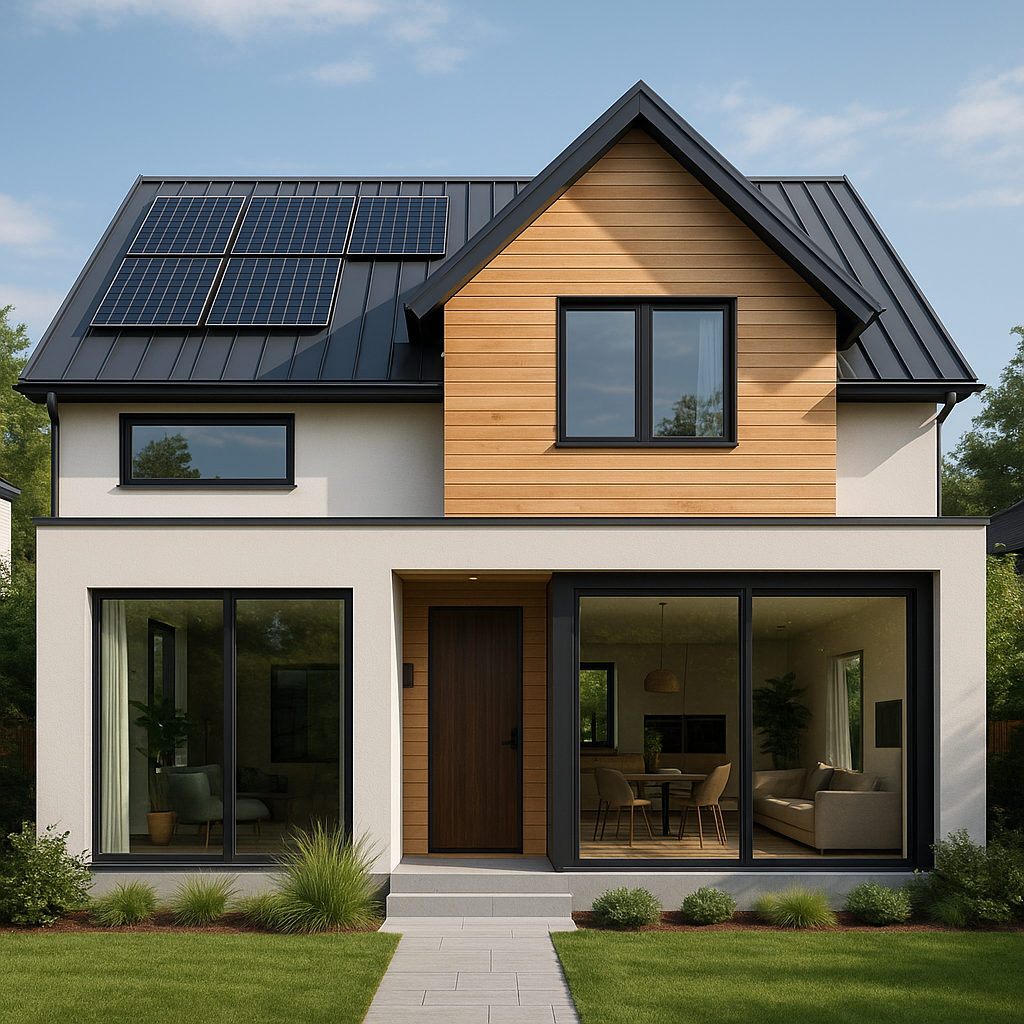
As we move through 2026, the benchmarks established during the 2025 renovation cycle continue to define modern residential and commercial property standards. A 2025 renovation focuses on high-performance building envelopes, the integration of ambient artificial intelligence, and a shift toward "biophilic" design that prioritizes natural light and sustainable materials. These projects are characterized by a move away from superficial aesthetics toward functional longevity, energy independence, and health-centric interior environments.
The Evolution of Renovation Standards in 2025
The 2025 renovation landscape was shaped significantly by a global push toward decarbonization and the maturation of smart home technologies. Unlike previous years where renovation was often driven by purely cosmetic trends, the 2025 cycle prioritized the "invisible" components of a home—insulation, air quality, and energy management. This shift was largely influenced by updated building codes and the continued availability of tax incentives for energy-efficient upgrades.
Homeowners and developers in 2025 moved toward "future-proofing" their assets. This meant installing infrastructure that could support evolving technologies, such as bi-directional electric vehicle (EV) charging and integrated battery storage systems. The goal was to create a dwelling that could operate with minimal external input, reflecting a broader societal concern regarding utility costs and climate resilience.
Furthermore, the concept of the "healthy home" transitioned from a luxury niche to a standard requirement. Renovation projects in 2025 frequently included advanced HEPA filtration systems and non-toxic, low-VOC (volatile organic compound) materials. These elements were not merely optional add-ons but were integrated into the core architectural plans to ensure long-term occupant well-being.
Core Design Philosophies: Quiet Luxury and Adaptive Reuse
The aesthetic of 2025 renovation projects moved toward "Quiet Luxury"—a style characterized by high-quality materials, understated elegance, and a focus on tactile experiences. This philosophy rejected the "fast furniture" culture in favor of artisanal craftsmanship and durable surfaces like natural stone, reclaimed wood, and hand-applied lime washes.
Adaptive reuse also became a dominant theme. Rather than complete demolition, 2025 renovations often sought to preserve the "soul" of a structure while upgrading its performance. This approach not only reduced waste but also allowed for unique architectural expressions where historical elements, such as exposed brick or original timber beams, were paired with ultra-modern glass and steel.
Spatial planning in 2025 also reflected the permanent shift in work-life dynamics. The "open plan" concept was refined into "broken plan" living. This involves using internal windows, shelving units, or floor-level changes to define distinct zones without completely closing off rooms. This provided the privacy needed for remote work while maintaining a sense of openness and flow.
Technical Specifications for Energy Efficiency
A hallmark of any 2025 renovation is its focus on the thermal envelope. With energy prices remaining volatile, the technical requirements for insulation and glazing reached new heights. The following technical standards became the baseline for high-quality renovations during that period:
- R-Value Optimization: Standard wall insulation moved toward R-21 or higher in temperate zones, often utilizing continuous exterior insulation to eliminate thermal bridging.
- Triple-Pane Glazing: The transition from double-pane to triple-pane windows became standard for luxury and high-efficiency renovations, significantly reducing heat loss and improving acoustic insulation.
- Heat Pump Integration: 2025 saw the near-universal adoption of air-source heat pumps for both space heating and cooling. These systems were often paired with energy recovery ventilators (ERVs) to ensure fresh air intake without losing thermal energy.
- Smart Grid Readiness: Electrical panels were upgraded to "smart" versions capable of managing peak loads, prioritizing appliance usage based on real-time energy pricing or solar availability.
By adhering to these specifications, 2025 renovations achieved significant reductions in operational carbon, often reaching "net-zero ready" status. This not only lowered monthly overheads for owners but also significantly boosted the resale value of the properties in the 2026 market.
Key Material Trends and Sustainability
The selection of materials in 2025 focused on the "circular economy." Designers and contractors prioritized materials that were either recycled, sustainably harvested, or easily recyclable at the end of their lifecycle.
- Mass Timber and Engineered Wood: Used not just for structural elements but for aesthetic finishes, providing a warm, organic feel while sequestering carbon.
- Recycled Composites: Kitchen countertops and bathroom surfaces utilized innovative composites made from recycled glass, paper, and bio-resins, offering durability that rivals traditional quartz.
- Hempcrete and Mycelium Insulation: In eco-conscious renovations, traditional fiberglass was replaced with carbon-negative alternatives like hemp-based concrete or mushroom-grown insulation boards.
- Natural Stone with Traceability: Consumers in 2025 demanded transparency regarding the origin of their stone, leading to a rise in locally sourced granite and marble.
These materials were chosen for their ability to age gracefully. The "patina" of natural materials was embraced as a design feature, moving away from the "perpetually new" look of synthetic plastics that characterized the renovations of the early 2000s.
2025 Renovation Cost Analysis and ROI
Understanding the financial landscape of a 2025 renovation is essential for evaluating current property values. Costs were driven by a combination of high-tech material prices and a specialized labor force capable of installing complex systems.
| Project Category | Average Cost (2025 USD) | Estimated ROI (2026) | Key Value Driver |
|---|---|---|---|
| Major Kitchen Remodel | $75,000 - $150,000 | 72% | Smart appliances & natural stone surfaces |
| Primary Suite Upgrade | $40,000 - $90,000 | 65% | Spa-like features & high-efficiency fixtures |
| Energy Retrofit (Whole Home) | $30,000 - $60,000 | 85% | Lower utility bills & tax credits |
| Finished Basement (Modular) | $50,000 - $100,000 | 60% | Adaptive workspace/Gym versatility |
| Outdoor Living/Landscaping | $25,000 - $70,000 | 55% | Drought-resistant planting & outdoor kitchens |
While the initial capital expenditure for 2025 renovations was higher than in previous decades, the Return on Investment (ROI) was bolstered by significantly lower maintenance and operating costs. Properties that underwent these upgrades are currently the most sought-after in the 2026 real estate market, often selling faster than non-renovated or purely "cosmetically" updated homes.
Common Mistakes and Implementation Challenges
Despite the advancements, 2025 renovations faced several common pitfalls. One of the most frequent errors was the "over-automation" of the home. Homeowners sometimes installed overly complex proprietary systems that were difficult to update or became obsolete quickly. The most successful renovations utilized open-standard protocols (like Matter or Thread) that ensure interoperability between different brands and technologies.
Another challenge involved the "skills gap" in the construction industry. The technical requirements for airtightness and heat pump calibration required specialized knowledge. Renovations that failed to employ certified green-building professionals often suffered from performance gaps, where the theoretical energy savings were not realized due to poor installation of insulation or HVAC ducting.
Permitting also remained a significant hurdle in 2025. Many municipal zoning laws had not yet caught up with modern renovation techniques, such as greywater recycling or accessory dwelling units (ADUs). Navigating these legal complexities required early consultation with architects and local planning departments to avoid costly delays mid-construction.
Frequently Asked Questions
What was the most significant interior design trend of 2025?
The dominant trend was "Warm Minimalism." This involved a monochromatic or neutral color palette paired with rich, varied textures like bouclé fabrics, fluted wood panels, and brushed metal accents. The goal was to create a serene, clutter-free environment that felt cozy rather than cold, reflecting a desire for the home to be a sanctuary from a high-tech world.
How did the Inflation Reduction Act affect 2025 renovations?
The Inflation Reduction Act provided substantial financial tailwinds for renovations that included solar panels, heat pumps, and high-performance windows. Many homeowners were able to recoup 30% or more of their investment through federal tax credits, making high-efficiency upgrades the most financially sensible path during the 2025 cycle.
Is smart home technology still worth the investment in 2026?
Yes, provided the technology is based on interoperable standards. The focus in 2026 has shifted toward "invisible tech"—systems that manage lighting, temperature, and security automatically based on occupant behavior, rather than requiring manual input through apps or screens. Investing in a robust, high-speed mesh network during a renovation remains the single most important tech upgrade.
What are the best flooring options from the 2025 renovation era?
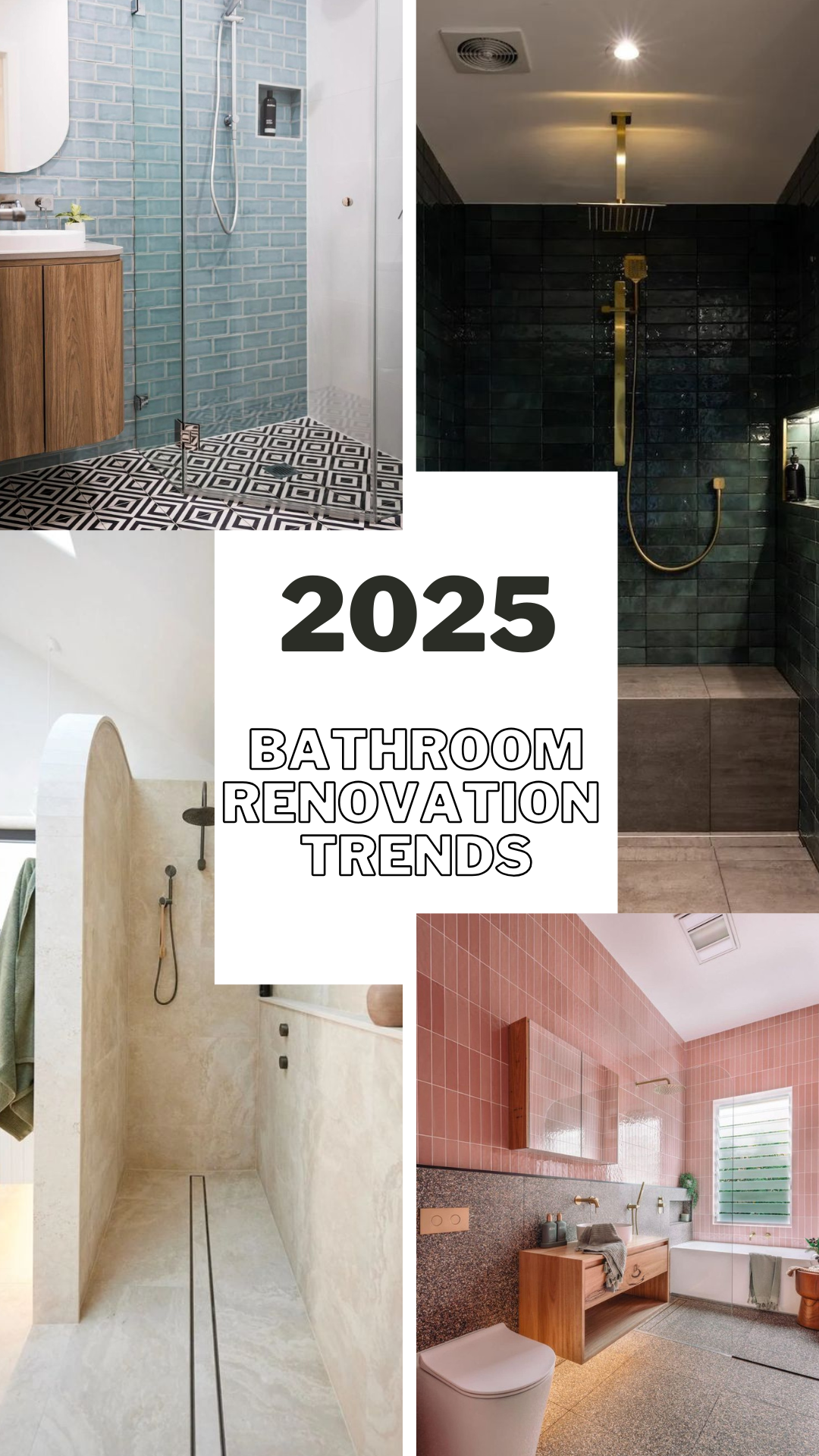
Wide-plank engineered hardwood remained the top choice for its balance of beauty and stability. However, we also saw a massive resurgence in terrazzo and large-format porcelain tiles, which are ideal for homes with underfloor heating systems—a common feature in 2025 renovations.
How did 2025 renovations address the "home office" requirement?
Instead of just a desk in a corner, 2025 renovations integrated dedicated, sound-dampened "Zoom rooms" or acoustic pods. These spaces were equipped with professional-grade lighting and background-friendly aesthetics, reflecting the permanence of hybrid work models.
Recommendations for Maintaining 2025 Renovation Value
For those who completed a 2025 renovation, maintaining the property's value in 2026 and beyond requires a proactive approach to system maintenance. Regular servicing of heat pumps and ERV filters is essential to ensure the home's air quality and energy efficiency remain at peak levels. Furthermore, as AI-driven home management software evolves, keeping your smart home hub's firmware updated is critical for security and functionality.
If you are planning a renovation in the current 2026 environment, look to the 2025 standards as your "floor." Prioritize the building envelope and sustainable energy systems over high-end finishes if the budget is tight. A home that is cheap to run and comfortable to live in will always command a premium over one that is merely beautiful. Consult with a certified energy auditor before beginning any major work to identify the most impactful upgrades for your specific climate and structure.