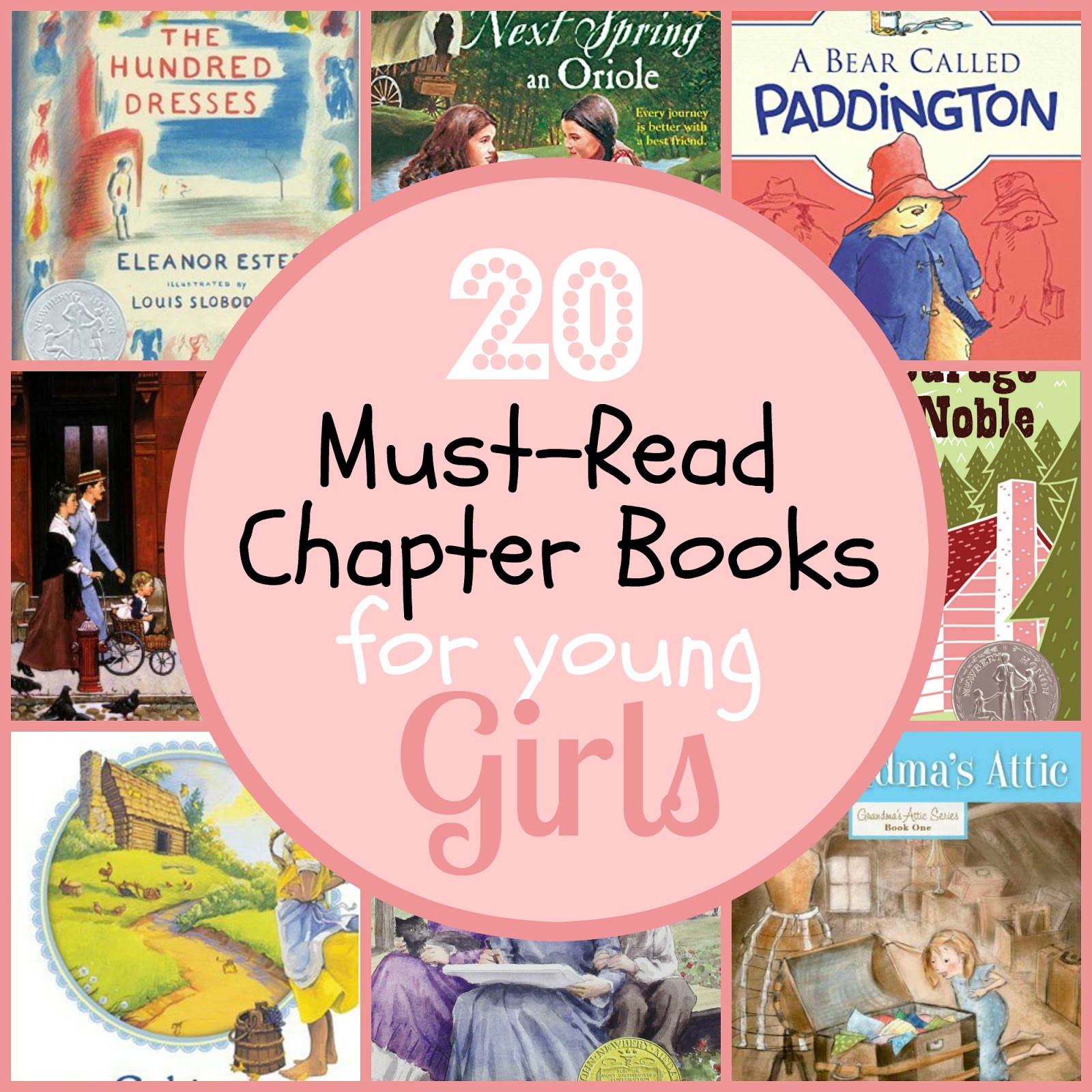
The ultimate list of must-read books serves as a fundamental library for expanding intellectual horizons, emotional intelligence, and cultural awareness. By selecting works that span across dystopian fiction, historical narratives, and groundbreaking non-fiction, readers can develop a comprehensive understanding of the human condition and the historical forces that shape our current 2026 reality.
Building a personal library is more than a hobby; it is a commitment to lifelong learning and cognitive development. The books selected for this list are not merely popular titles but are considered "must-reads" because they have fundamentally altered the literary landscape or provided profound insights into the mechanics of society and the human psyche. Whether you are looking to understand the complexities of systemic power, the intricacies of memory, or the evolutionary path of our species, this collection provides the essential framework for a well-rounded reader.
Foundational Dystopian and Political Fiction
Dystopian literature offers a mirror to society, exaggerating current trends to warn about potential futures. In 2026, these narratives remain more relevant than ever as we navigate complex technological and social shifts.
1. 1984 by George Orwell
Orwell’s 1984 is the definitive study of totalitarianism and the manipulation of language. The concept of Newspeak—the idea that limiting language limits the ability to think critically—continues to be a vital warning against the erosion of truth. For every reader, this book is an essential lesson in political literacy and the importance of individual privacy.
2. Brave New World by Aldous Huxley
While Orwell feared the suppression of information, Huxley feared that information would become so abundant and trivial that the truth would be drowned in a sea of irrelevance. Brave New World explores a future where citizens are kept in a state of superficial happiness through biological engineering and consumerism. It is a crucial read for understanding the ethical boundaries of biotechnology and the dangers of a society that prioritizes comfort over freedom.
3. The Handmaid’s Tale by Margaret Atwood
Atwood’s "speculative fiction" examines the fragility of women's rights and the speed with which a democratic society can descend into a theocratic autocracy. By focusing on the protagonist Offred, the novel highlights the intersection of reproductive rights, religious extremism, and state control. It serves as a stark reminder of the importance of civic vigilance.
Masterpieces of Historical and Social Insight
Literature allows us to inhabit the lives of others, fostering empathy and understanding for historical struggles that continue to influence contemporary social structures.
4. To Kill a Mockingbird by Harper Lee
This classic remains a cornerstone of American literature for its exploration of racial injustice and the loss of innocence in the Jim Crow South. Through the eyes of Scout Finch, Lee examines the moral complexities of "doing the right thing" in a society where the law is often at odds with justice. It is an indispensable guide for understanding systemic prejudice.
5. Beloved by Toni Morrison
Morrison’s Pulitzer Prize-winning novel is a powerful, haunting exploration of the psychological legacy of slavery. By blending historical realism with supernatural elements, Morrison illustrates how the trauma of the past continues to inhabit the present. The prose is dense and poetic, requiring a high level of engagement but offering unparalleled rewards in its depth of feeling.
6. Things Fall Apart by Chinua Achebe
Often cited as the archetypal modern African novel in English, Achebe’s work portrays the collision between traditional Igbo culture and European colonialism. It challenges the "clash of civilizations" narrative by providing a nuanced view of African society before and during the colonial era. It is essential for any reader seeking a global perspective on history.
7. The Diary of a Young Girl by Anne Frank
This primary source remains one of the most intimate and heartbreaking accounts of the Holocaust. Beyond its historical value, the diary is a testament to the resilience of the human spirit. Anne’s candid thoughts on adolescence, family, and hope under unimaginable circumstances make this a universal must-read for every generation.
Exploring the Human Condition and Existentialism
Some books do not just tell a story; they ask the reader to examine their own life, their choices, and their place in the universe.
8. Man’s Search for Meaning by Viktor Frankl
Written by a psychiatrist and Holocaust survivor, this book introduces logotherapy, which suggests that the primary human drive is not pleasure but the discovery and pursuit of what we personally find meaningful. Frankl’s observations on how individuals maintained a sense of purpose in concentration camps provide a profound framework for modern mental health and resilience.
9. Crime and Punishment by Fyodor Dostoevsky
Dostoevsky’s psychological thriller follows Rodion Raskolnikov, a man who attempts to justify a murder through a philosophy of intellectual superiority. The novel is a deep dive into the nature of guilt, the limits of rationalism, and the possibility of redemption. It remains the gold standard for psychological depth in fiction.
10. Meditations by Marcus Aurelius
As one of the core texts of Stoicism, Meditations offers practical advice on dealing with stress, leadership, and mortality. Written as a private journal by the Roman Emperor, the text emphasizes controlling one's own mind and accepting the external world as it is. Its popularity in 2026 stems from its timeless utility in navigating a chaotic world.
11. The Stranger by Albert Camus
A hallmark of absurdist literature, Camus explores the life of Meursault, a man who refuses to conform to societal expectations of emotion or morality. The novel challenges the reader to confront the "absurd"—the conflict between the human search for meaning and the silent, meaningless universe.
Contemporary Classics and Global Perspectives
These works have earned their place on the "ultimate list" by capturing the unique challenges of the late 20th and early 21st centuries, from immigrant experiences to the complexities of identity.
12. One Hundred Years of Solitude by Gabriel García Márquez
This novel popularized magical realism, a genre where supernatural elements are treated as mundane. Through the multi-generational story of the Buendía family in the fictional town of Macondo, García Márquez creates a metaphorical history of Latin America. It is a masterpiece of storytelling and structural complexity.
13. Americanah by Chimamanda Ngozi Adichie
A brilliant exploration of race, identity, and the immigrant experience, Americanah follows a young Nigerian woman who moves to the United States. Adichie’s sharp social commentary on what it means to be "Black" in America versus Africa provides essential context for contemporary discussions on globalization and cultural identity.
14. The Kite Runner by Khaled Hosseini
Set against the backdrop of a changing Afghanistan, this novel is a devastating story of friendship, betrayal, and the search for atonement. Hosseini provides a human face to the geopolitical turmoil of the Middle East, making it a crucial read for understanding the personal costs of war and displacement.
15. Small Things Like These by Claire Keegan
A more recent addition to the literary canon, this short novel packs an immense emotional punch. Set in Ireland in 1985, it addresses the complicity of a small town in the face of institutional cruelty (the Magdalene Laundries). Its inclusion on this list is due to its masterful prose and its exploration of the quiet courage required to do what is right.
Essential Non-Fiction for the Modern Mind
To be a "reader" in the fullest sense, one must also engage with the ideas that explain how our world functions, from biology to economics.
16. Sapiens: A Brief History of Humankind by Yuval Noah Harari
Harari provides a sweeping narrative of human history, from the emergence of Homo sapiens in Africa to the technological revolutions of the present. By examining how "fictions" like money, nations, and human rights have allowed us to cooperate, Sapiens changes the way readers view their own species.
17. Thinking, Fast and Slow by Daniel Kahneman
Nobel laureate Daniel Kahneman explains the two systems that drive the way we think: System 1 (fast, intuitive, and emotional) and System 2 (slower, more deliberative, and logical). This book is the foundation for understanding cognitive biases and improving decision-making in both professional and personal life.
18. The Immortal Life of Henrietta Lacks by Rebecca Skloot
This work of narrative non-fiction tells the story of the woman behind the "HeLa" cells, which have been vital to medical breakthroughs for decades. It explores the intersection of medical ethics, race, and poverty, highlighting how the scientific community has historically benefited from marginalized populations without their consent.
19. Braiding Sweetgrass by Robin Wall Kimmerer
Kimmerer, a botanist and member of the Citizen Potawatomi Nation, bridges the gap between scientific knowledge and indigenous wisdom. In an era of climate crisis, this book offers a necessary shift in perspective—from seeing the natural world as a "resource" to seeing it as a gift that requires reciprocity.
20. The Second Sex by Simone de Beauvoir
A foundational text of modern feminism, De Beauvoir’s exhaustive study of the treatment of women throughout history remains essential. Her famous assertion that "one is not born, but rather becomes, a woman" remains a key concept for understanding gender as a social construct.
Summary Table of Must-Read Categories
The following table categorizes these essential works to help readers prioritize their journey based on their current interests.
| Title | Genre | Primary Theme | Difficulty Level |
|---|---|---|---|
| 1984 | Dystopian | Political Surveillance | Moderate |
| Beloved | Historical Fiction | Slavery & Trauma | Advanced |
| Sapiens | Non-Fiction | Evolutionary History | Accessible |
| Meditations | Philosophy | Stoicism & Resilience | Moderate |
| Americanah | Contemporary Fiction | Race & Immigration | Accessible |
| Crime and Punishment | Classic Literature | Morality & Guilt | Advanced |
| Thinking, Fast and Slow | Psychology | Cognitive Bias | Moderate |
| One Hundred Years... | Magical Realism | Family & History | Advanced |
Strategies for Building a Sustainable Reading Habit
Selecting the books is only the first step; the challenge lies in finding the time and focus to digest them. In 2026, the average attention span is frequently under siege by short-form digital content, making deep reading a radical and necessary act.
- Prioritize Quality Over Quantity: Do not feel pressured to read all 20 books in a single year. These are dense works that often require time to process. Aim for one "heavy" book every two months, interspersed with lighter reading.
- Utilize Multiple Formats: Audiobooks are an excellent way to consume long classics like The Odyssey or Crime and Punishment during commutes. However, for dense non-fiction like Thinking, Fast and Slow, a physical or digital copy allows for highlighting and note-taking, which aids retention.
- Join or Start a Discussion Group: Many of these titles, such as The Handmaid’s Tale or Braiding Sweetgrass, benefit from social analysis. Discussing the themes with others helps solidify your understanding and uncovers perspectives you may have missed.
- Set a Consistent "Deep Work" Time: Dedicate at least 30 minutes of "offline" time daily to reading. This helps retrain the brain for sustained focus, a skill that is increasingly valuable in the professional landscape of 2026.
Frequently Asked Questions
Which book should I start with if I haven't read much recently?
Start with The Kite Runner or Sapiens. Hosseini’s storytelling is exceptionally gripping and emotional, which helps build momentum, while Harari’s Sapiens is written in a very accessible, engaging style that makes complex history feel like a narrative. Both provide immediate value without the steep learning curve of 19th-century classics.
Are the older classics still relevant in 2026?
Yes, older classics like 1984 and Meditations are perhaps more relevant now than at their time of publication. 1984 provides the vocabulary to discuss modern data privacy and algorithmic control, while Meditations offers a psychological toolkit for maintaining mental health in a high-speed, digitally-driven society.
Why is non-fiction included in a "must-read" list?
Reading only fiction limits one's understanding of the factual frameworks that govern our lives. Books like The Immortal Life of Henrietta Lacks or Thinking, Fast and Slow provide the ethical and cognitive tools necessary to participate effectively in modern discourse. They ensure that your literacy extends beyond emotional empathy into factual and analytical proficiency.
How do I handle books that feel too difficult or "boring"?
If a book like Crime and Punishment feels overwhelming, try reading it alongside a companion guide or listening to a literary podcast that discusses the chapters. It is also acceptable to set a book aside and return to it later. Sometimes, a reader needs more life experience or a different frame of mind to appreciate a particular masterpiece.
Next Steps for Your Reading Journey
To make the most of this list, visit the Library of Congress for digital archives or Project Gutenberg for free access to public domain classics like Meditations and The Odyssey. If you prefer contemporary updates, check the Nobel Prize in Literature winners to see how the list of "must-reads" continues to evolve. Your next action should be to select one title from the table above that challenges your current worldview and commit to reading the first chapter today.