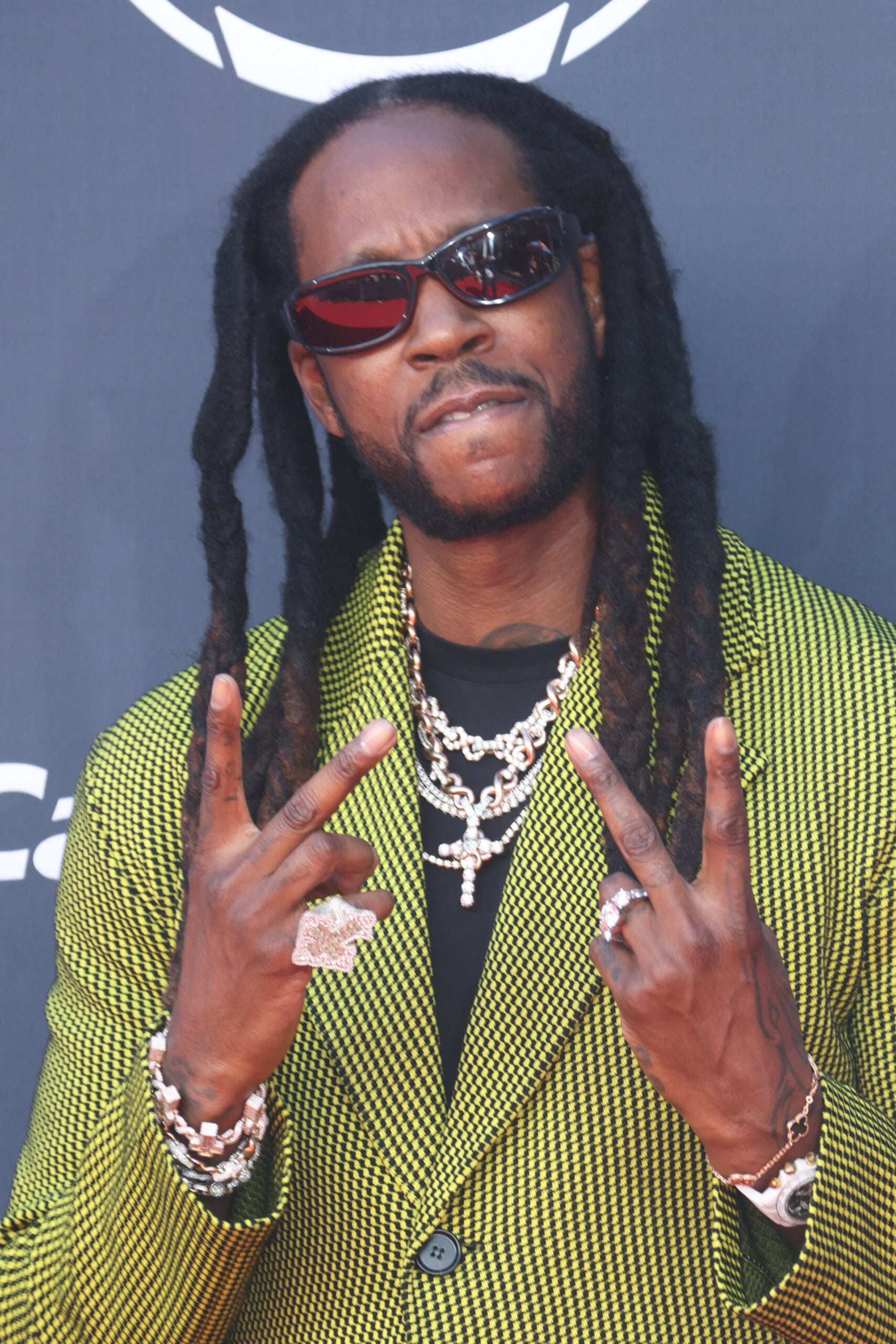
2 Chainz, born Tauheed Epps, is a Grammy-winning American rapper, songwriter, and entrepreneur whose career represents one of the most successful second acts in hip-hop history. Originally gaining fame as Tity Boi in the duo Playaz Circle, he rebranded in 2011 to achieve solo superstardom. As of 2026, he remains a central figure in the Atlanta music scene, a prolific media personality, and a diversified business owner with interests spanning hospitality, sports, and real estate.
The Early Years and the Playaz Circle Era
Before he was a household name, Tauheed Epps was a standout student and athlete in College Park, Georgia. His background is often cited as a foundational element of his business acumen. He attended Alabama State University on a basketball scholarship, demonstrating a level of academic and athletic discipline that would later translate into his relentless work ethic in the recording studio.
In the late 1990s, Epps formed the hip-hop duo Playaz Circle with his high school friend Earl "Dolla Boy" Conyers. Under the moniker Tity Boi, he spent years navigating the independent circuit and local Atlanta scene. The duo eventually signed to Ludacris’s Disturbing Tha Peace (DTP) label, a subsidiary of Def Jam. Their major breakthrough came in 2007 with the single "Duffle Bag Boy," featuring Lil Wayne. The track became an anthem of the "trap" subgenre, yet despite its success, the duo struggled to maintain consistent mainstream momentum. This period served as a crucial apprenticeship for Epps, allowing him to witness the inner workings of a major label and the importance of branding.
The Strategic Rebrand and Solo Ascension
In 2011, Epps made the pivotal decision to step away from the name Tity Boi—a name he often explained was a reference to being a "spoiled" child, but one that presented significant marketing hurdles. Rebranding as 2 Chainz, he signaled a "second chance" at the industry. He began a prolific run of mixtapes, most notably T.R.U. REALigion, which showcased a refined persona: charismatic, humorous, and immensely quotable.
His formal solo debut, Based on a T.R.U. Story (2012), debuted at number one on the Billboard 200. Driven by hits like "No Lie" featuring Drake and "Birthday Song" featuring Kanye West, the album solidified 2 Chainz as the "King of Features." During this era, his presence on a track almost guaranteed a chart boost. His lyrical style—characterized by punchy, one-line metaphors and a distinctive Southern drawl—became the blueprint for commercial trap music in the early 2010s.
Lyrical Style and Cultural Signature
The 2 Chainz "formula" relies on a blend of luxury boasting and relatability. Unlike some of his contemporaries who focused on the darker aspects of the street life, 2 Chainz introduced a sense of wit and "dad-joke" humor to trap music. His use of the "pause-flow" or "hashtag rap" style—where a statement is followed by a one-word punchline—became a cultural phenomenon.
Beyond the music, his visual identity became a brand in itself. Often seen draped in high-end Italian fashion, oversized jewelry, and sunglasses, he bridged the gap between the gritty aesthetic of Atlanta’s "trap houses" and the front rows of Paris Fashion Week. This duality allowed him to appeal to both core hip-hop fans and luxury brand advertisers.
Business Ventures and Media Empire
By 2026, the 2 Chainz brand has expanded far beyond the microphone. He is often used as a case study for rappers who successfully diversify their income streams to ensure longevity. His business portfolio is a mix of high-risk startups and stable investments.
The Most Expensivest and Media Presence
One of his most successful ventures outside of music is his partnership with Vice TV (and later GQ) for the series Most Expensivest. The show features 2 Chainz exploring the world's most exorbitant products, from $100,000 bottled water to gold-plated bongs. The series works because of his authentic curiosity and "everyman" reactions to extreme wealth, which helped him transition into a trusted television personality and influencer.
Hospitality and Real Estate
In Atlanta, 2 Chainz has been a significant player in the hospitality sector. He co-founded Esco Bar and Seafood, which expanded into multiple franchises. Although the venture faced typical industry challenges—including regulatory hurdles and management shifts—it established him as a serious restaurateur. Additionally, his "Pink Trap House" marketing campaign for the album Pretty Girls Like Trap Music became a viral landmark in Atlanta, eventually being used as a community center for HIV testing and educational programs, proving his ability to merge commercial promotion with social impact.
Sports Ownership
In 2019, 2 Chainz joined the ownership group of the College Park Skyhawks, the NBA G League affiliate of the Atlanta Hawks. This move was more than a vanity project; it was a homecoming that connected his past as a basketball player with his status as a community leader. His involvement has been credited with increasing the team's local visibility and integrating hip-hop culture into the game-day experience.
Discography and Career Milestones
The following table outlines the pivotal projects that defined his career trajectory from his solo debut through his veteran years.
| Year | Project Title | RIAA Status | Key Highlights |
|---|---|---|---|
| 2012 | Based on a T.R.U. Story | Platinum | Debut #1 on Billboard; Grammy nominated. |
| 2013 | B.O.A.T.S. II: Me Time | Gold | Featured the hit "Feds Watching." |
| 2016 | ColleGrove | Gold | Collaborative project with Lil Wayne. |
| 2017 | Pretty Girls Like Trap Music | Platinum | Critically acclaimed; solidified his veteran status. |
| 2019 | Rap or Go to the League | - | A&R’d by LeBron James; focused on social themes. |
| 2020 | So Help Me God! | - | Featured "Quarantine Thick" during the pandemic era. |
| 2022 | Dope Don't Sell Itself | - | A return to his high-energy trap roots. |
| 2023 | Welcome 2 Collegrove | - | Second major collaboration with Lil Wayne. |
Philanthropy and Community Impact
Tauheed Epps has consistently used his platform to support the College Park community. Through his T.R.U. Foundation, he has organized various charitable initiatives, including:
- Veterans Support: Donating rent and providing furniture for veterans in need.
- Holiday Giveaways: Annual programs providing toys and essentials to families in Georgia.
- Education: Offering scholarships and resources to students in the Atlanta public school system.
His approach to philanthropy is often "hands-on," leveraging his social media presence to bring immediate attention to local issues. This has earned him a level of respect that transcends his musical output, positioning him as a civic leader in the eyes of many Atlanta residents.
Technical Legacy in Hip-Hop Production
While 2 Chainz is the face of his brand, his ear for production is a critical component of his success. He was instrumental in bringing producers like Mike WiLL Made-It, Metro Boomin, and DJ Mustard into the mainstream spotlight. His ability to select beats that are both club-ready and sonically complex allowed his music to age better than many of his peers from the early 2010s.
His recording process is notoriously efficient. Known for his "freestyle" approach to verses, he often crafts hooks and bars in the booth rather than writing them down beforehand. This spontaneity contributes to the conversational and rhythmic flow that fans associate with the "2 Chainz sound."
Frequently Asked Questions
Why did 2 Chainz change his name from Tity Boi?
The name "Tity Boi" was a childhood nickname given by his father, signifying he was a "spoiled" only child (often referred to as a "titty baby" in Southern slang). As he sought mainstream success, he realized the name was difficult for radio DJs to say and off-putting to certain corporate sponsors. He chose "2 Chainz" to represent a second chance at his career and a more marketable, "family-friendly" image.
Is 2 Chainz still active in the music industry in 2026?
Yes, as of 2026, 2 Chainz remains active as both a recording artist and a mentor. While his release schedule has slowed compared to his 2012 peak, he focuses on high-quality collaborative projects, executive producing for younger artists on his T.R.U. (The Real University) label, and maintaining his presence through major festival appearances.
How much is 2 Chainz worth?
While exact figures vary, 2 Chainz has a multi-million dollar net worth derived from music royalties, touring, his Vice TV deal, and his various business holdings. His diverse portfolio—including the College Park Skyhawks and his restaurant ventures—has made him one of the wealthier figures in the Atlanta rap scene.
Did 2 Chainz really play college basketball?
Yes. 2 Chainz played Division I basketball at Alabama State University from 1995 to 1997. He appeared in over 24 games during his sophomore season. His background in competitive sports is a frequent theme in his music, most notably in the album Rap or Go to the League, which explores the limited perceived paths to success for young Black men in America.
What is "The Real University" (T.R.U.)?
T.R.U. is the independent record label founded by 2 Chainz. It serves as the primary vehicle for his own releases and a platform for emerging talent from Atlanta and beyond. The label emphasizes the "T.R.U." (The Real University) branding, which 2 Chainz has used since his early mixtape days to denote authenticity and street knowledge.
Engaging with the 2 Chainz Brand Today
For those looking to explore the world of 2 Chainz in 2026, the best approach is a multi-media experience. To understand his musical evolution, start with the "essential trio" of albums: Based on a T.R.U. Story for the hits, Pretty Girls Like Trap Music for the artistic peak, and Welcome 2 Collegrove for the technical lyricism.
Beyond the music, following his business journey via his official social media channels provides insight into his "mogul" mindset. Fans and entrepreneurs alike can learn from his ability to leverage a personal brand into diverse industries. Whether through his culinary ventures or his television appearances, 2 Chainz continues to demonstrate that longevity in hip-hop is achieved through a combination of consistent output and strategic adaptation.