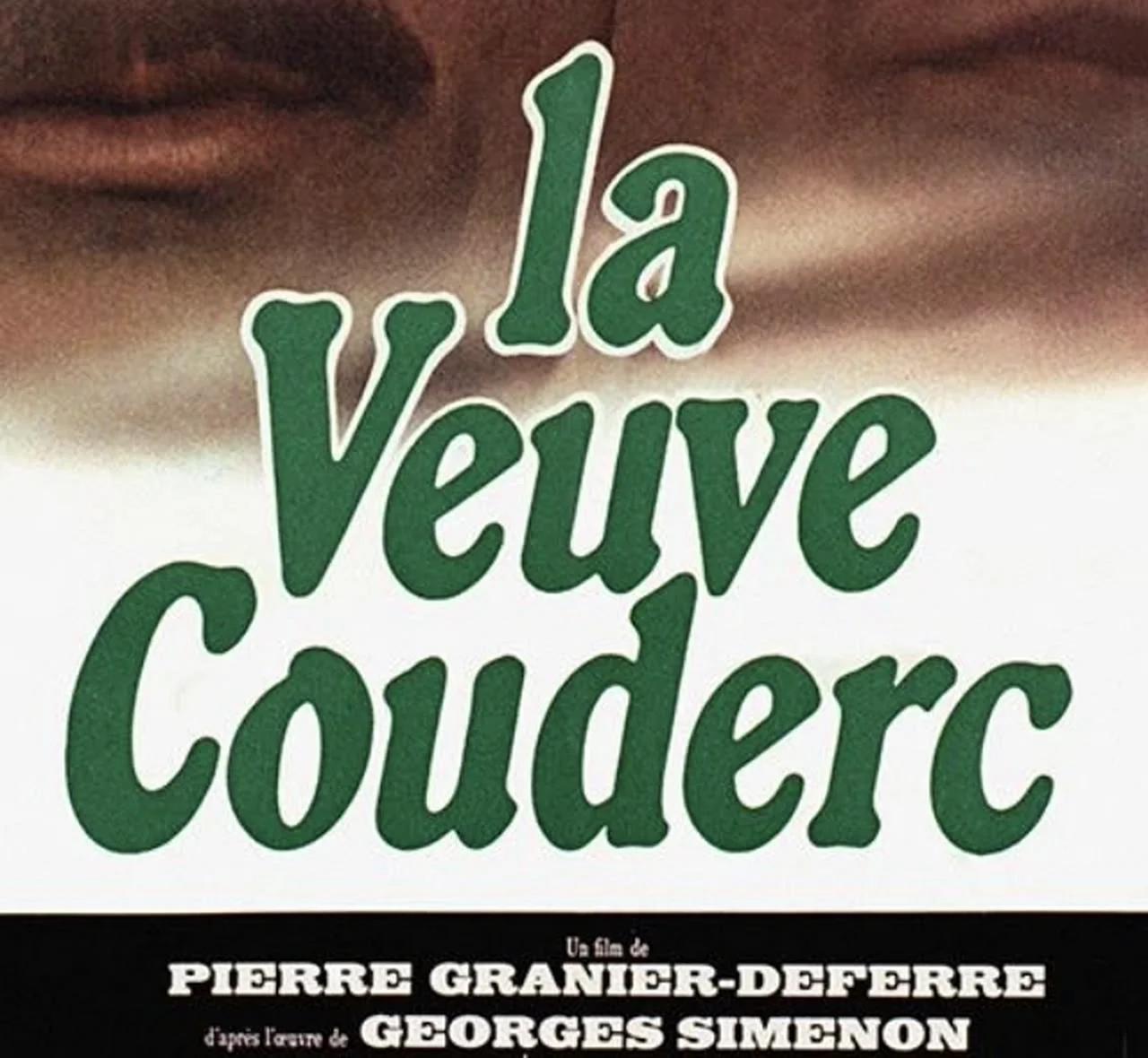
A 1971 adaptation refers to a cinematic or theatrical translation of a previously published literary work, stage play, or real-world event released during the calendar year 1971. These works frequently reflect the turbulent sociopolitical shifts of the early 1970s, reimagining source material through lenses of cynicism, psychological depth, and stylistic experimentation.
Context and Cultural Significance of 1971 Cinema
The year 1971 marked a pivotal transition in global filmmaking, sitting squarely within the New Hollywood era and coinciding with major shifts in European and international cinema. Studios faced declining box-office revenues through the late 1960s, prompting executives to grant unprecedented creative freedom to younger, auteur-driven directors. When these filmmakers tackled pre-existing source material, the resulting adaptations routinely subverted traditional narrative structures, happy endings, and conventional character arcs.
Adaptations from this period often traded the polished, moralizing certainty of mid-century studio pictures for moral ambiguity and harsh realism. Whether addressing dystopian futures, gritty crime syndicates, or psychological disintegration, a 1971 adaptation typically prioritized internal emotional landscapes over strict fidelity to the original plot. This shift was fueled by changing censorship codes, such as the implementation of the Motion Picture Association of America (MPAA) rating system in 1968, which allowed mature themes, explicit violence, and complex sexuality to be woven into previously sanitized narratives.
Notable Literary and Cinematic Adaptations of 1971
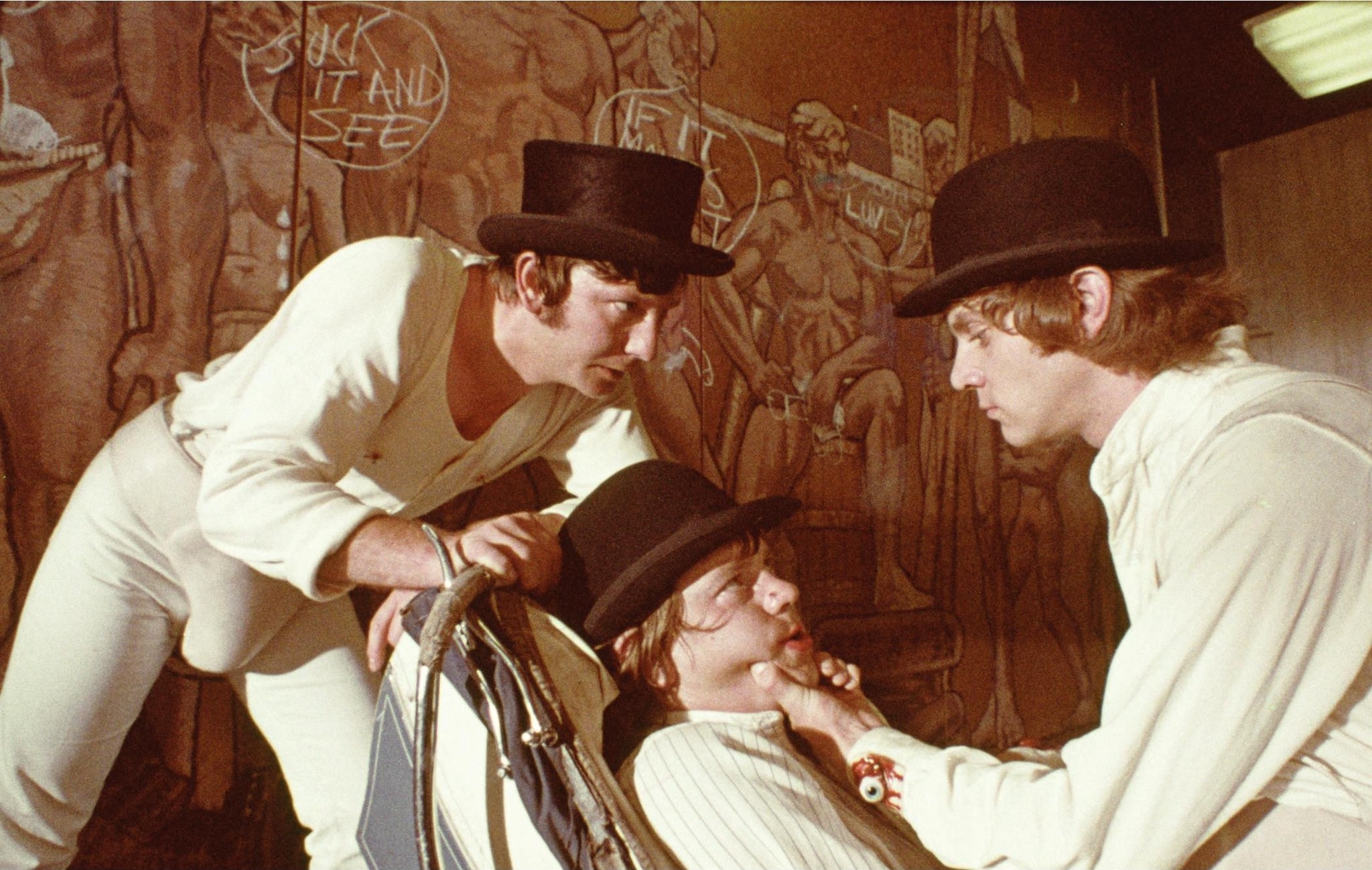
The sheer volume and diversity of source material translated to the screen in 1971 highlight a unique cross-section of genre filmmaking. Notable examples range from Anthony Burgess's dystopian novel A Clockwork Stanley Kubrick's film adaptation to William Peter Blatty's pre-production buzz, though The Exorcist novel published that year would not hit screens until 1973. However, films released in 1971 cemented lasting cultural touchstones across science fiction, crime drama, and psychological horror.
| Title | Source Material Type | Original Author / Creator | Key Thematic Shift in Adaptation |
|---|---|---|---|
| A Clockwork Orange | Novel (1962) | Anthony Burgess | Emphasized visual hyper-stylization and dark satire over the novel's final rehabilitated chapter. |
| The French Connection | Non-Fiction Book (1969) | Robin Moore | Replaced traditional police procedural tropes with gritty, documentary-style handheld cinematography and moral grey areas. |
| Straw Dogs | Novel (The Siege of Trencher's Farm, 1969) | Gordon Williams | Translocated the setting from England to rural America (later filmed by Sam Peckinpah in the UK) to explore escalating primal violence. |
| Carnal Knowledge | Stage Play / Original Script | Jules Feiffer | Expanded theatrical dialogue into an unsparing, claustrophobic character study on changing sexual politics. |
Technical and Stylistic Innovations in 1971 Productions
Translating source material to the screen in 1971 required navigating rapidly evolving cinematic technology and production techniques. Filmmakers increasingly abandoned controlled backlot soundstages in favor of location shooting, utilizing natural lighting, lightweight handheld cameras, and sophisticated multi-track sound recording. These technical developments profoundly altered how prose and theatrical scripts were brought to life.
For instance, exterior location shooting captured decaying urban landscapes that mirrored the psychological decay of characters in crime and thriller adaptations. Zoom lenses, rapid editing rhythms, and fragmented narrative sequencing became standard tools for directors attempting to capture subjective states of mind. Sound design also emerged as a primary narrative driver; rather than relying purely on orchestral scores, sound editors utilized ambient noise, dissonant avant-garde compositions, and sparse silence to heighten tension and underscore the alienation inherent in the source texts.
Fidelity Versus Artistic Interpretation
A central debate surrounding any 1971 adaptation involves the tension between literal fidelity to the source text and independent artistic expression. Purists often criticize adaptations from this era for omitting vital subplots, compressing character relationships, or altering climactic resolutions to fit prevailing countercultural attitudes. Conversely, film theorists argue that a successful adaptation must function as an autonomous work of art rather than a mere visual illustration of a book.
Directors in 1971 frequently treated source material as a jumping-off point rather than an unalterable blueprint. By stripping away exposition and emphasizing visual storytelling, these adaptations forced audiences to engage critically with the material. This approach occasionally drew sharp criticism from original authors—most famously Anthony Burgess's mixed reception to Stanley Kubrick's omission of the book's redemptive final chapter—yet it simultaneously elevated the adapted film into a distinct cultural artifact that often outlived the immediate popularity of the source text.
Assessing the Critical and Commercial Reception
The box office performance and critical reception of 1971 adaptations varied wildly, reflecting a transitional audience divided between traditional escapism and challenging modern cinema. While some releases faced immediate censorship battles, walkouts, or financial struggles due to their uncompromising content, others achieved simultaneous commercial blockbusters status and critical acclaim.
Critical reception often hinged on how effectively a film translated interior literary monologues into external cinematic action. Reviewers of the era praised directors who found visual equivalents for complex psychological themes, while panning those who relied on heavy-handed exposition. Over subsequent decades, historical reassessment has been exceptionally kind to the 1971 adaptation landscape, with many titles previously deemed too controversial or bleak now recognized as foundational masterpieces of modern cinema.
Frequently Asked Questions
What defines a 1971 adaptation?
A 1971 adaptation is a film, television, or theatrical production based on pre-existing source material that was released to the public during the calendar year 1971, typically characterized by the stylistic and thematic sensibilities of the New Hollywood movement.
Why do many 1971 adaptations feel darker than their source material?
The early 1970s coincided with widespread disillusionment regarding political scandals, social unrest, and shifting moral codes. Filmmakers channeled these anxieties into their projects, frequently emphasizing cynicism, institutional corruption, and psychological realism over tidy resolutions found in older source texts.
Did original authors usually approve of 1971 film adaptations?
Author reactions were sharply divided. While some authors collaborated closely with screenwriters, others—such as Anthony Burgess regarding A Clockwork Orange—expressed frustration when directors altered character arcs, themes, or endings to suit cinematic storytelling.
How did the rating system impact 1971 adaptations?
The introduction of the MPAA rating system in 1968 liberated filmmakers to explore mature themes, explicit violence, and complex adult relationships without facing outright censorship bans, allowing adaptations of provocative novels to remain faithful to their edgy source material.
Are 1971 adaptations still relevant to modern film studies?
Yes, film historians and scholars frequently study 1971 releases as a watershed moment for how literature and drama can be deconstructed and reinvented through advanced cinematography, location shooting, and auteur-driven direction.
Strategic Next Steps for Film and Literature Researchers
Researchers, archivists, and cinephiles examining this era should begin by reviewing original trade publications, contemporaneous newspaper reviews, and restored physical media releases from 1971. Comparing unproduced screenplays housed in university archives against final release cuts provides invaluable insight into how studio notes and censorship boards shaped these adaptations. When analyzing specific texts, prioritize primary sources including the original novels or plays alongside director's commentary tracks and production logs to fully map the transformation from page to screen.