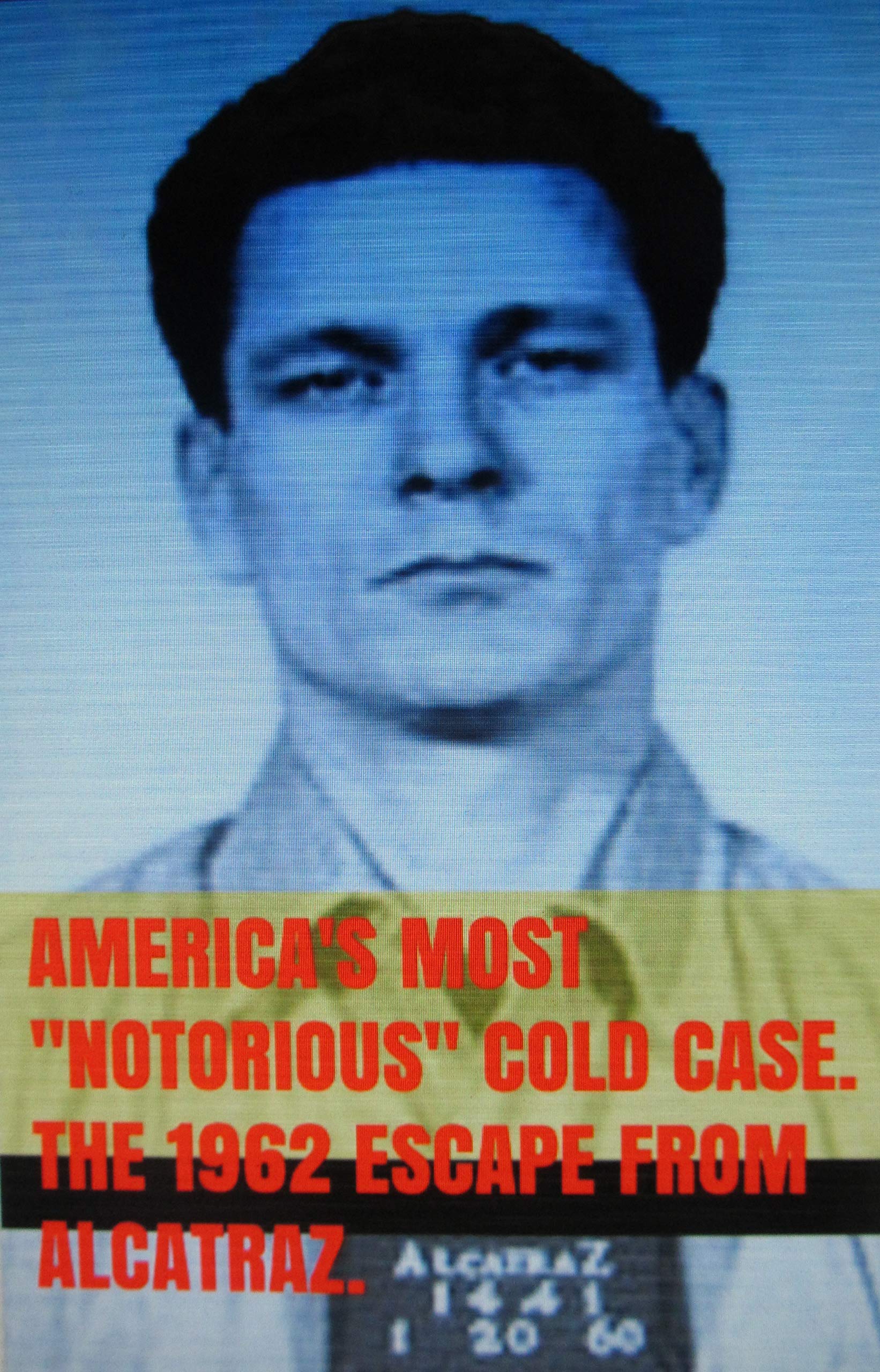
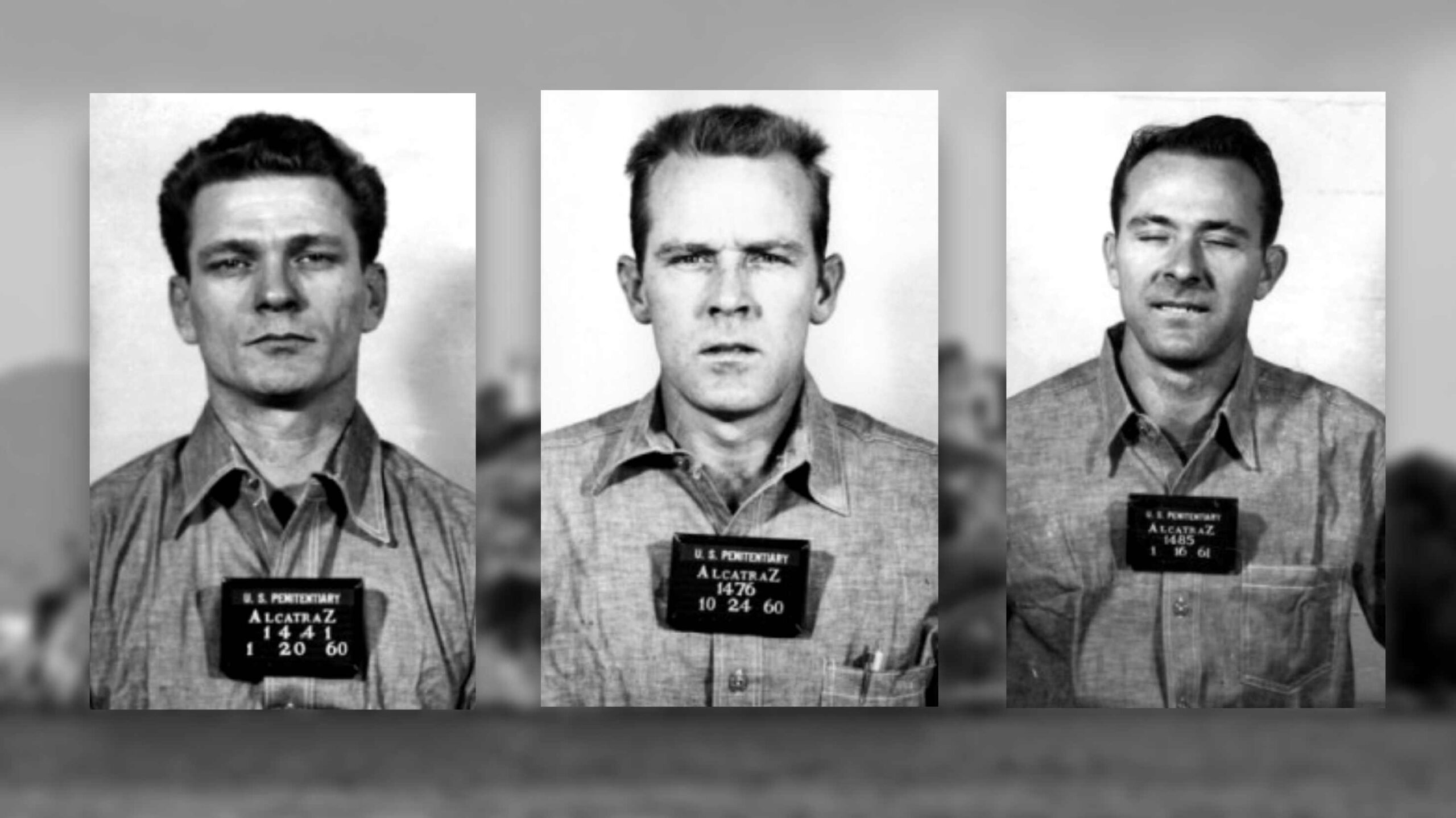
The 1962 escape from Alcatraz Federal Penitentiary was a meticulously planned and executed breakout by inmates Frank Morris and brothers John and Clarence Anglin. Utilizing handmade tools, papier-mâché heads as decoys, and a makeshift raft, the trio successfully breached the maximum-security island facility, leaving behind one of the most enduring mysteries in American criminal history.
Historical Context and Security Standing of Alcatraz in 1962
By 1962, the United States Penitentiary on Alcatraz Island in San Francisco Bay was widely regarded as America’s most escape-proof federal prison. Opened as a federal penitentiary in 1934, the institution was designed to house the nation's most incorrigible, dangerous, and high-escape-risk offenders. The architectural layout leveraged natural geographic barriers: freezing, turbulent waters, strong currents, and a treacherous distance from the mainland. Federal authorities maintained a high guard-to-inmate ratio and implemented strict operational protocols, including multiple daily roll calls and physical security inspections of cell bars and infrastructure.
Despite these measures, the physical plant of the cellhouse was already aging by the early 1960s. The moisture-laden marine air of San Francisco Bay had accelerated corrosion on the utility corridors and the tool-resistant steel bars lining the cell blocks. Inmates Frank Morris, John Anglin, Clarence Anglin, and a fourth accomplice, Allen West, recognized these structural vulnerabilities. Over many months, they exploited the salt-corroded concrete and inferior mortar surrounding the ventilation grates at the back of their cells in the B-Block, transforming a minor maintenance flaw into a viable escape route.
Preparation and Engineering of the Breakout Tools
The success of the 1962 escape depended on advanced ingenuity and resourcefulness within the confines of maximum-security confinement. Lacking conventional mechanical tools, the inmates fabricated substitutes using everyday materials stolen or scavenged from various prison work areas. The primary instrument used to chip away the concrete around the cell ventilation ducts was a discarded metal spoon stolen from the prison dining hall, which had been modified and soldered with silver from a stolen dime to function as a chisel. A small electric motor, salvaged from a broken vacuum cleaner used in the prison barbershop, was repurposed into an improvised drill to weaken the stubborn masonry bolts and steel frames.
To conceal the progressive damage to the rear cell walls, the inmates constructed false panels using cardboard, paint, and cement dust gathered from the prison maintenance shops. These decoy panels could be slotted into place during guards' inspections, completely hiding the openings that led into the dark, unmonitored utility corridor behind the cell tier.
| Inmate Role | Primary Assigned Task | Materials Utilized |
|---|---|---|
| Frank Morris | Mastermind and tool fabrication | Spoon, electrical motor, handmade drill |
| John Anglin | Raft construction and decoy creation | Raincoats, cement dust, human hair |
| Clarence Anglin | Logistics, decoy creation, and stitching | Raincoats, thread, salvaged tools |
| Allen West | Utility corridor excavation and mortar removal | Vacuum motor, metal files, scrap metal |
Construction of the Improvised Raft and Life Preservers
Escaping Alcatraz required traversing approximately 1.5 miles of frigid, fast-moving open water between the island and the Marin County shore. Recognizing that swimming the distance was nearly impossible due to water temperatures and hypothermia risks, the conspirators constructed a seaworthy raft and functional life preservers. They manufactured these flotation devices by collecting over 50 standard rubberized prison raincoats, stitching the seams together meticulously with heavy-duty thread, and sealing them with rubber cement melted down from stolen supplies.
The inflation apparatus for the raft was equally inventive; the inmates constructed a compact, hand-pumped system using modified accordion-style tubing salvaged from the prison music room. Life preservers were built using the same waterproof raincoat material, designed to keep the men afloat if the main raft deflated or capsized in the choppy bay. Additionally, the group manufactured wooden paddles from scrap lumber and screws obtained in the industrial workshop, ensuring they could navigate the currents once they launched from the island's rocky shoreline.
Execution of the Escape Night on June 11, 1962
On the night of June 11, 1962, the conspiracy entered its final operational phase. The inmates placed highly realistic papier-mâché heads—constructed from a mixture of toilet paper, soap, plaster, paint, and actual human hair collected from the prison barbershop—in their bunks to deceive the night-shift guards during hourly bed checks.
1. Inmates place papier-mâché decoy heads in bunks. 2. Prisoners breach utility corridor through widened ventilation shafts. 3. Inmates climb to the unsecured roof of the cellhouse block. 4. The group descends to the shoreline and inflates the raincoat raft. 5. Inmates launch into San Francisco Bay toward Marin County.
Frank Morris, John Anglin, and Clarence Anglin successfully forced their way through the widened ventilation openings into the utility corridor, climbed up the plumbing pipes to the roof of the cellhouse, and descended a ventilation pipe to the ground. Allen West, however, encountered difficulties; the cement he had used to patch his wall had hardened slightly, delaying his exit by a critical margin. By the time West broke through his wall, his accomplices had already departed. Deprived of their assistance, West remained behind and was later questioned by federal investigators, providing the primary firsthand account of the escape mechanics. The three primary escapees made their way to the northeastern shore of Alcatraz Island, inflated their raincoat raft, and pushed off into the dark waters of San Francisco Bay, never to be officially seen or heard from again.
Investigation, Recovery Efforts, and Historical Theories
The following morning, guards discovered the hollow decoy heads during the routine 7:00 AM count, prompting one of the most extensive manhunts in West Coast history. The Federal Bureau of Investigation (FBI), alongside the United States Coast Guard and local law enforcement agencies, scoured the bay, shoreline, and surrounding mainland regions. Search teams recovered several crucial pieces of physical evidence over the subsequent weeks and months, including a paddle floating near Angel Island, fragments of a raincoat consistent with the raft materials, and a waterproof packet containing personal photographs and letters belonging to the Anglin brothers.
Over the decades, investigators and independent researchers have debated whether the three men survived the treacherous crossing. The official FBI stance, maintained until the case was transferred to the U.S. Marshals Service in 1979, concluded that the men likely drowned in the freezing waters of the bay, pointing to the extreme environmental conditions, the crude nature of the raft, and the absence of any confirmed post-escape sightings of verifiable credit card or banking activity. Conversely, family members of the Anglin brothers have repeatedly presented circumstantial evidence, including unverified photographs and deathbed accounts, suggesting the men successfully reached South America and lived under assumed identities for decades.
Frequently Asked Questions
Did anyone survive the 1962 Alcatraz escape?
No conclusive physical or documentary evidence has ever confirmed that Frank Morris, John Anglin, or Clarence Anglin survived the escape attempt. While federal authorities and the FBI officially classified them as presumed drowned, the U.S. Marshals Service kept the arrest warrants active due to the lack of a verified body recovery.
What happened to Allen West after the escape?
Allen West failed to clear his cell wall in time because the cement around his ventilation grate had set too firmly. He remained behind, abandoned the attempt, and later cooperated fully with FBI investigators, providing detailed testimony regarding the planning, tool fabrication, and execution phases of the breakout.
How were the decoy heads made?
The inmates constructed the realistic heads using a paste made from wet toilet paper, soap, plaster, and paint. They secured real human hair clippings from the prison barbershop to give the heads a convincing appearance in dim lighting, successfully fooling the guards during nighttime flashlight inspections.
Why was Alcatraz chosen as a federal prison?
Alcatraz Island was selected due to its geographic isolation in San Francisco Bay. Surrounded by deep, cold, and fast-flowing water, the island offered natural physical barriers that federal administrators believed made it virtually impossible for inmates to escape without advanced outside assistance.
Is Alcatraz still operating as a prison?
No, the United States Penitentiary on Alcatraz Island was permanently closed on March 21, 1963, by Attorney General Robert F. Kennedy. The closure was ordered primarily due to the exorbitant operating and maintenance costs associated with transporting all supplies, including fresh water, to the isolated island.