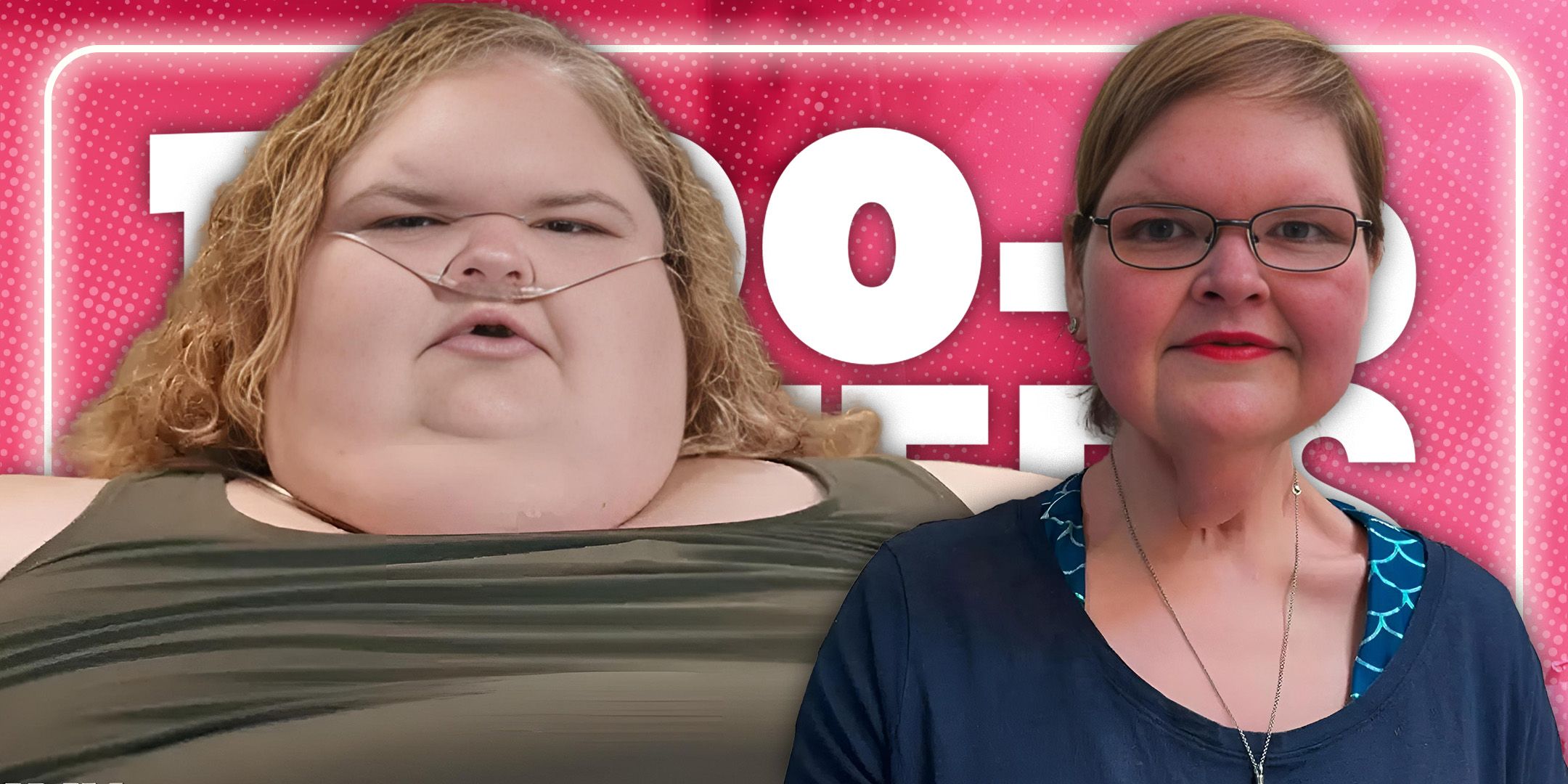
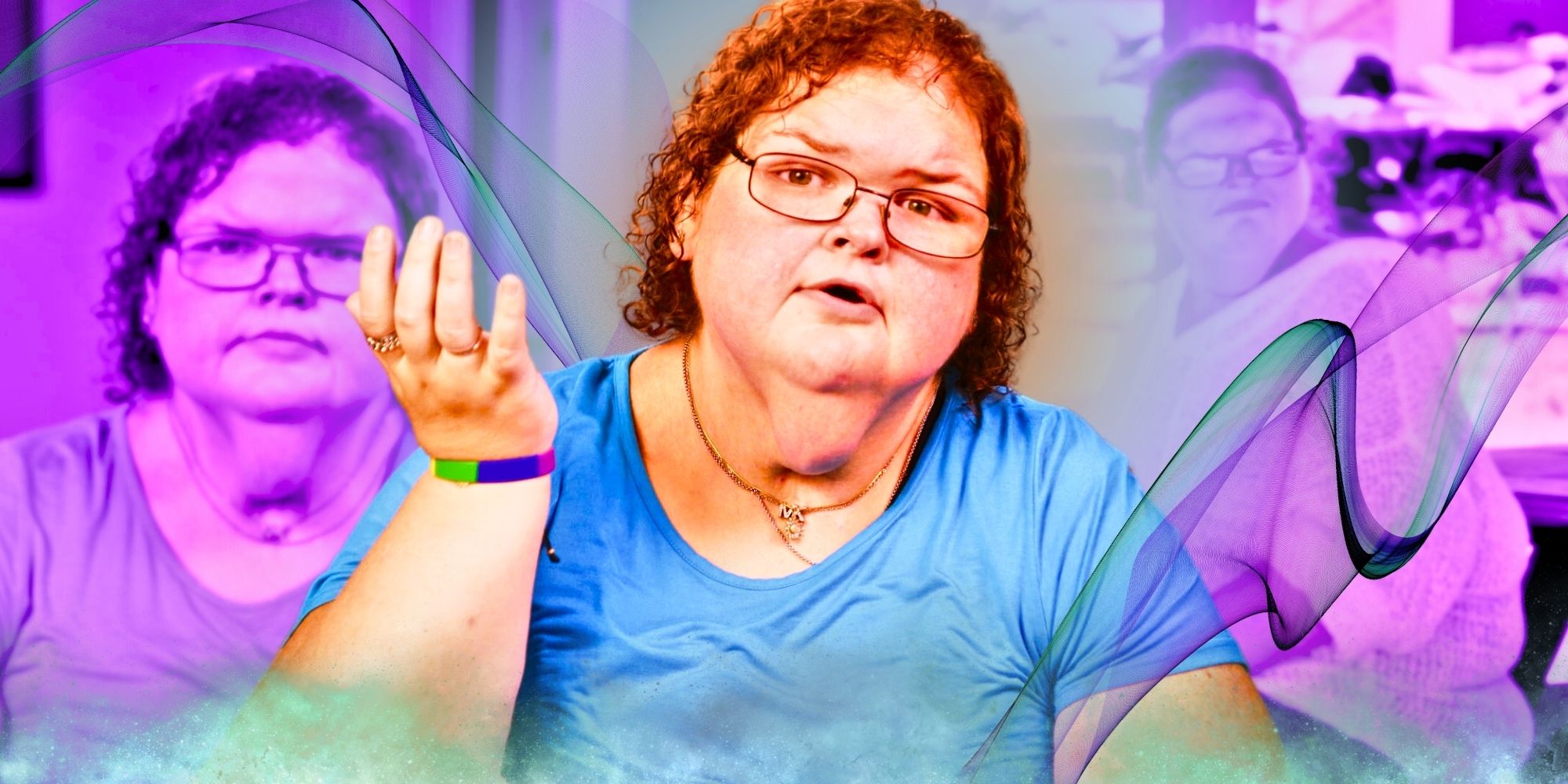
TLC’s 1000-lb Sisters star Tammy Slaton has achieved a remarkable physical transformation, shedding over 400 pounds from her peak weight of more than 700 pounds. Following successful bariatric surgery, the removal of her tracheostomy tube, and regaining independent physical mobility, Tammy continues to navigate long-term maintenance, mental health support, and evaluations for skin removal procedures.
The Evolution of Tammy Slaton’s Weight Loss Timeline
Tammy Slaton’s health journey has been one of the most publicly documented extreme weight-loss transformations in reality television history. When 1000-lb Sisters premiered on TLC, Tammy weighed over 700 pounds, facing severe mobility constraints and life-threatening medical complications. For several seasons, her progress was stalled by emotional eating, behavioral challenges, and recurrent hospitalization due to respiratory failure and severe infections.
The major turning point in Tammy's journey occurred in late 2021 when she suffered a severe medical emergency. After experiencing carbon dioxide toxicity and respiratory failure, she was placed in a medically induced coma and received a tracheostomy to assist her breathing. Following her hospital release, she entered a specialized bariatric rehabilitation facility in Windsor, Ohio.
During her extended stay at the rehab facility, Tammy committed to a structured dietary and therapeutic regimen. To qualify for weight loss surgery, her medical team—led by bariatric surgeon Dr. Eric Smith—set a strict target weight goal of 380 pounds. Tammy exceeded expectations by lowering her weight significantly past the required threshold, proving her physiological readiness for surgical intervention.
- Peak Weight (~725 lbs)
- Medical Rehab Stay
- Target Reached (<380 lbs)
- Bariatric Surgery
- Current Status (~275 lbs)
Surgical Interventions and Key Medical Milestones
The physical transformation of Tammy Slaton involved major surgical procedures alongside critical respiratory milestones. Understanding these medical interventions highlights the complex physiological shifts required during extreme weight loss.
Bariatric Surgery
In mid-2022, Tammy underwent a successful bariatric procedure (gastric sleeve surgery). Gastric sleeve resection involves removing a large portion of the stomach, leaving a smaller sleeve-shaped pouch. This limits food intake and reduces the hunger-stimulating hormone ghrelin. According to the National Institute of Diabetes and Digestive and Kidney Diseases (NIDDK), metabolic and bariatric surgeries alter the gastrointestinal tract to induce significant weight loss and help resolve obesity-related comorbidities like sleep apnea, type 2 diabetes, and hypertension.
Tracheostomy Decannulation and Oxygen Independence
One of Tammy's most notable achievements was the removal of her tracheostomy tube (decannulation). After relying on artificial airway support and continuous supplemental oxygen for roughly two years, her lung capacity and blood oxygen saturation improved sufficiently to allow her breathing tube to be removed. Reclaiming independent breathing marked a critical transition from intensive medical dependency to functional recovery.
Total Weight Loss to Date
From a peak weight reported near 725 pounds down to recent updates placing her weight around 275 to 285 pounds, Tammy has lost approximately 440 pounds. This reduction represents more than 60 percent of her total body mass, placing her in an elite tier of successful bariatric outcomes.
Everyday Impact: Gaining Mobility and Personal Independence
Beyond the numbers on the scale, the primary outcome of Tammy Slaton’s weight loss has been the recovery of her physical independence. For years, severe obesity left her largely bedbound or dependent on a custom heavy-duty wheelchair, requiring assistance for basic daily activities.
Past Status: Bedbound / Full Wheelchair Support / Specialized Transport
Current Status: Independent Walking / Standard Passenger Car Access / Commercial Airline Travel
Unassisted Walking: Tammy transitioned from using a walker and transport chair to walking entirely on her own. Restoring leg strength and joint function required extensive physical therapy to rebuild muscle mass lost during long periods of immobility.
Standard Vehicle Access: Previously, traveling required specialized wheelchair-accessible vans. Today, Tammy can sit comfortably in standard passenger car seats and use regular seatbelts, fundamentally changing her daily transportation options.
Public Outings and Travel: Reduced physical limitations have allowed Tammy to engage in activities once impossible, including attending public events, going to amusement parks, and traveling on commercial flights without requiring specialized medical support.
Navigating Grief, Mental Health, and Emotional Growth
Extreme weight loss requires profound psychological adaptation. During her stay at the Ohio rehabilitation facility, Tammy met Caleb Willingham, a fellow patient working through his own weight loss journey. The couple married in late 2022 at the treatment facility, sharing a mutual goal of health restoration.
However, the journey faced a devastating setback in July 2023 when Caleb Willingham unexpectedly passed away. Navigating intense personal grief while remaining committed to long-term health goals posed a severe challenge to Tammy's emotional resilience. Historically, psychological distress had triggered periods of binge eating and health regression for Tammy.
To maintain her progress, Tammy engaged in regular therapy to address emotional eating, past trauma, and the mental burden of public scrutiny. Mental health professionals working in metabolic care emphasize that sustained weight loss is rarely possible without long-term psychological support, as emotional regulation strategies must replace former food-based coping mechanisms.
Future Medical Steps: Skin Removal Surgery and Maintenance
Following a weight reduction exceeding 400 pounds, patients face significant issues with redundant cutaneous tissue (excess skin). While weight loss improves cardiovascular and metabolic health, extreme skin laxity creates new physical and clinical difficulties.
- Massive Weight Loss
- Excess Skin Accumulation
- Surgical Consultation
- Weight Stabilization (12–18 mos)
- Contouring Surgery
The Clinical Necessity of Skin Removal
Excess skin post-bariatric surgery is not merely a cosmetic concern; it presents distinct medical challenges:
- Chronic Skin Breakdown: Overlapping skin folds cause moisture retention, leading to recurrent fungal infections, intertrigo, and skin ulcerations.
- Mobility Impairment: Heavy aprons of skin (panniculus) pull on the lower back and pelvis, causing postural misalignment, gait abnormalities, and localized pain.
- Hygiene Limitations: Managing severe skin redundancy requires complex daily hygiene routines to prevent bacterial complications.
Criteria for Reconstructive Procedures
To qualify for body contouring procedures such as a panniculectomy or arm/thigh lifts, patients must satisfy strict clinical guidelines established by organizations such as the American Society of Plastic Surgeons:
- Weight Stability: Patients must maintain a stable weight for at least 6 to 12 months to ensure post-surgical healing is not compromised by continuing weight fluctuations.
- Nutritional Adequacy: Bariatric patients must demonstrate optimal protein levels and vitamin balance (such as adequate levels of vitamins D, B12, and iron) via blood work to support wound healing.
- Smoking Cessation and Overall Clearance: Patients must be nicotine-free and receive clearance from both their bariatric surgeon and cardiologist to withstand prolonged anesthesia.
Summary of Key Milestones in Tammy Slaton's Weight Loss Journey
The table below outlines the core progression of Tammy Slaton’s health status, key medical milestones, and primary challenges throughout her public transformation.
| Transformation Phase | Approximate Weight | Key Medical / Physical Achievement | Primary Health Focus & Challenges |
|---|---|---|---|
| Initial TV Debut (Early Seasons) | 700+ lbs | Initial public recognition and medical assessment | Severe immobility, food addiction, oxygen dependency |
| Critical Emergency (Late 2021) | 717–725 lbs | Hospitalization recovery; placement of tracheostomy | Medically induced coma, respiratory failure, high risk of mortality |
| Rehabilitation & Surgery (2022) | Reached <380 lbs goal | Successful bariatric (gastric sleeve) surgery | Strict caloric restriction, fluid goals, psychological therapy |
| Airway Recovery (2023) | 300–330 lbs | Tracheostomy decannulation; off oxygen support | Pulmonary rehab, grief processing, restoring unassisted mobility |
| Current Status & Maintenance | ~275 lbs | Full independent walking, standard travel capability | Skin removal consultations, long-term caloric adherence, joint care |
Practical Insights from Severe Bariatric Transformations
Tammy Slaton’s journey offers critical takeaways for individuals considering or undergoing major bariatric transformations. Extreme obesity management is a lifelong medical process, not a quick physical change.
Key Factors for Sustained Bariatric Success
- Multidisciplinary Medical Teams: Long-term success relies on collaboration between bariatric surgeons, registered dietitians, physical therapists, and mental health providers.
- Nutritional Discipline: Gastric sleeve patients must prioritize protein intake (typically 60–80 grams daily) to prevent lean muscle mass loss, alongside lifelong daily micronutrient supplementation.
- Behavioral Re-education: Addressing emotional eating patterns through Cognitive Behavioral Therapy (CBT) or specialized addiction counseling is vital to prevent weight regain.
- Patience with Post-Surgical Phases: The period between initial weight loss and reconstructive plastic surgery often requires months of clinical documentation, physical therapy, and steady weight maintenance.
Disclaimer: Information regarding bariatric surgery standards, medical criteria, and health management is for educational purposes based on general medical literature and public media documentation. Individuals seeking weight loss treatment should consult directly with licensed medical professionals.
Frequently Asked Questions About Tammy Slaton’s Progress
How much weight has Tammy Slaton lost in total?
Tammy Slaton has lost over 440 pounds from her highest recorded weight of approximately 725 pounds down to roughly 275 pounds.
Did Tammy Slaton have weight loss surgery?
Yes, Tammy underwent bariatric surgery (gastric sleeve procedure) in mid-2022 after successfully meeting her pre-surgery target weight of under 380 pounds while in a specialized Ohio rehabilitation facility.
Is Tammy Slaton still on oxygen or using a tracheostomy?
No, Tammy’s tracheostomy tube was removed (decannulated) after her lung function improved, and she no longer requires continuous supplemental oxygen for daily activities.
Has Tammy Slaton had skin removal surgery yet?
As of recent updates, Tammy has been evaluated for skin removal surgery. Approval for body contouring procedures requires a period of stable weight maintenance, nutritional optimization, and clearance from a surgical team.
Can Tammy Slaton walk on her own now?
Yes, Tammy walks independently without relying on a wheelchair or walker, a major milestone after years of limited mobility.
Key Takeaways for Following Bariatric Transformations
Following an extreme weight loss journey like Tammy Slaton’s requires understanding the medical realities behind reality television narratives. Sustainable weight loss is driven by metabolic intervention, structural behavioral shifts, and consistent psychological support.
For readers inspired by extreme weight loss outcomes, the standard clinical progression involves:
- Consulting a primary care physician to discuss bariatric eligibility and weight management options.
- Undergoing comprehensive medical, dietary, and psychological evaluations prior to surgical consideration.
- Establishing long-term lifestyle habits focused on nutrient-dense food, structured exercise, and mental healthcare to maintain health goals long after surgery.