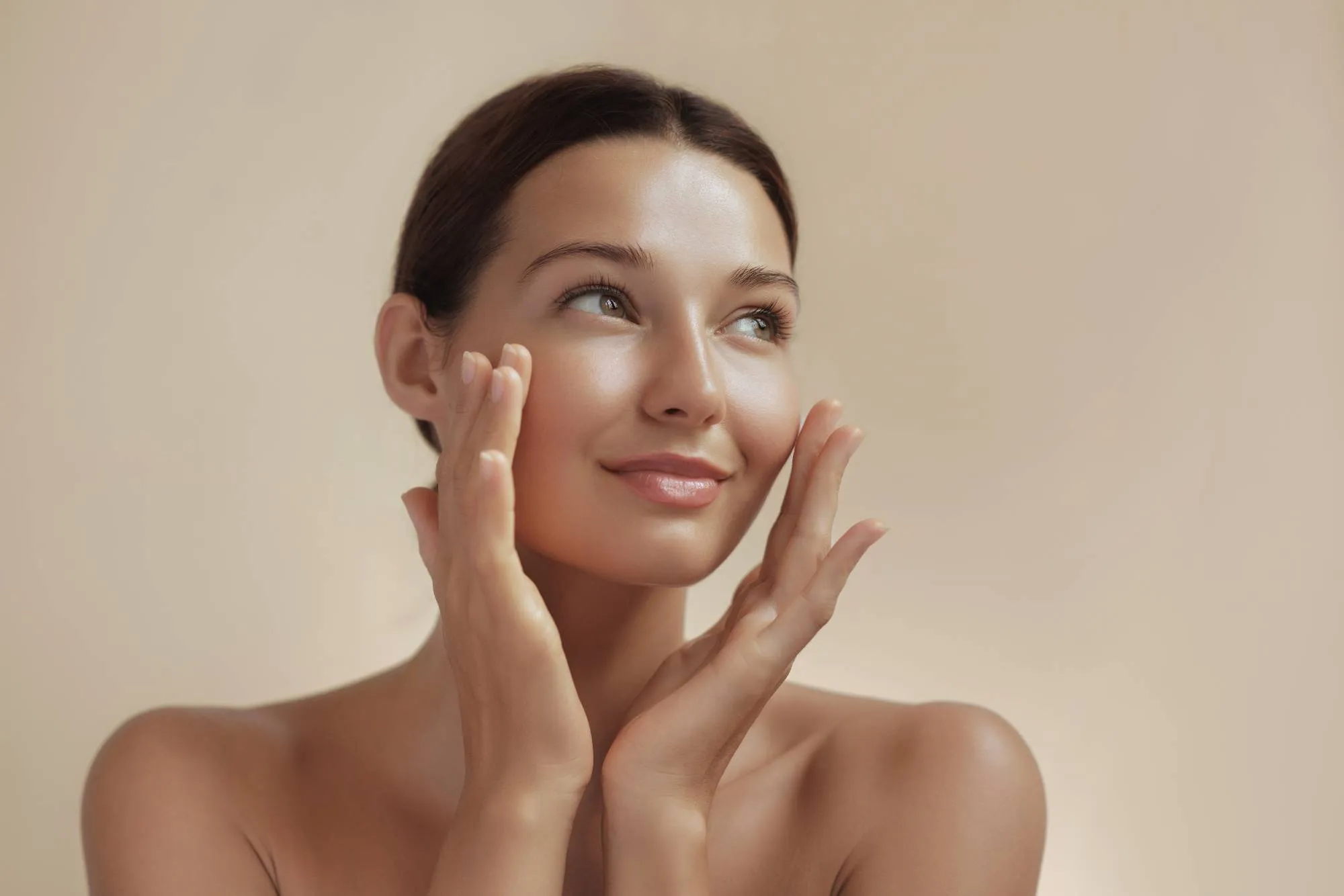
Achieving glowing skin in 2026 requires a strategic combination of consistent hydration, targeted active ingredients like Vitamin C and retinoids, and a rigorous commitment to skin barrier health. By prioritizing cellular turnover and moisture retention over superficial coverage, you can foster a resilient, radiant complexion that reflects health from the inside out.
1. Master the Art of Double Cleansing
The foundation of a radiant complexion begins with a clean slate, but traditional washing often fails to remove the complex layers of modern skincare. Double cleansing is a two-step process designed to ensure that no debris remains to clog pores or dull the skin's surface. In 2026, with the prevalence of long-wear mineral sunscreens and urban pollutants, this practice is non-negotiable for anyone seeking a "lit-from-within" glow.
The first step involves an oil-based cleanser or a micellar balm. The scientific principle here is that "like dissolves like." Oil-based cleansers effectively break down lipophilic substances, such as excess sebum, waterproof makeup, and the silicone-based filters found in many high-SPF sunscreens. Without this step, these substances can form a film on the skin, leading to congestion and preventing subsequent treatment products from penetrating effectively.
The second step utilizes a water-based cleanser—typically a gel, foam, or cream—to remove any remaining residue and water-soluble impurities like sweat and environmental dust. By ensuring the skin is thoroughly purified without being stripped of its natural lipids, you create an optimal environment for the next steps in your routine. Over-cleansing with harsh surfactants can damage the acid mantle, so it is vital to choose pH-balanced formulas that respect the skin’s biological equilibrium.
2. Prioritize Chemical Exfoliation Over Physical Scrubs
For decades, physical scrubs with large, irregular particles were the standard for smoothing skin. However, modern dermatological consensus in 2026 favors chemical exfoliation for its precision and ability to promote a more uniform glow. Chemical exfoliants work by weakening the "glue" (desmosomes) that holds dead skin cells together, allowing them to shed naturally and reveal the fresher, more hydrated cells beneath.
Alpha Hydroxy Acids (AHAs), such as glycolic and lactic acid, are water-soluble and excellent for treating surface-level dullness and hyperpigmentation. Glycolic acid, with its small molecular size, penetrates deeply to stimulate collagen production, while lactic acid acts as a humectant, pulling moisture into the skin as it exfoliates. For those with oily or acne-prone skin, Beta Hydroxy Acids (BHAs), specifically salicylic acid, are oil-soluble, meaning they can penetrate deep into the pores to clear out blockages that cause shadows and texture.
The key to a successful exfoliation routine is moderation. Over-exfoliating can lead to chronic inflammation, which ironically makes the skin look duller and more sallow. Most skin types benefit from chemical exfoliation two to three times per week. This cadence supports the natural 28-day cell turnover cycle without inducing the redness or sensitivity associated with a compromised skin barrier.
3. Implement Strategic Hydration Layering
"Glowing" skin is fundamentally well-hydrated skin. When the stratum corneum (the outermost layer of the epidermis) is saturated with moisture, it becomes more translucent and reflects light more evenly. In 2026, the "glass skin" aesthetic has evolved into "moisture-sandwiching," a technique where humectants are applied to damp skin and then sealed with emollients.
Humectants like hyaluronic acid, glycerin, and polyglutamic acid are essential because they can hold many times their weight in water. However, applying these to bone-dry skin in a low-humidity environment can actually draw moisture out of the deeper layers of the dermis, leading to dehydration. The most effective way to use these is to apply a hydrating toner or essence immediately after cleansing while the skin is still slightly wet.
Following the humectant layer, you must apply an occlusive or emollient moisturizer. This "sealant" prevents Transepidermal Water Loss (TEWL), a process where water evaporates from the skin into the air. By creating this physical barrier, you ensure that the hydration remains trapped within the skin cells, maintaining a plump, bouncy texture that is the hallmark of a healthy beauty routine.
4. Utilize High-Potency Vitamin C for Antioxidant Protection
Environmental stressors, including UV radiation and urban pollution, generate free radicals that break down collagen and trigger melanin overproduction. Vitamin C (L-ascorbic acid) remains the gold standard for neutralizing these threats and brightening the complexion. In 2026, stabilized Vitamin C derivatives and encapsulated delivery systems have made this potent ingredient more accessible to those with sensitive skin.
Vitamin C serves two primary functions for glowing skin: it inhibits the enzyme tyrosinase, which prevents the formation of dark spots, and it acts as a cofactor for collagen synthesis. Regular use results in a more even skin tone and improved structural integrity. For maximum efficacy, Vitamin C should be applied in the morning, as it works synergistically with your sunscreen to provide a robust defense against oxidative stress throughout the day.
When selecting a Vitamin C serum, look for formulations that include Vitamin E and Ferulic Acid. These additives stabilize the Vitamin C and can increase its photoprotective capabilities by up to eight times. Storage is also critical; ensure the product is in an opaque, airtight container to prevent oxidation, which turns the serum orange and renders it ineffective.
5. Incorporate Retinoids to Accelerate Cell Turnover
While daytime is for protection, nighttime is for repair. Retinoids—derivatives of Vitamin A—are perhaps the most researched ingredients in skincare for achieving a radiant glow. They work by communicating with skin cells to encourage them to behave like younger, healthier cells. This results in faster cell turnover, increased collagen production, and a significant reduction in fine lines and texture.
By 2026, the variety of retinoid options has expanded beyond traditional retinol. Retinaldehyde (Retinal) has become increasingly popular as it requires only one conversion step to become active retinoic acid, making it faster-acting than standard retinol but often less irritating than prescription-strength Tretinoin. For those with highly reactive skin, Bakuchiol offers a plant-based alternative that provides similar collagen-boosting benefits without the "purging" or dryness often associated with Vitamin A.
Consistency is more important than strength when it comes to retinoids. Starting with a low concentration twice a week and slowly "sandwiching" the product between layers of moisturizer can help the skin build tolerance. Over time, this consistent use results in a refined skin surface that glows because it is smoother and denser.
6. Support the Skin Barrier with Ceramides and Peptides
A common mistake in the pursuit of glowing skin is the overuse of "active" ingredients, which can lead to a damaged skin barrier. A compromised barrier looks red, flaky, and dull, regardless of how many serums are applied. To maintain a glow, you must actively replenish the skin's natural building blocks: ceramides, fatty acids, and cholesterol.
Ceramides are lipids that make up over 50% of the skin’s composition. They act as the "mortar" between the "bricks" of your skin cells. When ceramide levels are low, the barrier becomes leaky, allowing moisture to escape and irritants to enter. Using a barrier-repair cream containing a 3:1:1 ratio of ceramides, cholesterol, and fatty acids is one of the most effective ways to restore skin health.
Peptides, on the other hand, are short chains of amino acids that act as signaling molecules. They tell the skin to produce more collagen or elastin, helping to maintain firmness. In a 2026 beauty routine, copper peptides and signal peptides are frequently used to soothe inflammation and provide a subtle "lifting" effect, contributing to a youthful, radiant appearance.
7. Never Skip Broad-Spectrum Sun Protection
UV damage is the primary cause of skin dullness, loss of elasticity, and uneven pigmentation. Even if you follow every other tip on this list, skipping sunscreen will negate your progress. In 2026, sunscreen technology has advanced to include "hybrid" filters that offer the elegance of chemical sunscreens with the stability of mineral ones, often featuring blue-light protection for those spending significant time in front of digital screens.
For glowing skin, look for sunscreens with an SPF of at least 50 and a high PA rating (PA++++). Modern formulations often include "glow" agents like mica or niacinamide, providing an immediate cosmetic radiance while the UV filters work to prevent long-term damage. Remember that the standard "two-finger" rule applies: most people under-apply sunscreen, which significantly reduces the actual SPF protection they receive.
Reapplication is equally vital. In 2026, SPF mists and translucent powder sunscreens have made it easier to maintain protection over makeup throughout the day. Protecting your skin from the sun preserves the collagen you are working hard to build with retinoids and Vitamin C, ensuring your glow is sustainable.
8. Integrated Internal Nutrition and the Gut-Skin Axis
The "glow" from within is not just a metaphor; it is a physiological reality linked to your internal health. Research into the gut-skin axis has solidified the connection between digestive health and skin clarity. Chronic inflammation in the gut often manifests as dullness, acne, or sensitivity on the face.
A diet rich in Omega-3 fatty acids (found in walnuts, flaxseeds, and fatty fish) helps maintain the fluidity of cell membranes, allowing nutrients to enter and waste products to exit more efficiently. Antioxidant-rich foods, such as berries and dark leafy greens, provide an internal defense against the same free radicals your topical Vitamin C is fighting.
Furthermore, hydration must happen from the inside out. While topical products prevent water loss, drinking adequate water ensures that the dermis—the deeper layer of the skin—has a reservoir of moisture to draw from. In 2026, beauty supplements containing hydrolyzed collagen peptides and phytoceramides have also become standard additions to routines, supported by clinical studies showing improvements in skin hydration and elasticity.
9. Utilize Lymphatic Drainage and Facial Massage
Sometimes, dull skin is a result of poor circulation and fluid retention rather than a lack of product. Lymphatic drainage massage helps to move lymph fluid, which carries away cellular waste, out of the facial tissues. This can reduce puffiness and bring fresh, oxygenated blood to the surface, resulting in an immediate, natural flush.
You do not need expensive tools for this; your hands can be just as effective as a Gua Sha stone or a jade roller. Using a facial oil to provide "slip," use gentle, outward, and downward strokes starting from the center of the face toward the ears and down the neck. This technique is particularly effective in the morning to "wake up" the complexion.
Regular facial massage also helps to relieve tension in the muscles of the face, which can contribute to fine lines over time. By relaxing the brow and jaw, the face appears softer and more radiant. This practice also enhances the absorption of the oils or serums used during the massage, ensuring that the active ingredients penetrate deeper into the skin.
10. Prioritize Quality Sleep and Circadian Rhythm
The term "beauty sleep" is scientifically grounded. During sleep, your body’s circadian rhythm shifts the skin into a state of "repair and regenerate." Blood flow to the skin increases, and the body produces growth hormones that repair damage from UV exposure and pollution.
In 2026, the focus on "circadian skincare" has led to products specifically designed to work with the skin's nighttime biological processes. Melatonin, for example, is now a common ingredient in night creams for its potent antioxidant properties. Without 7–9 hours of quality sleep, the skin's repair process is stunted, leading to increased levels of cortisol (the stress hormone), which can break down collagen and cause the skin to look sallow and tired.
To optimize your skin's nighttime environment, consider using a silk or satin pillowcase. These materials create less friction against the skin compared to cotton, reducing the likelihood of "sleep lines" and preventing the fabric from absorbing your expensive nighttime serums. Consistency in your sleep schedule is just as important as consistency in your product application for maintaining long-term radiance.
Comparison of Key Ingredients for Glowing Skin
The following table compares the most common active ingredients used in 2026 beauty routines to help you determine which are best suited for your specific skin concerns.
| Ingredient | Primary Benefit | Best Time to Apply | Ideal Skin Type |
|---|---|---|---|
| Vitamin C | Brightening & Protection | Morning | All (with varied concentrations) |
| Retinoids | Cell Turnover & Anti-Aging | Night | Mature, Acne-prone, Dull |
| Hyaluronic Acid | Deep Hydration | Morning & Night | All, especially Dry/Dehydrated |
| Niacinamide | Pore Refining & Barrier | Morning & Night | Oily, Sensitive, Uneven Tone |
| Glycolic Acid | Surface Smoothing | Night (2-3x week) | Dull, Sun-damaged |
| Ceramides | Barrier Repair | Morning & Night | Sensitive, Dry, Compromised |
Frequently Asked Questions
How long does it take to see results from a new beauty routine?
Most skin cells take approximately 28 to 30 days to turn over. Therefore, you should commit to a new routine for at least one full month before evaluating its effectiveness. For deeper issues like hyperpigmentation or fine lines, it may take 12 weeks of consistent use to see significant structural changes.
Can I use Vitamin C and Retinol together?
It is generally recommended to use Vitamin C in the morning for protection and Retinol at night for repair. Using them at the same time can sometimes lead to irritation due to the different pH levels required for each ingredient to remain stable. However, in 2026, some advanced "all-in-one" formulations have successfully stabilized both, though separate application remains the safest bet for most.
Is a 10-step routine necessary for glowing skin?
No. In fact, "skinimalism" is a major trend in 2026. A 10-step routine can actually overwhelm the skin and cause irritation. The "must-know" tips focus on quality over quantity. A simple, well-executed routine involving cleansing, targeted treatment (like Vitamin C or Retinol), moisturizing, and sun protection is often more effective than a complex, inconsistent one.
Why does my skin look dull despite using many products?
Dullness despite product use often points to three culprits: over-exfoliation, lack of internal hydration, or a buildup of dead skin cells that products cannot penetrate. If you are using many actives, try stripping back to a basic routine for one week to allow your barrier to heal, and ensure you are using a chemical exfoliant (AHA/BHA) correctly to clear the surface.
What is the most important step for glowing skin?
Sun protection is unequivocally the most important step. Without SPF, the UV damage will continue to degrade collagen and cause pigmentation, making it impossible to maintain a genuine glow regardless of how many expensive serums you use.
Strategic Implementation of Your Routine
To transition these tips into a functional habit, start by auditing your current products. Ensure you have the core essentials: a gentle cleanser, an antioxidant for the day, a repair agent for the night, and a high-quality SPF. Instead of introducing all ten tips at once, integrate one new element every two weeks. This "slow-build" approach allows you to monitor how your skin reacts and prevents the irritation that often comes with sudden changes in skincare chemistry. By focusing on the long-term health of your skin barrier and the consistency of your applications, you will achieve a sustainable radiance that transcends temporary beauty trends.