Net worth is the definitive measure of financial health, calculated by subtracting the total value of all liabilities from the total value of all assets. Whether tracking your personal progress or analyzing public figure data, understanding the components of wealth—from liquid cash to complex equity structures—is essential for accurate financial planning in 2026.
Understanding net worth requires moving beyond the simple "money in the bank" mindset. It is a comprehensive snapshot of an entity's economic position at a specific point in time. For individuals, it serves as a scorecard for long-term stability; for businesses and public figures, it acts as a metric of influence and fiscal management. As we navigate the economic landscape of 2026, the variables influencing these valuations have shifted toward digital integration, real-time asset tracking, and the inclusion of diverse alternative investments.
The Fundamental Calculation: Assets vs. Liabilities
At its core, the formula for net worth is deceptively simple: Total Assets - Total Liabilities = Net Worth. However, the technical execution of this formula involves categorizing various forms of ownership and debt.
Understanding Assets
Assets are anything of economic value owned by an individual or corporation that can be converted into cash. In 2026, assets are typically categorized into three main tiers:
- Liquid Assets: These include physical currency, checking and savings accounts, and money market funds. They are the most accessible and provide immediate "buffer" during economic shifts.
- Invested Assets: This category encompasses brokerage accounts, retirement funds (like 404(k)s or IRAs), stocks, bonds, and mutual funds. It also increasingly includes decentralized finance (DeFi) holdings and verified digital assets.
- Use Assets: These are tangible items that have value but are primarily used in daily life, such as primary residences, vehicles, jewelry, and high-value collectibles. While these contribute to the "A-Z" of a wealth profile, they are often less liquid than financial instruments.
Defining Liabilities
Liabilities represent everything you owe to other entities. To calculate an accurate net worth, one must account for both short-term and long-term obligations:
- Secured Debt: Mortgages and auto loans where the debt is backed by collateral.
- Unsecured Debt: Credit card balances, student loans, and personal signatures loans.
- Contingent Liabilities: Potential debts that may occur depending on the outcome of a future event, such as pending legal settlements or co-signed loans for others.
The Components of a Comprehensive "A-Z" Wealth Profile
When we talk about an "A-Z" approach to net worth, we are looking at the exhaustive list of factors that financial analysts use to determine the true value of high-net-worth individuals (HNWIs) and everyday investors alike.
Real Estate and Property Valuation
For most people, the primary residence is the largest single asset. In 2026, property valuation has become more granular, factoring in energy efficiency ratings and smart-grid compatibility as significant value drivers. To calculate the "net" portion of real estate, you must take the current market value (not the purchase price) and subtract the remaining mortgage principal.
Business Equity and Private Holdings
For entrepreneurs and executives, a significant portion of their net worth is often tied up in business equity. This is the "A-Z" factor that often causes massive fluctuations in the net worth of public figures. If you own a portion of a private company, its value is estimated based on revenue multiples, recent funding rounds, or discounted cash flow (DCF) analysis.
The Role of Intangible Assets
In the modern era, intellectual property (IP), patents, and even personal branding can contribute to a net worth profile. While difficult to quantify for the average person, for creators and innovators, these "A-Z" assets are often the cornerstone of their long-term wealth, generating royalties and licensing fees that are capitalized into the overall valuation.
Why Tracking Net Worth is Essential in 2026
Monitoring your net worth is more than just a vanity exercise; it is a strategic necessity for financial survival and growth.
Measuring Financial Progress
Unlike a monthly budget, which tracks cash flow, net worth tracks the accumulation of wealth over time. A rising net worth indicates that you are either paying down debt, seeing asset appreciation, or increasing your savings. In a volatile 2026 market, this "big picture" view prevents knee-jerk reactions to temporary stock market dips.
Retirement and Exit Planning
Net worth provides the most accurate data for determining when you can stop working. By analyzing the "investable" portion of your net worth—the assets that can actually generate income—you can calculate your "burn rate" and determine how many years of lifestyle your current wealth can support.
Debt Management and Creditworthiness
Lenders and financial institutions look at the ratio of your assets to your liabilities. A high net worth often leads to better interest rates and more favorable loan terms because it demonstrates a history of asset accumulation and responsible debt management.
How Public Figure and "A-Z" Net Worth Lists are Calculated
You may often see "A-Z" directories or celebrity wealth trackers online. It is important to understand that these figures are almost always estimates based on publicly available data. Professional wealth analysts use several specific sources to compile these profiles:
- SEC Filings: For executives of public companies, their stock holdings are a matter of public record.
- Property Records: Tax assessor data provides the estimated value of real estate holdings.
- Contractual Reporting: News reports regarding sports contracts, movie deals, or book advances provide "top-line" income data.
- Assumed Expenses: Analysts subtract estimated taxes, management fees, and lifestyle costs to arrive at a "net" figure.
Because private bank accounts and personal spending are not public, these "A-Z" net worth profiles serve as an educated guess rather than an audited financial statement. For personal use, however, you have access to the exact data needed for 100% accuracy.
Net Worth Benchmarks and Comparative Data
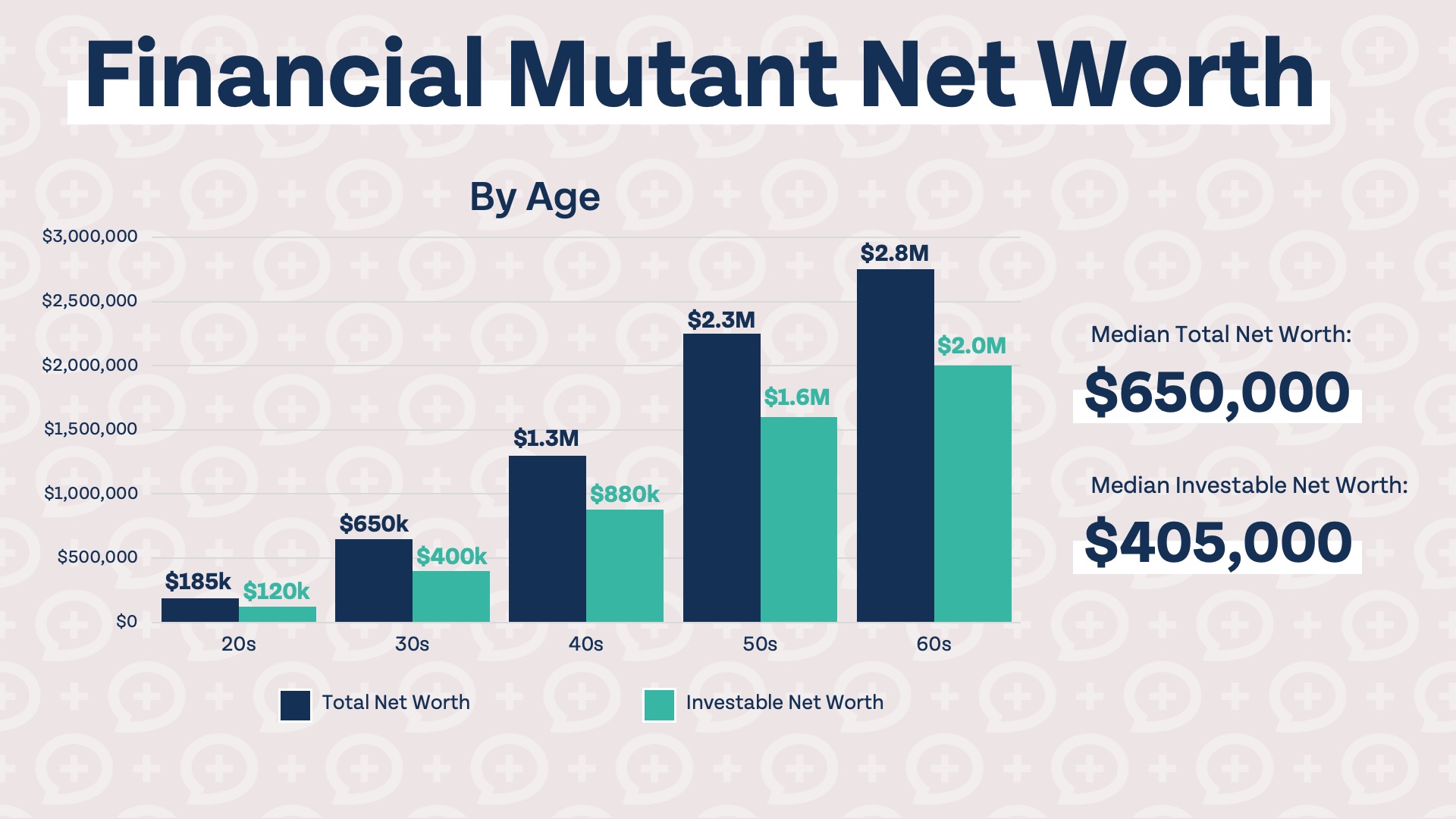
While net worth is a personal journey, it can be helpful to see where you stand relative to broader economic data. The following table illustrates estimated net worth benchmarks across different age groups and stages of life, adjusted for the 2026 economic environment.
| Life Stage / Age | Description | Recommended Focus | Target Net Worth Range (Example) |
|---|---|---|---|
| Early Career (20-30) | Entry-level roles, high student debt. | Debt reduction and emergency fund. | $5,000 - $50,000 |
| Mid-Career (35-50) | Peak earning years, home ownership. | Diversified investing and equity growth. | $200,000 - $750,000 |
| Pre-Retirement (55-65) | Maximizing retirement contributions. | Asset protection and tax efficiency. | $1M - $2.5M |
| High Net Worth (HNWI) | Advanced portfolio management. | Estate planning and philanthropy. | $5M+ |
Note: These ranges are illustrative and vary significantly based on geographic location, cost of living, and individual career paths.
Common Mistakes in Calculating Your A-Z Net Worth
To maintain the integrity of your financial data, avoid these common pitfalls when performing your annual or quarterly "A-Z" audit:
1. Overestimating Personal Property
Many people list the original purchase price of their car, electronics, or furniture as an asset. In reality, these items depreciate rapidly. For an accurate net worth, only include items that have significant resale value (e.g., a classic car or high-end art) and use their current market value.
2. Ignoring Latent Tax Liabilities
If you have $1 million in a traditional 401(k), your net worth isn't actually $1 million higher. You will eventually owe taxes on that money when you withdraw it. Sophisticated calculators in 2026 now allow for "tax-affected" net worth statements, which subtract expected future taxes from the total asset value.
3. Forgetting "Invisible" Debts
Small recurring liabilities, such as Buy Now Pay Later (BNPL) balances or private personal loans, are often omitted. To get the full "A-Z" picture, every dollar owed must be accounted for, regardless of how small the monthly payment may seem.
Step-by-Step Guide: Performing Your 2026 Wealth Audit
Ready to calculate your own "A-Z" net worth? Follow these steps to ensure no stone is left unturned:
- Aggregate Your Accounts: Use a secure financial aggregator or a manual spreadsheet to list every bank, brokerage, and retirement account.
- Verify Real Estate Values: Use a reputable 2026 valuation tool or check recent comparable sales in your neighborhood to update your home’s value.
- List Every Debt: Log into your loan portals to find the current principal balance (not just the monthly payment) for your mortgage, student loans, and credit cards.
- Subtract and Analyze: Perform the calculation. If the number is negative, your priority is debt elimination. If it is positive, focus on asset allocation.
- Set a "Net Worth Goal": Instead of a salary goal, set a target for your net worth by the end of the year. This encourages saving and investing rather than just earning and spending.
Is a Negative Net Worth Normal?
It is quite common, especially for young professionals in 2026, to have a negative net worth due to high education costs or a recent first-home purchase. This is often referred to as "good debt" if it leads to higher future earnings or an appreciating asset. The goal is to ensure the trajectory is moving toward the positive over a 3-to-5-year horizon.
Frequently Asked Questions
What is the difference between net worth and income?
Income is the amount of money you receive over a period (e.g., $100,000 per year), whereas net worth is the total value of what you own minus what you owe at a specific moment. You can have a high income but a low net worth if you spend everything you earn and carry heavy debt. Conversely, someone with a modest income can have a high net worth through consistent saving and asset appreciation.
How often should I calculate my net worth?
Most financial experts recommend a quarterly or annual update. Calculating it too frequently (daily or weekly) can lead to unnecessary stress due to normal market volatility. An annual "A-Z" review is typically sufficient to track long-term trends and make necessary adjustments to your financial strategy.
Should I include my primary residence in my net worth?
Yes, your primary residence is a significant asset. However, for the purpose of retirement planning, some people prefer to calculate "Investable Net Worth," which excludes the home you live in. This is because you will always need a place to live, and the equity in your home isn't easily accessible for daily expenses unless you sell it or take a loan against it.
Do digital assets like NFTs and Crypto count toward net worth?
In 2026, verified digital assets are considered legitimate components of a net worth profile. However, due to their inherent volatility, it is wise to list them separately and apply a conservative valuation. Ensure you are using the current market price on a major exchange for your calculation.
How do I increase my net worth quickly?
Increasing net worth is a two-sided equation: you must either increase the value of your assets or decrease your liabilities. The "fastest" way is usually a combination of aggressive debt repayment (which provides a guaranteed "return" equal to the interest rate) and increasing contributions to appreciating assets like diversified stock portfolios or real estate.
Next Actions for Your Financial Journey
The most important step after learning the "A-Z" of net worth is to document your baseline. Without a starting number, progress is impossible to measure. Start by creating a simple digital ledger or using a wealth-tracking app to record your current standing. Once you have your baseline, focus on shifting your "cash flow" into "wealth flow"—moving money from your monthly paycheck into assets that grow over time. By consistently monitoring this metric, you move from passive earning to active wealth building, ensuring long-term financial security regardless of the economic climate in 2026 and beyond.