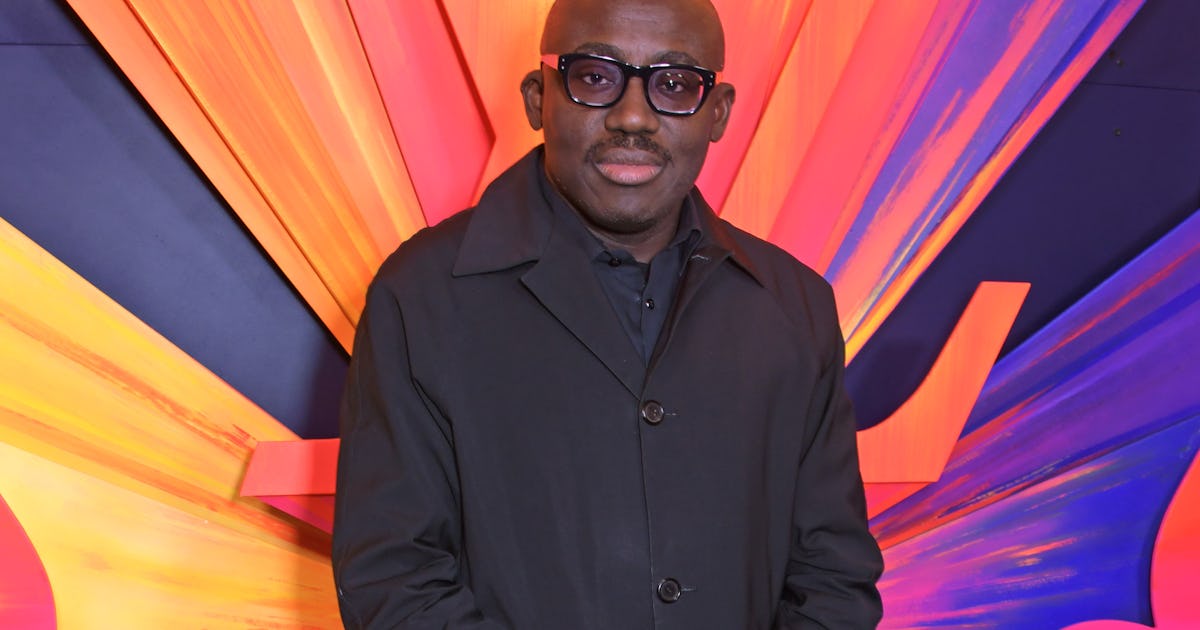
A Visible Man refers to the 2022 memoir by Edward Enninful, the groundbreaking former editor-in-chief of British Vogue. The title signifies a deliberate reclamation of space and identity, serving as a modern counterpoint to Ralph Ellison’s 1952 classic Invisible Man. It chronicles Enninful's ascent from a Ghanaian immigrant to the most powerful figure in European fashion, emphasizing the necessity of being "seen" in an industry that historically marginalized Black and queer voices.
The Etymological and Literary Roots of Visibility
To understand the meaning of "A Visible Man," one must first recognize its literary ancestor: Ralph Ellison’s Invisible Man. Published in 1952, Ellison’s novel described the experience of a Black man whose humanity was ignored by a prejudiced society—he was "invisible" because people refused to see him. By titling his memoir A Visible Man, Edward Enninful performs a radical act of subversion.
In the context of 2026, looking back at the book’s release, the title represents more than just a personal biography; it is a cultural manifesto. While Ellison’s protagonist struggled with a forced anonymity, Enninful’s narrative is one of forced—and then celebrated—visibility. The "meaning" of the title is rooted in the transition from the periphery to the center of power. It suggests that for marginalized individuals, visibility is not a passive state but an active achievement.
The origins of the phrase in Enninful’s work also stem from his lifelong commitment to changing the "gaze" of the fashion industry. Throughout his career at i-D, W Magazine, and Vogue, Enninful sought to make visible the faces, bodies, and cultures that the "white gaze" of high fashion had long kept in the shadows. Thus, "A Visible Man" is both a self-description of the author and a description of the world he helped build—a world where diversity is no longer a niche interest but a central pillar of global culture.
Origins: From Tema to the Heights of British High Society
The origins of the man behind the title are essential to understanding the memoir’s cultural weight. Born in Tema, Ghana, in 1972, Edward Enninful moved to Ladbroke Grove, London, as a child. His mother was a seamstress who instilled in him an early appreciation for the architecture of clothing, while his father was a military man with a more traditional view of success.
Enninful’s path to visibility began at the age of 16 when he was scouted as a model on the London Underground by stylist Simon Foxton. This serendipitous moment launched him into the heart of the "Cool Britannia" movement of the late 80s and early 90s. By the age of 18, he became the youngest-ever fashion editor at i-D magazine, a feat that remains legendary in the industry.
His journey was not without systemic friction. The memoir details the "glass ceilings" and overt racism he encountered in an industry that often viewed him as an outsider despite his obvious talent. His rise to the editorship of British Vogue in 2017—becoming the first Black, first male, and first gay editor in the magazine’s century-long history—marked the ultimate origin point for the "Visible Man" persona. It was the moment the "outsider" became the ultimate "insider," wielding the power to decide who else would be made visible.
The Cultural Presence of the "Enninful Era"
The cultural presence of A Visible Man extends far beyond the pages of the book; it is reflected in the tangible shifts seen in global media between 2017 and 2024. As we evaluate this legacy from the vantage point of 2026, the "Enninful Era" is defined by several key cultural milestones:
- The Democratization of Luxury: Enninful shifted the focus of Vogue from an aspirational, exclusionary manual for the elite to a platform for social change.
- The "Black Issue" Legacy: Long before his memoir, Enninful was instrumental in the 2008 "All-Black" issue of Italian Vogue, which proved that diversity was commercially viable.
- Activism as Aesthetic: Under his leadership, covers featured activists like Adwoa Aboah, Marcus Rashford, and Malala Yousafzai. This integrated political and social visibility into the visual language of high fashion.
- The Final 40: His final issue as Editor-in-Chief in 2024 featured 40 iconic women—including Oprah Winfrey, Naomi Campbell, and Jane Fonda—symbolizing a collective visibility that transcended age, race, and size.
The memoir serves as the primary text for this transformation. It explains the "why" behind the images. For students of fashion, sociology, and media, A Visible Man is a textbook on how to navigate institutional power without sacrificing one's identity. Its presence is felt in the way modern magazines now approach casting and storytelling, ensuring that the "visibility" Enninful fought for remains a standard rather than a trend.
Comparing Philosophies: The Invisible vs. The Visible
The dialogue between Ellison’s 1952 work and Enninful’s 2022 memoir provides a framework for understanding the evolution of Black identity in the West. The following table compares the core themes of these two pivotal works.
| Feature | Invisible Man (Ralph Ellison) | A Visible Man (Edward Enninful) |
|---|---|---|
| Era | 1952 (Post-WWII / Pre-Civil Rights) | 2022 (Post-BLM / Digital Age) |
| Primary Theme | Social alienation and racial erasure. | Success, representation, and inclusion. |
| Narrative Voice | Anonymous, searching for identity. | Assertive, defining a global industry. |
| Symbolism of Light | Hiding in a basement with 1,369 lights. | The flash of the camera and the spotlight. |
| Goal of Protagonist | To be acknowledged as a human being. | To change the structures of power. |
| Outcome | Withdrawal from a sightless society. | Radical visibility and leadership. |
A Manifesto for Diversity and Queer Identity
A significant portion of the memoir’s cultural presence is tied to its unapologetic exploration of queer identity within the Black diaspora. Enninful discusses the complexities of being "double-othered"—facing prejudice both for his race and his sexuality.
The meaning of "Visibility" here takes on a secondary layer: the visibility of the "hidden" self. For many years, the fashion industry was populated by queer men who remained closeted or performed a specific type of acceptable "fabulousness." Enninful’s memoir strips away the artifice, discussing his health struggles, his relationship with his husband Alec Maxwell, and the emotional toll of maintaining a public-facing career while navigating personal vulnerabilities.
By bringing these topics to the forefront, Enninful expanded the definition of what a "powerful man" looks like. In 2026, his influence is seen in the increased number of queer executives and creators who cite his memoir as a blueprint for professional authenticity. He proved that being "visible" does not mean being invincible; rather, it means having the courage to be seen in one's entirety.
Publishing Milestones and Critical Reception
Since its publication by Penguin Press and Bloomsbury in September 2022, A Visible Man has maintained a consistent presence on bestseller lists and educational syllabi. Its reception was marked by praise for its lack of "fashion fluff," with critics noting that Enninful avoided the typical gossipy tropes of fashion memoirs in favor of a rigorous analysis of class and culture.
- Global Reach: The book was translated into multiple languages, finding a significant audience in markets like France, Italy, and Japan, where the fashion industry is a major economic driver.
- Awards: It received accolades for its contribution to literature and fashion history, often cited as one of the most important memoirs of the early 2020s.
- Audiobook Impact: Narrated by Enninful himself, the audiobook version added a layer of intimacy to the "Visible Man" concept, allowing readers to hear the story in the author’s distinctive London-Ghanaian cadence.
The book's origins as a pandemic project—written during a time when the world was forced into isolation—further highlight the theme of visibility. While the world was hidden away, Enninful was reflecting on what it meant to be seen. This timing resonated with a global audience re-evaluating their own identities and professional paths.
Frequently Asked Questions
Is "A Visible Man" a sequel to "Invisible Man"?
No. While the title is a direct nod to Ralph Ellison’s 1952 novel Invisible Man, Edward Enninful’s A Visible Man is a non-fiction memoir. It uses Ellison’s title as a cultural reference point to show how far society has come—and how much has changed—regarding the visibility of Black men in positions of power.
What is the main message of Edward Enninful’s memoir?
The main message is that representation matters and that one can achieve the highest levels of success without compromising their authentic self. It emphasizes that visibility is a tool for change, allowing those in power to open doors for others who have been traditionally excluded.
Does the book focus only on fashion?
While fashion is the backdrop, the book is primarily about identity, immigration, race, and resilience. It covers Enninful's childhood in Ghana, his family dynamics, his experiences with racism in London, and his journey as a gay man. Fashion is treated as the medium through which he expressed his vision for a more inclusive world.
How did the industry react to the book's release?
The fashion industry embraced the book as a defining document of its era. It was seen as a "victory lap" for Enninful's transformative work at British Vogue and served as a catalyst for deeper conversations about diversity in luxury boardrooms and creative studios.
What does the title mean in a modern context?
In the current cultural climate, being a "Visible Man" means refusing to be sidelined. It refers to the importance of Black and marginalized individuals occupying spaces of influence and being recognized for their contributions to culture, politics, and the arts.
Engaging with the Legacy of Visibility
For those looking to understand the shifting dynamics of 21st-century media, reading A Visible Man is an essential first step. However, the experience should not end with the final page. To truly grasp the cultural presence of this work, one should explore the visual archive of Enninful’s tenure at British Vogue (2017–2024), specifically the "Bravo, Vogue" series and the groundbreaking covers that redefined beauty standards.
To deepen your understanding, consider the following actions:
- Comparative Reading: Read Ralph Ellison’s Invisible Man alongside Enninful’s memoir to see the evolution of the Black male narrative over 70 years.
- Visual Analysis: Research the "Black Issue" of Italian Vogue (2008) and Enninful’s first British Vogue cover (December 2017) to see how "visibility" is translated into photography and styling.
- Professional Application: Use Enninful’s "insider-outsider" strategy as a case study for navigating corporate environments while maintaining personal integrity and advocacy for diversity.
By engaging with A Visible Man, readers gain more than just a biography; they gain a blueprint for how to make themselves—and their communities—truly seen.