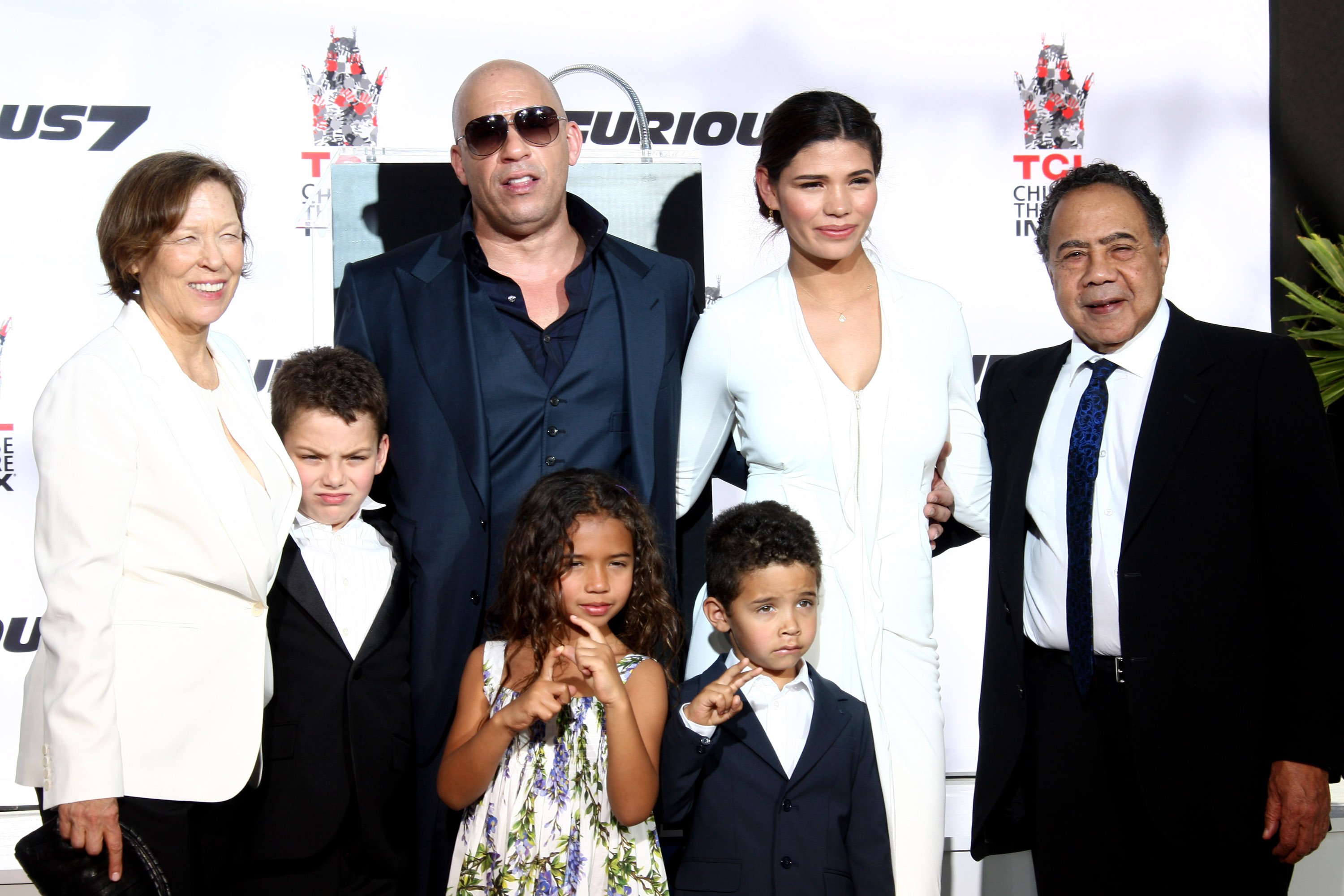
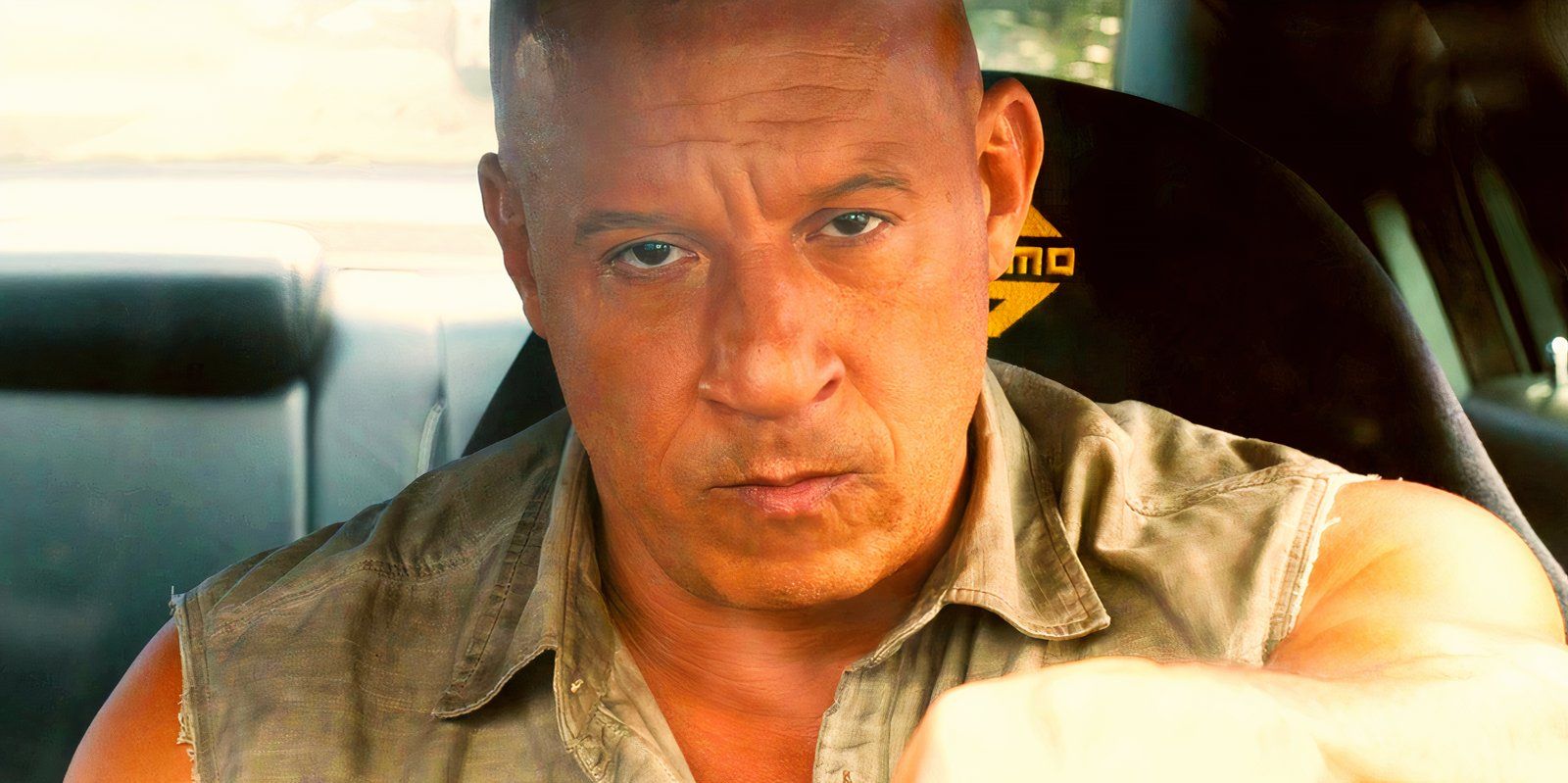
Vin Diesel changed his name from Mark Sinclair to his famous stage moniker during his youth in New York City to establish a tough persona while working as a nightclub bouncer. "Vin" is a shortened version of his stepfather’s surname, Vincent, while "Diesel" was a nickname given by friends who noted his relentless, non-stop energy.
The transformation of Mark Sinclair into Vin Diesel is more than just a simple branding exercise; it represents a pivotal moment in the life of a young man navigating the complex worlds of New York City theater and the gritty nightlife of the 1980s. To understand why he made this change, one must look at the intersection of his family history, his early professional requirements, and the specific image he needed to project long before he became a global superstar in franchises like Fast & Furious and Riddick.
The Early Life of Mark Sinclair
Before he was the face of high-octane action cinema, the man we know as Vin Diesel was born Mark Sinclair on July 18, 1967, in Alameda County, California. He and his twin brother, Paul, were raised by their mother, Delora Sherleen (Sinclair) Vincent, an astrologer and psychiatrist. The brothers grew up never knowing their biological father, a fact that Diesel has often cited as a source of mystery and personal reflection regarding his multi-racial identity.
The family eventually moved to New York City, where Mark’s upbringing was deeply influenced by his stepfather, Irving H. Vincent. Irving was an acting instructor and theater manager who played a foundational role in Mark's early exposure to the arts. Growing up in a subsidized housing project for artists in Greenwich Village—the Westbeth Artists Housing—Mark was immersed in a creative environment from a very young age.
Despite this artistic immersion, the name "Mark Sinclair" felt disconnected from the rugged, street-wise persona that he would eventually develop. In the context of 1970s and 80s Manhattan, Sinclair carried a softer, more traditional connotation that didn't necessarily align with the physical presence Mark was developing through athletics and weightlifting. The decision to distance himself from his birth name was the first step in a larger journey of self-creation.
The NYC Nightlife and the Birth of a Bouncer
The most significant driver behind the name change was Mark Sinclair’s entry into the world of New York City security and nightlife. In the early 1980s, the city's club scene was notoriously volatile. To support his burgeoning interest in acting and to make ends meet, a 17-year-old Mark began working as a bouncer at several of the city's most famous and sometimes dangerous venues, including The Tunnel.
In the world of high-stakes security, anonymity is a tool for safety. Bouncers often adopted aliases to prevent disgruntled patrons from tracking them down outside of work hours. For Mark, adopting a "tougher" name was a matter of professional survival. He needed a moniker that sounded intimidating and memorable—something that wouldn't be easily associated with the aspiring theater actor who lived in a creative arts community.
It was during these long shifts at the doors of Manhattan’s elite and underground clubs that the identity of Vin Diesel began to solidify. The environment demanded a certain level of performance; he wasn't just checking IDs, he was playing the role of a formidable gatekeeper. This period of his life was instrumental in developing the "alpha" presence that would later define his film career.
The Etymology of "Vin" and "Diesel"
The choice of "Vin Diesel" was not arbitrary. It was a combination of family tribute and social observation. The name is effectively split between his domestic influences and his external reputation.
The "Vin" Component
"Vin" was the first half of the transformation. It was a direct and affectionate nod to his stepfather, Irving H. Vincent. By shortening "Vincent" to "Vin," he was able to carry a piece of his family identity into his professional life without using his full legal name. It provided a sense of continuity while offering the punchy, monosyllabic sound common among action stars. In various interviews, Diesel has credited Irving for being the primary father figure in his life, making "Vin" a tribute to the man who introduced him to the craft of acting.
The "Diesel" Component
The second half of the name, "Diesel," was not chosen by him, but rather bestowed upon him. In the high-pressure environment of New York clubs, where shifts could last all night and physical altercations were common, Mark’s friends and colleagues noticed his extraordinary stamina. They claimed he was "fueled on diesel," referring to the way he never seemed to run out of energy or momentum.
In the automotive world, a diesel engine is known for its durability, torque, and reliability under heavy loads. The comparison was apt for a man who spent his nights managing crowds and his days pursuing an acting career. The nickname stuck so firmly that it eventually replaced "Sinclair" in all but the most private settings. By the time he was ready to transition from the club door to the silver screen, the name Vin Diesel was already his established identity.
Branding for Hollywood and the Action Genre
When Vin Diesel moved to Los Angeles to pursue Hollywood stardom, he faced immediate challenges. His multi-racial background made him difficult to cast in an industry that, at the time, relied heavily on clearly defined ethnic categories. He was often told he was "too light" for some roles and "too dark" for others.
In response to this frustration, he leaned into his self-created identity. The name Vin Diesel didn't carry a specific ethnic baggage; it was modern, industrial, and inherently masculine. It matched the muscular physique he had built during his years as a bouncer. This branding was essential for his breakthrough as an independent filmmaker.
In his 1995 short film Multi-Facial, Diesel explored the very struggles he faced regarding his identity and name. The film caught the attention of Steven Spielberg, leading to a role in Saving Private Ryan. By then, the name was no longer just a bouncer's alias; it was a professional trademark. In the action genre, where names like "Stallone," "Schwarzenegger," and "Van Damme" carry significant weight, "Diesel" fit perfectly. It was easy to remember, easy to market, and suggested a certain level of power and intensity.
| Feature | Mark Sinclair | Vin Diesel |
|---|---|---|
| Origin | Legal birth name (Mother's maiden name) | Professional stage name |
| Connotation | Traditional, artistic, soft | Industrial, high-energy, tough |
| Primary Era | Childhood and early theater (1967–1984) | Bouncing and Hollywood career (1984–Present) |
| Source of Name | Family lineage | Stepfather (Vin) + Peer nickname (Diesel) |
| Public Image | Unknown to general public | Global action superstar / Franchise lead |
The Legal and Personal Reality in 2026
As of 2026, the name Vin Diesel is one of the most valuable brands in the entertainment industry. While many fans assume he legally changed his name decades ago, the actor has remained somewhat private about the exact legal status of his name on official documents like his passport. However, in the Screen Actors Guild (SAG-AFTRA) and for all professional credits, he is exclusively Vin Diesel.
In personal circles, specifically among his family and childhood friends, elements of his original identity remain. His mother and siblings may still refer to him by his birth name or variations of it, but the world knows him as the man who "lives his life a quarter-mile at a time." This duality is common among celebrities who started their careers with a need for a stage name—the stage name becomes the public reality, while the birth name remains a tether to their private, pre-fame life.
The transition from Sinclair to Diesel also mirrors his career trajectory. Mark Sinclair was an aspiring artist living in subsidized housing; Vin Diesel is a producer and actor who has generated billions of dollars in global box office revenue. The name change wasn't just about a "tough guy" image; it was a psychological tool that allowed him to reinvent himself and overcome the casting barriers of 1990s Hollywood.
The Cultural Impact of the Diesel Name
The name Vin Diesel has become synonymous with a specific type of cinema: the diverse, high-stakes ensemble action film. By choosing a name that didn't pigeonhole him into a specific ethnic category, he paved the way for a more inclusive definition of an "American" hero.
The "Diesel" brand has expanded beyond film into video games (Tigon Studios) and music. The name's association with power and reliability has allowed him to build a lifestyle brand that resonates with fans across different cultures. Whether he is voicing Groot in the Marvel Cinematic Universe or leading the "Family" in Fast & Furious, the name Vin Diesel carries a consistent promise of intensity and sincerity.
The evolution of his name also reflects a broader trend in the action genre. Following in the footsteps of stars like Chuck Norris (born Carlos Ray Norris) or Bruce Lee (born Lee Jun-fan), Diesel understood that a stage name is a form of myth-making. It allows an actor to step into a larger-than-life persona that the audience can immediately identify and rally behind.
Frequently Asked Questions
What is Vin Diesel’s real birth name?
Vin Diesel’s birth name is Mark Sinclair. He was born in California in 1967 and used this name throughout his childhood and his very early forays into the New York City theater scene before adopting his stage name at age 17.
Is Vin Diesel his legal name now?
While he is known globally and professionally as Vin Diesel, he has not publicly confirmed a total legal name change for all private documents. Most high-profile actors keep their professional stage name for SAG-AFTRA purposes while maintaining their birth name for certain legal or familial matters, though "Vin Diesel" is used for all his public and business ventures as of 2026.
Why did his friends call him "Diesel"?
His friends gave him the nickname "Diesel" because of his unrelenting energy and stamina. During his time as a bouncer in New York City, he was known for working long hours and handling high-pressure situations without showing signs of fatigue, leading peers to say he "ran on diesel fuel."
Who is Irving Vincent in relation to Vin Diesel?
Irving H. Vincent is Vin Diesel’s stepfather. He was a crucial figure in Diesel's life, serving as an acting coach and mentor. The "Vin" in Vin Diesel is a shortened tribute to Irving’s last name, acknowledging the profound impact he had on the actor's development and career choice.
Does Vin Diesel have a twin brother?
Yes, Vin Diesel has a fraternal twin brother named Paul Sinclair (who sometimes goes by Paul Vincent). Unlike Vin, Paul has largely stayed out of the spotlight, though he has worked in the film industry in a post-production and editing capacity.
Understanding the Legacy of the Vin Diesel Persona
For those interested in the trajectory of celebrity branding, the story of Vin Diesel serves as a masterclass in identity construction. The change from Mark Sinclair to Vin Diesel was a proactive response to the social and professional environments he inhabited. It solved the problem of personal safety in the NYC club scene while simultaneously creating a marketable "blank slate" for his Hollywood ambitions.
To truly appreciate the actor’s journey, fans should look toward his early work, specifically the film Multi-Facial. This project provides the most honest look at the man between the names—the actor who felt he didn't fit into any one box and decided to build his own. In 2026, as he continues to influence the global film landscape, the name Vin Diesel stands as a testament to the power of self-definition and the lasting impact of a well-chosen identity.