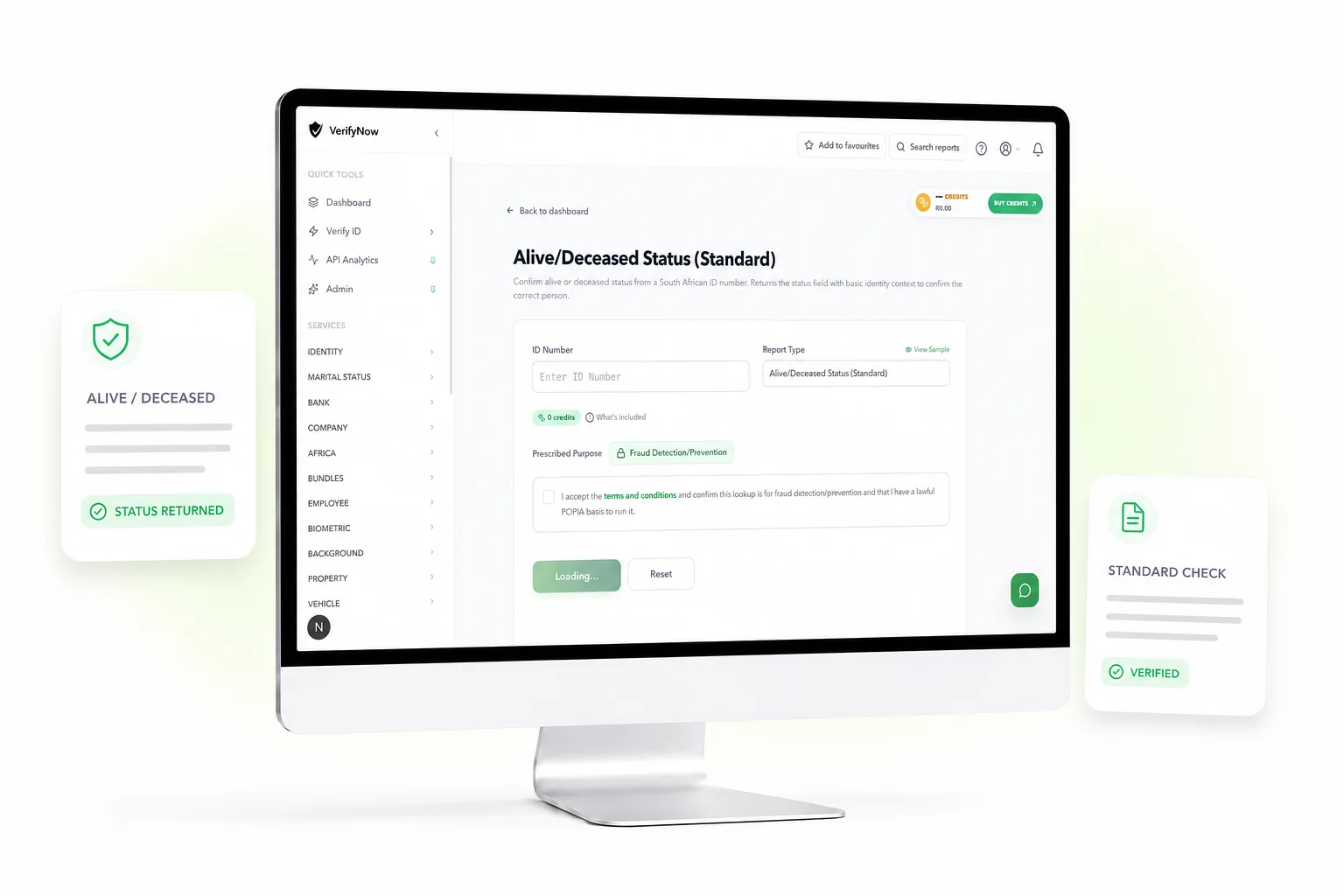
Alive status verification—commonly called a Life Certificate, Certificate of Existence, or Proof of Life—is an administrative requirement mandated by pension authorities, social security agencies, and insurance providers. This process confirms that a beneficiary or policyholder is alive before disbursing periodic pension payments or annuities, safeguarding public and private funds against fraudulent claims.
Understanding Alive Status and Its Administrative Purpose
An alive status declaration is a legal and regulatory mechanism designed to maintain the integrity of public treasuries, corporate pension systems, and annuity funds. When individuals retire or qualify for ongoing disability, military, or state pensions, disbursing agencies must ensure that payments continue only for the lifetime of the intended beneficiary. If an agency fails to audit alive status, payments might continue to accumulate in deceased beneficiaries' bank accounts, exposing funds to unauthorized withdrawals or improper estate retention.
Historically, establishing alive status required physical travel to a bank branch, government treasury, or notary public. Pensioners were forced to stand in long queues or produce sworn affidavits signed by gazetted officers or medical professionals. While effective, this paper-heavy approach created significant hardship for elderly, ill, or mobility-impaired individuals.
In recent years, governments and financial institutions worldwide have modernized alive status verification. Systems now combine traditional physical verification with digital authentication, leveraging biometric databases, artificial intelligence-based facial recognition, doorstep delivery services, and secure video calls. Regardless of the mechanism, the primary goal remains identical: establishing proof of life accurately, securely, and within established statutory windows.
Primary Methods for Alive Status Submission
Depending on the country, pension organization, and physical capability of the pensioner, several methods exist to record and update alive status.
Alive Status Verification Pathways:
- Digital & AI (Biometric / Mobile App)
- In-Person (Bank Branch / Treasury)
- Doorstep & Assisted Verification
- International (Consular / Foreign PO)
1. Digital Life Certificates (DLC) and Biometric Authentication
Digital Life Certificates allow pensioners to authenticate their alive status electronically without visiting a physical office. Modern DLC systems connect a beneficiary’s biometric markers—such as fingerprints, iris scans, or facial geometry—against a centralized national identity database.
For instance, India's Jeevan Pramaan Portal enables pensioners to generate a Digital Life Certificate using STQC-certified biometric scanners or smartphone-based facial recognition apps. Similar digital identity frameworks operate across Europe and Asia, allowing seniors to verify their alive status from home within minutes.
2. Video-Based Identification (Video IPV)
Video-Based In-Person Verification (Video IPV) utilizes live video sessions between the beneficiary and a trained customer service agent or automated AI portal. During the call, the agent verifies the pensioner's original identity documents, captures live geotagged facial images, and asks random security or liveness-verification questions (such as reading dynamic numbers displayed on screen) to prevent spoofing via recorded videos or deepfakes.
3. Physical Branch and Treasury Visits
For pensioners who prefer manual processing or lack smartphone access, traditional in-person verification remains widely available. Beneficiaries present their Pension Payment Order (PPO), government-issued photo identification, and pension bank account details to an authorized officer at a participating bank branch, local government treasury, or post office. The officer visually verifies the beneficiary's presence and updates the central pension ledger.
4. Doorstep Banking and Assisted Services
Recognizing that extreme old age or illness can prevent travel, many postal networks and banking organizations offer home visit services. Postal carriers or mobile banking correspondents visit the pensioner’s residence equipped with handheld biometric devices or mobile tablets to capture proof of life on site.
5. Consular and Embassy Attestation for Expatriates
Pensioners residing outside their home country must complete international alive status verification. Most national pension systems—such as the US Social Security Administration or the UK International Pension Service—require overseas retirees to submit an annual questionnaire (e.g., Form SSA-7161/7162 in the United States) or obtain a physically signed Life Certificate from a local notary public, foreign bank official, or the nearest diplomatic mission.
Method Comparison for Alive Status Verification
The following table summarizes the primary operational channels used to update alive status, highlighting technical requirements, processing times, and suitability.
| Verification Method | Required Equipment / Documents | Average Processing Time | Best Suited For | Security & Accuracy Level |
|---|---|---|---|---|
| Mobile Facial Recognition App | Smartphone with camera, high-speed internet, National ID number | Instant to 24 hours | Tech-savvy retirees, homebound individuals | High (AI liveness detection prevents photo spoofing) |
| Biometric Scanner (Fingerprint/Iris) | STQC-compliant scanner, USB OTG phone/PC connection | Instant | Pensioners with clear finger/iris records | Very High (Direct cryptographic binding to ID base) |
| Bank Branch / Treasury Visit | Physical PPO, National ID, Bank Passbook | Immediate upon branch verification | Pensioners living near branches without digital access | High (Manual agent verification) |
| Doorstep Postal/Banking Service | Mobile phone for OTP, physical ID cards | 1 to 3 business days (schedule dependent) | Bedridden, infirm, or elderly pensioners at home | High (Assisted biometric submission by verified agents) |
| Consular / Foreign Notary Certificate | Paper Certificate Form, Passport, Overseas Residence Proof | 1 to 4 weeks (mail routing required) | Non-resident pensioners (expatriates living abroad) | Medium-High (Requires physical seal and international mailing) |
Step-by-Step Procedure to Update Alive Status Digitally
While exact software interfaces vary by jurisdiction and pension agency, the standard workflow for submitting a Digital Life Certificate via mobile facial recognition follows these steps:
Step 1: Gather Prerequisites and Identity Credentials
Before initiating the digital alive status verification process, ensure you have the following information available:
- National Identification Number (e.g., Aadhaar, Social Security Number, National Insurance Number, or Civil ID).
- Pension Payment Order (PPO) Number or Pension Account Number assigned by your pension disbursing authority.
- Registered Mobile Number capable of receiving One-Time Passwords (OTPs).
- Sanctioning Authority Details (e.g., Central Government, State Treasury, Military Pension Board, or Corporate Fund Name).
- Disbursing Bank/Agency Details, including the exact bank account number where funds are deposited.
Step 2: Download Official Authentication Applications
Install the authorized digital life certificate application provided by your pension authority from an official app store (such as Google Play or Apple App Store). If using facial recognition, verify whether a secondary face authentication service (FMR/liveness engine) must be installed alongside the primary application.
Step 3: Complete Mobile OTP Verification
Launch the application and enter your National ID and mobile number. Submit the system-generated One-Time Password (OTP) sent to your registered phone to unlock the operator and pensioner registration screen.
Step 4: Input Pension and Financial Data
Accurately fill in the required pension fields:
- Select your type of pension (Service, Family, Disability, or Executive).
- Choose the correct Sanctioning Authority and Disbursing Agency from the drop-down menus.
- Enter your unique PPO number and bank account number.
- Declare whether you have remarried or re-employed (if applicable under your pension scheme's rules).
Crucial Notice: Entering an incorrect PPO number or selecting the wrong disbursing bank branch can lead to rejection by the central pension system, causing unwanted payment delays. Double-check all entries against your official pension slip.
Step 5: Perform Face or Biometric Scan
Position the smartphone's front-facing camera at eye level in a well-lit area with a neutral background. Follow the on-screen prompts:
- Keep your head stable within the marked frame.
- Blink your eyes naturally when prompted to prove live physical presence.
- Avoid direct backlighting or heavy shadows across your face.
Once the camera completes the liveness check, the biometric payload is encrypted and transmitted directly to the central identity server for matching.
Step 6: Save the Confirmation and Transaction ID
Upon successful matching, an Acknowledgment Receipt containing a unique Certificate ID or Pramaan ID will appear on screen. Save a digital copy or print the confirmation. The system automatically forwards the validated certificate to your pension disbursing bank or authority.
Alive Status Rules for Overseas and Expatriate Pensioners
Managing alive status across international borders introduces distinct legal and logistical considerations. Pensioners who relocate after retirement remain subject to annual survival audits conducted by their home country’s pension board.
Cross-Border Alive Status Compliance Protocol:
- Digital International DLC (Where supported by national biometric databases)
- Direct API Validation to Pension Disbursing Treasury
- Paper Consular Attestation (Required for non-compatible international jurisdictions)
- Physical Seal by Diplomatic Mission / Registered Notary
- Airmail / Registered Courier to Disbursing Treasury Office
- Physical Seal by Diplomatic Mission / Registered Notary
Country-Specific Foreign Proof of Life Rules
- United States (Social Security Administration): The SSA periodically mails form SSA-7161 or SSA-7162 to beneficiaries residing outside the U.S. The pensioner must complete, sign, and return the physical form within 60 days. Failure to return the form results in suspension of benefits.
- United Kingdom (Department for Work and Pensions): The UK Pension Service selectively issues a "Life Certificate" form to overseas state pension recipients. The document must be signed by a recognized professional witness (such as a doctor, lawyer, or registered notary) who holds a valid passport.
- India (NRI Pensioners): Non-Resident Indian pensioners can use the Jeevan Pramaan facial recognition app from abroad if their Aadhaar is linked to an international mobile number or can receive OTPs via registered email. Alternatively, they can submit a paper Life Certificate signed by an authorized official at an Indian Embassy or Consulate.
Key Guidelines for International Submissions
- Mind International Mailing Timelines: Postal delays can cause physical certificates to arrive past annual deadlines. Use tracked international courier services when submitting paper forms.
- Use Approved Translators: If a local foreign authority signs a proof of life form in a foreign language, an officially certified translation may be required by the home pension office.
- Maintain Updated Contact Details: Notify your pension authority immediately if your foreign residential address, email, or telephone number changes to ensure annual audit notices reach you without interruption.
Common Failures and Troubleshooting Guide
Despite modern technological advances, pensioners occasionally run into errors when attempting to verify their alive status. Below are common failure scenarios and their solutions.
1. Biometric Authentication Failure
- Cause: Aging, wear and tear on finger ridges, cataract surgery (for iris scans), or skin dryness can cause biometric capture devices to fail matching thresholds against old database records.
- Solution: Switch to facial recognition mobile apps, which rely on spatial facial geometry rather than fingerprints. If digital biometrics continue to fail, visit a physical bank branch to perform manual officer authentication.
2. PPO Number or Data Mismatch Rejection
- Cause: Rejection occurs when the PPO number, bank account number, or date of birth entered during digital submission does not match the master record held by the pension disbursing agency.
- Solution: Request a recent pension payslip or contact your pension sanctioning office to confirm your exact PPO format, including any hyphens or prefix codes. Re-submit the digital form using the corrected details.
3. Face Scan "Liveness Detection" Rejections
- Cause: Glare, low ambient lighting, moving backgrounds, or multiple faces within the camera frame can trigger anti-spoofing flags.
- Solution: Stand against a plain, well-lit wall. Ensure bright light falls directly onto your face rather than from behind you. Hold the device steady at eye level and blink naturally when prompted.
4. Pension Suspended Due to Overdue Submission
- Cause: Missing the annual submission cutoff date results in an automatic system freeze on pension disbursements.
- Solution: Submit your alive status immediately via the fastest available channel (digital app or branch visit). Once verified, pension offices automatically release withheld arrears alongside the next scheduled payment cycle.
Frequently Asked Questions
What happens if I miss the annual alive status submission deadline?
If you miss your deadline, the pension disbursing authority will temporarily suspend future monthly payouts to prevent unauthorized disbursement. However, your pension account is not canceled. As soon as you complete a valid alive status submission, the system reinstates your active profile and automatically pays out all backlogged arrears during the next payment cycle.
How often do pensioners need to submit proof of life?
Most public and private pension systems require alive status updates once per calendar year (typically during a designated annual submission window or during the pensioner's birth month). However, certain high-value annuities, foreign pension schemes, or disability funds may require bi-annual (twice-yearly) verification.
Can a family member submit an alive status certificate on behalf of a bedridden pensioner?
No, a family member cannot stand in for a pensioner because proof of life requires live personal authentication. However, family members can arrange assisted doorstep verification through official postal or banking correspondents, or request an official home visit by a pension officer if the pensioner is physically unable to travel.
How can I verify that my submitted life certificate was accepted?
After submitting your certificate, you can check your processing status online by logging into your pension authority’s web portal or the application used for submission. Enter your PPO number or Certificate Reference ID to view approval details. Most banks also send an SMS confirmation within 48 to 72 hours of successful ledger processing.
Are digital face scan apps secure against identity theft?
Yes, official digital life certificate applications use end-to-end encryption and ISO-compliant liveness detection algorithms. The software does not store raw photos or biometric data locally on your phone; instead, it converts captured imagery into encrypted mathematical templates transmitted directly to government identity servers over secure protocols.
Actionable Recommendations for Pensioners and Beneficiaries
To ensure continuous, uninterrupted pension payouts year after year, follow these operational best practices:
- Establish an Annual Reminder Schedule: Set a recurring calendar reminder 30 days prior to your pension board’s mandatory submission deadline. This allows ample time to troubleshoot potential biometric failures or software updates.
- Link Mobile Numbers to Central Identity Records: Ensure your current mobile phone number is linked to your national ID database and pension account to receive seamless OTP authentications.
- Keep Physical Copies of Pension Documents: Maintain an organized file containing your original Pension Payment Order (PPO), initial retirement sanction letters, bank passbooks, and previous years' alive status transaction receipts.
- Transition to Digital Mobile App Channels: If you currently travel to bank branches annually, consider setting up the official facial recognition app on your smartphone or a family member's device to save travel time and avoid long queues.
- Notify Agencies Promptly of Life Events: Maintain up-to-date administrative records regarding changes in marital status, residential address, or re-employment to prevent audit flagging during annual alive status processing.