Medical ozone therapy introduces a controlled, precise mixture of medical-grade oxygen and ozone gas into the human body to stimulate cellular antioxidants, enhance tissue oxygenation, and modulate immune function. Designed to support systemic vitality naturally, this clinical modality works through mild oxidative preconditioning. Safe clinical application requires precise dosing and professional administration by qualified medical practitioners.
Understanding Ozone Therapy: Chemistry and Biological Mechanisms
Ozone ($O_3$) is a naturally occurring triatomic molecule composed of three oxygen atoms. While ground-level environmental ozone acts as a pulmonary irritant when inhaled, medical-grade ozone produced from pure oxygen gas ($O_2$) via specialized generators operates under entirely different biological principles. In a clinical setting, medical ozone is never inhaled directly; instead, it is administered topically, via localized insufflation, or by exposing drawn blood to precise concentrations before reinfusion.
The biological rationale behind using ozone to revitalize health naturally relies on a phenomenon known as hormesis or oxidative preconditioning. When ozone contacts biological fluids such as blood plasma, it reacts almost instantaneously with polyunsaturated fatty acids and antioxidants. This transient reaction generates controlled amounts of reactive oxygen species (ROS) and lipid oxidation products (LOPs).
- O3 + Blood Lipids/Fluid
- ROS + LOPs
- Nrf2 Activation
- Upregulated Antioxidants (SOD, Catalase, GSH)
Rather than causing oxidative damage, these short-lived signaling molecules act as mild stressors that trigger cellular defense mechanisms. The primary pathway involved is the activation of Nuclear factor erythroid 2-related factor 2 (Nrf2). Once activated, Nrf2 translocates to the cell nucleus, initiating the transcription of antioxidant response elements. This leads to the upregulated production of critical endogenous antioxidants, including:
- Superoxide Dismutase (SOD): Converts harmful superoxide radicals into hydrogen peroxide and oxygen.
- Catalase (CAT): Neutralizes hydrogen peroxide into harmless water and oxygen molecules.
- Glutathione Peroxidase (GSH-Px): Protects lipids and cell membranes from peroxidation.
Through this oxidative preconditioning mechanism, medical ozone paradoxically enhances the body's long-term capacity to combat chronic oxidative stress and cellular damage.
Cellular Oxygenation and Hemodynamics
Beyond modulating antioxidant enzymes, medical ozone directly influences microcirculation and oxygen delivery to oxygen-deprived tissues. Ozone exposure stimulates erythrocyte (red blood cell) glycolysis by increasing the activity of 2,3-diphosphoglycerate (2,3-DPG).
An elevation in intracellular 2,3-DPG shifts the oxygen-hemoglobin dissociation curve to the right—a mechanism known as the Bohr effect. This structural shift lowers hemoglobin's affinity for oxygen, allowing erythrocytes to release bound oxygen more efficiently into peripheral tissues and ischemic areas. Additionally, ozone therapy improves red blood cell flexibility and reduces blood viscosity, facilitating smoother movement through constricted capillary beds.
Primary Clinical Applications and Health Claims
Integrative health practitioners utilize medical ozone therapy across a spectrum of acute and chronic health conditions. While research continues to evaluate its therapeutic scope, several primary areas of application have demonstrated clinical potential.
Chronic Fatigue and Mitochondrial Support
Mitochondria generate adenosine triphosphate (ATP), the primary energy currency of human cells. In individuals experiencing chronic fatigue syndrome (CFS), fibromyalgia, or post-viral lethargy, mitochondrial energy production is often impaired by persistent oxidative stress and metabolic sluggishness.
Ozone therapy stimulates mitochondrial enzymes, specifically boosting the activity of the electron transport chain and aerobic glycolysis. By enhancing mitochondrial membrane potential and optimizing oxygen utilization, patients often report improved daily stamina, reduced brain fog, and faster recovery times following physical effort.
Immune Modulation and Inflammation Control
Ozone acts as an immunomodulator rather than a simple immune booster. In states of immune suppression, ozone induces the low-level release of regulatory cytokines, such as interferon-gamma, interleukin-2, and tumor necrosis factor-alpha, helping to mobilize white blood cells against persistent pathogens.
Conversely, in chronic autoimmune and hyper-inflammatory states, ozone helps downregulate excessive nuclear factor kappa B (NF-$\kappa$B) signaling pathways. Downregulating NF-$\kappa$B reduces the overproduction of pro-inflammatory cytokines like interleukin-6 (IL-6) and interleukin-1 beta (IL-1$\beta$), aiding in the restoration of immune homeostasis.
Vascular and Microcirculatory Enhancements
Peripheral artery disease, diabetic microangiopathy, and slow-healing venous ulcers benefit significantly from enhanced microvascular perfusion. By improving red blood cell rheology and stimulating endothelial nitric oxide synthesis, ozone therapy promotes vasodilation and tissue repair. Enhanced microvascular perfusion delivers necessary nutrients and systemic oxygen to damaged peripheral tissues, accelerating wound healing and reducing localized ischemic pain.
Administration Routes and Clinical Protocols
Medical ozone therapy is delivered using strict biological protocols adapted to the patient’s health status, vascular access, and targeted treatment area. Direct inhalation of ozone gas is strictly avoided due to the lack of protective antioxidant enzymes in alveolar fluid, which makes respiratory epithelial tissue extremely vulnerable to oxidative toxicity.
| Systemic Modalities | Localized Modalities |
|---|---|
| Major Autohemotherapy (MAH) | Topical Ozonated Oils/Water |
| High-Dose / 10-Pass Ozone | Rectal/Vaginal Insufflation |
| Minor Autohemotherapy | Limb Bagging / Ozone Sauna |
Major Autohemotherapy (MAH) and High-Dose Ozone
Major Autohemotherapy (MAH) remains the standard clinical modality for systemic ozone delivery. During an MAH procedure:
- A medical professional draws approximately 50 to 200 milliliters of venous blood into a sterile, vacuum-sealed intravenous bag containing an anticoagulant (typically sodium citrate).
- An equal volume of medical ozone-oxygen gas mixture, at a precisely calculated concentration (usually 20 to 50 micrograms of ozone per milliliter of oxygen, denoted as $\mu\text{g/mL}$), is introduced into the container.
- The mixture is gently agitated to allow blood lipids and cell membranes to react with the gas.
- The ozonated blood is re-infused intravenously into the patient over 15 to 30 minutes.
A advanced variant of MAH is High-Dose Ozone (HDO), sometimes referred to as "10-Pass Ozone Therapy." This procedure repeats the blood-draw, ozonation, and re-infusion cycle up to ten consecutive times within a single session using specialized pressurized equipment. While advocates suggest HDO provides deeper systemic modulation, it requires careful monitoring of patient fluid balance and vascular integrity.
Localized and Non-Invasive Routes
- Rectal and Vaginal Insufflation: A non-invasive systemic alternative to blood draws. Pure ozone gas is administered slowly through a micro-catheter into the mucosal cavity, where it reacts quickly with mucosal lipids and is absorbed by local vascular networks.
- Minor Autohemotherapy: A small sample of blood (5 to 10 mL) is mixed with ozone gas and injected intramuscularly. This acts as an autologous vaccine or immune stimulant, frequently used for dermatological conditions and chronic viral infections.
- Topical Ozonated Oils and Limb Bagging: For diabetic ulcers, fungal infections, and non-healing wounds, an affected limb is enclosed in an airtight plastic bag flushed with ozone gas. Alternatively, plant-based oils (such as olive or sunflower oil) are saturated with ozone gas to form ozonides, producing a stable antimicrobial salve for skin application.
Safety Protocols, Risk Factors, and Contraindications
When performed according to established medical protocols—such as those published by the Madrid Declaration on Ozone Therapy—medical ozone exhibits a high safety profile. However, improper dosage, uncalibrated equipment, or incorrect administration can lead to biological complications.
The Critical Danger of Direct Inhalation
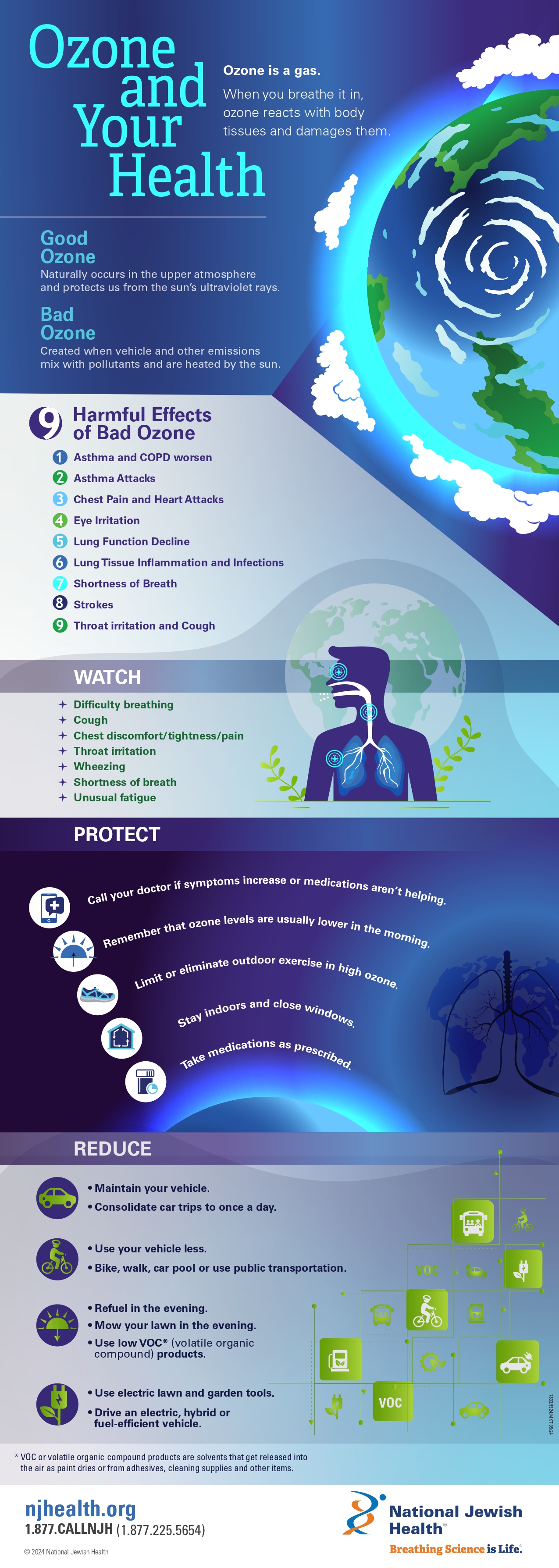
Ozone gas must never be inhaled directly. Respiratory tract fluids lack the high concentrations of uric acid, ascorbic acid, and reduced glutathione found in blood plasma. Inhaling ozone triggers immediate epithelial inflammation, bronchospasm, cellular edema, and reduced lung capacity. Ozone generators used in clinical practice must be equipped with active catalytic destructors that safely convert excess ozone gas back into pure oxygen gas ($O_2$).
Absolute and Relative Contraindications
Prior to undergoing ozone therapy, patients must undergo a baseline clinical evaluation. Certain physiological conditions prohibit the use of systemic ozone:
- Glucose-6-Phosphate Dehydrogenase (G6PD) Deficiency (Favism): G6PD is a critical enzyme that protects red blood cells against oxidative destruction. Patients with G6PD deficiency cannot neutralize lipid oxidation products, leading to acute severe hemolysis (destruction of red blood cells) if exposed to systemic ozone. G6PD enzyme screening is a mandatory prerequisite for MAH.
- Uncontrolled Hyperthyroidism or Thyrotoxicosis: Ozone can transiently stimulate metabolic activity, potentially triggering a metabolic or cardiac crisis in hyperthyroid individuals.
- Acute Hemorrhage and Severe Thrombocytopenia: Because ozone therapy mildly alters platelet aggregation and coagulation dynamics, active internal bleeding or abnormally low platelet counts represent strict contraindications.
- Pregnancy: Systemic ozone modalities are generally avoided during the first trimester of pregnancy due to a lack of safety data regarding early embryogenesis.
Comparing Medical Ozone Delivery Methods
Selecting the correct delivery method depends on patient vascular health, target condition, clinic equipment, and budget. The table below outlines key parameters for standard clinical modalities:
| Modality | Primary Indications | Invasiveness Level | Target Action | Typical Session Duration |
|---|---|---|---|---|
| Major Autohemotherapy (MAH) | Chronic fatigue, systemic inflammation, vascular conditions | Moderate (IV Access) | Systemic (Nrf2 & Oxygenation) | 30 to 45 Minutes |
| High-Dose / 10-Pass Ozone | Advanced chronic illness, heavy systemic load | High (Multi-Cycle IV) | Deep Systemic Resets | 60 to 90 Minutes |
| Rectal Insufflation | Gut dysbiosis, systemic alternative to IV, liver support | Low (Non-Invasive) | Systemic & Local Mucosal | 10 to 15 Minutes |
| Minor Autohemotherapy | Chronic dermatological issues, auto-vaccination support | Mild (Intramuscular) | Targeted Immune Stimulation | 10 to 15 Minutes |
| Topical Ozone Bagging | Non-healing ulcers, diabetic foot wounds, skin infections | Non-Invasive | Direct Antimicrobial / Tissue Repair | 20 to 30 Minutes |
Regulatory Status and Clinical Evidence Base
The regulatory landscape governing medical ozone therapy varies across international jurisdictions:
- United States: The U.S. Food and Drug Administration (FDA Regulatory Information) issued warnings stating that ozone is a toxic gas with no demonstrated safe application in specific preventative or therapeutic medicine contexts. Consequently, ozone therapy is generally not approved for mainstream clinical treatment of systemic disease and operates within alternative, integrative, or private wellness practice frameworks.
- Europe and South America: Nations such as Germany, Italy, Russia, and Spain integrate medical ozone into standard physical therapy, orthopedic medicine, and chronic pain clinics. Professional associations establish strict standardized dosages to maintain clinical consistency.
While clinical trial data continues to grow—particularly regarding musculoskeletal joint injections and topical wound management—large-scale phase-III clinical trials for systemic ozone therapy remain limited compared to pharmaceutical interventions. Patients should evaluate research studies published in recognized medical repositories such as the National Center for Biotechnology Information (NCBI) when considering complementary health treatments.
Evaluating Treatment Eligibility and Finding Qualified Practitioners
Patients seeking to explore ozone therapy to revitalize their health naturally should follow a structured evaluation process to prioritize safety and therapeutic efficacy:
- Obtain Baseline Diagnostic Testing: Complete comprehensive blood panels, including a complete blood count (CBC), metabolic panel, inflammatory markers (hs-CRP), and a mandatory G6PD enzyme test.
- Verify Practitioner Qualifications: Ensure the providing clinician is a licensed medical doctor (MD), doctor of osteopathic medicine (DO), doctor of naturopathic medicine (ND), or licensed practitioner certified by an established medical ozone organization (e.g., the American Academy of Ozonotherapy or ISCO3).
- Inspect Clinical Equipment: Confirm that the facility utilizes medical-grade ozone generators capable of precise dosage adjustments in $\mu\text{g/mL}$, fed exclusively by 99.9% pure medical oxygen tanks rather than ambient air concentrators (which produce toxic nitrogen oxides).
- Discuss Treatment Frequency and Costs: Systemic protocols typically involve 6 to 12 initial sessions scheduled once or twice weekly, followed by periodic maintenance. Single MAH sessions range from $150 to $350, while high-dose 10-pass protocols can cost significantly more. Most commercial health insurance providers do not cover elective ozone procedures.
Frequently Asked Questions
Does ozone therapy hurt when administered intravenously?
Major Autohemotherapy feels similar to a standard blood draw or IV vitamin infusion. The extraction and re-infusion process uses small-gauge needles or indwelling catheters, causing minimal physical discomfort.
How quickly do patients experience results from ozone therapy?
Individual responses vary depending on underlying health status. While some individuals notice improved energy levels and mental clarity within 24 to 48 hours after their initial sessions, chronic inflammatory and metabolic conditions typically require 6 to 10 consistent treatments before significant changes occur.
Can home ozone generators safely replicate clinical ozone treatments?
Home ozone setups carry significant safety risks. Uncalibrated equipment, lack of catalytic ozone destructors, improper gas concentration monitoring, and unsafe administration techniques increase the danger of accidental lung exposure or tissue injury. Medical-grade treatments require clinical monitoring and precise calibration.
Is ozone therapy safe for individuals with autoimmune diseases?
When administered at therapeutic micro-doses, ozone modulates immune signaling without causing blanket immunosuppression or over-activation. However, patients with active, acute autoimmune flare-ups must be evaluated by their managing specialist to prevent unexpected symptom exacerbation.
Actionable Steps for Integrative Health Optimization
If you are considering medical ozone therapy as a natural health support, begin by contacting a licensed integrative clinic to schedule a comprehensive intake consultation. Review your medical history, active medications, and blood work with your provider to confirm that options like Major Autohemotherapy or rectal insufflation are appropriate for your health goals. Always maintain open communication with your primary care physician when integrating alternative modalities into your existing health regimen.