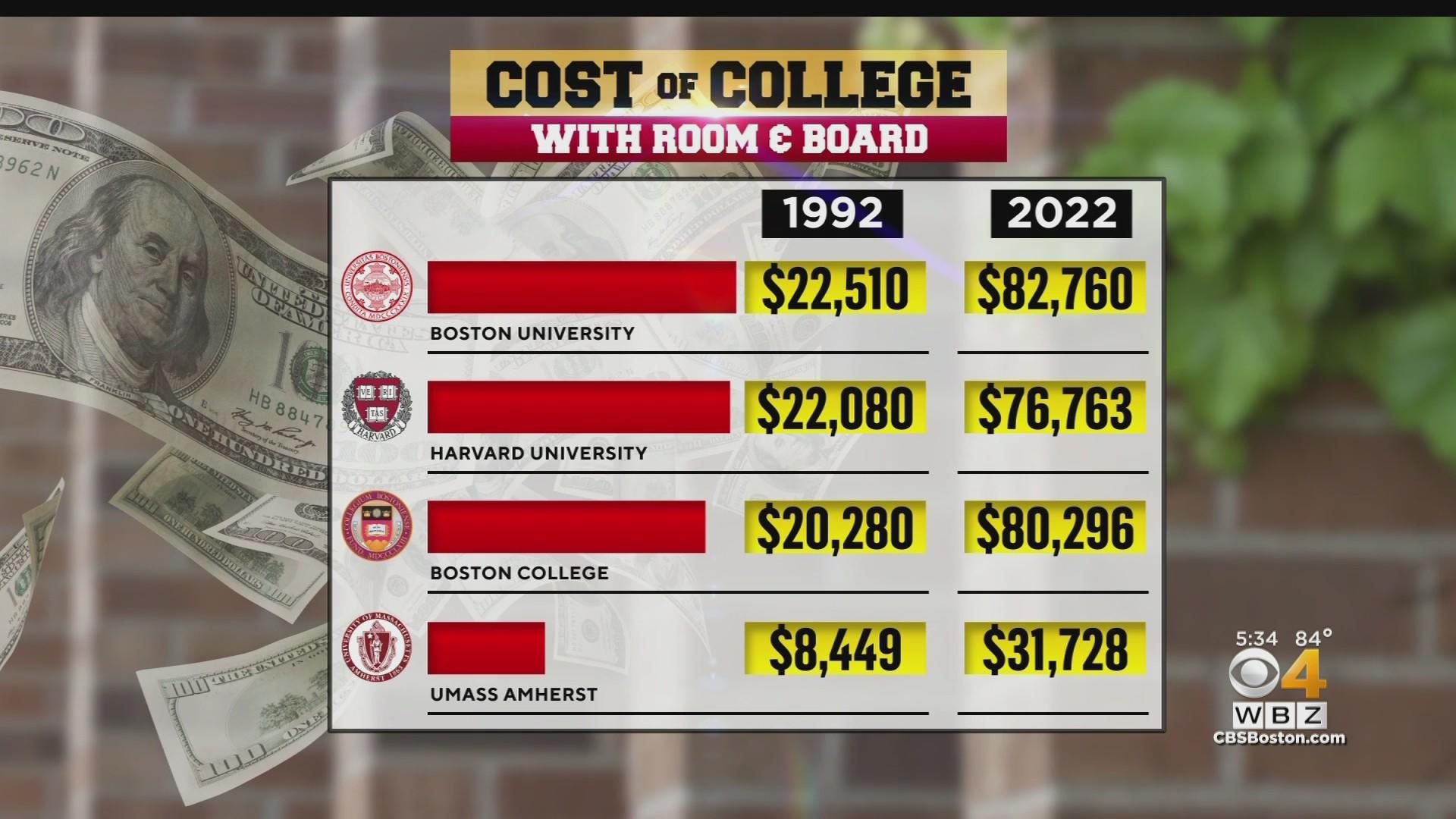
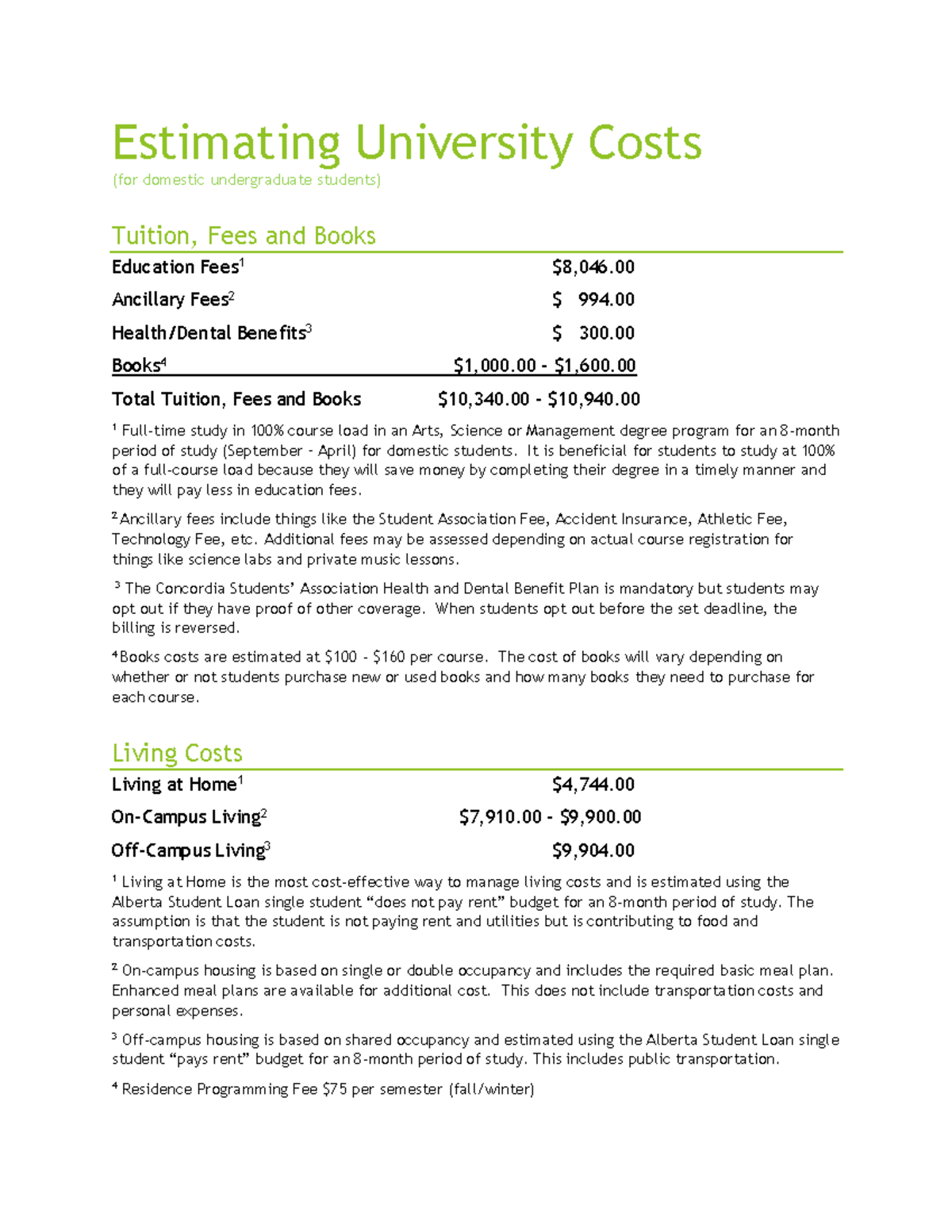
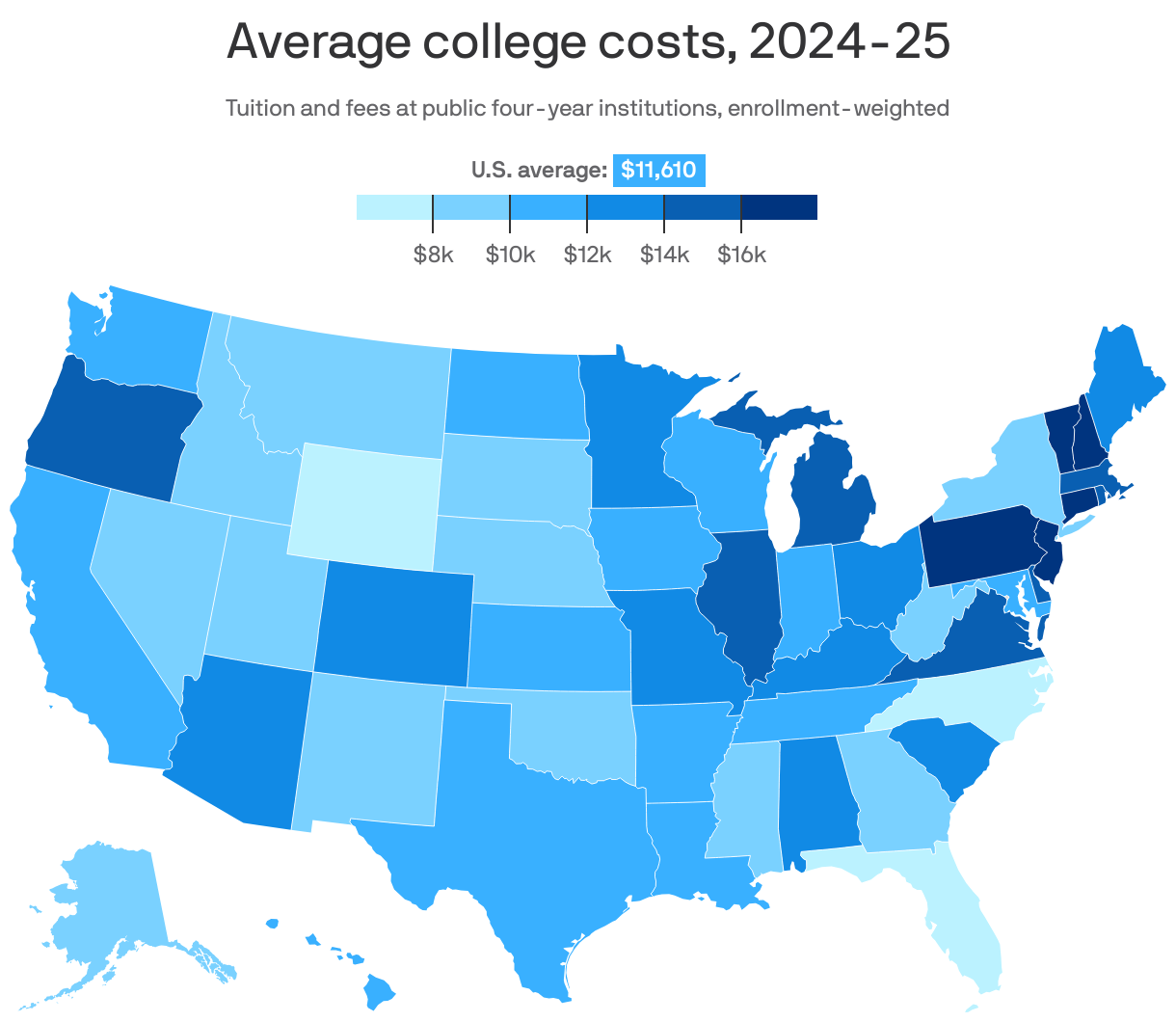
University costs encompass more than just the annual tuition fees listed on an institution's website. Total expenditure typically includes mandatory fees, room and board, books, transportation, and personal expenses. Managing these costs requires a clear understanding of your specific university’s pricing structure, your eligibility for institutional or government financial aid, and the long-term impact of various funding models on your post-graduation financial health.
Defining the Components of University Expenses
When evaluating university costs, students and families must distinguish between "sticker price" and the "net price." The sticker price, or published tuition and fees, is the gross amount an institution charges before any financial aid is applied. However, very few students pay this full amount due to the prevalence of scholarships, grants, and work-study programs.
Mandatory fees are often separated from tuition to cover specific campus services, such as student health centers, athletic facilities, technology infrastructure, and library resources. Beyond these direct charges, indirect costs—often referred to as the cost of attendance (COA)—include living expenses. This category covers housing (dorms or off-campus rent), meal plans, groceries, textbooks, software licenses, course-specific supplies, and personal transportation. Understanding that these indirect costs can sometimes exceed tuition is essential for accurate budgeting, particularly in high-cost-of-living areas.
Assessing In-State vs. Out-of-State and Private Tuition
The most significant variable in university costs is the institutional type and residency status. Public universities receive government subsidies funded by state taxpayers, which allows them to offer significantly lower tuition rates to residents of that state. Non-residents, conversely, are typically charged a rate that approaches the full operational cost of educating a student, often resulting in a price disparity of several thousand dollars per academic year.
Private universities, which do not receive direct state funding, generally maintain higher base tuition rates. However, these institutions often possess larger per-capita endowments, allowing them to offer more robust institutional grant packages that may lower the final out-of-pocket cost for qualified students below that of public institutions. When comparing these options, you must look at the historical data regarding the average debt load of graduates from each specific school, rather than relying solely on the published annual tuition.
Comparative Factors in Educational Investment
| Cost Category | Public In-State | Public Out-of-State | Private Non-Profit |
|---|---|---|---|
| Base Tuition | Lower | Moderate to High | High |
| Institutional Aid | Limited | Variable | Often Substantial |
| Room & Board | Standard | Standard | Variable/High |
| Mandatory Fees | Minimal | Minimal | Varies by Program |
Financial Aid, Grants, and Loan Obligations
Financial aid acts as the primary tool for mitigating university costs. It is generally categorized into two groups: gift aid (grants and scholarships that do not require repayment) and self-help aid (loans and work-study opportunities).
Government-backed programs often come with favorable terms, such as fixed interest rates and income-driven repayment plans. Private loans, however, should be approached with caution. They frequently carry variable interest rates and lack the flexible repayment protections afforded by federal loan programs. Before committing to a specific university, it is critical to perform a side-by-side analysis of your "financial aid award letter." Note that some aid, specifically merit-based scholarships, may be contingent upon maintaining a specific grade point average (GPA), whereas need-based aid is recalculated annually based on your household's financial documentation.
The Impact of Living Arrangements on Total Cost
Where a student chooses to live can fluctuate total university costs by a significant margin. On-campus housing typically includes bundled utility costs, security, and high-speed internet, but meal plans are often mandatory and can be expensive relative to cooking at home.
Off-campus housing may appear cheaper on a monthly basis, but students must account for secondary expenses such as utilities, renters' insurance, security deposits, furniture, and commuting costs. Furthermore, leases often require a 12-month commitment, whereas on-campus housing contracts typically cover only the nine-month academic year. Students should calculate the total annual cost, including transportation and food, for both options before making a final housing decision.
Common Financial Planning Mistakes
One of the most frequent errors in managing university costs is failing to account for annual tuition inflation. Most universities adjust their fees upward annually to account for operational cost increases, faculty salary adjustments, and facility upgrades. Planning for a static cost over a four-year period is a common mistake that can lead to significant mid-degree funding gaps.
Another mistake is neglecting the cost of course materials. Digital access codes for textbooks and specialized laboratory supplies can add hundreds of dollars per semester. Experienced students often mitigate these costs by sourcing used textbooks, renting digital versions, or verifying with professors whether an older edition of a textbook is acceptable for the upcoming 2026 semester. Lastly, students often overestimate their ability to work full-time while maintaining a full academic load, which can lead to extended graduation timelines and, consequently, higher total tuition costs.
What are the main differences between subsidized and unsubsidized loans?
Subsidized loans are based on financial need, and the government pays the interest while the student is enrolled at least half-time. Unsubsidized loans are not based on need, and interest begins to accrue from the moment the loan is disbursed.
How often should I re-evaluate my university budget?
You should re-evaluate your budget at least once per semester. Changes in financial aid eligibility, cost-of-living adjustments, and personal spending habits require proactive updates to your financial plan to avoid surprises in your final years of study.
Are there tax incentives to help cover university costs?
Yes, certain tax credits, such as the American Opportunity Tax Credit (AOTC) and the Lifetime Learning Credit (LLC), can help offset qualified education expenses. Consult a tax professional or the official IRS website to verify your eligibility for the 2026 tax year.
How do I appeal a financial aid decision if my circumstances change?
If your financial situation changes due to unexpected events like job loss or medical expenses, you can file a "professional judgment" appeal with your university’s financial aid office. You must provide documentation to support the change in your financial profile.
Proactive Next Steps for Prospective Students
To gain control over university costs, start by creating a detailed spreadsheet that separates fixed costs (tuition, fees) from variable costs (housing, books, personal spending). For the current 2026 cycle, prioritize filling out the necessary financial aid documentation as early as possible, as many grant pools are awarded on a first-come, first-served basis.
Review the specific university’s "Net Price Calculator," which is legally required to be available on their official website. Input your specific financial data to receive an estimate of your actual out-of-pocket costs. If you find the figures unmanageable, schedule an appointment with a financial aid counselor at the university. They are often the best resource for identifying specific scholarships, work-study roles, or payment plans that can help you bridge the gap between your available resources and the cost of your education.