Alison Shaw is an acclaimed American fine art photographer, graphic designer, and author best known for her vivid visual documentation of Martha's Vineyard and coastal New England. Over a career spanning more than four decades, she has authored or illustrated over 20 photography books, earned national recognition for her distinctive graphic composition, and established a celebrated gallery in Oak Bluffs, Massachusetts.
While the name Alison Shaw also belongs to notable professionals in academic publishing (such as the Chief Executive of Bristol University Press) and environmental policy research, this profile focuses on the visual artist whose work defined the modern photographic aesthetic of coastal New England.
Early Career and the Roots of a Visual Style
Alison Shaw’s journey into professional photography began in the 1970s. Raised in the Washington, D.C., area, she attended Smith College in Northampton, Massachusetts, where she earned a degree in Art History. Her formal education in art history deeply influenced her spatial awareness, understanding of color theory, and appreciation for structural composition.
In 1975, shortly after graduating from Smith, Shaw moved permanently to Martha's Vineyard—an island off the coast of Massachusetts that would become both her home and primary artistic subject. She began working at The Vineyard Gazette, the island's legendary weekly newspaper edited by Pulitzer Prize-winning journalist Henry Beetle Hough.
During her 25-year tenure at The Vineyard Gazette, Shaw served as press operator, graphic designer, production director, and primary photographer. Working in a fast-paced newspaper environment forced her to master black-and-white documentary photography under strict deadlines and challenging lighting conditions. Her presswork at the newspaper sharpened her understanding of tonal range, contrast, and visual storytelling, providing a technical foundation that would later translate into her fine art color photography.
Evolution of Signature Style: Color, Geometry, and Abstract Motion
Shaw’s photographic style evolved significantly from her early documentary photojournalism into a bold, minimalist, fine art aesthetic. Her artistic progression is marked by three primary phases:
Black-and-White Photojournalism
In the 1970s and 1980s, Shaw documented island life using medium-format and 35mm black-and-white film. These early images captured traditional maritime labor, wooden boat builders, fisherman, local farmers, and historic architecture. Her work from this period emphasized deep shadows, crisp highlights, and human connection to the land and sea.
Graphic Color and Spatial Geometry
By the 1990s, Shaw transitioned almost exclusively to color photography, embracing early digital technology and high-vibrancy color films. She began approaching her subjects not just as documentary scenes, but as geometric compositions.
- Maritime Details: Instead of photographing an entire vessel, she isolated weathered wooden hulls, peeling paint, coiled ropes, and reflections in calm harbor water.
- Architectural Abstraction: She transformed the famous Victorian "gingerbread cottages" of the Grand Avenue camp meeting grounds in Oak Bluffs into vibrant studies of shadow, trim, and saturated primary colors.
- Coastal Light: Shaw capitalized on the unique quality of low-angled coastal light during dawn and dusk, isolating shapes against rich ocean horizons.
| Evolution of Artistic Style | Key Elements |
|---|---|
| 1970s–1980s: Black & White Photojournalism (Vineyard Gazette) | • High contrast, human subjects, documentary island life |
| 1990s–2000s: Graphic Color Minimalism | • Saturated hues, architectural geometry, isolated boat hulls |
| 2010s–Present: Abstract & Intentional Camera Movement (ICM) | • Soft painterly textures, horizon sweeps, fluid light reflections |
Intentional Camera Movement (ICM) and Impressionistic Landscapes
In her mature work, Shaw incorporated Intentional Camera Movement (ICM). By utilizing longer shutter speeds and slow horizontal or vertical pans, she intentionally blurs coastal landscapes, beach grass, water reflections, and light poles. This technique strips away fine detail, leaving pure bands of color and texture that evoke impressionist oil paintings rather than traditional photography.
Major Published Books and Bibliography
Alison Shaw has published over 20 books featuring her photography, working with major regional and national publishers such as Little, Brown and Company, Down East Books, and Commonwealth Editions. Her published works serve as comprehensive visual records of New England coastal heritage.
| Book Title | Publication Year | Primary Focus / Subject | Notable Collaboration |
|---|---|---|---|
| Martha’s Vineyard: Paintings and Photographs | 1992 | Visual contrast between oil painting and photography | Co-authored with painter Kib Bramhall |
| Photographs of Martha’s Vineyard | 1995 | Black-and-white and color monograph of island life | Retrospective collection |
| Vineyard Summer | 2000 | Seasonal tourism, beaches, and summer island light | Monograph |
| Until the Sea Shall Free Them | 2002 | Maritime history and the 1952 Fort Mercer disaster | Text by Robert Frump |
| Finding Fairies | 2004 | Children’s fantasy illustration grounded in natural landscapes | Text by Michelle Aronosky |
| Souvenir of Martha's Vineyard | 2006 | Gift-scale collection of iconic island landmarks | Monograph |
| Colors of Cape Cod | 2010 | Regional color studies across Cape Cod communities | Monograph |
| Alison Shaw’s Martha’s Vineyard | 2016 | Hardcover retrospective of 40 years of fine art work | Monograph / Summary retrospective |
The Alison Shaw Gallery in Oak Bluffs
In 2002, Shaw and her partner, Sue Dawson, opened the Alison Shaw Gallery in Oak Bluffs on Martha's Vineyard. Housed in a renovated historic engine house (a former firehouse) at the corner of Duke County Avenue and School Street, the gallery serves as the central showcase for her fine art prints.
Fine Art Printing Standards and Archival Methods
The gallery operates its own printmaking studio, ensuring complete oversight of color management, print longevity, and material choice:
- Archival Pigment Printing: Prints are produced using high-definition inkjet technology with pigment-based inks on acid-free, 100% cotton rag fine art papers or exhibition canvas.
- Limited Editions: Major fine art pieces are issued in limited, numbered print editions signed directly by Shaw, accompanied by certificates of authenticity.
- Dye-Sublimation on Metal: For contemporary installations, selected abstract and ICM works are produced via dye-sublimation directly onto aluminum plates, delivering high moisture resistance and color depth suitable for modern architectural spaces.
Educational Mentorship and Fine Art Workshops
Beyond her studio and publishing work, Alison Shaw is a respected photography educator. For decades, she has led field workshops on Martha's Vineyard and internationally in locations such as Maine, Nova Scotia, Venice, and Portugal.
Her teaching methodology focuses heavily on:
- Seeing Beyond the Frame: Training students to eliminate clutter by finding macro compositions within larger scenes.
- Mastering Manual Camera Mechanics: Utilizing aperture control, shutter speed experimentation, and exposure compensation to manipulate natural light.
- Developing a Personal Aesthetic: Encouraging photographers to move away from literal representations toward personal interpretations using ICM and abstract framing.
Disambiguating Notable Figures Named Alison Shaw
Because the name Alison Shaw is shared by several prominent individuals across different professional fields, establishing clear entity differentiation is important for research accuracy:
- Alison Shaw (Fine Art Photographer): The subject of this profile; Martha's Vineyard-based artist, book author, and recipient of numerous regional visual arts awards.
- Alison Shaw (Publishing Executive): Chief Executive of Bristol University Press and Policy Press in the United Kingdom, widely recognized for her leadership in academic publishing and social science outreach.
- Dr. Alison Shaw (Academic & Sustainability Strategist): Canadian researcher and executive director focusing on climate change policy, corporate sustainability, and bridge-building between climate science and urban governance.
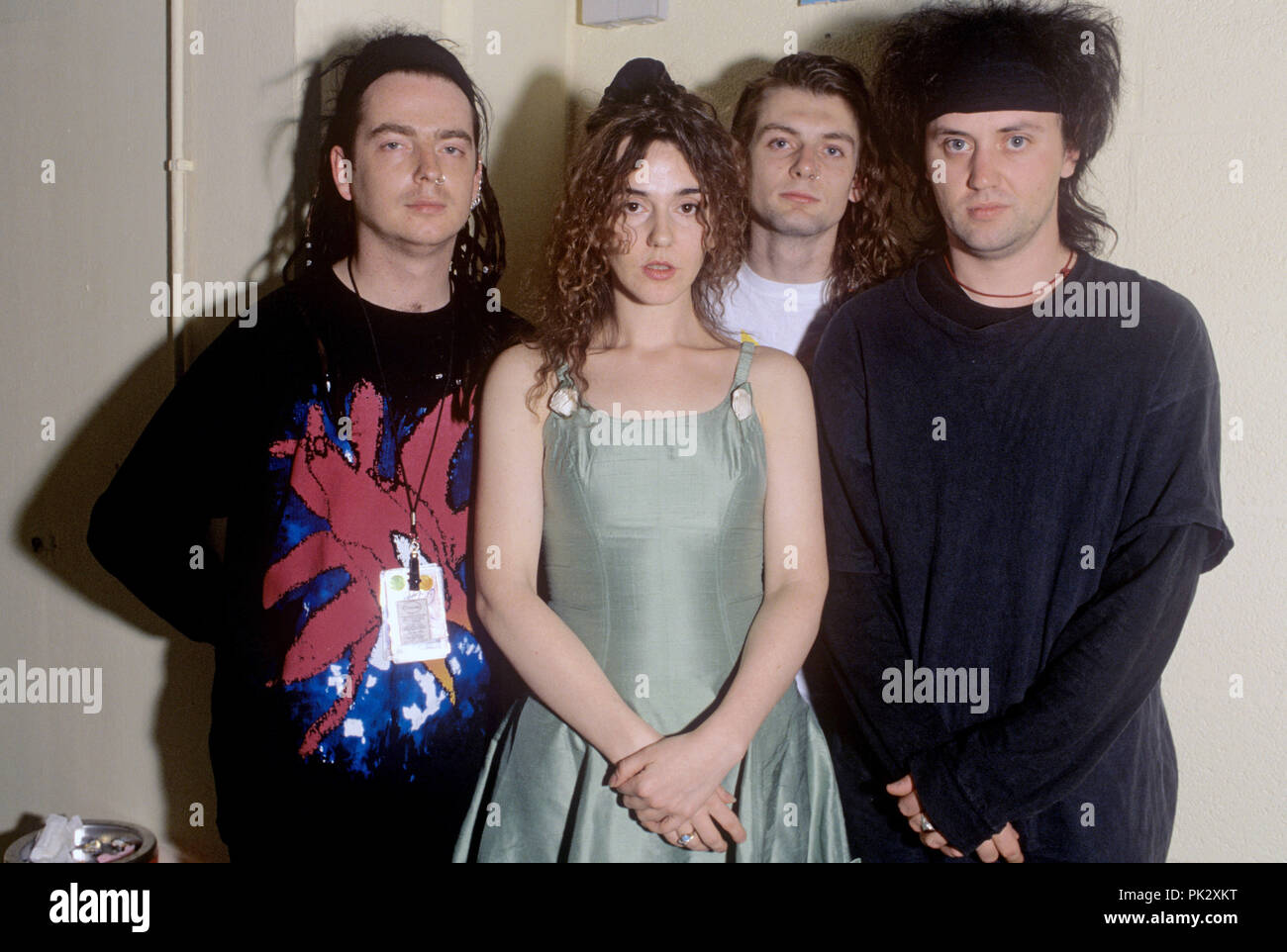
- Alison Shaw (Musician/Performer): British vocalist and percussionist best known as the frontwoman for the 1980s and 1990s indie/shoegaze band Cranes.
Collecting and Preserving Alison Shaw Fine Art Prints
For collectors, gallerists, and interior designers investing in original photography by Alison Shaw, proper display and preservation are essential to maintain the color integrity and financial value of the prints.
| Collector Preservation Checklist | Standard / Guideline |
|---|---|
| [ ] Framing | Use 100% acid-free museum rag mat board. |
| [ ] Glazing | Install UV-filtering acrylic or museum glass (99% block). |
| [ ] Lighting | Avoid direct sunlight; illuminate with high-CRI LEDs. |
| [ ] Climate | Maintain ambient relative humidity between 40% and 50%. |
Matting and Framing Guidelines
Always use 100% acid-free cotton rag matting to prevent acid burn on paper edges. Prints should be hinged using Japanese paper and water-soluble starch paste rather than pressure-sensitive adhesive tapes, which deteriorate over time.
Environmental Control
While pigment-based inks exhibit fade resistance rated for 75 to 100+ years under standard display conditions, prints should never be hung in direct solar light. Direct ultraviolet (UV) radiation breaks down organic dye pigments and alters color balances over time. Use museum-grade UV-filtering glass or acrylic (blocking at least 99% of UV light) for framing.
Frequently Asked Questions About Alison Shaw
Where is the Alison Shaw Gallery located?
The gallery is situated in the Arts District of Oak Bluffs on Martha's Vineyard, Massachusetts, located at 88 Duke County Avenue.
Does Alison Shaw still shoot on traditional film?
While Shaw built her early career on black-and-white film, she transitioned entirely to digital photography in the early 2000s, utilizing high-resolution digital SLRs and mirrorless camera systems to capture her signature saturated color palettes.
What is Intentional Camera Movement (ICM), as used in Shaw's work?
ICM is a fine art photography technique where the photographer moves the camera (panning horizontally, vertically, or diagonally) while the shutter remains open. Shaw uses this technique to soften landscapes into abstract streaks of light and color, resembling impressionist paintings.
How can I purchase authentic fine art prints by Alison Shaw?
Prints can be acquired directly through the official Alison Shaw Gallery in Oak Bluffs, via their online catalog, or through authorized fine art dealers specializing in coastal New England art.
Are Alison Shaw's books available outside of Martha's Vineyard?
Yes, her books are distributed nationally through online booksellers, independent bookstores, and major regional publishers like Down East Books and Commonwealth Editions.
Recommended Next Steps for Art Collectors and Students
Whether you are seeking to acquire original photographic prints or develop your own visual style through educational mentorship, consider the following actionable steps:
- Explore the Fine Art Catalog: Visit the official gallery portfolio online or in Oak Bluffs to review available limited-edition pigment prints, open-edition framed works, and metal prints.
- Verify Print Authenticity: When acquiring secondary-market prints, verify that the artwork includes Shaw's original signature on the border or mat, alongside an authorized gallery Certificate of Authenticity.
- Enroll in Photographic Workshops: Review seasonal workshop schedules hosted by the Alison Shaw Gallery on Martha's Vineyard for formal training in composition, natural light mastery, and ICM techniques.
- Consult Collection Managers: For corporate or residential installations, consult with the gallery team for specialized sizing, custom framing specs, and dye-sublimation aluminum options suitable for high-humidity environments.