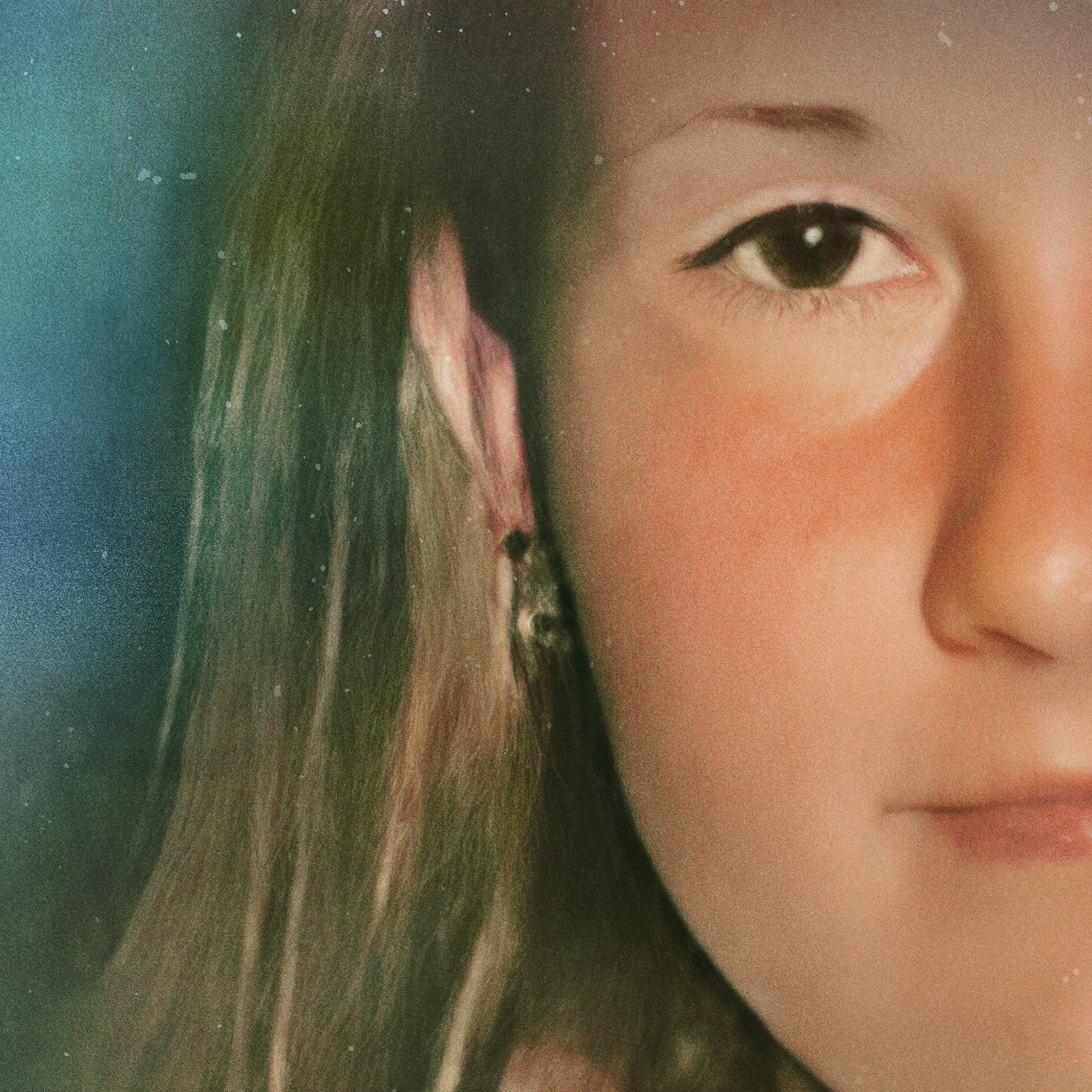
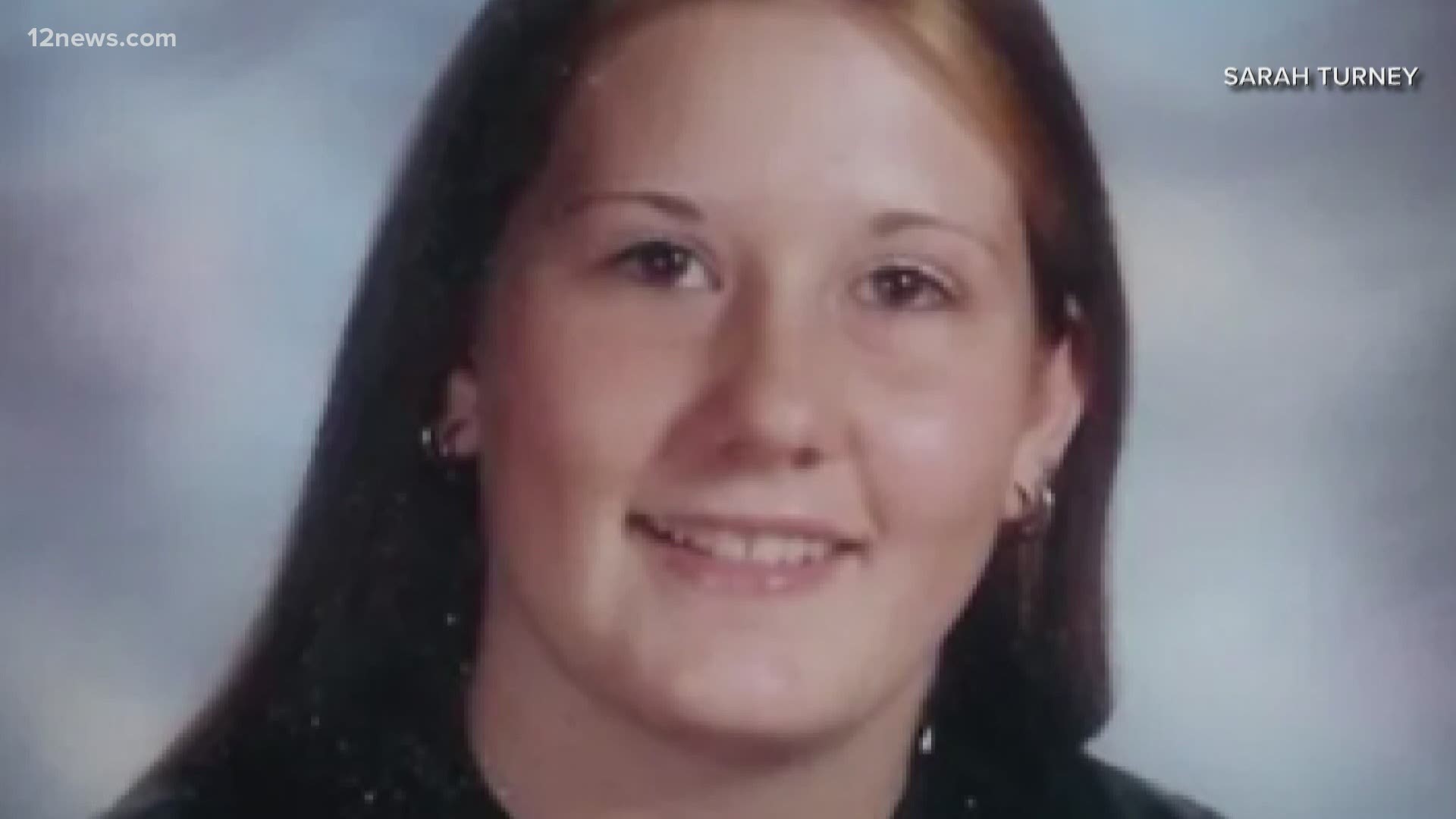
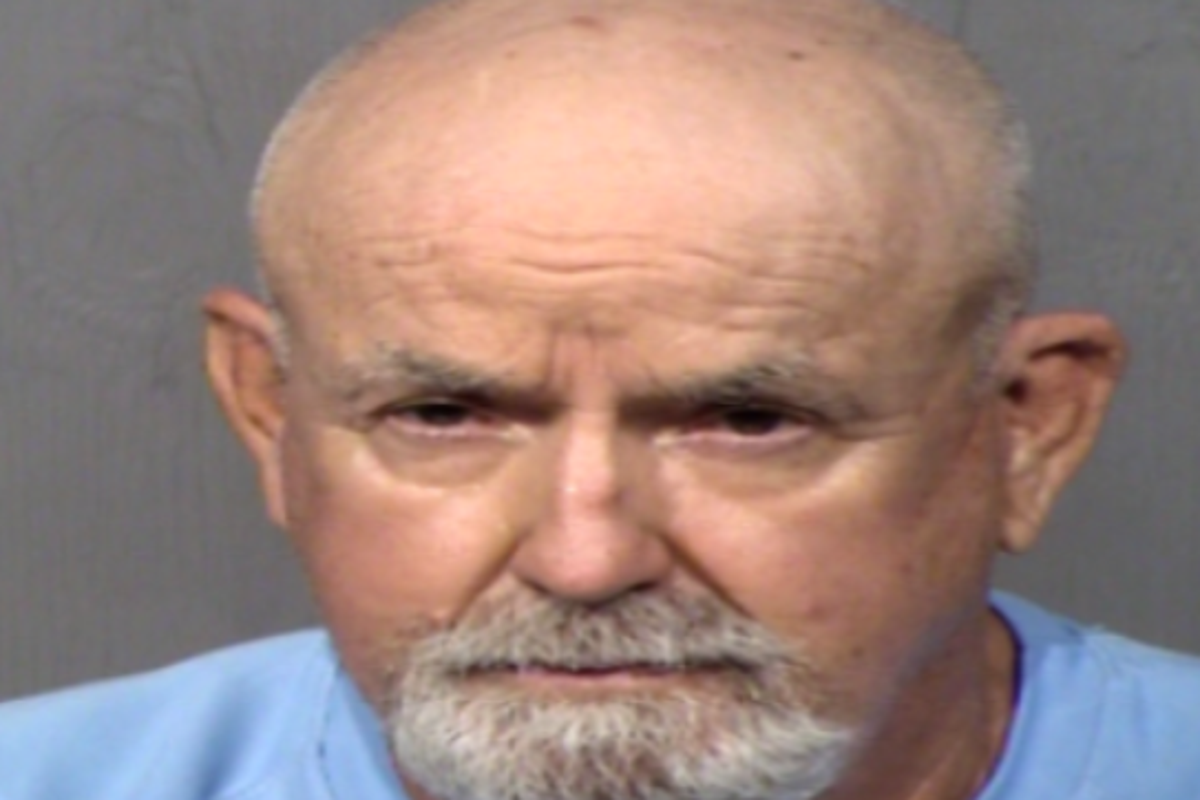
The disappearance of 17-year-old Alissa Turney in 2001 evolved into one of the most widely followed cold cases in modern American history. Driven by a viral social media campaign led by her sister Sarah Turney, the case led to the 2020 murder indictment of Alissa’s stepfather, Michael Turney. However, in July 2023, a judge granted a directed verdict of acquittal due to insufficient direct physical evidence, legally resolving Michael Turney's prosecution while leaving Alissa's disappearance officially unsolved.
The Disappearance of Alissa Turney in 2001
On May 17, 2001, 17-year-old Alissa Turney dropped off her junior year high school routine in Phoenix, Arizona, and vanished. According to her stepfather, Michael Turney, he dropped Alissa off at Paradise Valley High School that morning, picked her up early after she finished her final exams, and took her out to lunch. Michael claimed that after returning home, the two argued over Alissa wanting more freedom. He stated he left the house to run errands and attend to personal business, and upon returning later that afternoon, Alissa was gone.
Found in her bedroom was a short note declaring that she was running away to California to live with her biological father. However, Alissa left behind essential personal belongings, including her cell phone, hairbrush, contact lenses, and money she had earned working at a local restaurant. Her biological father, located shortly thereafter, confirmed he had not seen or heard from her.
Initial investigations by the Phoenix Police Department treated Alissa as a standard runaway. Because there were no obvious signs of forced entry or blood at the scene, law enforcement did not immediately launch a homicide investigation or preserve the home as a crime scene. For years, the case lay largely dormant under the runaway classification, despite persistent concerns raised by Alissa's friends and relatives regarding her home environment and her stepfather's strict behavior.
The 2008 Investigation and the Search of Michael Turney's Home
The trajectory of the investigation shifted dramatically in 2008. Detectives specializing in cold cases reopened Alissa Turney’s file, re-evaluating the runaway determination in light of new witness interviews and reported allegations of domestic surveillance and physical abuse within the household.
In December 2008, Phoenix police executed search warrants on Michael Turney’s residence. While searching for evidence related to Alissa’s disappearance, investigators uncovered a massive stockpile of weapons and explosives. Authorities seized 26 homemade pipe bombs, thousands of rounds of ammunition, illegal silencers, assault rifles, and detailed manifestos outlining plans to bomb an International Brotherhood of Electrical Workers (IBEW) union hall in Phoenix.
Michael Turney was arrested and subsequently prosecuted in federal court for the illegal possession of destructive devices. In 2010, he pleaded guilty to federal weapons charges and was sentenced to ten years in federal prison. Although the federal raid revealed extreme behavior and dangerous stockpiling, investigators did not discover direct physical evidence—such as human remains, blood matching Alissa's DNA, or a definitive crime scene—connecting Michael Turney to Alissa’s physical location at that time.
The Viral Social Media Campaign Led by Sarah Turney
Following Michael Turney’s release from federal prison in 2017, Alissa’s younger sister (and Michael’s biological daughter), Sarah Turney, took direct action to reopen public interest in the case. Recognizing the limitations of traditional police publicity for cold cases, Sarah launched a multi-platform media strategy that altered how modern true-crime cases are investigated in the public sphere.
In 2019, Sarah launched the podcast Voices for Justice, dedicating its first season entirely to analyzing Alissa's disappearance. She meticulously reviewed decades of family audio recordings, police reports, surveillance logs kept by her father, and personal diaries.
Timeline of Advocacy:
- 2017: Michael Turney released from federal prison.
- 2019: Launch of "Voices for Justice" podcast dedicated to Alissa.
- 2020: Viral TikTok campaign garners millions of views; public pressure builds on prosecutors.
- Aug 2020: Grand jury indicts Michael Turney for second-degree murder.
Sarah subsequently leveraged TikTok and short-form video content to highlight specific pieces of circumstantial evidence, including audio clips of Michael Turney displaying coercive control. The viral videos generated millions of views, resulting in widespread public pressure on the Maricopa County Attorney’s Office to take legal action before crucial witnesses aged out or passed away.
The 2020 Arrest and the 2023 Murder Trial
Driven by renewed review of existing files and public interest, a Maricopa County grand jury indicted Michael Turney in August 2020 on a charge of second-degree murder in connection with Alissa’s death. He was taken into custody in Phoenix and held on a $1 million bond.
The trial commenced in July 2023 in Maricopa County Superior Court. The prosecution's case rested heavily on circumstantial evidence and pattern-of-behavior testimony:
- Coercive Control and Surveillance: Prosecutors presented evidence that Michael Turney subjected Alissa to extreme monitoring, including wiretapping household phones, installing security cameras, and keeping meticulous logs of her daily activities.
- Allegations of Abuse: Witnesses testified regarding alleged sexual abuse and physical intimidation occurring prior to Alissa's disappearance.
- Inconsistencies in Statements: The prosecution highlighted conflicting statements made by Michael Turney over the years regarding his actions on May 17, 2001.
The defense team focused on the fundamental evidentiary hurdles of homicide prosecutions: the complete lack of physical evidence. Defense attorneys pointed out that:
- No human remains had ever been recovered.
- No physical crime scene, blood, or weapon tied to a homicide was ever identified.
- No eyewitnesses testified to seeing an assault or physical harm committed against Alissa.
- The state’s case depended on inferring murder from circumstantial behavior rather than forensic proof.
The Directed Verdict of Acquittal: Why the Trial Ended
On July 18, 2023, before the defense presented its full case to the jury, Judge Margaret LaBianca granted a defense motion for a Rule 20 judgment of acquittal (often referred to as a directed verdict).
Under Arizona Rules of Criminal Procedure, a judge must enter a judgment of acquittal if there is no substantial evidence to warrant a conviction. Substantial evidence is defined as proof that reasonable persons could accept as adequate to support a conclusion of a defendant’s guilt beyond a reasonable doubt.
Legal Threshold Comparison:
- Circumstantial Suspicion: Behavioral logs, inconsistent statements, past convictions
- Insufficient for Rule 20
- Substantial Evidence standard: Physical evidence, forensic proof, cause of death, or body recovery
Judge LaBianca ruled that while the state presented extensive evidence of Michael Turney’s controlling nature and troubling post-disappearance conduct, it failed to provide direct or substantial circumstantial proof demonstrating that Alissa Turney was deceased as a result of a criminal act by Michael. Because the prosecution failed to meet this threshold, the case was dismissed before jury deliberations, resulting in Michael Turney's full acquittal.
Because double jeopardy rules apply once a trial begins, Michael Turney cannot be retried in state court for the second-degree murder of Alissa Turney based on the events of May 17, 2001.
Chronology of Key Events
| Year | Event | Legal / Investigative Status |
|---|---|---|
| May 2001 | Alissa Turney vanishes from Phoenix, Arizona at age 17. | Classified as a youth runaway by Phoenix Police Department. |
| 2008 | Cold case detectives reopen the case; search warrant executed at Michael Turney's residence. | Discovery of 26 pipe bombs, silencers, and manifestos; no body found. |
| 2010 | Michael Turney pleads guilty to federal weapons charges. | Sentenced to 10 years in federal prison; released in 2017. |
| 2019–2020 | Sarah Turney launches Voices for Justice podcast and viral social media campaign. | Case gains national attention; public pressure builds on Maricopa County prosecutors. |
| August 2020 | Maricopa County Grand Jury indicts Michael Turney. | Charged with second-degree murder; held on $1M bond. |
| July 2023 | Second-degree murder trial begins in Phoenix. | Judge Margaret LaBianca grants Rule 20 directed verdict of acquittal; case dismissed. |
Evidentiary Standards vs. Viral Public Opinion
The outcome of the Alissa Turney case highlights the clear distinction between public perception formed through digital advocacy and the strict evidentiary requirements of the criminal justice system.
The Power and Limits of Digital Advocacy
Social media platforms allow creators and relatives of missing persons to bypass traditional media gatekeepers. In Alissa's case, Sarah Turney's campaign successfully:
- Transformed a forgotten cold case into a nationally recognized story.
- Forced local authorities to re-examine decades-old files.
- Created a framework for family-led missing person advocacy worldwide.
However, viral campaigns often center on narrative coherence, behavioral red flags, and public intuition. While these elements build strong public awareness, criminal courts require admissible, objective evidence that satisfies the "beyond a reasonable doubt" standard.
The Challenges of "No-Body" Homicide Homicides
Prosecuting a homicide without a body (a "no-body" case) presents major legal hurdles:
- Establishing Corpus Delicti: The state must prove that a crime actually occurred (i.e., that the victim is dead and that death was caused by criminal agency).
- Establishing Cause and Manner of Death: Without physical remains, proving whether a missing person died by homicide, accident, or natural causes relies heavily on forensic circumstantial evidence.
- Overcoming Reasonable Doubt: When physical evidence is absent, defense attorneys can suggest alternative explanations—such as voluntary departure or third-party involvement—that create legal doubt.
Frequently Asked Questions
Was Michael Turney convicted of killing Alissa Turney?
No. Michael Turney was never convicted of killing Alissa Turney. Although he was indicted on a second-degree murder charge in 2020, the judge granted a directed verdict of acquittal during his 2023 trial, citing a lack of substantial evidence.
Has Alissa Turney's body ever been found?
No. As of 2026, Alissa Turney's remains have not been located. Her disappearance remains an open missing persons case within law enforcement databases.
Why did the judge grant a directed verdict of acquittal in 2023?
Judge Margaret LaBianca granted a Rule 20 judgment of acquittal because the prosecution did not present direct physical evidence, forensic proof, or sufficient circumstantial evidence proving that Michael Turney committed a criminal homicide. Under Arizona law, if the state fails to provide substantial evidence to support a guilty verdict, the court must dismiss the charges before jury deliberation.
Can Michael Turney be tried again for Alissa's murder?
Under the Fifth Amendment's Double Jeopardy clause, Michael Turney cannot be retried in state court for second-degree murder for the events of May 17, 2001, because jeopardy attached once the jury was impaneled in his 2023 trial.
How did Sarah Turney influence the investigation?
Sarah Turney brought global attention to Alissa's case through her podcast Voices for Justice and social media channels like TikTok. Her work organized digital public pressure, which prompted law enforcement and prosecutors to re-examine the case files, ultimately contributing to the 2020 grand jury indictment.
Ethical Advocacy for Cold Cases
Following missing person cases driven by social media requires balancing support for victim families with respect for legal processes. Individuals following unsolved cold cases can use these guidelines to maintain ethical engagement:
- Distinguish Speculation from Admissible Evidence: Recognize that online analysis, behavioral patterns, and personal suspicions do not substitute for forensic proof and sworn court testimony.
- Focus on Finding the Missing: Prioritize sharing official missing persons flyers, national registry updates (such as NamUs), and verified police tip-line numbers over spreading unverified theories.
- Respect Legal Boundaries: Avoid harassment of individuals involved in cold cases. Vigilante action can compromise ongoing police investigations and hamper future legal proceedings.
- Support Systemic Advocacy: Support organizations dedicated to cold case processing, DNA matching technologies, and missing persons resources, such as the National Center for Missing & Exploited Children or local search-and-rescue teams.
Anyone with reliable information regarding the location or disappearance of Alissa Turney is encouraged to submit tips directly to the Phoenix Police Department or Silent Witness at 480-WITNESS.