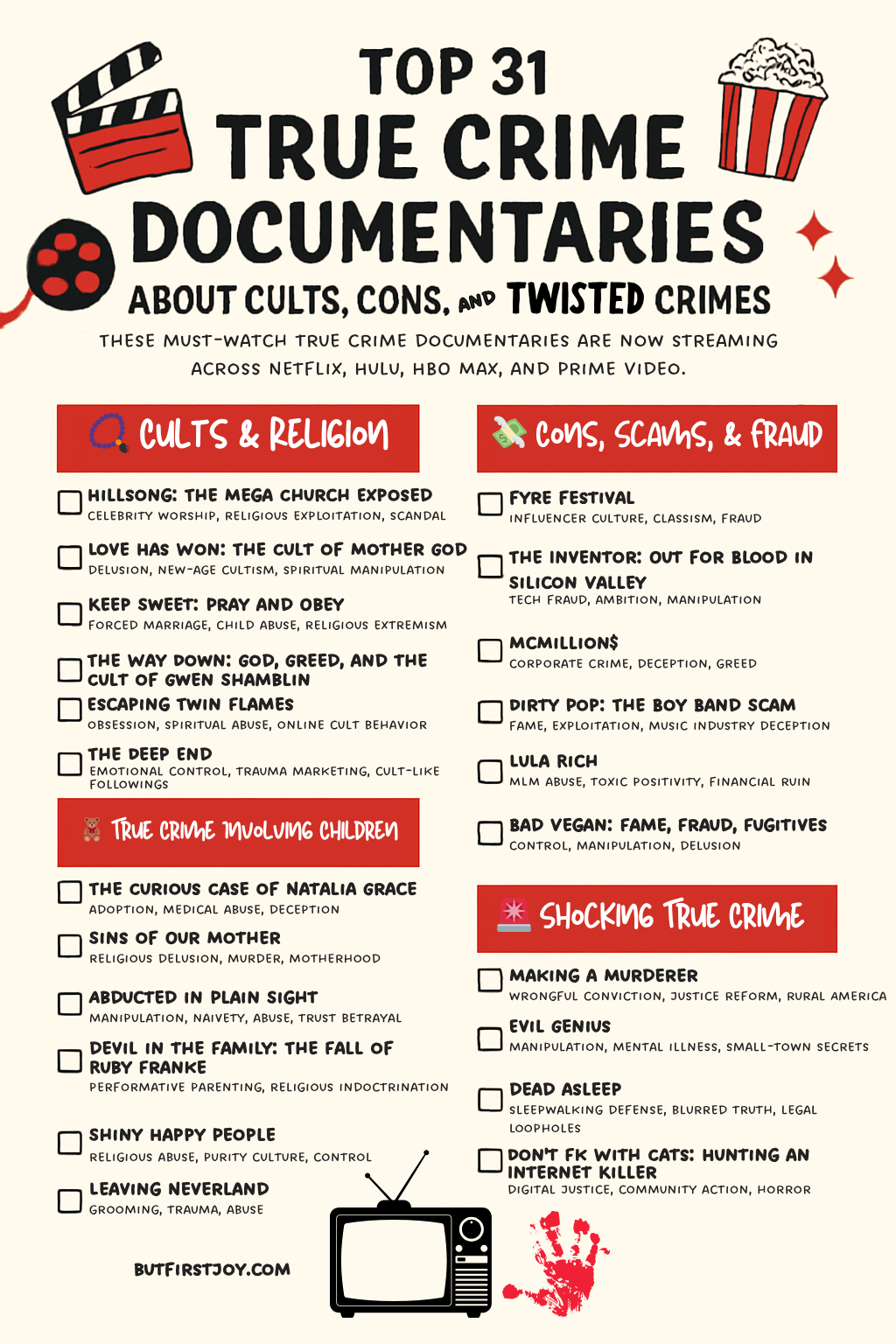
The September 2025 release cycle for true crime documentaries marked a significant evolution in investigative storytelling, characterized by a shift toward cold case resolution and systemic legal analysis. Major streaming platforms prioritized long-form episodic series that utilized advanced forensic technology and victim-centered narratives, providing audiences with comprehensive, fact-based insights into complex criminal histories.
The Shift Toward Investigative Transparency
The landscape of true crime shifted notably in September 2025, moving away from sensationalist retellings toward evidence-heavy, procedural reporting. Production houses recognized that modern audiences—well-versed in digital sleuthing and internet forensics—demanded higher standards of factual accuracy and primary source integration. Consequently, projects released during this month frequently included collaborations with law enforcement agencies, genealogical researchers, and legal historians.
This period was defined by the emergence of "collaborative journalism," where documentary crews gained unprecedented access to police archives, digitized court records, and previously sealed deposition transcripts. By focusing on the administrative and technical aspects of criminal investigations, these documentaries served not only as entertainment but as public archives of historical justice, documenting how evidence is gathered, challenged, and verified within the modern courtroom.
Technical Standards in Documentary Production
By late 2025, the standard for a high-quality true crime documentary shifted to include robust documentation of the investigative process. Producers began incorporating interactive elements and supplemental digital dossiers to support the main feature, allowing viewers to verify timeline details and forensic data independently.
For researchers and viewers interested in the veracity of these productions, the following metrics became standard criteria for evaluating documentary quality:
- Primary Source Reliance: The extent to which a film relies on court transcripts, police body-cam footage, and sworn witness statements rather than reenactments.
- Expert Verification: The inclusion of forensic specialists, criminologists, or independent journalists who provide context to the technical aspects of the crime.
- Procedural Accuracy: The degree to which legal terminology and investigative steps (such as warrant acquisition, chain of custody, and forensic testing) are portrayed without narrative distortion.
Comparison of Documentary Content Frameworks
The following table categorizes the common structural approaches observed in the late 2025 documentary ecosystem, highlighting how different formats communicate background facts.
| Format Type | Primary Objective | Investigative Depth | Best Suited For |
|---|---|---|---|
| Procedural Series | Forensic breakdown | High | Complex multi-layered cases |
| Biographical Docs | Contextualizing motive | Moderate | Historical criminal psychology |
| Systemic Critiques | Policy and legal analysis | Very High | Institutional failure investigations |
| Archival Revivals | Historical fact correction | Moderate | Cold cases with new evidence |
Accessing and Verifying Documentary Backgrounds
Understanding the background of a high-profile case often requires navigating various legal and jurisdictional boundaries. In the context of documentaries released in September 2025, many projects focused on cases that had recently passed their statutory requirements for record disclosure.
Viewers attempting to follow the "facts" behind these productions often encounter challenges regarding data availability. In many jurisdictions, investigative records remain protected under privacy statutes until the statute of limitations has expired or the case has been definitively closed. Documentary makers in 2025 utilized Freedom of Information Act (FOIA) requests extensively, often waiting years for the release of documents that ultimately shaped their narrative. If you are conducting personal research into these cases, it is essential to distinguish between the dramatized presentation in the film and the raw data available through public records offices.
The Role of Forensic Science in Modern Narratives
A recurring theme in the documentaries of September 2025 was the application of forensic genealogy and rapid DNA analysis. These technologies have fundamentally altered how cold cases are solved, and the documentaries of the era made a concerted effort to explain these advancements to the layperson.
Where older true crime media often relied on circumstantial narrative arcs, 2025 productions highlighted the technical limits of DNA degradation, the complexity of ancestry database matching, and the role of forensic pathology in determining cause of death. By centering these technical details, the documentaries provided a realistic look at how the judicial system functions—or falters—under the pressure of modern scientific scrutiny.
Common Pitfalls in True Crime Consumption
As the genre grows, viewers must remain cognizant of the limitations inherent in documentary media. A primary concern for analysts is the "narrative bias," where a film may prioritize a compelling arc over the slow, mundane realities of legal proceedings.
Common mistakes for viewers include:
- Confusing Reenactments with Reality: While visually stimulating, dramatic recreations are artistic interpretations and often omit the nuance of actual testimony.
- Ignoring Jurisdiction Limits: Rules of evidence vary significantly between states and countries, and a documentary may present a procedure as universal when it is strictly localized.
- Prioritizing Popular Consensus: Online discussions often favor a popular theory that may be contradicted by the actual forensic evidence presented in the primary source material.
Frequently Asked Questions
How can I verify the factual claims made in a true crime documentary?
To verify claims, consult official court records or case dockets if the information is public. Look for the "Sources" or "Fact-Checking" section often found in the end credits or the production company’s website. Cross-referencing names, dates, and locations with reputable news archives or public legal databases will confirm if the documentary accurately represented the historical record.
Why do some September 2025 documentaries focus on older cases?
Many producers target older cases because the passage of time often leads to the declassification of sensitive legal files. September 2025 saw a wave of content regarding cases from the 1990s and early 2000s, as these files became accessible under standard document retention policies, allowing for more comprehensive investigations than were possible at the time of the original trials.
What is the difference between a "docuseries" and an "investigative special"?
A docuseries generally spans multiple episodes, allowing for a deep dive into the historical background, social context, and intricate procedural details of a case. An investigative special is typically a single-feature presentation that focuses on a specific, often time-sensitive, development or a singular, focused breakdown of a forensic breakthrough.
Does the law impact what a documentary can reveal?
Yes. Libel laws and ongoing litigation can restrict what a production company can state as "fact." If a case is still in the appeals process or if there is active civil litigation, a documentary may be forced to use qualified language or omit certain allegations to comply with legal standards of defamation.
Recommended Next Actions for Researchers
If you are looking to deepen your understanding of the cases featured in September 2025 documentaries, the most productive path is to move from the screen to the archive. Start by identifying the primary jurisdiction where the crime occurred and search that county or district’s public records portal. For high-profile cases, the National Archives or local state repositories often hold digitized transcripts that provide a more accurate account than any documentary can provide. If you are investigating a specific forensic technique mentioned in a program, consult academic journals or professional forensic associations for a technical explanation of how that evidence is collected and analyzed under current standard operating procedures.