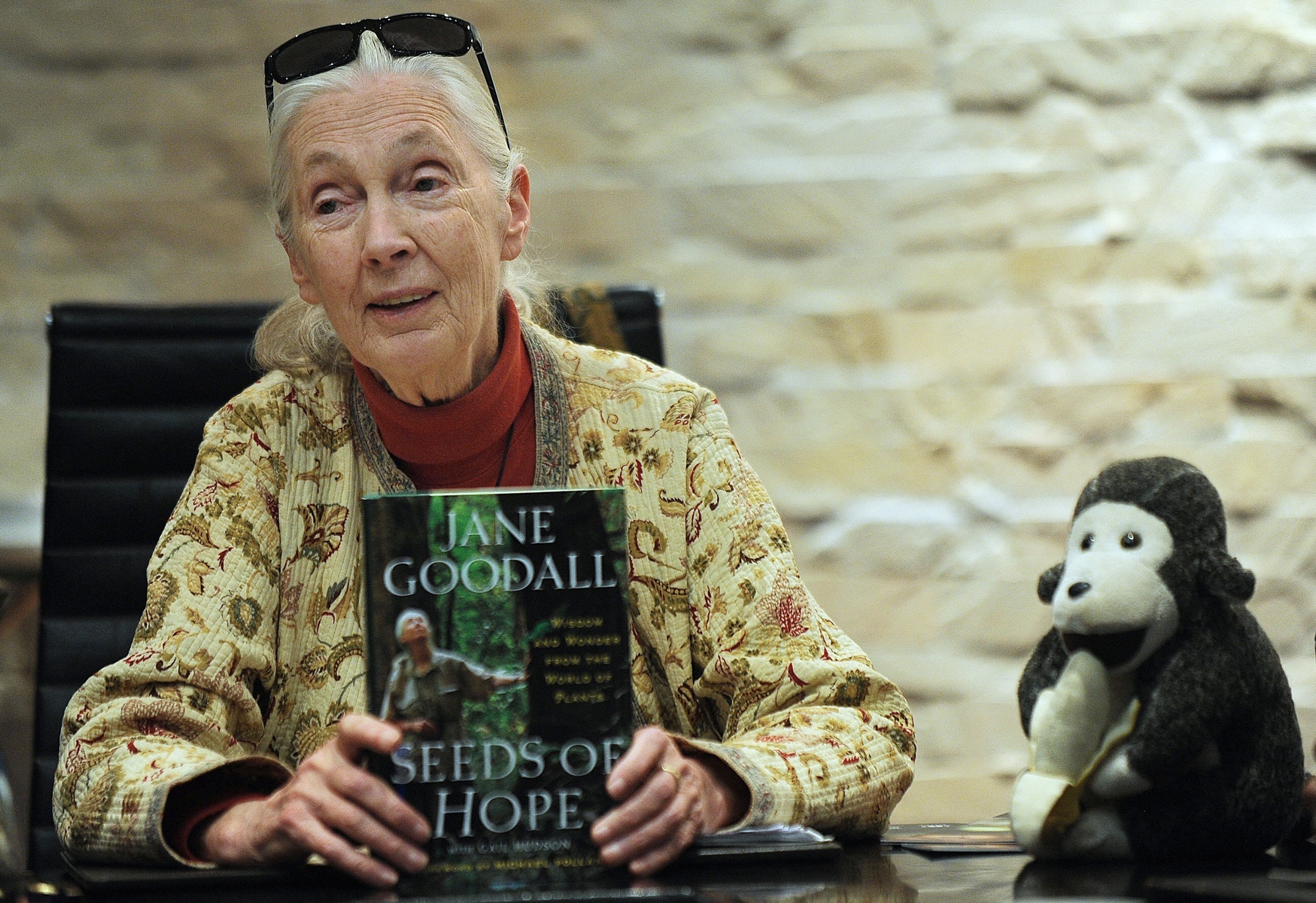
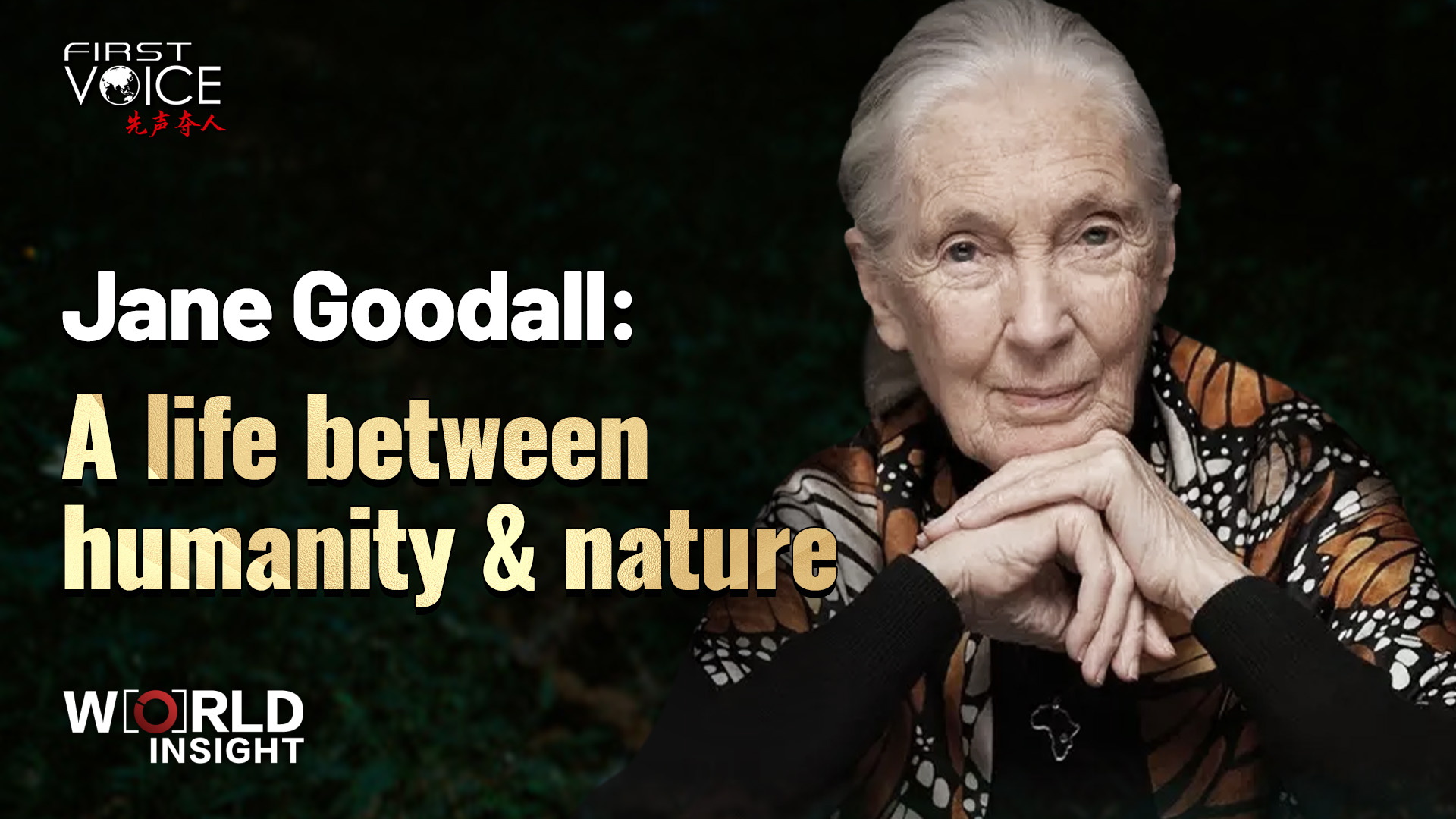
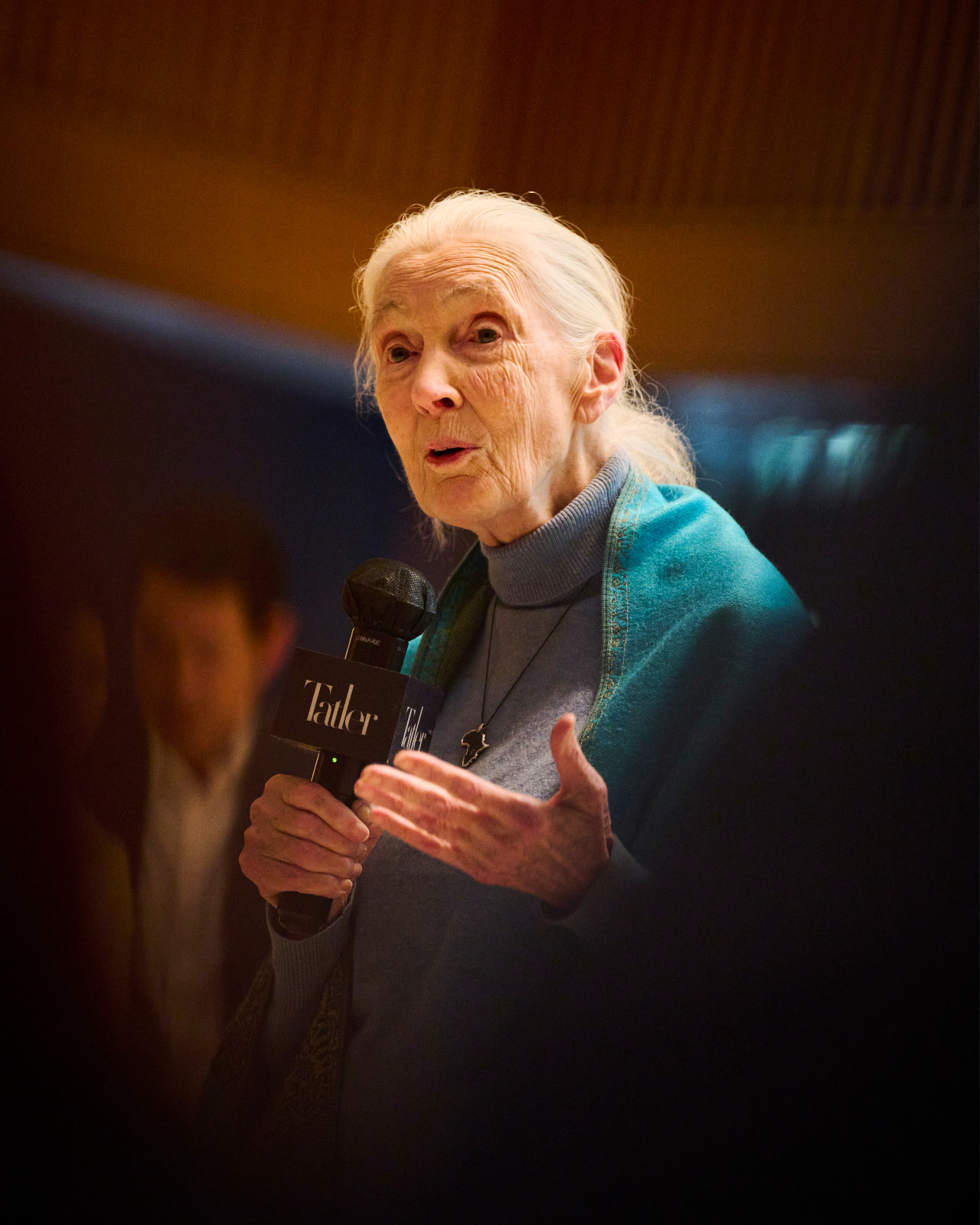
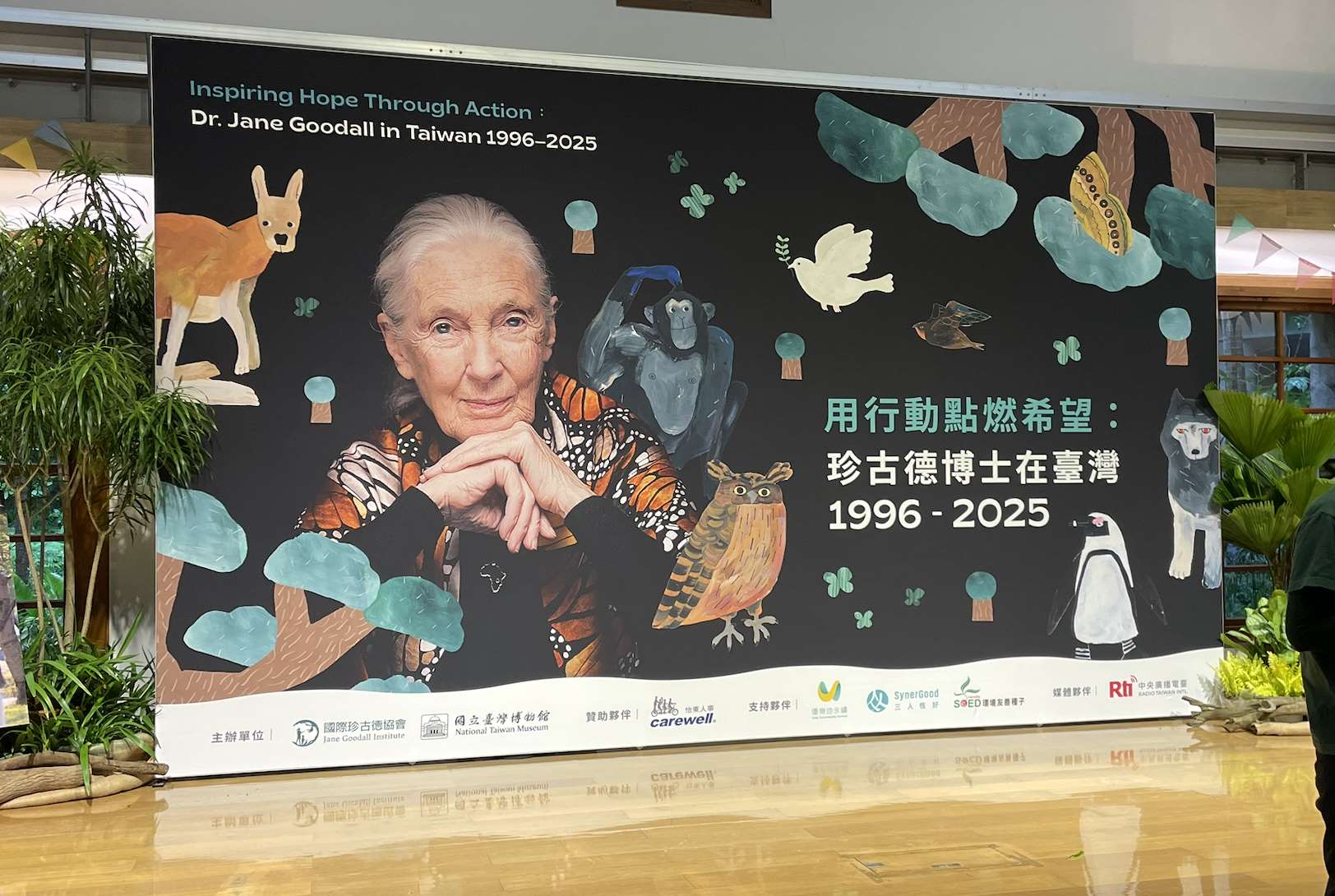
Jane Goodall is a world-renowned primatologist and environmental activist whose 1960 Gombe Stream observations redefined the relationship between humans and animals. Her work proved chimpanzees use tools, possess complex emotions, and maintain social structures, eventually evolving from field research into a lifelong global crusade for conservation and youth empowerment.
In the year 2026, the name Jane Goodall stands not only as a symbol of scientific breakthrough but as a beacon of persistent hope in an era of environmental transition. Her journey from a young woman with a notebook in the forests of Tanzania to a global ambassador for the planet offers a blueprint for how individual curiosity can spark a worldwide movement. This tribute explores the multifaceted dimensions of her life, the rigorous science that changed our self-perception, and the institutional legacy that continues to train new generations of conservationists.
The Gombe Revolution: Redefining Humanity
In July 1960, a 26-year-old Jane Goodall arrived on the shores of Lake Tanganyika in what is now Gombe Stream National Park, Tanzania. Armed only with a pair of second-hand binoculars and a notebook, and accompanied by her mother Vanne—as the British authorities refused to let a young woman live alone in the wild—she began a study that would last more than six decades.
At the time, the scientific community defined "man" as the exclusive "tool-maker." This distinction was the primary line of demarcation between the human race and the rest of the animal kingdom. On a drizzly morning in October 1960, Goodall observed a chimpanzee she had named David Greybeard. He was stripping leaves off a twig to fish for termites. This single observation shattered the prevailing anthropological consensus. When she telegraphed her mentor, the paleoanthropologist Louis Leakey, he famously replied: "Now we must redefine tool, redefine Man, or accept chimpanzees as humans."
Goodall’s methodology was as revolutionary as her discoveries. Against the rigid academic standards of the era, she gave her subjects names like Flo, Fifi, Frodo, and Goliath, rather than assigning them numbers. Critics accused her of anthropomorphism, but Goodall argued that recognizing the distinct personalities and emotional lives of chimpanzees was essential to understanding their complex social hierarchies and maternal bonds. Her patience allowed her to document behaviors previously unknown to science, including the "primitive" warfare between rival chimp groups and the profound grief displayed by offspring following the death of a mother.
From Researcher to Global Advocate
For twenty-six years, Goodall was primarily a field researcher. However, her life changed forever in 1986 at a conference in Chicago entitled "Understanding Chimpanzees." While reviewing the data presented by fellow researchers, she realized that chimpanzee populations were plummeting across Africa due to habitat destruction, the illegal bushmeat trade, and the capture of infants for the entertainment and medical industries.
She walked into that conference as a scientist and walked out as an activist. She recognized that it was no longer enough to study these creatures; she had to save them. This transition marked the beginning of her life as a global traveler, often spending 300 days a year on the road to advocate for the ethical treatment of animals and the preservation of biodiversity.
Her advocacy extended beyond the forests. Goodall became a vocal critic of the use of chimpanzees in invasive medical research. Her persistent dialogue with government agencies and scientific institutions eventually contributed to the U.S. National Institutes of Health (NIH) announcing the retirement of all government-owned research chimpanzees to sanctuaries. Her approach was rarely confrontational; instead, she used the power of storytelling to bridge the gap between human interests and animal welfare.
The Jane Goodall Institute and Holistic Conservation
Founded in 1977, the Jane Goodall Institute (JGI) serves as the primary engine for her enduring work. JGI pioneered "community-centered conservation," a model that acknowledges that wildlife cannot be protected if the surrounding human communities are struggling for survival.
This philosophy culminated in the TACARE (Take Care) program, launched in 1994. Instead of imposing western conservation dictates on Tanzanian villagers, JGI staff engaged in "listening sessions." They discovered that local poverty, lack of healthcare, and poor soil fertility were driving the encroachment into chimpanzee habitats. By providing micro-loans for sustainable businesses, improving maternal health clinics, and offering scholarships for girls, JGI turned the local population into the forest’s most fierce protectors.
As of 2026, the JGI model has been replicated in several African countries. The use of modern technology, such as satellite imagery and mobile mapping apps, allows local forest monitors to track illegal logging and snare locations in real-time, blending traditional knowledge with cutting-edge science.
Key Milestones in Jane Goodall’s Career
| Year | Event/Achievement | Impact on Science and Conservation |
|---|---|---|
| 1960 | Arrival at Gombe Stream | Commencement of the longest-running wild primate study. |
| 1965 | PhD from Cambridge | One of the few to earn a PhD without a prior BA/BS. |
| 1977 | Founding of JGI | Established a global platform for conservation and research. |
| 1986 | The "Chicago Pivot" | Transitioned from scientist to full-time environmental activist. |
| 1991 | Roots & Shoots Founded | Launched a global youth program now in 100+ countries. |
| 2002 | UN Messenger of Peace | Recognized for her global efforts in environmental diplomacy. |
| 2021 | Templeton Prize | Honored for her work bridging science and spirituality. |
Roots & Shoots: Empowering the Next Generation
In 1991, Goodall met with a group of 12 teenagers on her back porch in Dar es Salaam. They were concerned about environmental problems and felt powerless to change them. From this meeting, Roots & Shoots was born. The program is built on the principle that every individual makes an impact every single day, and we have a choice as to what kind of impact that will be.
By 2026, Roots & Shoots has grown into a massive network of young people in over 100 countries. The program is unique because it does not dictate what projects students should undertake. Instead, it encourages them to identify problems in their own communities across three pillars:
- Care for Animals: From local shelters to wildlife corridors.
- Care for the Environment: Planting trees, cleaning rivers, and reducing plastic waste.
- Care for Human Community: Supporting refugees, the elderly, and those in poverty.
This decentralized model ensures that the movement is culturally relevant and sustainable. Goodall often says that the "roots" are the foundation and the "shoots" can break through brick walls to reach the sunlight—a metaphor for the resilience of the human spirit when faced with global crises.
The Philosophy of "Reasons for Hope"
Throughout her later years and into the mid-2020s, Goodall has focused on a message of hope. In an era often defined by "eco-anxiety," she identifies four main reasons for hope:
- The Amazing Human Intellect: Our ability to solve problems, from renewable energy to regenerative agriculture.
- The Resilience of Nature: Given a chance and perhaps a little help, nature can reclaim areas we have destroyed.
- The Power of Youth: The energy and commitment of young people who are aware of the stakes.
- The Indomitable Human Spirit: The people who tackle the impossible and refuse to give up.
This is not a "blind" hope that ignores the facts of climate change or biodiversity loss. Rather, it is a "practical" hope that serves as a catalyst for action. Goodall posits that if people lose hope, they fall into apathy, and if they fall into apathy, they do nothing—which guarantees the very disaster they fear.
Scientific Rigor in the Digital Age
While Goodall is a symbol of peace and advocacy, the scientific foundation of her work remains rigorous. The Gombe Stream Research Center continues to produce invaluable data. In 2026, researchers are using non-invasive DNA sampling from fecal matter and high-resolution drone mapping to understand the genetic health and ranging patterns of the Gombe chimpanzees without disturbing them.
Her early data has become a longitudinal treasure trove. It allows scientists today to study the long-term effects of climate change on forest phenology—the timing of fruiting and flowering trees—and how these changes alter primate behavior. Jane Goodall’s legacy is thus cemented in the archives of science as much as it is in the hearts of activists.
Frequently Asked Questions
What was Jane Goodall's most important discovery?
Her most significant discovery was that chimpanzees make and use tools. Observing David Greybeard using a grass stem to fish for termites in 1960 fundamentally changed the definition of what it means to be human and challenged the idea that humans were the only species with complex cognitive abilities.
Why did Jane Goodall choose to study chimpanzees?
She was recruited by Louis Leakey, who believed that studying our closest living relatives could provide insights into the behavior of our early human ancestors. Goodall had no formal scientific training at the time, which Leakey considered an advantage because she would observe with an open mind, free from academic bias.
How does the Jane Goodall Institute fund its conservation work?
JGI is a non-profit organization funded through a combination of individual donations, corporate partnerships, and grants from international agencies like USAID. The institute also generates awareness and support through Jane Goodall’s public speaking engagements and educational media projects.
Is Jane Goodall still active in 2026?
Yes, Jane Goodall continues her work through digital advocacy, virtual lectures, and strategic leadership of the Jane Goodall Institute. While her travel schedule has adapted over the years, her influence remains a driving force in global conservation policy and youth mentorship.
What is the "Jane Goodall Effect" in science?
The "Jane Goodall Effect" refers to the shift in primatology and ethology toward recognizing animals as individuals with personalities, emotions, and social histories. It also describes the inspiration she provided for thousands of women to enter the fields of science, technology, engineering, and mathematics (STEM).
Continuing the Legacy: Practical Steps for Engagement
To honor Jane Goodall’s legacy in 2026, the focus has shifted from mere admiration to active participation. The most effective way to continue her work is through localized action that contributes to global health.
If you are looking to engage with her mission, consider these steps:
- Join or Start a Roots & Shoots Chapter: This is the most direct way to participate in the "Reason for Hope" framework, allowing you to tailor conservation projects to your local ecosystem's needs.
- Support Community-Centered Conservation: Donate to or volunteer for organizations that prioritize the needs of indigenous and local populations alongside wildlife protection.
- Reduce Your Environmental Footprint: Practice conscious consumerism by avoiding products linked to deforestation, such as unsustainable palm oil, and reducing meat consumption to lower the pressure on global habitats.
- Participate in Citizen Science: Use apps and platforms to record local wildlife sightings or tree growth, contributing to the global database of biodiversity health.
Jane Goodall’s life work teaches us that the boundary between "human" and "animal" is far more porous than we once believed. By protecting our closest relatives, we are ultimately protecting the biological heritage of our own species. Her enduring legacy is the realization that every person has the power to change the world.