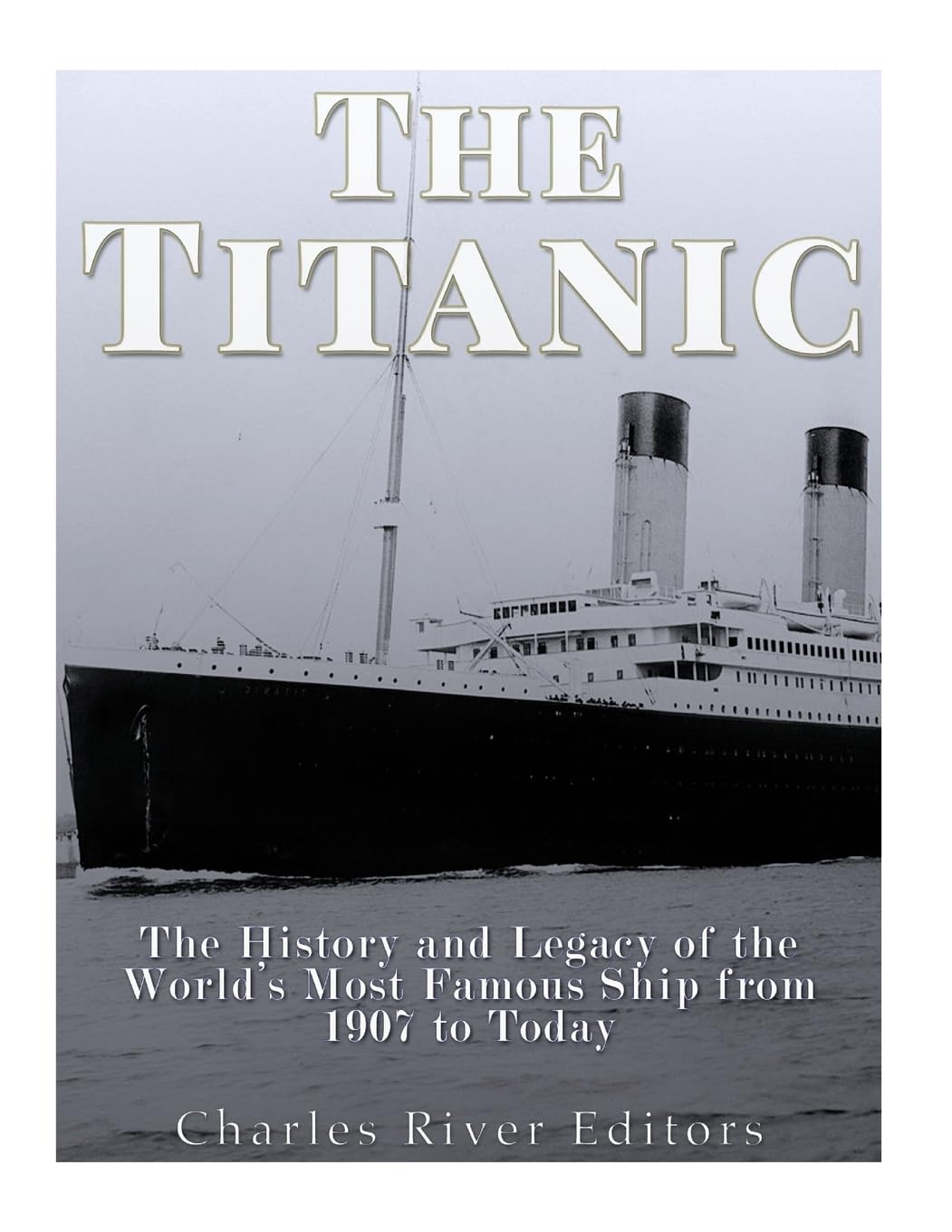
The RMS Titanic was a British passenger liner that sank in the North Atlantic Ocean on April 15, 1912, after striking an iceberg during its maiden voyage. Of the estimated 2,224 passengers and crew aboard, more than 1,500 died, making it one of the deadliest commercial peacetime maritime disasters in modern history. The event fundamentally reshaped global maritime safety regulations and remains a cultural touchstone more than a century later.
The Engineering and Vision Behind the "Unsinkable" Ship
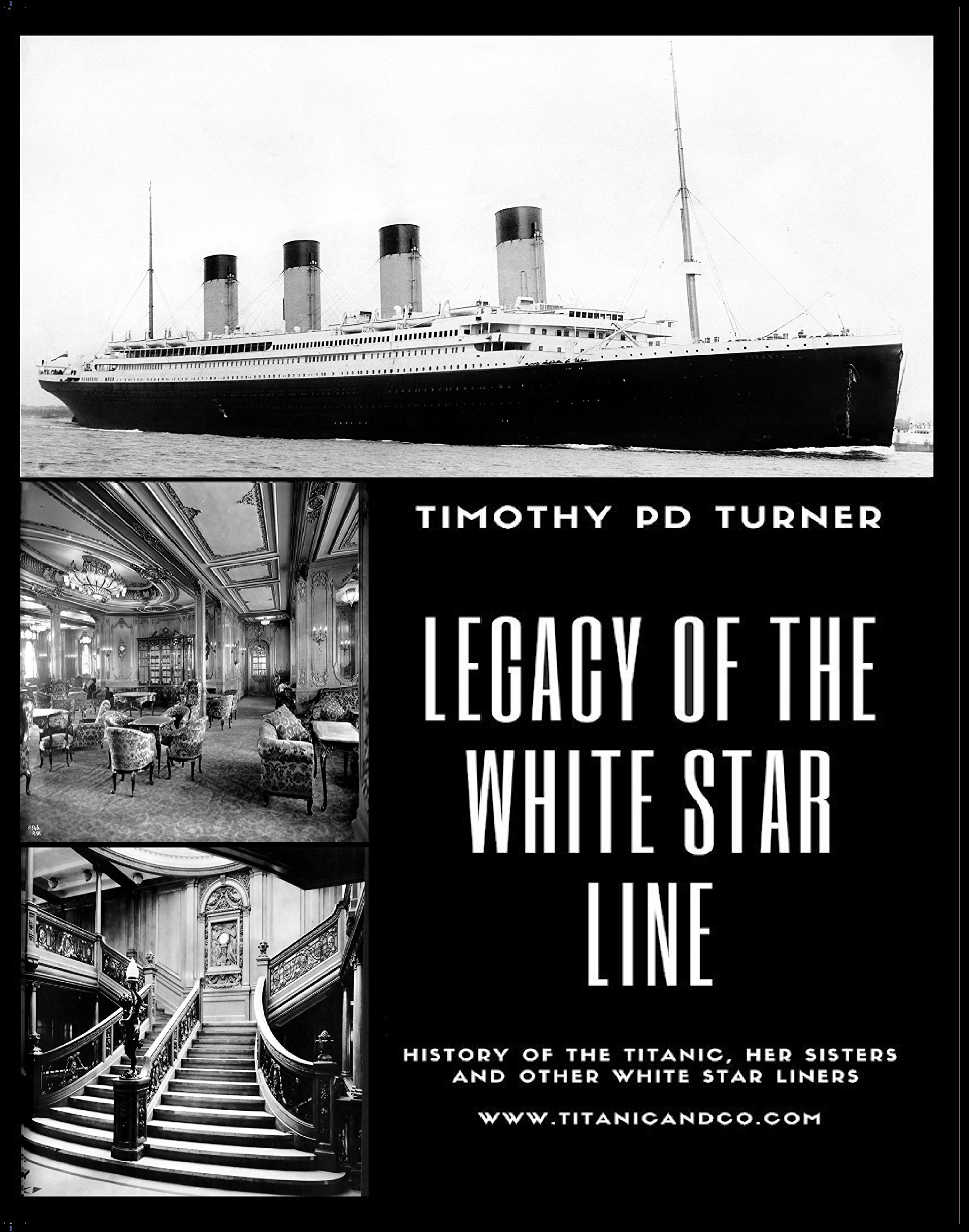
The Titanic was the second of three Olympic-class ocean liners commissioned by the White Star Line to dominate the transatlantic travel market. Built by the Harland and Wolff shipyard in Belfast, Ireland, the ship was designed to be the pinnacle of comfort and safety rather than speed. At the time of its completion, the Titanic was the largest man-made moving object on Earth.
The vessel’s design incorporated several revolutionary features intended to safeguard it against the perils of the sea. Chief among these were the 16 watertight compartments equipped with doors that could be closed from the bridge. The prevailing belief was that the ship could remain afloat even if any two of the largest compartments—or the first four—were breached. This engineering feat led trade journals like The Shipbuilder to describe the Olympic-class vessels as "practically unsinkable," a phrase that would eventually become a tragic irony.
To provide the necessary power for its massive frame, the Titanic utilized a combination of two reciprocating four-cylinder triple-expansion steam engines and one low-pressure Parsons turbine. This configuration produced roughly 46,000 horsepower, allowing the ship to maintain a service speed of 21 knots. Despite these technical advancements, the ship’s safety equipment, particularly its lifeboat capacity, followed outdated Board of Trade regulations that prioritized deck space and aesthetic appeal over total passenger count.
A Chronology of the Maiden Voyage
The Titanic began its journey on April 10, 1912, departing from Southampton, England. Its route was intended to take it to New York City, with scheduled stops in Cherbourg, France, and Queenstown (now Cobh), Ireland. The passenger list was a microcosm of early 20th-century society, ranging from the world’s wealthiest industrialists in First Class to humble emigrants seeking new lives in Third Class.
Departure and Early Warnings
On the morning of April 10, the Titanic narrowly avoided a collision with the SS City of New York as suction from its massive propellers pulled the smaller ship toward it. After successfully navigating out of the English Channel, the ship crossed the Atlantic with relative ease for several days. However, as the vessel moved into the frigid waters near the Grand Banks of Newfoundland, wireless operators began receiving numerous iceberg warnings from other ships, including the Mesaba and the Baltic.
The Fatal Collision
On the night of April 14, 1912, the sea was uncharacteristically calm and flat, making it difficult to spot the "white water" that typically breaks against the base of an iceberg. At approximately 11:40 PM, lookout Frederick Fleet spotted an iceberg directly ahead. Despite the crew’s immediate efforts to turn the ship and reverse the engines, the Titanic struck the iceberg on its starboard side.
The impact was not a head-on crash but a "glancing" blow that buckled the hull plates over a length of approximately 300 feet. This breach allowed water to flood five of the forward watertight compartments. Because the tops of the bulkheads were not sealed, the water eventually spilled over from one compartment into the next, much like an ice cube tray filling up, sealing the ship's fate.
The Sinking and Rescue Operations
As the ship began to tilt forward (down by the head), Captain Edward J. Smith ordered the lifeboats to be uncovered and the passengers to be mustered. The evacuation was marred by confusion and the strict adherence to the "women and children first" protocol.
The Lifeboat Crisis
The Titanic carried only 20 lifeboats, including four "collapsible" boats. While this met the legal requirements of the time, it was only enough to accommodate about 1,178 people—roughly half of those on board. Many of the early boats were launched significantly under-capacity due to the crew's uncertainty about the boats' structural integrity and the passengers' initial reluctance to leave the "safe" ship for the dark Atlantic.
The Final Moments
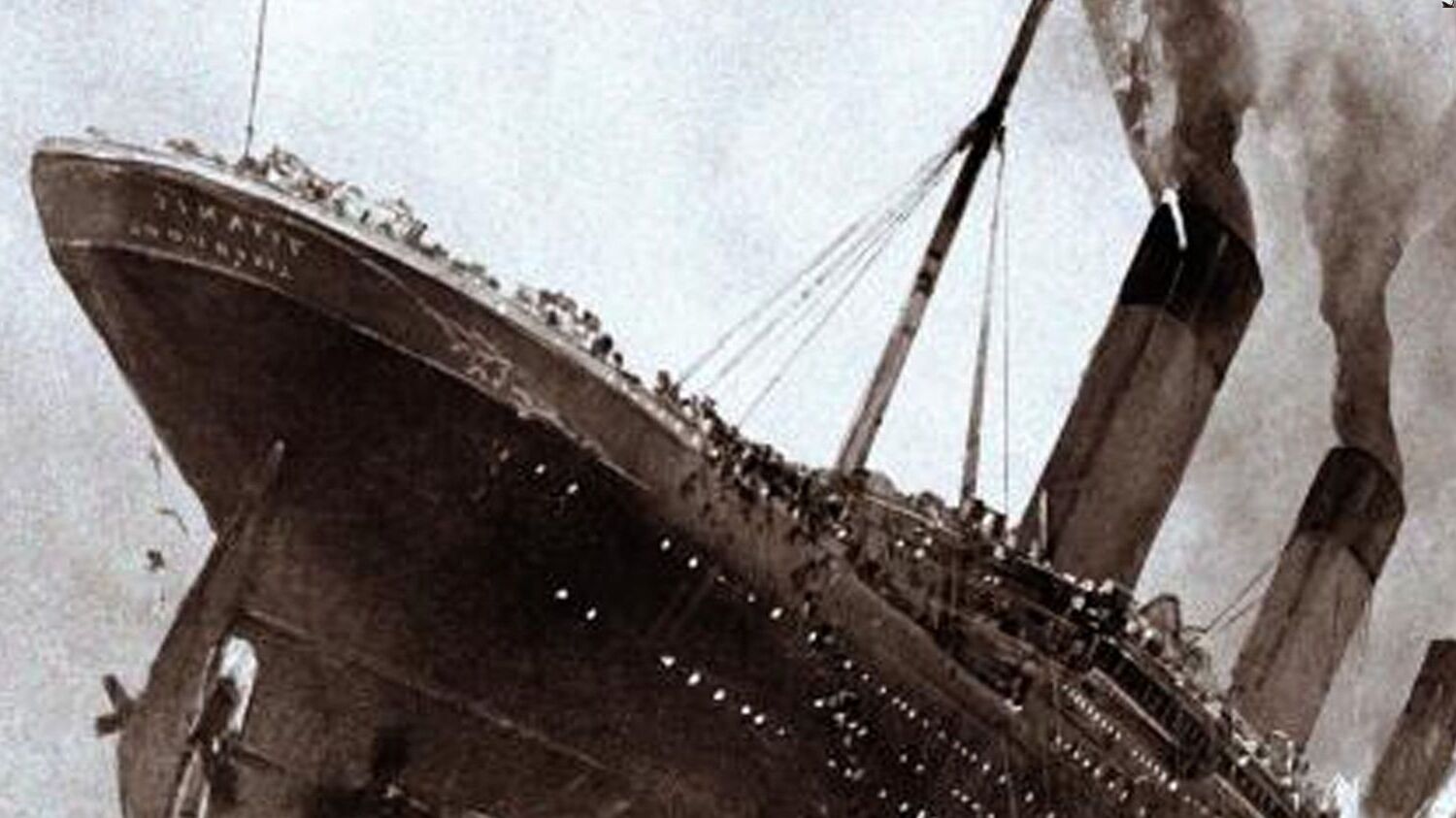
By 2:00 AM on April 15, the water had reached the boat deck. The ship’s band, led by Wallace Hartley, famously continued to play music to calm the passengers until the very end. At approximately 2:18 AM, the structural stresses caused the Titanic to break in two between the third and fourth funnels. The bow section sank immediately, followed shortly by the stern.
The RMS Carpathia, operated by the Cunard Line, was the first ship to arrive on the scene at approximately 4:00 AM, roughly an hour and a half after the Titanic disappeared. The Carpathia rescued 705 survivors from the lifeboats and transported them to New York City, arriving on April 18.
Comparing the Titanic to Modern Maritime Standards
To understand the scale of the Titanic in a modern context, it is helpful to compare it to the cruise ships of 2026. While the Titanic was a marvel of its era, modern engineering has far surpassed its dimensions and safety capabilities.
| Feature | RMS Titanic (1912) | Modern Large Cruise Ship (c. 2026) |
|---|---|---|
| Gross Tonnage | 46,328 GT | 225,000 - 250,000+ GT |
| Length | 882 feet 9 inches | 1,100 - 1,200 feet |
| Passenger Capacity | ~2,435 | 5,000 - 7,600 |
| Lifeboat Capacity | ~1,178 (Insufficient) | 125% of total souls on board |
| Hull Design | Riveted steel plates | Welded high-strength steel |
| Navigation | Sextants, lookouts, basic wireless | GPS, Radar, Sonar, AIS, Satellite |
The Legal and Regulatory Legacy
The sinking of the Titanic prompted immediate and sweeping changes to international maritime law. Two major inquiries—one by the British Board of Trade and another by the U.S. Senate—concluded that the disaster could have been mitigated by better preparation and regulations.
- SOLAS (International Convention for the Safety of Life at Sea): Established in 1914, this treaty is the most important of all international treaties concerning the safety of merchant ships. It mandated that every ship carry enough lifeboats for everyone on board and required continuous radio watches.
- The International Ice Patrol: Founded in 1914, this agency was tasked with monitoring iceberg movements in the North Atlantic and reporting them to transiting vessels, a service that continues to operate today.
- Radio Act of 1912: This U.S. law required all ships to have 24-hour radio communications and necessitated a separate power supply for wireless sets so they could function even if the ship’s main engines failed.
Discovery of the Wreck and Modern Preservation
For 73 years, the Titanic lay undisturbed on the ocean floor, nearly 12,500 feet (3,800 meters) below the surface. On September 1, 1985, a joint French-American expedition led by Dr. Robert Ballard and Jean-Louis Michel located the wreck using side-scan sonar and a remote-controlled vehicle.
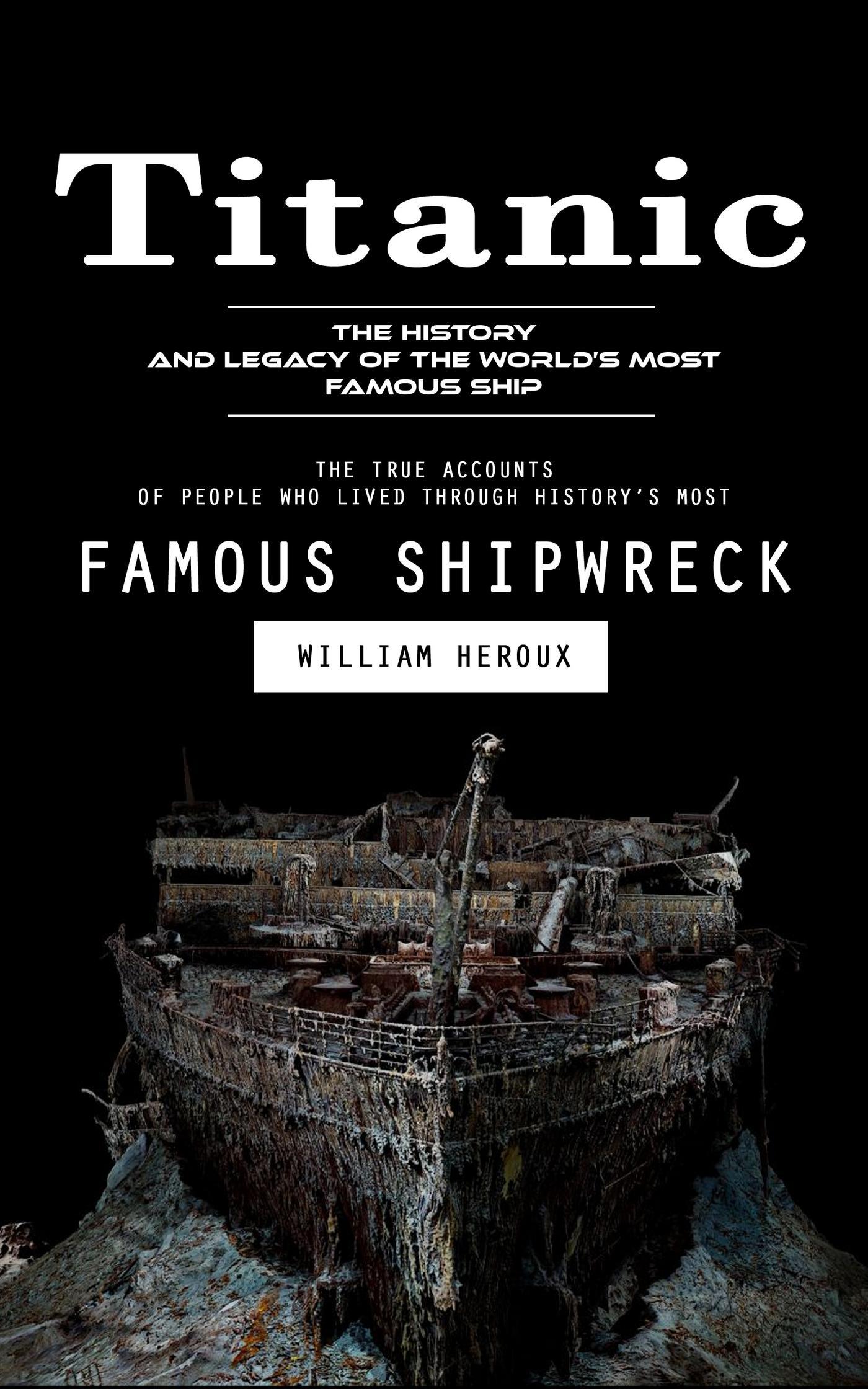
The discovery confirmed that the ship had indeed broken in two, resolving a long-standing historical debate. The bow remains relatively intact, while the stern is badly mangled from its rapid descent and impact with the seabed. In 2026, the wreck is in a state of rapid biological decay. A unique species of iron-eating bacteria, Halomonas titanicae, is slowly consuming the ship’s structure, forming "rusticles" that eventually collapse. Scientists estimate that within several decades, much of the upper hull will have disintegrated, leaving only the more durable interior components like the engines and boilers.
Cultural Impact and Historical Memory
The Titanic has inspired an unparalleled volume of literature, film, and academic study. Its story serves as a cautionary tale about human hubris and the limitations of technology. The 1997 film directed by James Cameron remains one of the highest-grossing movies of all time, further cementing the ship's place in the global consciousness.
Beyond the drama, the Titanic serves as a focal point for genealogy and social history. The disparate survival rates between classes highlighted the socio-economic inequalities of the Edwardian era. Today, museums such as Titanic Belfast and the Maritime Museum of the Atlantic in Halifax preserve artifacts and personal stories, ensuring that the human cost of the disaster is never forgotten.
Frequently Asked Questions
Why didn't the Titanic have enough lifeboats?
The British Board of Trade regulations at the time based lifeboat requirements on the ship's tonnage rather than the number of passengers. The Titanic actually exceeded the legal requirement of the day, but the laws had not been updated to keep pace with the rapidly increasing size of modern ocean liners.
Was the Titanic really called "unsinkable"?
The White Star Line never officially claimed the ship was unsinkable in its advertising. However, the term was used by maritime trade journals of the time and was widely repeated by the public and the press. The company did emphasize the ship’s advanced safety features, which contributed to the public's perception of invulnerability.
What happened to the Californian?
The SS Californian was the closest ship to the Titanic when it sank, estimated to be only 10 to 19 miles away. However, the Californian’s wireless operator had gone to bed, and the crew on watch misinterpreted the Titanic's distress rockets. The failure of the Californian to respond remains one of the most controversial aspects of the disaster.
Are there still bodies at the Titanic wreck site?
While many victims were recovered by the cable ship Mackay-Bennett shortly after the sinking, most of those who went down with the ship have long since decomposed. The high pressure and acidic environment of the deep ocean dissolve bone over time. Today, the only remnants of those lost are pairs of shoes lying together on the seabed, where bodies once rested.
Guidelines for Titanic Research and Commemoration
To further explore the history and legacy of the Titanic, researchers and enthusiasts should prioritize primary sources and recognized institutions.
- Visit Official Archives: The National Archives (UK) and the U.S. National Archives hold the original transcripts of the 1912 inquiries, providing the most accurate factual accounts of the sinking.
- Support Preservation Efforts: Organizations like the Titanic Historical Society work to preserve artifacts and maintain the dignity of the wreck site as a mass grave.
- Consult Scientific Reports: For information regarding the ship's current physical state, review publications from the National Oceanic and Atmospheric Administration (NOAA) and deep-sea research institutions.