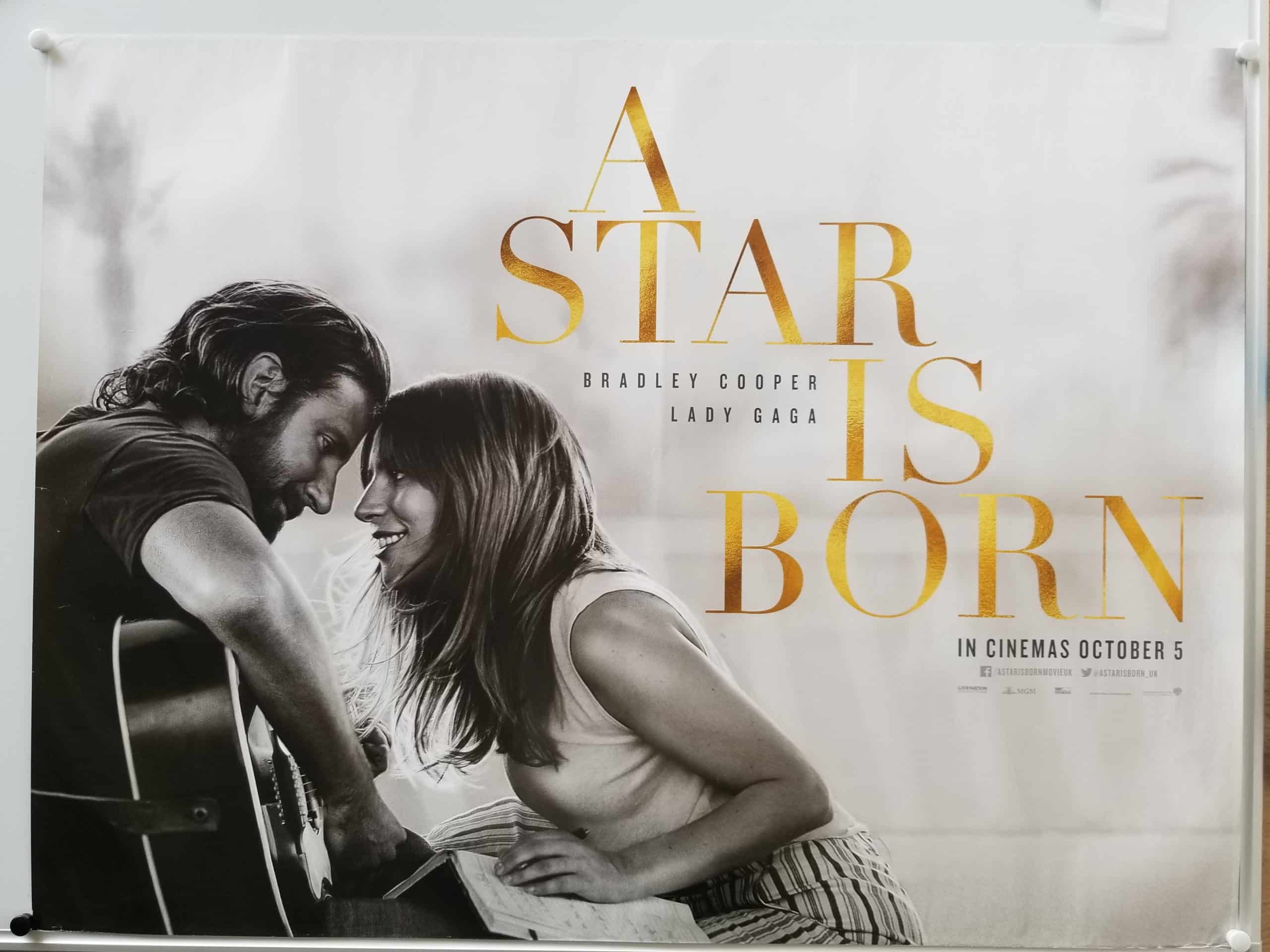
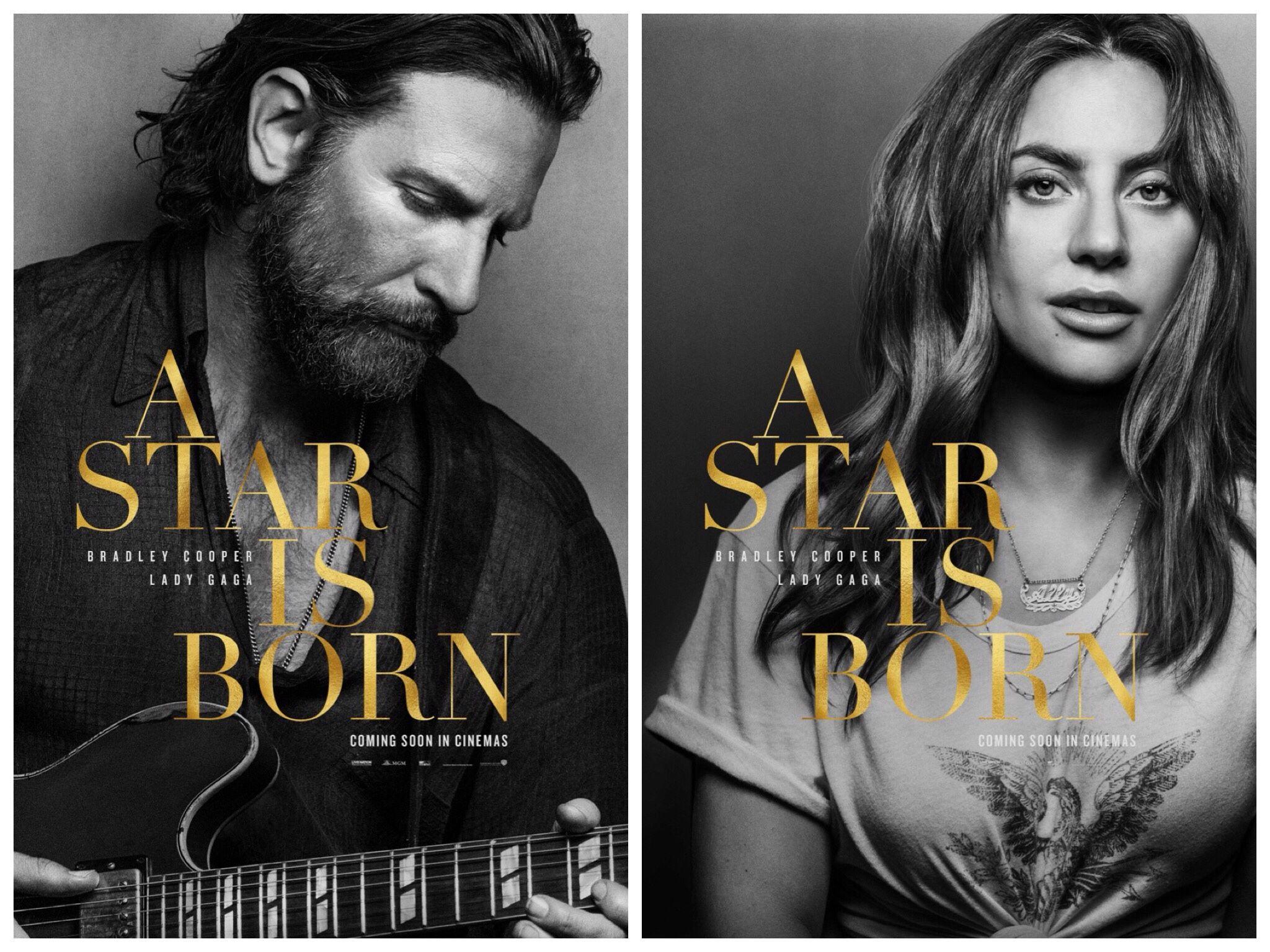
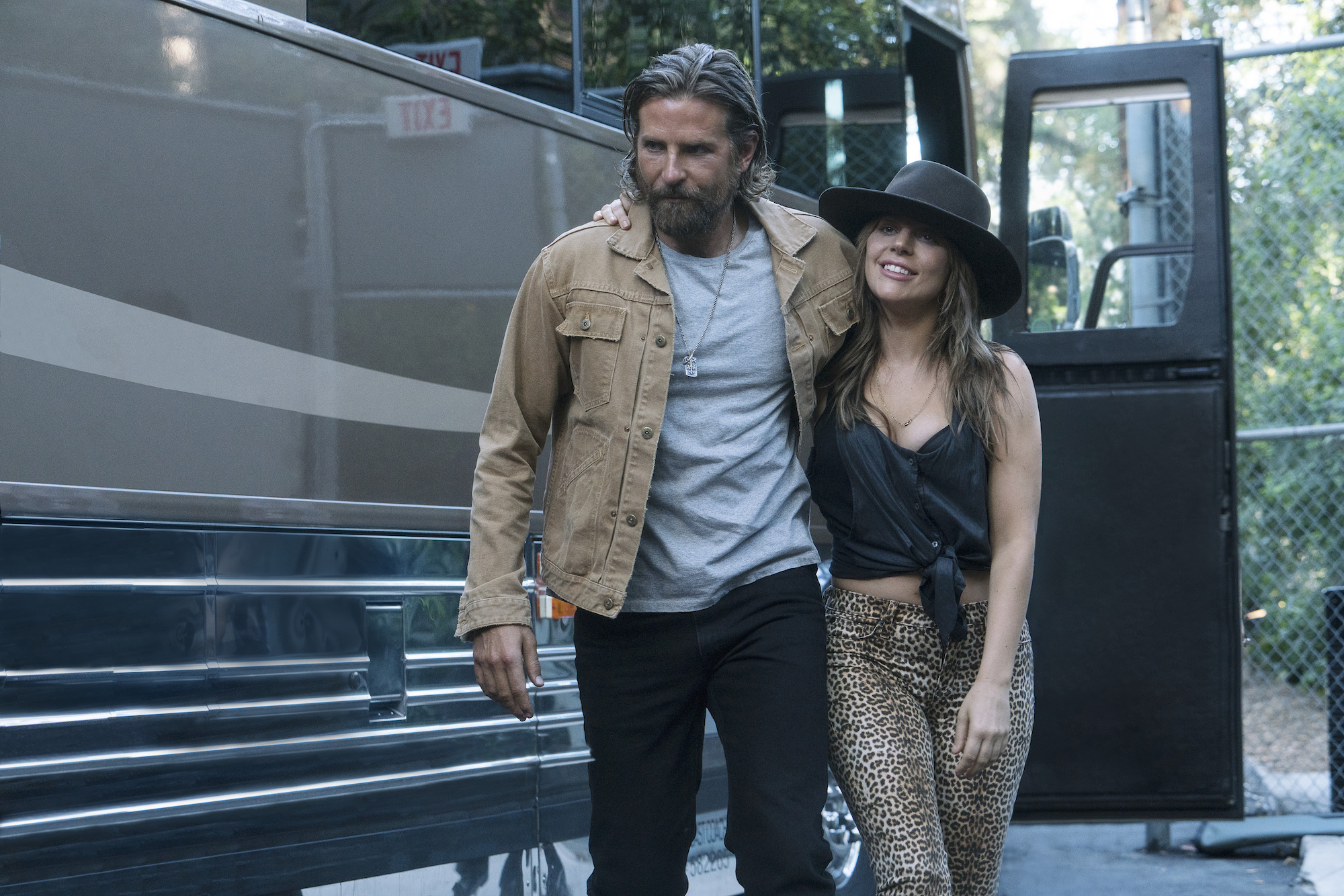
A Star Is Born is a foundational narrative in American cinema, centering on the bittersweet intersection of a rising career and a fading one. Currently recognized through its four major iterations (1937, 1954, 1976, and 2018), the story serves as a mirror to the entertainment industry’s changing landscape, exploring themes of addiction, love, and the volatile nature of celebrity.
The Evolution of a Narrative: Four Generations of Fame and Loss
The enduring power of A Star Is Born lies in its simple yet devastating premise: an established star, struggling with personal demons and a declining career, discovers and nurtures a raw, unknown talent. As the newcomer ascends to superstardom, the mentor’s life spirals toward a tragic end. While the core plot remains consistent, each version has adapted the setting and industry to reflect the cultural anxieties of its era.
In 1937, the original film starring Janet Gaynor and Fredric March focused on the "Golden Age" of Hollywood acting. It established the archetype of the industry as a factory that creates and consumes people. By 1954, the story shifted into a lavish musical starring Judy Garland and James Mason. This version is often cited as a pinnacle of the genre, utilizing Garland’s real-life vulnerability to add a layer of meta-commentary on the pressures of stardom.
The 1976 version, starring Barbra Streisand and Kris Kristofferson, pivoted the setting from the film sets of Hollywood to the gritty, high-stakes world of the rock-and-roll industry. This transition was crucial as it broadened the story’s scope beyond the "movie about movies" trope, proving that the narrative's emotional core worked just as effectively in the music business. Most recently, the 2018 version, directed by Bradley Cooper and starring Lady Gaga, returned to the music industry with a focus on singer-songwriters, blending raw emotional realism with modern production values.
Comparing the Four Versions of A Star Is Born
To understand the trajectory of this story, it is helpful to look at the specific differences in leads, genres, and industry focus across the decades. Each remake was not merely a copy but a re-imagining tailored to the specific tastes of contemporary audiences.
| Release Year | Lead Actress | Lead Actor | Industry Focus | Key Musical Element |
|---|---|---|---|---|
| 1937 | Janet Gaynor | Fredric March | Hollywood Acting | Orchestral Score |
| 1954 | Judy Garland | James Mason | Musical Film | "The Man That Got Away" |
| 1976 | Barbra Streisand | Kris Kristofferson | Rock & Roll | "Evergreen" |
| 2018 | Lady Gaga | Bradley Cooper | Country-Rock/Pop | "Shallow" |
The transition from 1937 to 2018 shows a clear movement toward greater realism. While the early films were heavily stylized according to the studio systems of their time, the 2018 iteration utilized live vocal recordings and handheld cinematography to strip away the "gloss" of celebrity, making the tragedy feel more intimate and grounded for a 2026 audience looking back at the film’s legacy.
Deep Dive: The 2018 Modern Classic
As of 2026, the 2018 version directed by Bradley Cooper stands as the most culturally dominant version for modern viewers. Its success was not guaranteed; remaking a story for the fourth time often invites skepticism. However, Cooper’s vision focused on the "sound" of the relationship as much as the visuals.
Production and Realism
One of the most significant technical decisions in the 2018 film was the requirement that all musical performances be recorded live. Lady Gaga, a seasoned professional, insisted on this to avoid the "lip-sync" look common in musical dramas. This forced Bradley Cooper to undergo nearly a year of intensive vocal and guitar training to play the role of Jackson Maine convincingly. The result was a visceral, authentic performance that bridged the gap between a traditional movie and a concert documentary.
Casting Dynamics
The chemistry between Cooper and Gaga was the engine of the film’s success. While previous pairings like Garland and Mason relied on theatrical intensity, Cooper and Gaga leaned into a "mumblecore" style of dialogue—quiet, overlapping, and often improvised. Gaga’s transition from a global pop icon to the vulnerable, "plain" Ally was a masterclass in subtractive acting, earning her an Academy Award nomination for Best Actress and a win for Best Original Song.
Soundtrack and Sound Design: The Heartbeat of the Story
The 2018 soundtrack for A Star Is Born did more than just accompany the film; it became a global phenomenon that outlasted the movie's theatrical run. As we evaluate the film in 2026, the soundtrack remains a staple of streaming platforms.
The song "Shallow" serves as the narrative’s fulcrum. It is the moment where Ally’s potential is fully realized and Jackson’s role shifts from mentor to spectator. The song’s structure—a conversational duet that builds into a powerful, belt-heavy climax—mirrors the arc of their relationship.
Beyond "Shallow," the soundtrack explores the tension between artistic integrity and commercial success. Ally’s transition from soulful ballads like "Always Remember Us This Way" to highly produced pop tracks like "Why Did You Do That?" serves as a subplot about the industry’s tendency to "polish" away a performer’s unique edges. This thematic depth is why the soundtrack won multiple Grammys and an Oscar, cementing its place in music history. You can view the historical chart performance of these tracks on the Billboard official site.
Critical Reception and Cultural Legacy in 2026
Looking back from the vantage point of 2026, A Star Is Born (2018) is viewed as a pivotal moment in the careers of its leads. For Bradley Cooper, it established him as a top-tier director capable of handling complex, music-driven narratives. For Lady Gaga, it served as the definitive proof of her acting prowess, leading to a string of high-profile roles in the years that followed.
The film's exploration of addiction also remains a point of critical discussion. Unlike earlier versions that sometimes romanticized the "tortured artist," the 2018 version was stark in its depiction of Jackson Maine’s struggle with tinnitus and alcoholism. By showing the mundane, painful reality of his decline, the film avoided the trap of making his self-destruction look poetic.
The story’s persistence in the public consciousness suggests that A Star Is Born is less of a movie and more of a modern myth. It addresses the universal fear that our best days may be behind us and the bittersweet joy of seeing someone we love surpass us. This is why, despite being nearly a century old, the narrative continues to resonate with new generations. For more on the film's critical standing, the Rotten Tomatoes page provides a comprehensive look at how critics and audiences have received it over time.
How to Watch A Star Is Born Today
In 2026, accessing the various versions of A Star Is Born is relatively straightforward due to the consolidation of streaming libraries. However, because of licensing agreements, the versions are often split across different platforms.
- The 2018 Version: Usually available on premium streaming services such as Max (formerly HBO Max) or for digital purchase on platforms like Amazon Prime Video and Apple TV.
- The 1954 and 1976 Versions: These are frequently found on "classic" film hubs like the Criterion Channel or Turner Classic Movies (TCM).
- Physical Media: For the best technical experience, the 2018 version is highly recommended on 4K Ultra HD Blu-ray. The high dynamic range (HDR) is essential for capturing the stage lighting and the subtle textures of the concert scenes.
If you are a student of film or a dedicated fan, watching all four versions in chronological order offers a fascinating look at the evolution of cinema technology, from the early Technicolor of 1937 to the digital cinematography of the modern era. Detailed technical specifications for each version can be found on IMDb.
Common Misconceptions and Behind-the-Scenes Trivia
There are several persistent myths regarding the production of the 2018 film and its predecessors:
- The "No Makeup" Rule: It is widely reported that Bradley Cooper forbid Lady Gaga from wearing makeup during filming. While largely true for the early scenes to emphasize Ally’s insecurity, Gaga did wear makeup as her character became a pop star.
- The Drag Bar Scene: The drag bar where Jackson first meets Ally was inspired by Lady Gaga's actual early career performing in New York City's underground scenes. Many of the drag queens in the film are well-known performers from RuPaul's Drag Race.
- The Ending: Each version of the film ends with the death of the male lead, but the method changes to reflect the era’s social sensibilities. The shift from the 1937 ending to the 2018 ending shows a more modern understanding of mental health and isolation.
FAQ
Who has played the lead roles in every A Star Is Born?
The lead actresses include Janet Gaynor (1937), Judy Garland (1954), Barbra Streisand (1976), and Lady Gaga (2018). The lead actors include Fredric March (1937), James Mason (1954), Kris Kristofferson (1976), and Bradley Cooper (2018). Each pairing represents the top tier of talent available during their respective decades.
Is A Star Is Born based on a true story?
While not a direct biography, the story is heavily inspired by real-life figures in early Hollywood. The 1937 original was reportedly based on the life of actor John Bowers and his relationship with his wife, actress Marguerite De La Motte, as well as the experiences of silent film star John Gilbert.
Did Lady Gaga and Bradley Cooper actually sing in the 2018 movie?
Yes, all of the singing in the 2018 film was performed live on set. Lady Gaga insisted on this to ensure the performances felt authentic. Bradley Cooper spent 18 months in vocal training to lower his natural speaking voice by an octave and to prepare for the live singing requirements.
Why are there so many remakes of A Star Is Born?
The story is considered a "universal archetype." It deals with the cyclical nature of life—the rising sun and the setting sun. Because the entertainment industry is constantly changing, the story can be updated every 20 to 40 years to reflect new technologies, musical styles, and social norms without losing its emotional impact.
How many Oscars did the 2018 version win?
The 2018 version was nominated for eight Academy Awards, including Best Picture, Best Actor, and Best Actress. It won one Oscar for Best Original Song for "Shallow." This followed a tradition where A Star Is Born films are frequently nominated but often only win in the music categories.
Recommendation for New Viewers
If you are approaching the franchise for the first time in 2026, start with the 2018 version. It is the most accessible and provides the emotional context needed to appreciate the earlier iterations. After watching the 2018 film, seek out the 1954 Judy Garland version to see the story at its most theatrical and grand. Comparing these two provides the widest perspective on how the "Star" has evolved from a studio asset to an independent artist. For a deep dive into the historical awards data of these films, you can explore the Academy Awards Database.