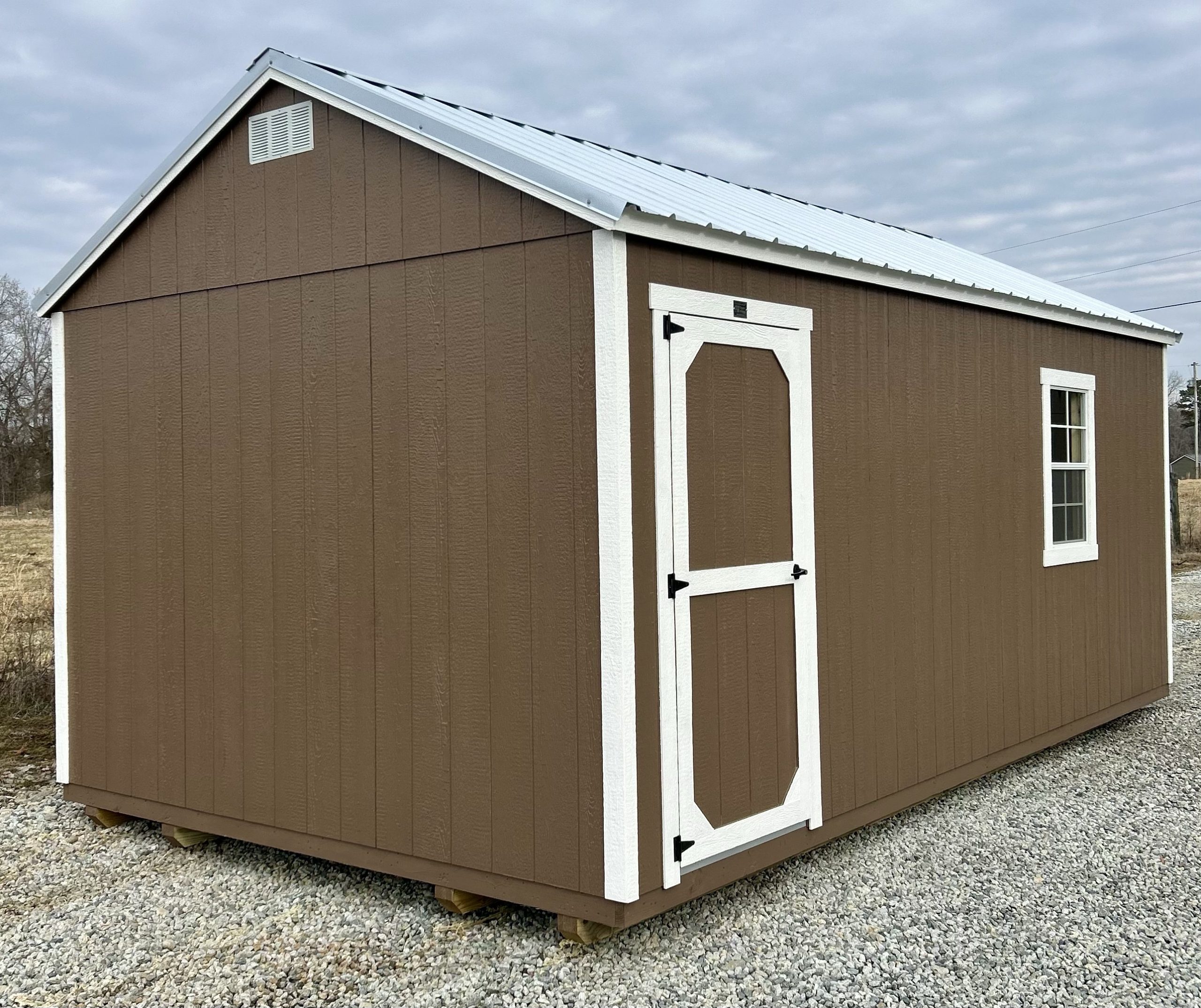
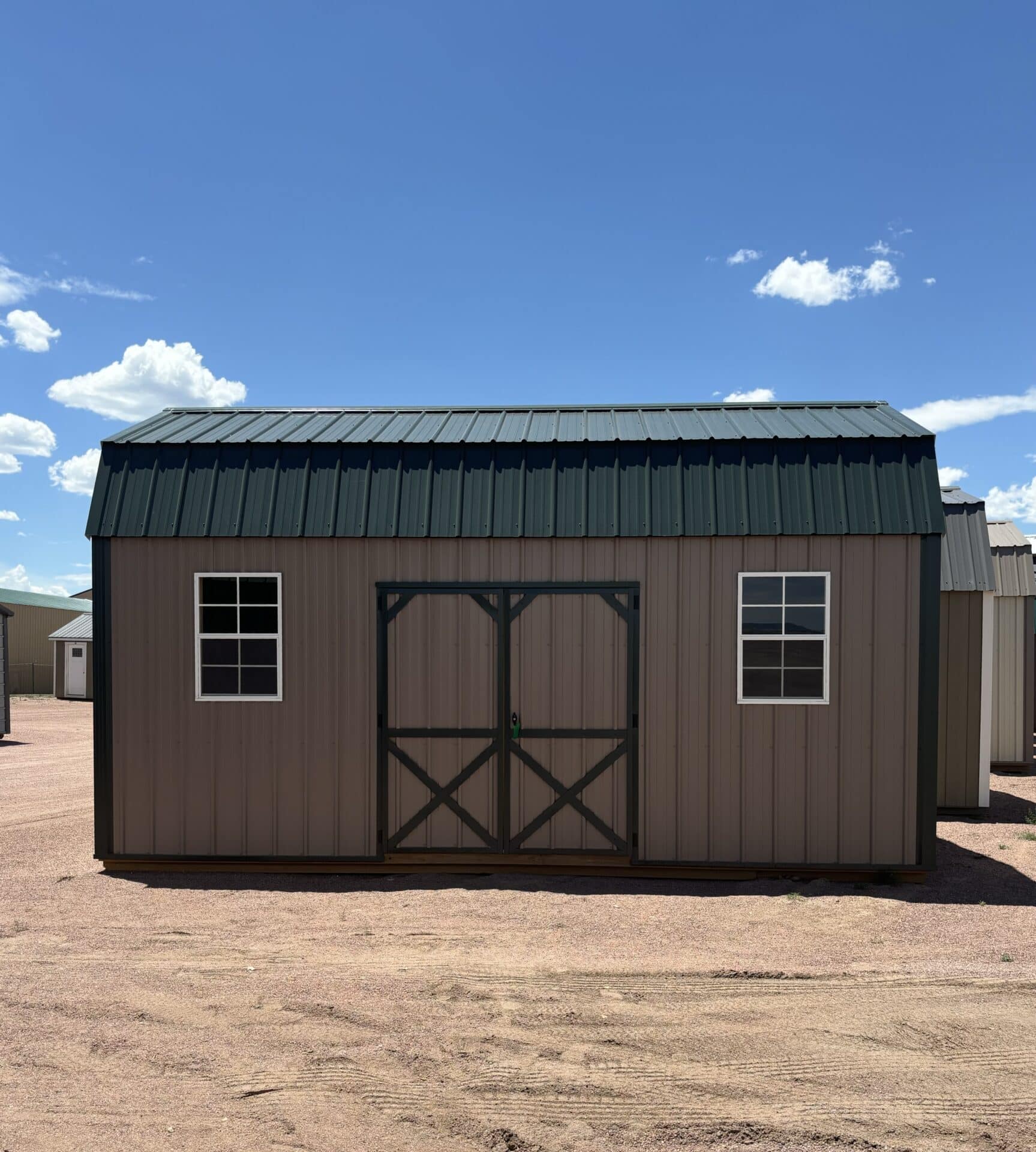
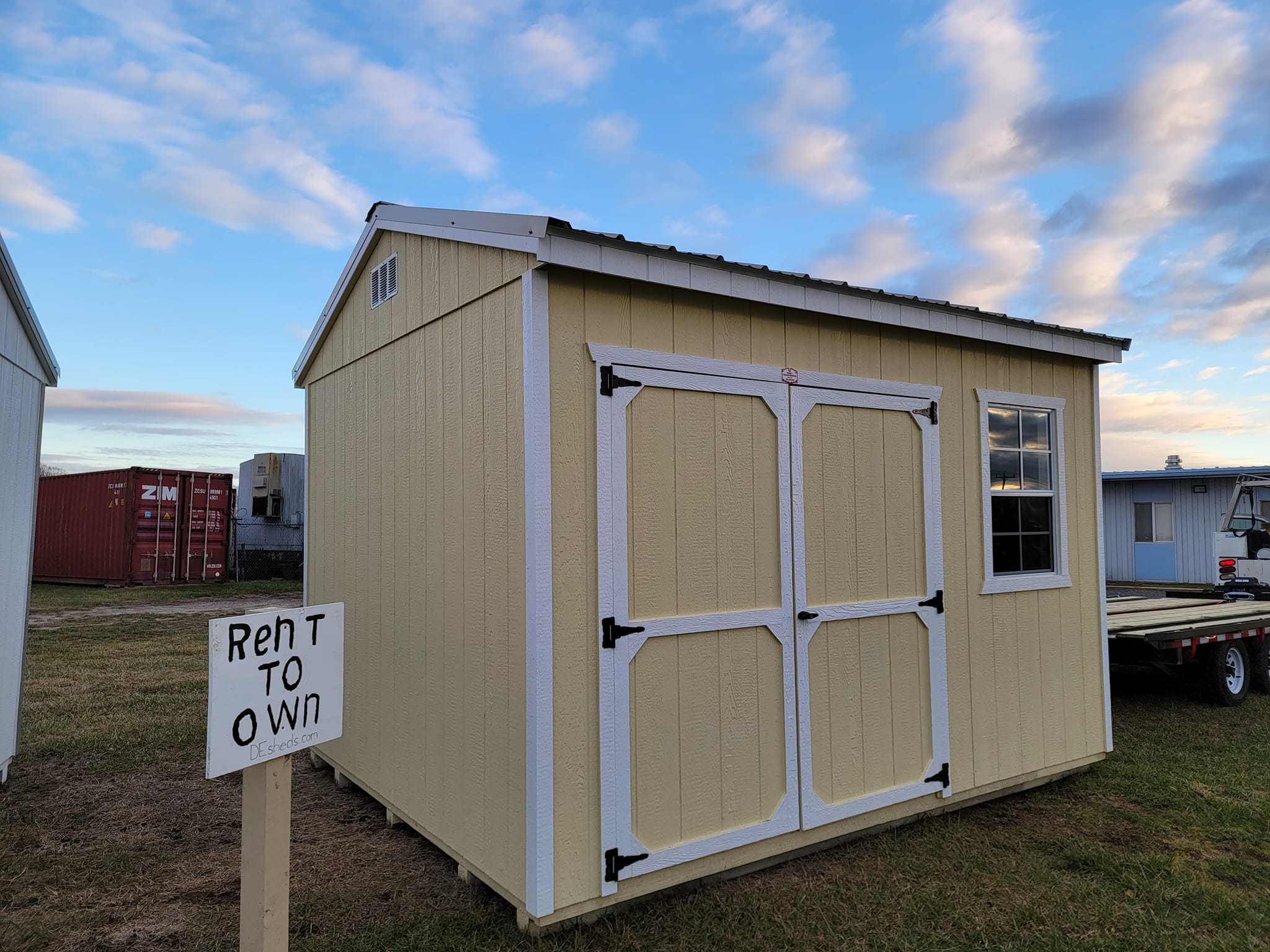
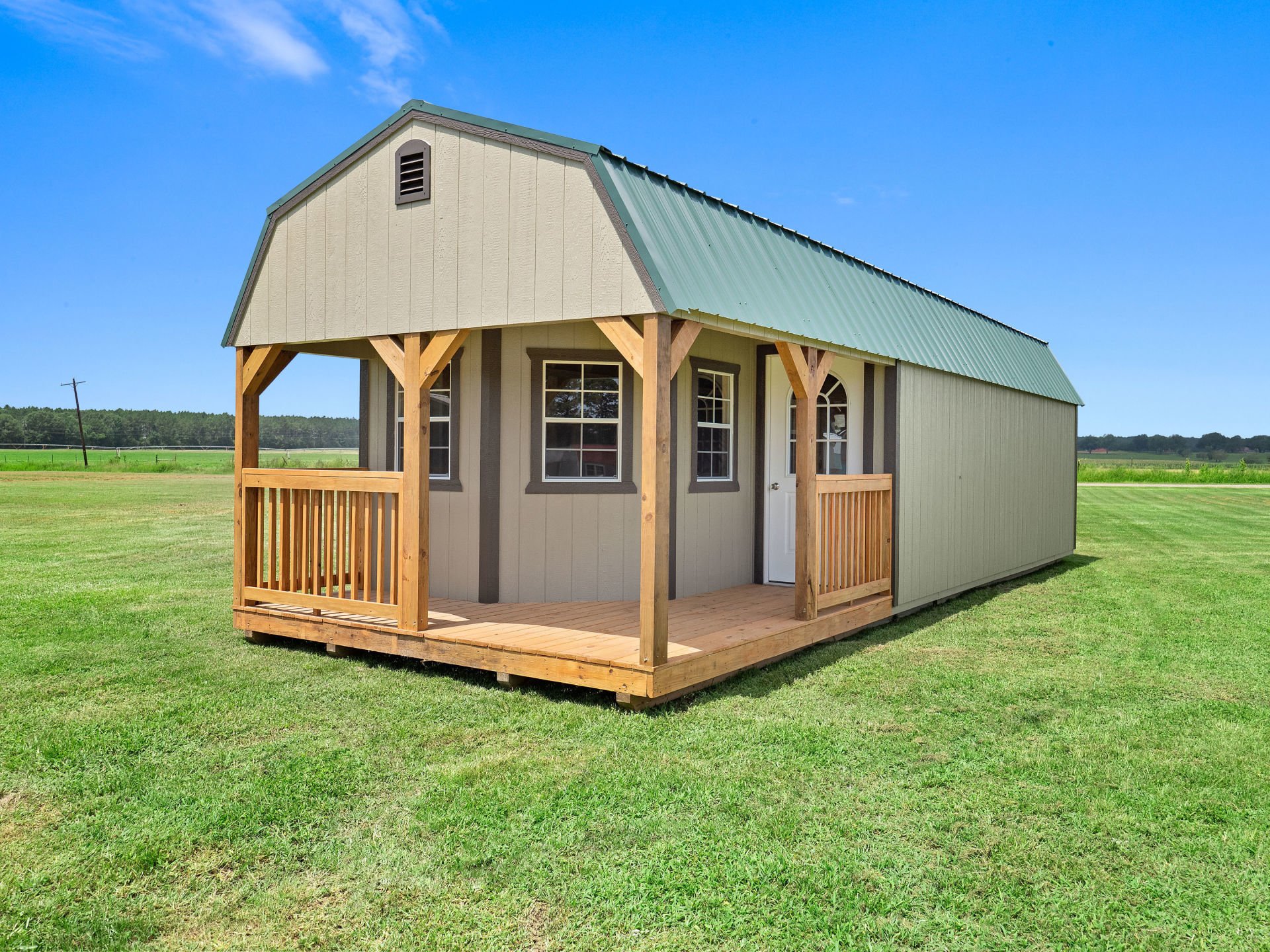
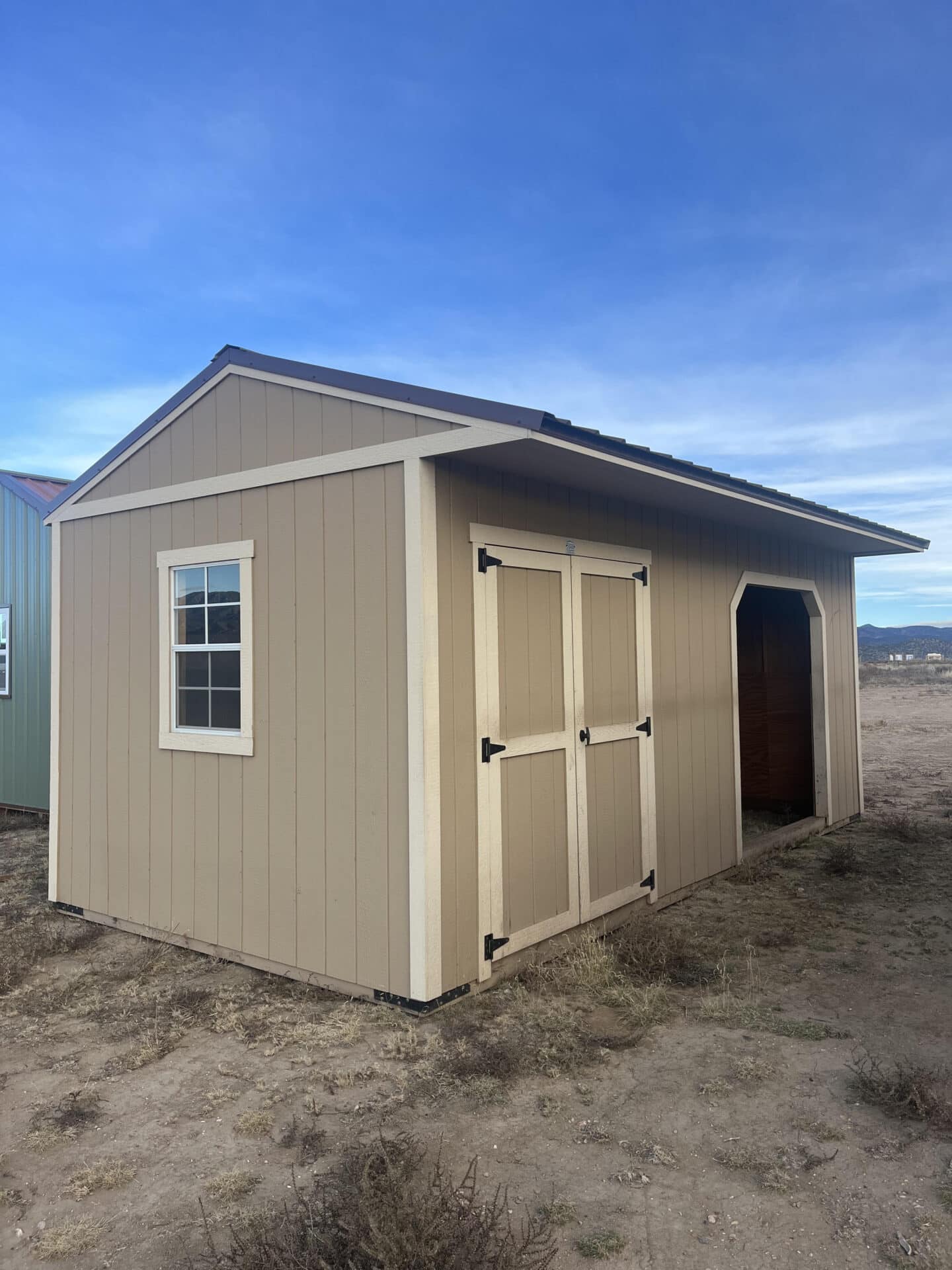
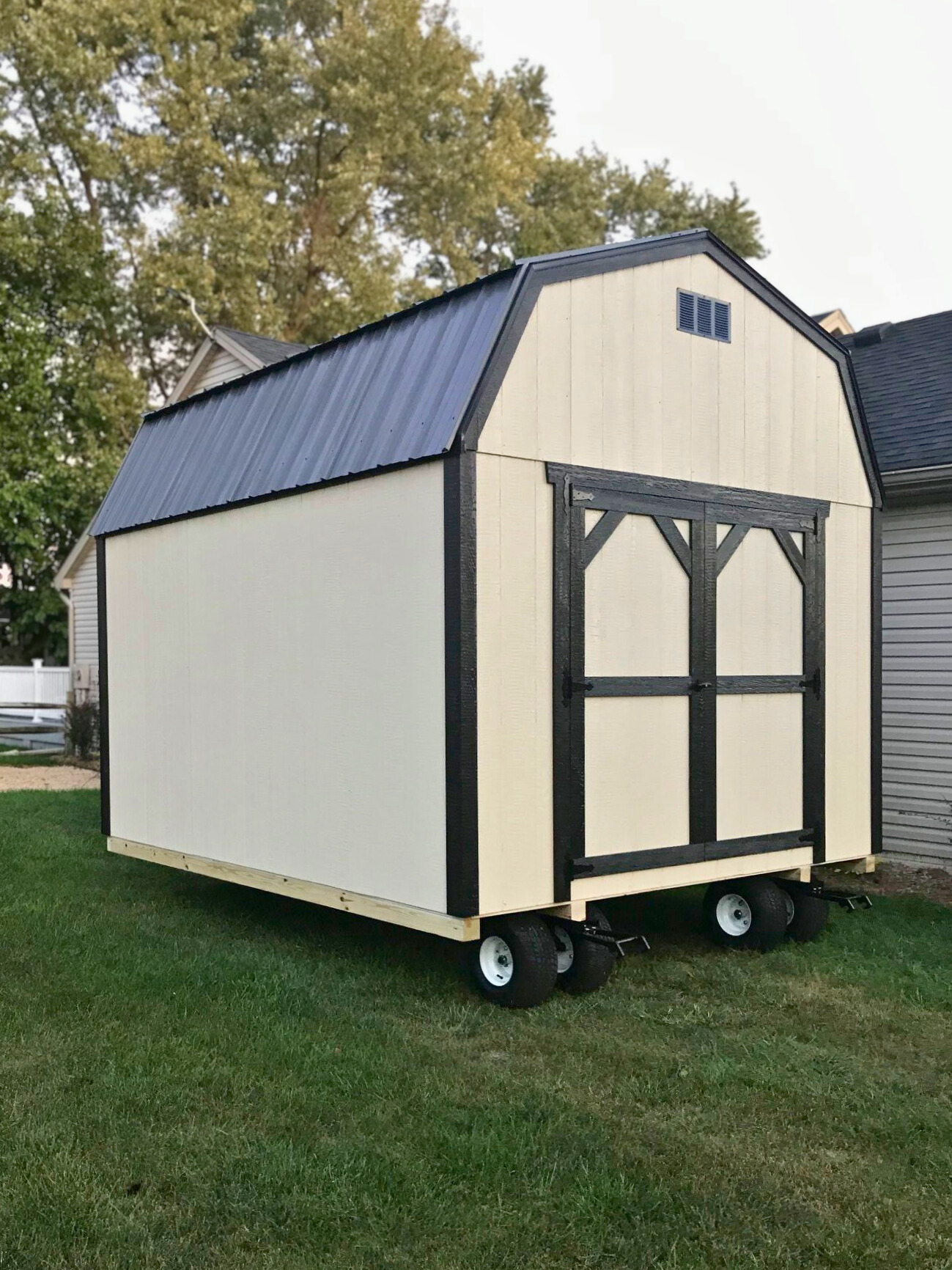
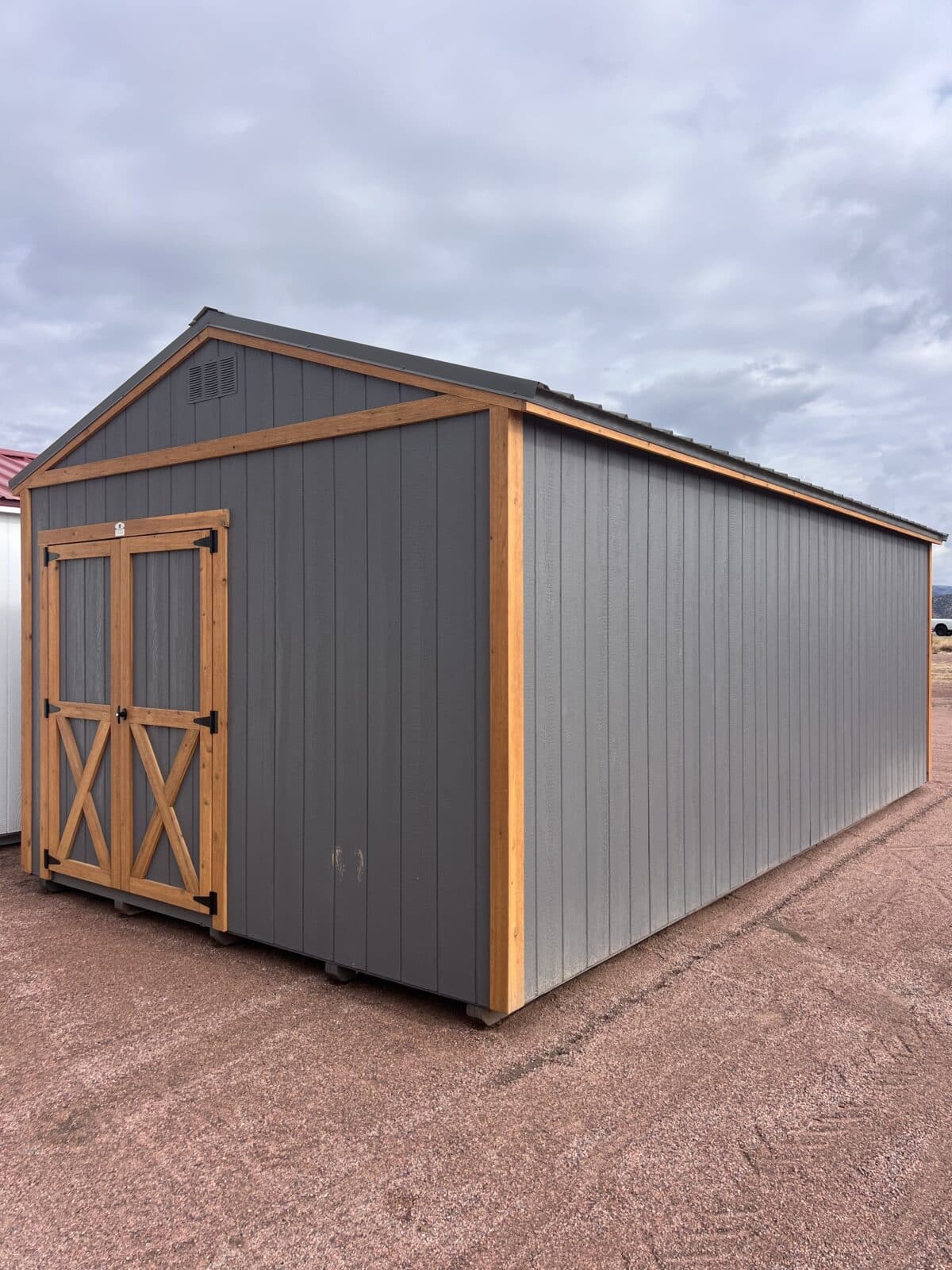
A shed mule is an essential piece of specialized heavy-duty equipment designed to navigate tight spaces and relocate modular storage buildings, gazebos, or tiny homes without damaging the structure or the landscape. Please note: This article focuses exclusively on the mechanical "shed mule" or "shed hauler" equipment used in the construction and logistics industry; it does not pertain to biological animals.
Understanding Shed Mule Mechanics and Operational Requirements
A shed mule is a remote-controlled or ride-on hydraulic lift system that acts as an industrial jack and propulsion unit. By lifting a storage shed from the underside and providing motorized propulsion, the operator can move structures that are otherwise immobile. As of 2026, the industry has transitioned toward high-torque electric and hybrid-diesel hydraulic mules to comply with noise ordinances and lower emission requirements in residential zones.
When sourcing a rental, you are not simply renting a cart; you are renting a precise engineering tool. The equipment operates on a pivot-point system that allows for zero-turn maneuvering. Before attempting to rent, you must verify the structural integrity of your shed skids. If the pressure-treated runners are compromised, no amount of hydraulic power can safely move the structure.
Identifying Professional Rental Sources and Equipment Availability
Unlike standard consumer-grade lawn equipment, true professional-grade shed mules are rarely stocked at major big-box hardware retailers. Rental availability is strictly limited to specialized heavy equipment dealers or professional shed-moving services.
- Regional Equipment Rental Houses: Search for "Specialized Moving Equipment" or "Industrial Hydraulic Lift Rentals."
- Shed Manufacturing Hubs: Contact local shed builders. Many manufacturers possess their own fleet of mules and may lease out idle units during the off-season.
- Modular Logistics Providers: Companies specializing in site prep and structure placement often rent units alongside operator services.
Operational Safety Verification
Operators must demonstrate competence with hydraulic pressure management and weight distribution. Renting a mule without prior experience is discouraged due to the risk of structural collapse or tip-over during transport. Ensure the rental contract includes comprehensive insurance, as standard general liability policies often exclude equipment used for heavy load manipulation.
Comparative Overview of Shed Mules and Hauling Solutions
The following table categorizes the common methods used in 2026 for relocating structures. Choosing the right tool depends on the terrain, the weight of the structure, and the distance of the move.
| Method | Best For | Technical Complexity | 2026 Rental Availability |
|---|---|---|---|
| Hydraulic Shed Mule | Short-distance precise maneuvering | High | Low (Specialized dealers) |
| Roll-Back Tilt Trailer | Long-distance transport | Moderate | High (General equipment) |
| Pipe Roller System | Flat, short-distance movement | Low | Very High (DIY friendly) |
| Heavy-Duty Dollies | Lightweight sheds | Low | High (Standard rental shops) |
Selecting the Right Equipment Based on Shed Specifications
To avoid catastrophic failure during transport, you must conduct a pre-rental assessment of your specific structure. Most shed mules are rated by their lift capacity, typically ranging from 5,000 to 15,000 pounds.
- Verify the Weight: If your shed is loaded with contents, the mule capacity must exceed the structure’s dry weight plus the weight of its current inventory.
- Check Skid Height: The hydraulic forks of the mule require a minimum clearance under the shed runners. If your shed sits flush to the ground on a concrete slab, a mule cannot be utilized without first lifting the structure with jacks.
- Terrain Assessment: Mules are engineered for hard, level surfaces. While some models feature high-traction tires for grass, operating on soft, saturated soil in early spring 2026 will result in the equipment sinking and potentially causing site damage.
Troubleshooting Common Moving Obstacles
Even with the correct rental, logistical hurdles are common. Many users underestimate the importance of the path width. While a mule is compact, it is not a lawnmower; it requires a clear path of at least 24 inches wider than the shed itself to account for the operator and the turning radius.
If the mule begins to drift on an incline, immediately lower the load to the ground. Do not attempt to force the steering. High-end 2026 models feature automatic pressure relief valves that engage when sensors detect an unsafe shift in weight distribution. If your rental unit does not have these sensors, you are likely using legacy equipment that requires manual oversight for every inch of travel.
Frequently Asked Questions
Can I rent a shed mule from national chains like Home Depot or Sunbelt? Generally, no. National chains rarely stock dedicated shed mules because they are highly specialized; you are better served contacting local modular home or shed installation specialists.
Do I need a commercial driver's license to operate a rental mule? No, as the equipment is self-propelled and used for site-specific transport, it does not require a CDL, though it does require a high level of situational awareness and equipment-specific safety training.
What is the daily rental cost for a professional shed mule in 2026? Daily rates vary by region and unit capacity, typically falling between $350 and $650 per day, excluding insurance and local delivery fees.
Is it safer to hire a professional mover rather than renting the mule myself? For structures over 12 feet in width or those involving significant site grade changes, hiring a professional is almost always more cost-effective when accounting for equipment rental deposits and potential damage to the structure.
How do I handle the shed once the mule is under it? Once the hydraulic lift engages, you must maintain a steady, slow speed to prevent the shed from shifting off the support forks; never move the shed at speeds exceeding 1.5 miles per hour.
Final Recommendations for Your Relocation Project
Before finalizing your rental, confirm that your target site is properly prepared. A shed mule is a tool for transport, not for leveling. Ensure your foundation or base pad is verified and level to within 1/4 inch per foot. If you are preparing to move a structure in late 2026, call your local equipment dealer at least three weeks in advance to ensure the specific hydraulic lift model compatible with your shed size is reserved. If you are unsure of your shed's structural integrity, consult a licensed contractor before engaging in any structural relocation.