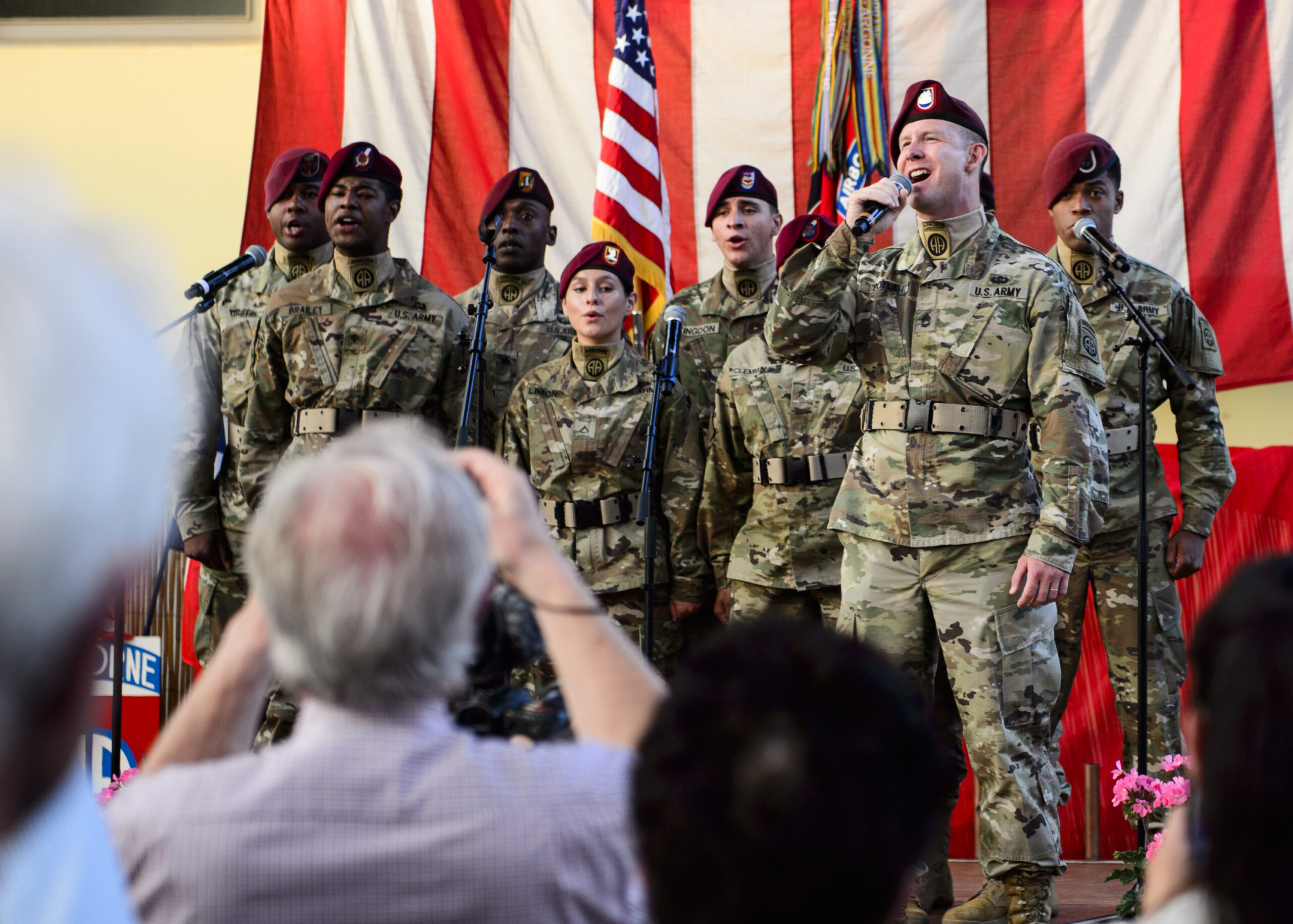
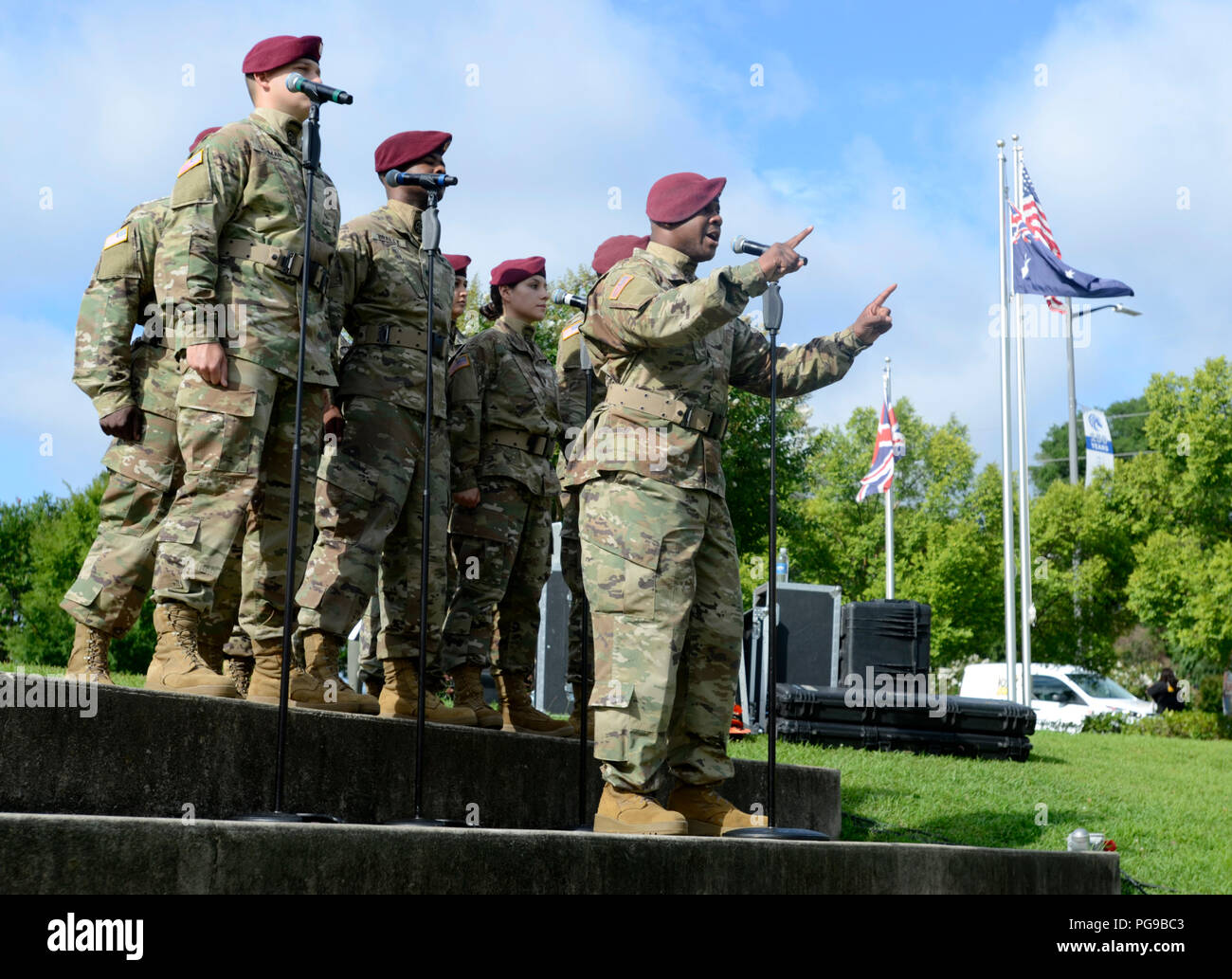
The term All-American Chorus refers primarily to elite national honor choirs—such as the NAfME All-National Honor Ensembles Chorus and national honors performance series—where top student vocalists earn seats through rigorous auditions. It also encompasses distinguished touring groups like the All-American Boys Chorus and premier U.S. military vocal ensembles that represent American choral tradition nationwide.
Defining the All-American Chorus Concept in Vocal Music
In the American choral landscape, the phrase "All-American Chorus" describes two distinct yet overlapping institutions: national student honor ensembles that bring together the top high school and collegiate singers in the United States, and dedicated professional or community ensembles whose mission centers on showcasing American vocal artistry on national and international stages.
For student musicians, earning a seat in an All-American or All-National honor choir represents the pinnacle of K–12 choral achievement. These festival choirs assemble for intensive multi-day rehearsals under the direction of world-renowned conductors, culminating in showcase performances at prominent concert halls or national music conferences.
Concurrently, permanent performing organizations—such as the All-American Boys Chorus based in Southern California or premier military choral units like the Soldiers' Chorus of the U.S. Army Field Band—carry the designation as a formal title. Whether pursuing a spot in a competitive honor ensemble or seeking to join an established touring choir, vocalists must navigate specific qualification pathways, audition standards, and performance expectations.
Major National Honor Choirs: NAfME, ACDA, and National Honors Ensembles
Student singers seeking national recognition typically progress through a structured ladder of regional, state, and national auditions. Understanding the administrative bodies that host these choruses helps singers plan their audition cycles effectively.
- All-District / Regional Choir
- All-State Choir
- All-National / All-American Honor Chorus
1. NAfME All-National Honor Ensembles (ANHE) Vocal Ensembles
Organized by the National Association for Music Education (NAfME), the All-National Honor Ensembles represent the premier destination for high school vocalists in the United States. NAfME sponsors two distinct vocal groups within this program:
- Mixed Choir (SATB): A large ensemble bringing together soprano, alto, tenor, and bass voices from all 50 states to perform complex, multi-movement classical works, contemporary choral compositions, and international folk arrangements.
- Treble Choir (SSAA): A specialized ensemble focusing on treble literature, emphasizing refined tone blending, intonation, and vocal agility.
To qualify for an ANHE audition, students must first participate in and qualify for their respective state's All-State honor choir during the same academic school year.
2. ACDA National Honor Choirs
The American Choral Directors Association (ACDA) convenes national honor choirs during its biennial national conferences. ACDA offers distinct honor ensembles tailored to specific age groups and voice classifications, including:
- Junior High / Middle School Honor Choir
- High School SATB Honor Choir
- High School SSAA Treble Honor Choir
- Tenor-Bass (TTBB) Honor Choir
- Collegiate Honor Choir
Unlike state-mandated pipelines, ACDA honor choir participation depends on sponsorship by an active ACDA member teacher or director, followed by a blind audio audition scored by a panel of collegiate choral professors.
3. The Honors Performance Series at Carnegie Hall
The Honors Performance Series selects high-performing middle and high school singers for dedicated honor choruses that rehearse and perform at landmark venues, including Stern Auditorium / Perelman Stage at Carnegie Hall and international locations such as the Sydney Opera House. Selection requires a director nomination and an independent video audition evaluating vocal range, tone production, and musicality.
Audition Requirements and Technical Vocal Preparation
Securing a position in a national honor chorus requires meticulous technical preparation and adherence to strict recording standards. Audition panels evaluate candidates on specific vocal mechanics, pitch accuracy, and expressive interpretation.
Audition Evaluation Framework:
- Vocal Technique (Tone quality, breath support, intonation)
- Musicianship (Rhythmic accuracy, phrasing, diction)
- Performance Execution (Repertoire delivery, posture)
- Technical Compliance (Unedited audio/video submission)
Repertoire Selection and Performance Standards
Most national chorus audition guidelines require candidates to submit one or two solo selections from classical art song literature or standard contest repertory.
- Classical Art Songs and Arias: Selections from 24 Italian Songs and Arias (e.g., "Caro mio ben," "Tu lo sai"), German Lieder (Schubert, Schumann), or English art songs (Vaughan Williams, Purcell) are standard benchmarks.
- Pitch and Intonation: Singers must maintain precise pitch centered in the middle of each vowel, avoiding flatting on descending lines or sharping in higher tessituras.
- Vocal Timbre and Resonators: Panels look for a balanced tone that utilizes both pharyngeal and oral resonance without forced chest-voice driving or breathy tone production.
- Diction and International Phonetic Alphabet (IPA): Proper vowel modification, clean consonant articulation (particularly terminal consonants), and authentic foreign-language pronunciation (Latin, Italian, German, or French) are mandatory.
Sight-Singing and Musical Literacy Assessments
Many national honor choir applications include a sight-singing component to ensure selected vocalists can learn challenging repertoire rapidly during abbreviated festival rehearsal schedules:
- Tonal Center Establishment: The candidate receives a starting pitch, key chord (arpeggio), and tonic cadence.
- Melodic Sight-Reading: Candidates perform an eight-to-sixteen-measure melody featuring scalar movement, skips within the tonic triad, and basic chromatic alterations.
- Rhythmic Accuracy: Evaluation includes precise execution of dotted rhythms, syncopation, and compound meters ($6/8$ or $9/8$) while maintaining a steady tempo using solfège, numbers, or neutral syllables.
Technical Submission Guidelines
Recording quality directly impacts audition outcomes. Submissions must comply with technical parameters:
- Audio Environment: Record in an acoustically balanced space free of ambient noise, HVAC hum, or excessive natural echo (avoid small bathrooms or large reflective gymnasiums).
- Accompaniment: Vocalists must perform with live piano accompaniment or an official high-quality track; singing a cappella is generally prohibited unless explicitly requested by the audition syllabus.
- Unedited Capture: Audio and video tracks must be recorded live in a single take without pitch correction, reverb enhancement, splicing, or studio editing.
Financial Considerations: Tuition, Travel, and Scholarship Assistance
Participating in a national honor chorus involves financial obligations that families and music departments must account for early in the application cycle.
Common Cost Components
- Audition Fees: Non-refundable registration fees typically range between $30 and $70 per submission.
- Program Tuition: Honor festival registration fees generally cover sheet music, masterclass instruction, rehearsal facilities, commemorative attire, and festival administration. Fees range from $400 for regional/national association conferences to $1,800–$2,800 for multi-day honors performance series that include hotel accommodations and guided tours.
- Travel and Housing: Flights, ground transportation, and hotel rooming costs vary based on the host city.
Scholarship and Fundraising Strategies
To ensure accessibility, national organizations and local music communities offer several funding avenues:
- School Music Boosters: High school choir booster clubs frequently provide partial or full grants for students selected to national honor ensembles.
- State and Regional ACDA/NAfME Grants: Local chapters often maintain hardship funds or merit scholarships for accepted delegates.
- Community Sponsorships: Local service organizations (such as Rotary Clubs, Lions Clubs, or community arts councils) frequently sponsor young artists selected for national events.
Premier Performing Ensembles: The All-American Boys Chorus and Military Choruses
Beyond student festival choirs, permanent organizations carrying national prominence operate year-round, offering professional-level performance opportunities and rigorous vocal training.
- All-American Choral Organizations
- The All-American Boys Chorus
- Youth Training Model (Ages 8-14)
- Southern California Base
- International Touring & Recording
- U.S. Military Vocal Ensembles
- Soldiers' Chorus (U.S. Army Field)
- The U.S. Army Chorus
- Active-Duty Professional Singers
- The All-American Boys Chorus
The All-American Boys Chorus
Founded in 1970 and based in Southern California, The All-American Boys Chorus is an independent non-profit choir for boys aged 8 to 14.
- Structure and Training: Choristers undergo structured vocal training in breathing technique, music theory, ear training, and sight-singing. The choir emphasizes leadership, character development, and citizenship alongside artistic discipline.
- Repertoire: The ensemble performs a diverse repertoire spanning classical sacred music, American folk songs, spirituals, Broadway standards, and contemporary pop arrangements.
- Performance Profile: The choir maintains an international touring schedule, having performed across North America, Asia, Europe, and Australia, alongside recordings and broadcasts with major symphony orchestras.
United States Military Choral Ensembles
The U.S. Armed Forces maintain premier vocal ensembles that serve as official musical ambassadors of the nation. These professional groups represent the pinnacle of choral performance in the military:
- The Soldiers' Chorus of the United States Army Field Band: Founded in 1957 and based at Fort Meade, Maryland, this 29-member mixed (SATB) vocal ensemble tours nationally alongside the Army Field Band. Members are active-duty soldiers who audition successfully for open positions, performing classical choral works, opera, patriotic music, and theatrical literature.
- The U.S. Army Chorus: Established in 1956 as a element of The United States Army Band "Pershing's Own" at Fort Myer, Virginia, this elite ensemble provides vocal music for executive branch ceremonies, state dinners, foreign dignitary visits, and official military functions in Washington, D.C.
Comprehensive Comparison of National Choral Pathways
The following table compares the primary pathways associated with All-American and national honor chorus programs:
| Organization / Program | Target Audience | Primary Eligibility Pathway | Performance Venue / Scope | Audition / Selection Format |
|---|---|---|---|---|
| NAfME All-National Honor Chorus | High School (Grades 11–12) | Must qualify for current-year State All-State Chorus | Rotating National Convention Centers / Halls | Video audition (solos + sight-reading) |
| ACDA National Honor Choir | Middle School to Collegiate | Sponsored by active ACDA member director | Biennial ACDA National Conference City | Unedited blind audio/video recording |
| Honors Performance Series | High School & Middle School | Director nomination + open application | Carnegie Hall, Sydney Opera House, etc. | Video solo submission + musical resume |
| All-American Boys Chorus | Boys ages 8–14 (SoCal area) | Open regional audition & voice check | International tours, recordings, public concerts | Voice placement test & training audition |
| U.S. Army Soldiers' Chorus | Professional Singers (18+) | U.S. Citizenship + Army enlistment standards | National concert tours & public civic events | Competitive live multi-round audition |
Long-Term Educational and Artistic Benefits for Vocalists
Earning a position in a national honor chorus or premier vocal ensemble yields lasting benefits for developing musicians:
1. Artistry Under Master Conductors
National honor ensembles engage leading choral conductors—such as Eric Whitacre, Morten Lauridsen, Anton Armstrong, and Z. Randall Stroope—to direct festival rehearsals. Singers learn advanced rehearsal techniques, nuanced musical interpretation, and professional vocal pedagogy directly from recognized masters.
2. College Admissions and Scholarship Impact
Listing an All-National or All-American honor choir selection on college applications provides a strong signal to admissions committees and music departments. It demonstrates sustained discipline, high-level technical mastery, and successful competition at a national level—qualifications that support artistic merit scholarships even for students majoring in non-music disciplines.
3. Musical Networking and Peer Collaboration
Festival choirs bring together thousands of talented vocalists nationwide. Students build professional networks with peers, music educators, university professors, and vocal coaches, creating relationships that often extend into collegiate and professional music careers.
Frequently Asked Questions
How do high school students qualify for an All-American or All-National honor chorus?
High school students typically qualify by first auditioning for and earning a seat in their state’s All-State honor choir organized by their state Music Educators Association (MEA). State qualification opens eligibility for national video auditions sponsored by organizations like NAfME. Other national series allow direct nomination by school choir directors.
What is the audition process for the All-American Boys Chorus?
The All-American Boys Chorus conducts audition workshops for boys aged 8 to 14 in Southern California. The process evaluates pitch matching, vocal range, rhythmic stability, and enthusiasm for learning. Prior formal vocal training is not mandatory, as accepted choristers enter a structured music theory and vocal training program.
How much does it cost to participate in national honor ensembles?
Total expenses vary by program. Audition fees generally range from $30 to $70. If accepted, program tuition fees range between $400 for association conventions and $2,800 for comprehensive honors programs that include travel, hotel, and meals. School booster clubs and local civic organizations frequently offer scholarships to offset these costs.
Are there professional career opportunities in premier national choruses?
Yes. Premier U.S. military ensembles—such as the Soldiers' Chorus of the U.S. Army Field Band and the U.S. Army Chorus—hire professional singers as active-duty military personnel. Candidates pass rigorous multi-round live auditions, meet military enlistment requirements, and receive full military pay, health benefits, and pension eligibility.
What repertoire is typically expected for national chorus auditions?
Audition panels generally require classical art songs (such as 17th- and 18th-century Italian arias), English art songs, or standard contest solos found on approved state solo and ensemble lists. Pop, rock, or Broadway belting tracks are generally prohibited unless specified by a specialized theater ensemble.
Strategic Steps for Preparing an All-American Chorus Application
- Review State and National Deadlines Early: Audit the application timeline 6 to 9 months in advance. Ensure eligibility by registering for local and All-State audition processes required by your state music association.
- Select and Polish Repertoire with a Vocal Coach: Work with a vocal instructor to choose a solo that fits your comfortable tessitura and highlights your tonal beauty without straining upper or lower ranges.
- Master Sight-Singing Systems: Practice sight-singing daily using moveable-do solfège or numbers. Focus on maintaining a steady tempo with a metronome and recognizing common triad skips and chromatic tones.
- Schedule a Professional Recording Session: Record audition tracks in an acoustically balanced room using quality recording equipment. Ensure audio levels are adjusted to avoid clipping on dynamic climaxes, and confirm that accompaniment tracks are balanced cleanly with the voice.
- Verify Submission Requirements: Confirm that video frames show the singer’s full upper body and face clearly. Check that file formats, unedited video tracks, and written director recommendations match all syllabus criteria before submitting ahead of the deadline.