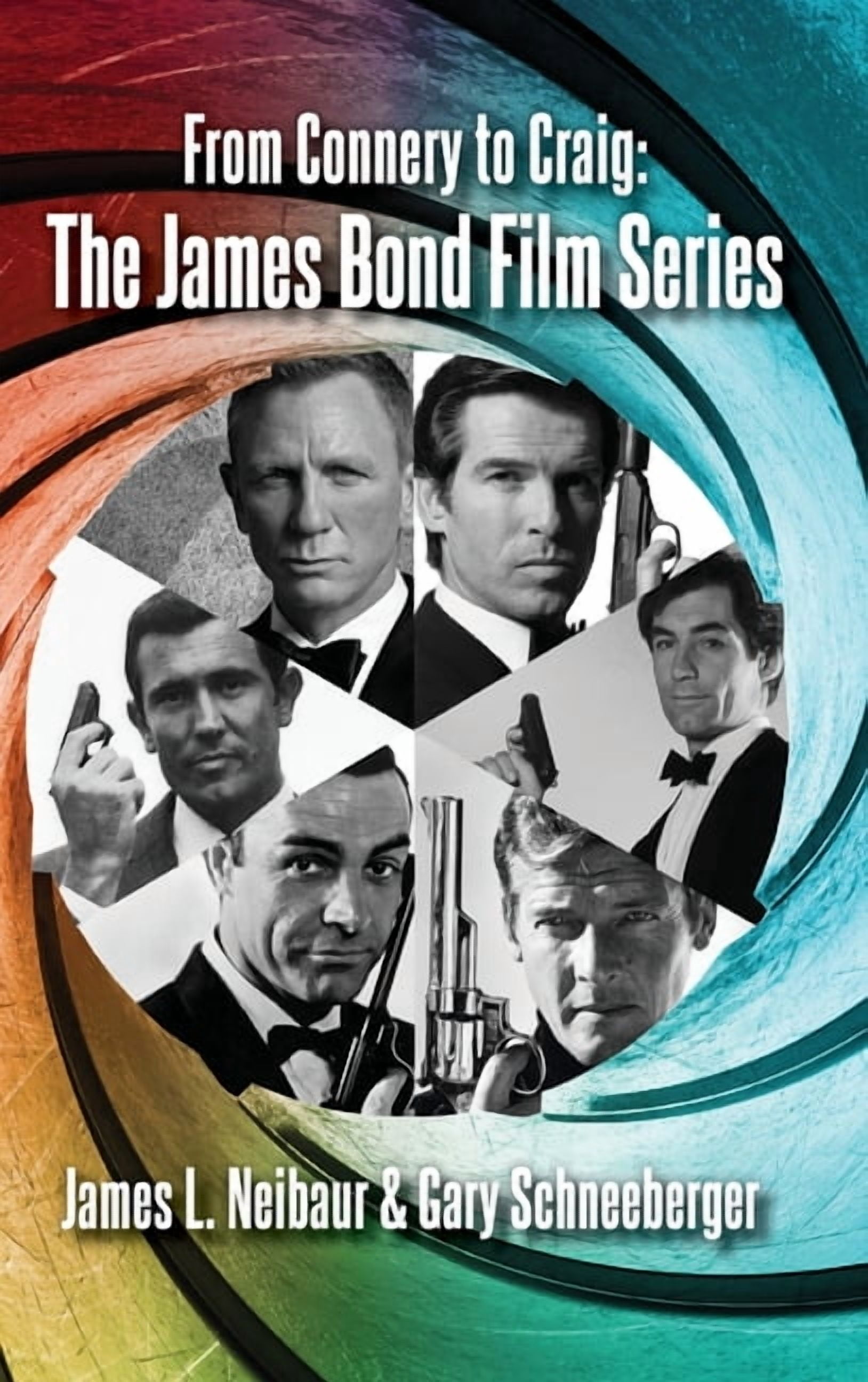
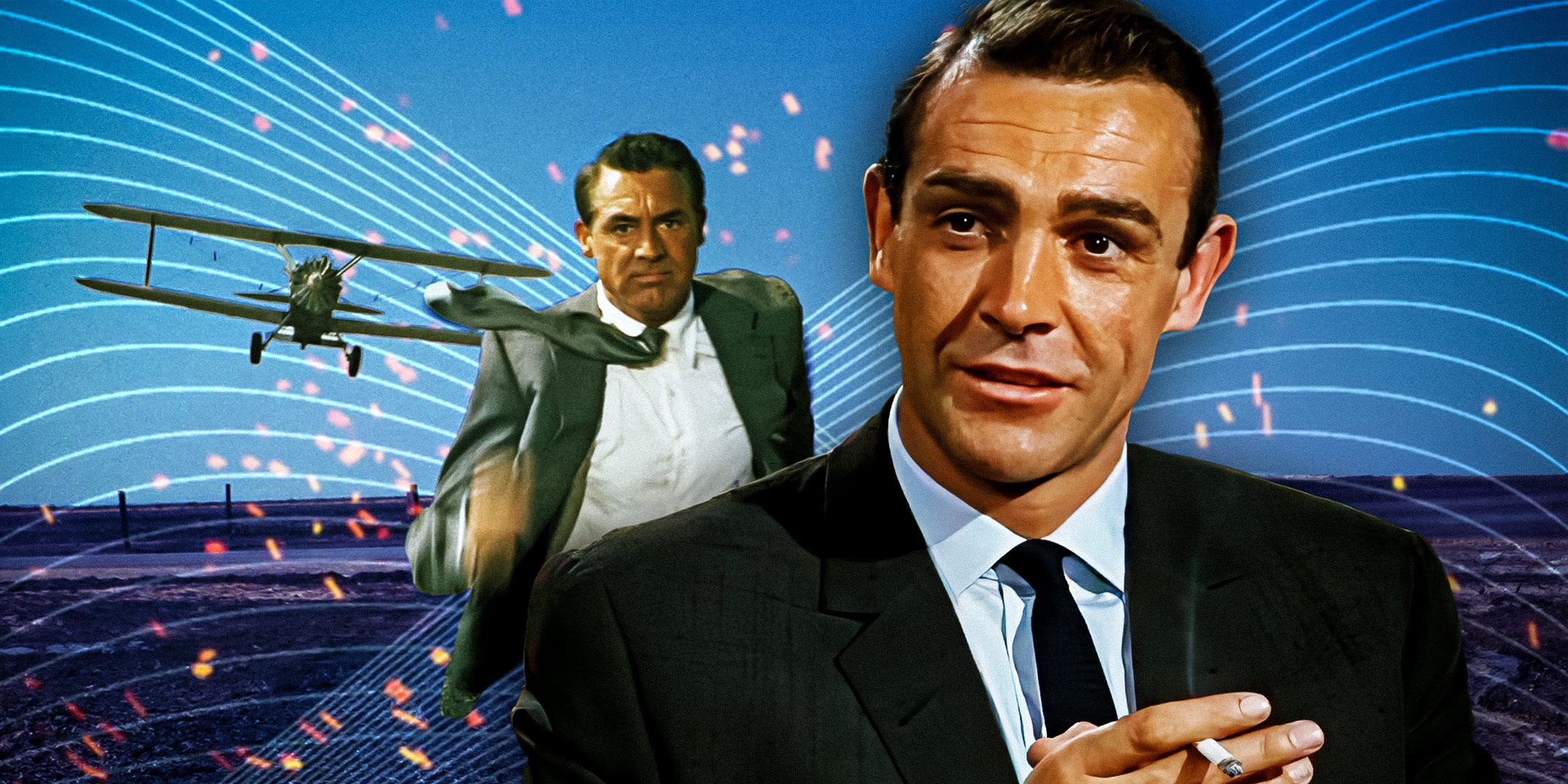
The official James Bond film series encompasses over six decades of cinema history, spanning twenty-five canonical feature-length motion pictures produced by Eon Productions, alongside two independent adaptations. Tracking the evolution of Ian Fleming’s iconic MI6 secret agent requires examining the distinct eras defined by each lead actor, the shifting political landscapes of the Cold War and post-Cold War eras, and the cinematic innovations that transformed espionage thrillers into a cornerstone of global popular culture.
Evolution of the Eon Productions Franchise
The official cinematic legacy of James Bond began in 1962 when producers Albert R. "Cubby" Broccoli and Harry Saltzman brought Ian Fleming’s literary character to the screen through their production company, Eon Productions. Distributed primarily by United Artists and later Metro-Goldwyn-Mayer, the Eon series maintained creative continuity through a standardized formula blending exotic international locations, advanced espionage hardware, memorable antagonists, and signature musical themes.
Unlike cinematic universes constructed by modern studios, the Bond franchise relied on a revolving door of lead actors who reinterpreted the character of 007 while retaining core personality traits: a penchant for dry martinis, bespoke tailoring, high-performance automobiles, and unflappable composure under pressure. This casting model allowed the series to adapt to changing generational tastes without requiring narrative reboots for its first four decades.
Chronological Overview of Official 007 Eras
To understand the trajectory of all Bond movies, film historians and enthusiasts categorize the catalog into distinct eras based on the principal actor. Each era brought unique tonal shifts, ranging from the lighthearted, gadget-heavy adventures of the 1970s to the gritty, psychological realism of the 21st century.
The Sean Connery Era (1962–1967, 1971)
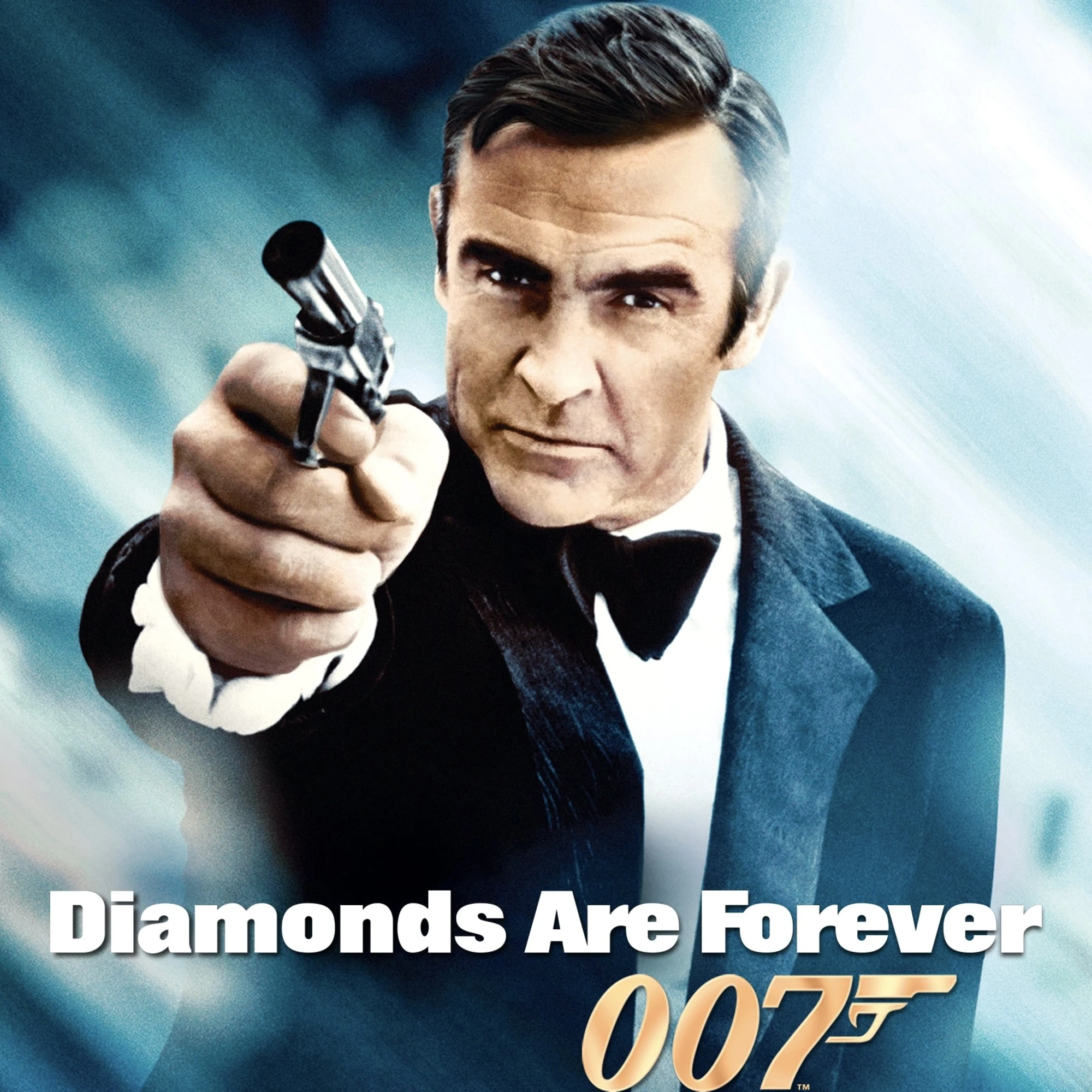
Sean Connery established the cinematic blueprint for James Bond in Dr. No (1962), combining rugged physicality with aristocratic charm. Films such as From Russia with Love (1963) and Goldfinger (1964) cemented the character as a global phenomenon, introducing cultural touchstones like the Aston Martin DB5 and iconic villain Auric Goldfinger. Connery briefly returned for Diamonds Are Forever (1971) after George Lazenby’s single outing in On Her Majesty’s Secret Service (1969).
The Roger Moore Era (1973–1985)
Roger Moore infused the role with a suave, self-parodic British humor that matched the campy aesthetics of the 1970s and 1980s. Starting with Live and Let Die (1973) and culminating in A View to a Kill (1985), Moore’s seven-film tenure leaned heavily into science-fiction elements, space exploration (Moonraker), and elaborate stunt choreography, establishing the series as a dominant blockbuster machine.
The Timothy Dalton and Pierce Brosnan Eras (1987–2002)
Seeking a return to Ian Fleming’s sterner literary roots, Timothy Dalton starred in two gritty thrillers: The Living Daylights (1987) and Licence to Kill (1989). Following a six-year hiatus, Pierce Brosnan revitalized the franchise with GoldenEye (1995), bridging the gap between late-Cold War espionage and modern digital-age cyber threats. Brosnan’s four films balanced classic high-stakes action with updated geopolitical backdrops.
The Daniel Craig Era (2006–2021)
The franchise underwent a radical stylistic overhaul with the casting of Daniel Craig in Casino Royale (2006). This film initiated a serialized continuity that deconstructed the character's psychological vulnerabilities. Spanning five films up to No Time to Die (2021), this era explored Bond’s trauma, loyalty to MI6 under M, and the ultimate closure of the character's narrative arc.
Canonical Film Index and Production Milestones
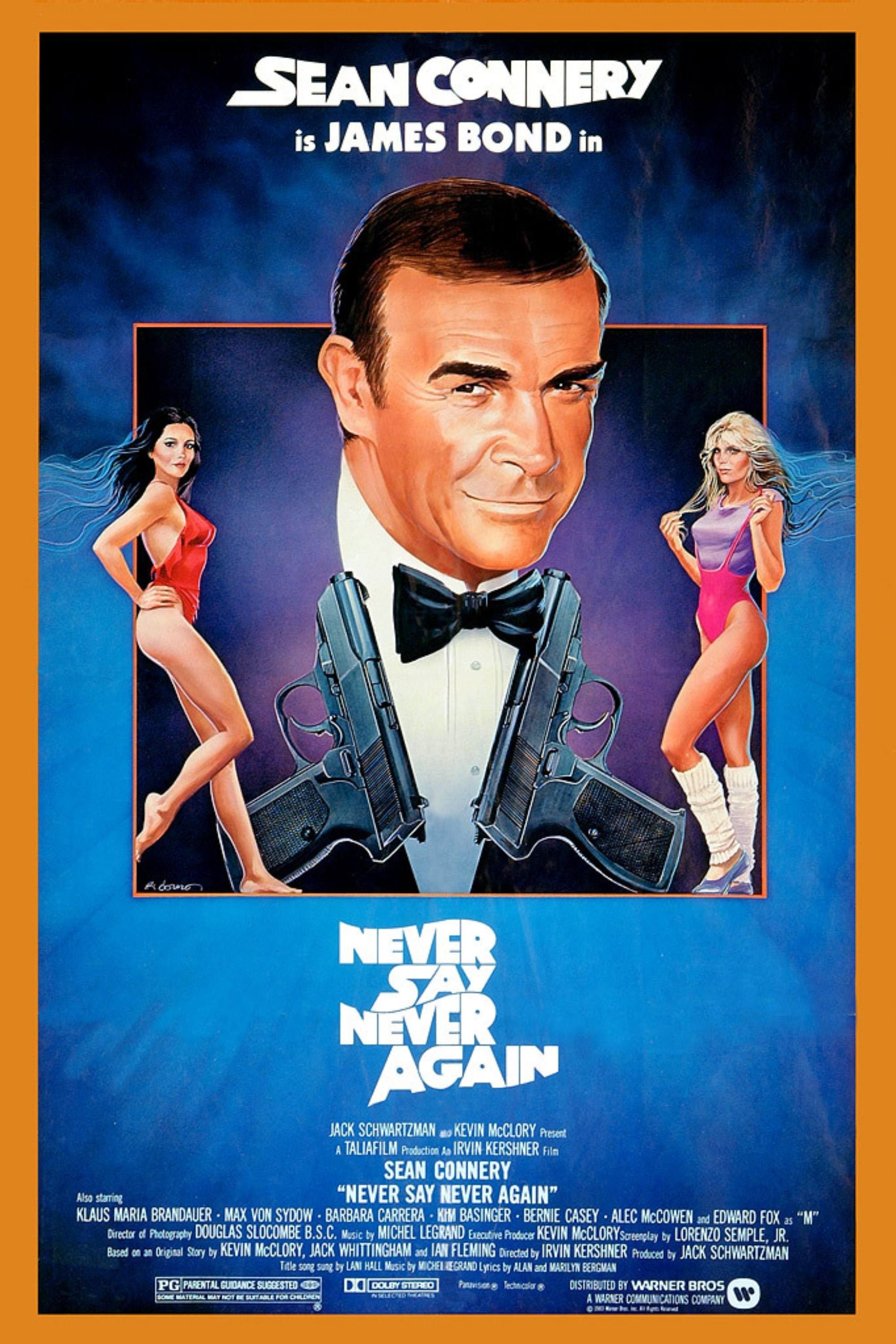
The official Eon catalog consists of twenty-five core motion pictures. In addition, two non-Eon productions exist in cinematic history: the 1967 satirical comedy Casino Royale starring David Niven, and the 1983 Kevin McClory-produced Never Say Never Again, which saw Sean Connery return to the role outside the primary studio framework.
| Film Title | Release Year | Lead Actor | Director | Primary Antagonist / Organization |
|---|---|---|---|---|
| Dr. No | 1962 | Sean Connery | Terence Young | Dr. Julius No (SPECTRE) |
| From Russia with Love | 1963 | Sean Connery | Terence Young | Rosa Klebb / Red Grant (SPECTRE) |
| Goldfinger | 1964 | Sean Connery | Guy Hamilton | Auric Goldfinger |
| Thunderball | 1965 | Sean Connery | Terence Young | Emilio Largo (SPECTRE) |
| You Only Live Twice | 1967 | Sean Connery | Lewis Gilbert | Ernst Stavro Blofeld (SPECTRE) |
| On Her Majesty's Secret Service | 1969 | George Lazenby | Peter R. Hunt | Ernst Stavro Blofeld (SPECTRE) |
| Diamonds Are Forever | 1971 | Sean Connery | Guy Hamilton | Ernst Stavro Blofeld |
| Live and Let Die | 1973 | Roger Moore | Guy Hamilton | Dr. Kananga / Mr. Big |
| The Man with the Golden Gun | 1974 | Roger Moore | Guy Hamilton | Francisco Scaramanga |
| The Spy Who Loved Me | 1977 | Roger Moore | Lewis Gilbert | Karl Stromberg |
| Moonraker | 1979 | Roger Moore | Lewis Gilbert | Hugo Drax |
| For Your Eyes Only | 1981 | Roger Moore | John Glen | Aristotle Kristatos |
| Octopussy | 1983 | Roger Moore | John Glen | Kamal Khan / General Orlov |
| A View to a Kill | 1985 | Roger Moore | John Glen | Max Zorin |
| The Living Daylights | 1987 | Timothy Dalton | John Glen | Brad Whitaker / Georgi Koskov |
| Licence to Kill | 1989 | Timothy Dalton | John Glen | Franz Sánchez |
| GoldenEye | 1995 | Pierce Brosnan | Martin Campbell | Alec Trevelyan (006) |
| Tomorrow Never Dies | 1997 | Pierce Brosnan | Roger Spottiswoode | Elliot Carver |
| The World Is Not Enough | 1999 | Pierce Brosnan | Michael Apted | Renard / Elektra King |
| Die Another Day | 2002 | Pierce Brosnan | Lee Tamahori | Gustav Graves / Colonel Moon |
| Casino Royale | 2006 | Daniel Craig | Martin Campbell | Le Chiffre |
| Quantum of Solace | 2008 | Daniel Craig | Marc Forster | Dominic Greene (Quantum) |
| Skyfall | 2012 | Daniel Craig | Sam Mendes | Raoul Silva |
| Spectre | 2015 | Daniel Craig | Sam Mendes | Ernst Stavro Blofeld (SPECTRE) |
| No Time to Die | 2021 | Daniel Craig | Cary Joji Fukunaga | Lyutsifer Safin |
Recurrent Tropes, Stylistic Elements, and Technical Craft
Every entry in the official film series relies on a precise architectural formula. Understanding these recurring elements highlights how the franchise maintains institutional identity while adapting to modern filmmaking standards.
The Cold Open and Title Sequence
The pre-credits sequence—commonly known as the cold open—functions as a self-contained action vignette designed to establish the stakes before the title card appears. Following this sequence, the title song sets the thematic tone, often performed by prominent contemporary pop artists. The iconic gun-barrel opening, designed by Maurice Binder, has remained a visual constant throughout the series.
Gadgets, Vehicles, and Q Branch
The relationship between James Bond and the quartermaster, designated as "Q," introduced audiences to specialized espionage technology long before consumer smart devices existed. From modified wristwatches equipped with lasers and buzzsaws to fingerprint-scanned vehicles, Q Branch engineering remains an integral narrative device for overcoming seemingly insurmountable obstacles.
Frequently Asked Questions About the 007 Series
Are non-Eon Bond movies considered part of the official canon?
No. Only the twenty-five films produced by Eon Productions are recognized as part of the official James Bond film series. Casino Royale (1967) and Never Say Never Again (1983) were produced by separate entities due to complex rights disputes originating from Ian Fleming's early literary contracts.
Which actor played James Bond the most times in the official series?
Roger Moore holds the record for the most official Eon feature films, starring as 007 seven times consecutively between 1973 and 1985. Sean Connery starred in six official Eon productions, plus one unofficial return in 1983.
Should I watch the Bond movies in chronological or release order?
Watching the films in original release order is generally recommended to appreciate the historical evolution of cinematic techniques, political subtexts, and recurring supporting characters like M, Q, and Miss Moneypenny. However, Daniel Craig’s five-film tenure functions as a distinct, serialized narrative arc that benefits from internal chronological viewing.
How did the franchise rights transfer to Amazon?
In 2021, Amazon acquired Metro-Goldwyn-Mayer (MGM), gaining joint control over the James Bond film catalog alongside longtime producers Barbara Broccoli and Michael G. Wilson of Eon Productions. Creative control over future casting and narrative direction remains managed through Eon.
Navigating Your 007 Cinematic Retrospective
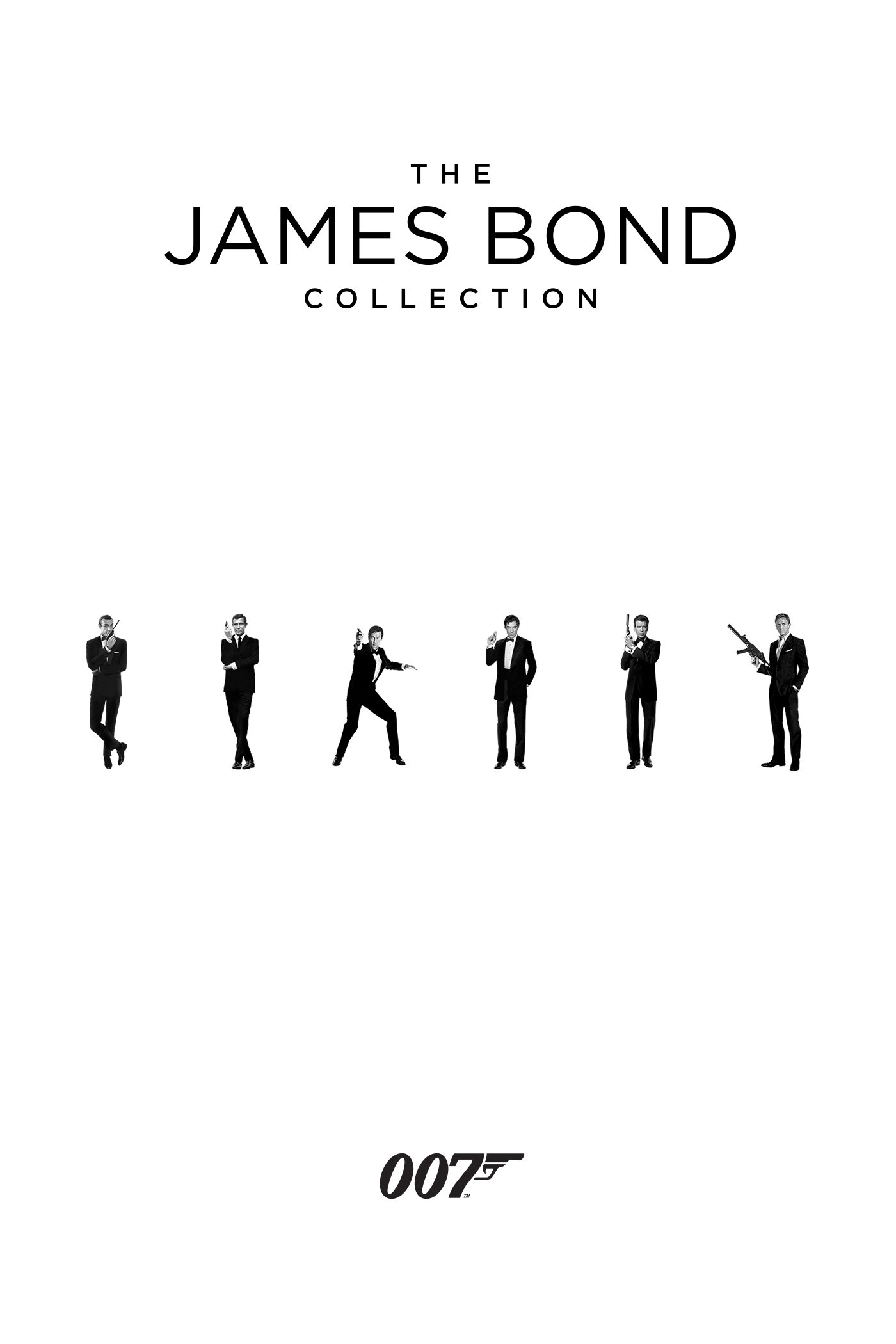
To fully appreciate the scope of the official James Bond film series, viewers should begin by exploring foundational classics from the 1960s such as Goldfinger, transition through the stylistic shifts of the Moore and Brosnan decades, and conclude with the continuous narrative arc of Daniel Craig’s tenure. Checking streaming platform availability or physical media box sets ensures uninterrupted access to the complete Eon catalog.