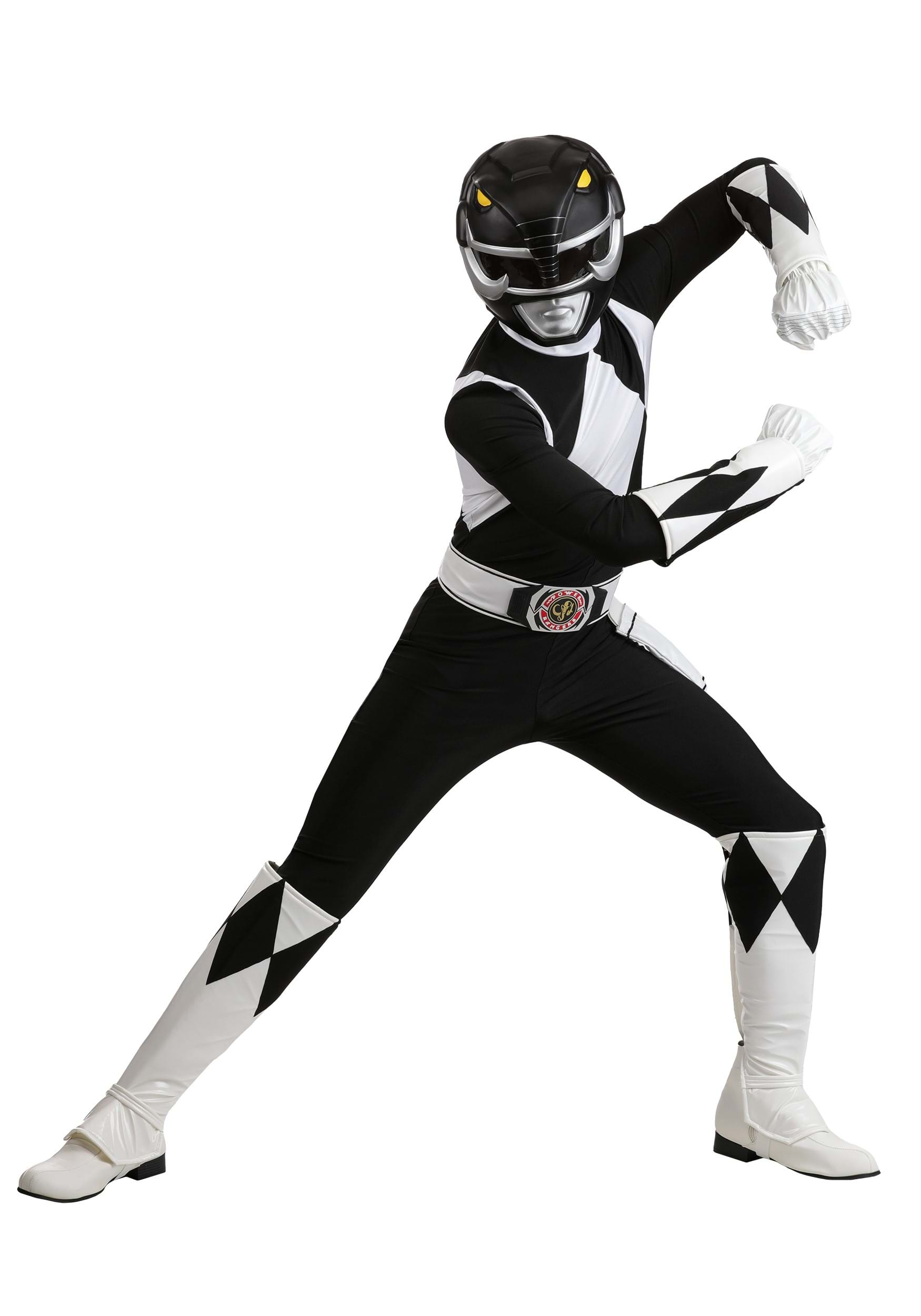
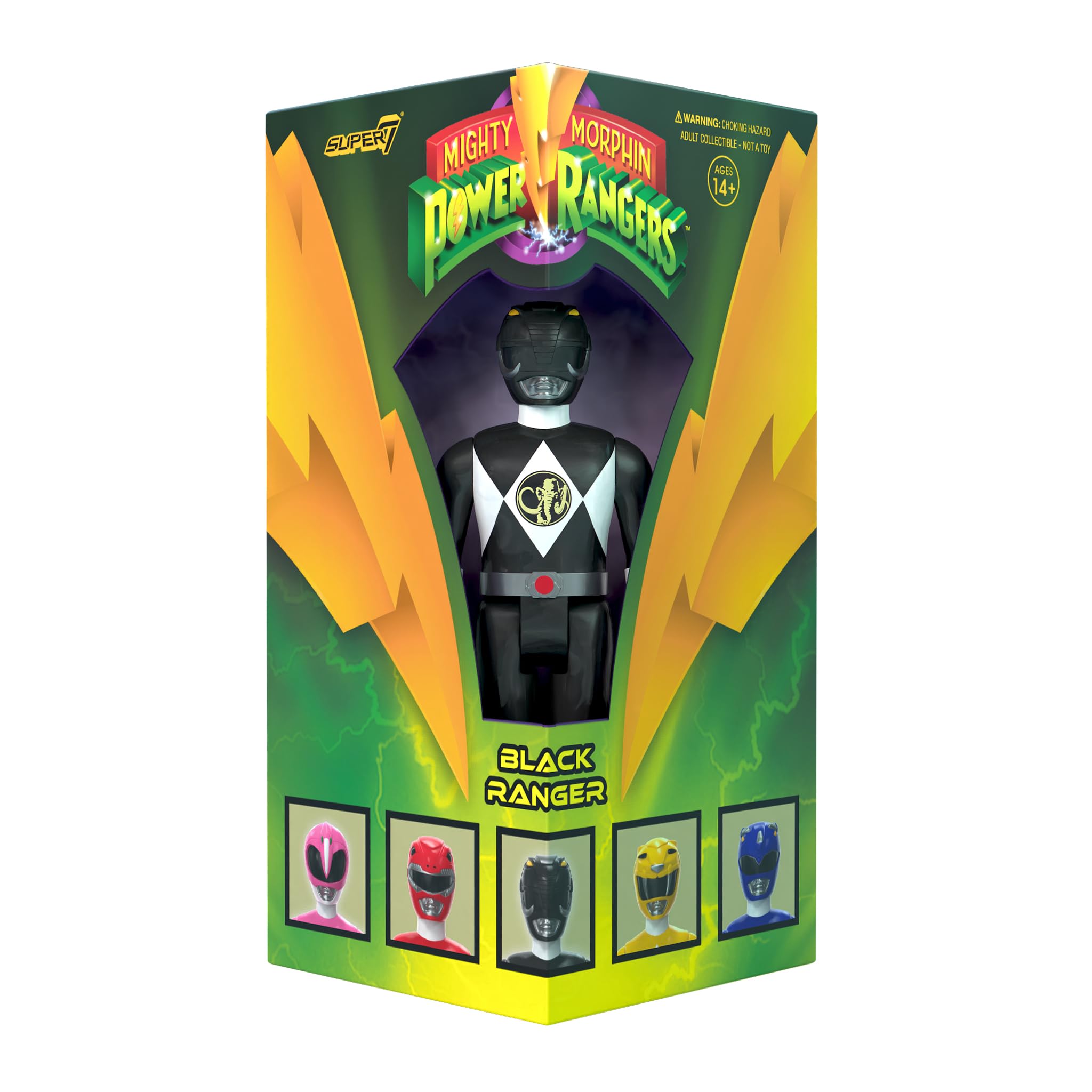
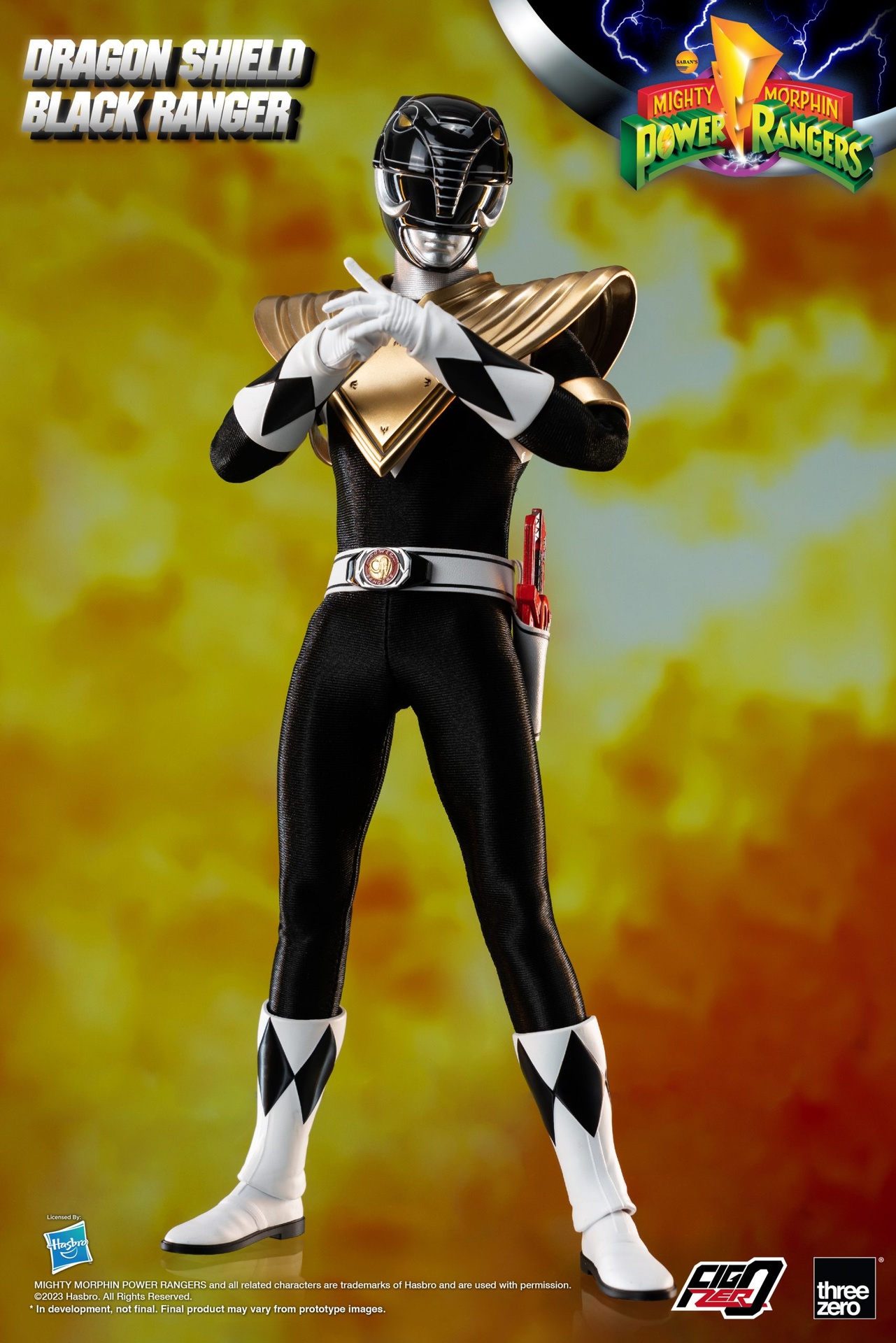
The legacy of all black rangers in Power Rangers spans over three decades, tracing the evolution of television representation, character archetypes, and tokusatsu adaptations from Mighty Morphin Power Rangers in 1993 to contemporary iterations. These characters have evolved from stoic martial artists and tech specialists into multi-dimensional leaders, complex anti-heroes, and cosmic guardians, cementing a vital cultural footprint within the pop-culture landscape.
The Origins and Evolution of the Black Ranger Archetype
The archetype of the Black Ranger was established in Saban Entertainment's 1993 adaptation of Kyoryu Sentai Zyuranger, titled Mighty Morphin Power Rangers. In this foundational series, Zack Taylor, portrayed by Walter Emanuel Jones, introduced audiences to a character defined by high-energy hip-hopkido martial arts, unwavering loyalty, and distinct comedic timing. The underlying source footage from Japan featured the Mammoth Ranger, Geki, played by Yasuhiro Takeuchi, whose stoic and tactical demeanor was adapted into a more expressive, culturally resonant American persona.
Following the mid-season cast changes of the original series, Johnny Yong Bosch assumed the mantle as Adam Park. Adam transitioned the character profile from a bombastic, high-energy dynamo to a reserved, deeply disciplined martial artist. This shift expanded the dramatic range of the Black Ranger designation, proving that the color coding did not lock a character into a singular behavioral box. Adam’s continuity across multiple seasons—stretching from Mighty Morphin through Power Rangers Zeo and Power Rangers Turbo—established the template for legacy rangers returning to mentor or assist newer generations.
As the franchise progressed through the Zordon Era and into the post-Zordon Renaissance, subsequent iterations redefined what it meant to hold the Black Ranger power set. Characters like Carlos Vallerte in Power Rangers Turbo and Power Rangers in Space demonstrated versatility by transitioning from a Green Ranger to a Black Ranger, highlighting that the designation was tied to tactical adaptability rather than a static personality type. These early years laid the groundwork for a rich lineage of characters who balanced frontline combat duties with deep personal growth arcs.
Chronological Profiles of Notable Black Rangers
Examining the chronological roster reveals a diverse array of individuals who carried the Black Ranger designation across various planetary defenses, dimensional shifts, and mystical realms. Each iteration brought unique weaponry, Zords, and narrative motifs to the overarching franchise lore.
- Zack Taylor (Mighty Morphin Power Rangers): The original wielder of the Power Coin connected to the Mastodon. His combat style merged traditional martial arts with street dance elements, and he commanded the Mastodon Dinozord.
- Adam Park (Mighty Morphin Power Rangers, Zeo, Turbo): Wielded the Mastodon Power, the Black Zeo Crystal power (Zeo Ranger IV - Green, later Black Ranger in Turbo as a mentor figure, and subsequently returning in crossover specials), and drove the Lion Thunderzord.
- Carlos Vallerte (Power Rangers in Space): Served as the Black Space Ranger, utilizing the DigiMorpher and the Mega Winger as his primary tactical assets while defending the galaxy alongside the Space team.
- Dillon (Power Rangers RPM): Operating as the Ranger Operator Series Black, Dillon brought a gritty, post-apocalyptic anti-hero archetype to the series, infused with cybernetic enhancements and driving the Series Black Crawler Zord.
- Chase Randall (Power Rangers Dino Charge): Portrayed as a smooth-talking, skateboard-riding New Zealander bonded with the Parasaurolophus Energem, serving as the Black Dino Charge Ranger.
- Zayto (Power Rangers Cosmic Fury): Though initially starting as the Red Dinosaur Fury Ranger, Zayto transitioned to the Zenith Ranger in Cosmic Fury, utilizing black-and-gold aesthetic motifs and cosmic energy management that anchored the final seasons of the Hasbro era.
Cultural Representation and Historical Significance
The inclusion of African-American and minority actors in prominent, heroic roles during the 1990s carried profound sociological significance for children’s television. Walter Emanuel Jones's portrayal of Zack Taylor provided millions of Black children with a mainstream, positive superhero role model on a daily broadcast schedule. This representation broke long-standing television tropes that frequently marginalized minority characters or relegated them to background status.
The casting dynamics, however, were not without behind-the-scenes complexities. Historical accounts from early cast members have highlighted the unintended challenges of color-associated casting, where minority actors were assigned Ranger suit colors matching racial stereotypes in early drafts of production conceptualization—a casting coincidence that production executives quickly sought to distance themselves from. Despite these initial production hurdles, the actors themselves infused their characters with dignity, leadership, and emotional depth that transcended superficial color-coding.
Over successive decades, the franchise expanded its global footprint by casting Black Rangers from diverse international backgrounds, including Maori, Latino, and European actors. This evolution transformed the Black Ranger from a localized 1990s television phenomenon into a globally recognized symbol of resilience, teamwork, and cross-cultural heroism.
Comparative Overview of Notable Black Ranger Iterations
| Ranger Name | Series | Primary Weapon / Gear | Zord / Vehicle | Core Archetype |
|---|---|---|---|---|
| Zack Taylor | Mighty Morphin Power Rangers | Power Axe | Mastodon Dinozord | Energetic Martial Artist |
| Adam Park | Mighty Morphin Power Rangers (Season 2-3) | Power Axe / Blade Blaster | Lion Thunderzord | Disciplined Tactician |
| Carlos Vallerte | Power Rangers in Space | Lunar Torch / Super Silverizer | Mega Winger | Adaptable Specialist |
| Dillon | Power Rangers RPM | Nitro Blaster / Rocket Blaster | Crawler Zord | Cybernetic Anti-Hero |
| Chase Randall | Power Rangers Dino Charge | Para Chopper | Parasaurolophus Zord | Charismatic Adventurer |
Weaponry, Zords, and Combat Specializations
The tactical loadout of a Black Ranger has traditionally emphasized heavy ordnance, defensive fortifications, and brute-force melee combat. In the Zordon Era, the Power Axe wielded by Zack Taylor doubled as a distance firearm and a blunt-force melee weapon, reflecting the Mastodon's thematic association with mass and immovable strength. This design philosophy persisted into the Thunderzord era, where the Lion Thunderzord provided formidable ground-based firepower and agility.
In later seasons, technological shifts changed how the Black Ranger operated on the battlefield. Power Rangers RPM integrated vehicular warfare and dystopian automotive engineering, where Dillon's Black Ranger suit featured built-in shielding capabilities to counter the computer virus Venjix. Similarly, Power Rangers Dino Charge paired Chase Randall with prehistoric dinosaur spirits, combining ranged energy blasts from the Para Chopper with agile, acrobatic combat maneuvers suited for open terrain exploration.
Across all iterations, the Black Ranger is frequently positioned as the tactical anchor of the team—balancing the impulsive nature of the Red Ranger and the analytical precision of the Blue Ranger. Whether utilizing mystical coins, zeo crystals, morphers, or hyper-advanced digital communicators, these rangers maintain a consistent standard of battlefield reliability.
Legacy and Impact on Modern Tokusatsu Adaptations
The long-term impact of the Black Ranger legacy extends far beyond standard television syndication, influencing comic book revivals, anniversary crossover specials, and adult collector markets. Boom! Studios’ comic book series, published under license from Hasbro, has provided mature, character-driven deep dives into the psychological burdens placed on early teenagers drafted into an intergalactic war. These expanded literary universes have given writers the creative freedom to explore alternate timelines where characters like Zack Taylor assume leadership roles or wield alternative power matrices, such as the Omega Ranger powers.
Furthermore, anniversary events like Power Rangers Super Megaforce and the 30th-anniversary special Once & Always brought legacy actors back to the screen, validating the multi-generational attachment fans hold for these characters. The enduring popularity of figures like Adam Park and Zack Taylor proves that the significance of the Black Ranger lies in their adaptability, character growth, and the universal appeal of overcoming insurmountable odds through teamwork.
Frequently Asked Questions
Who was the very first Black Ranger in television history?
The first Black Ranger was Zack Taylor, portrayed by actor Walter Emanuel Jones in the 1993 premiere episode of Mighty Morphin Power Rangers. He utilized the power of the Mastodon and commanded the Mastodon Dinozord during the initial three seasons of the franchise.
Did any actor play more than one Black Ranger role?
While actors like Walter Emanuel Jones and Johnny Yong Bosch are iconic for their respective tenures, the franchise has generally assigned unique actors to each distinct Ranger designation. However, actors have occasionally returned in crossover events or assumed different color designations across separate series seasons, such as Adam Park returning in team-up specials.
What weapon was most commonly associated with early Black Rangers?
The most iconic early weapon was the Power Axe, used by Zack Taylor. It featured dual functionality, transforming from a handheld melee battle axe into a high-powered energy cannon capable of combining with other weapon systems to form the Power Blaster.
How did the Black Ranger archetype change during the post-Zordon Era?
Post-Zordon iterations shifted away from high-school martial artists toward specialized professionals, cosmic operatives, and hardened survivors. Characters like Dillon from Power Rangers RPM introduced darker narrative backstories involving cybernetic enhancements and vehicular combat.
Are Black Rangers always assigned heavy weapons and defensive roles?
While early seasons heavily associated the color with brute strength and heavy ordnance, later seasons diversified these traits. Modern Black Rangers frequently feature high-speed mobility items, energy blasters, and agile auxiliary weapons tailored to specific seasonal themes like dinosaurs or space exploration.
Strategic Next Actions for Fans and Researchers
For researchers, continuity collectors, and enthusiasts exploring the historical breadth of the franchise, tracking original source material involves examining both Saban's American adaptations and Toei Company's Japanese Super Sentai source footage. Reviewing primary production notes, anniversary comic runs, and official cast panels from conventions provides verified context regarding the casting decisions and character development arcs that shaped television history over the past thirty years.