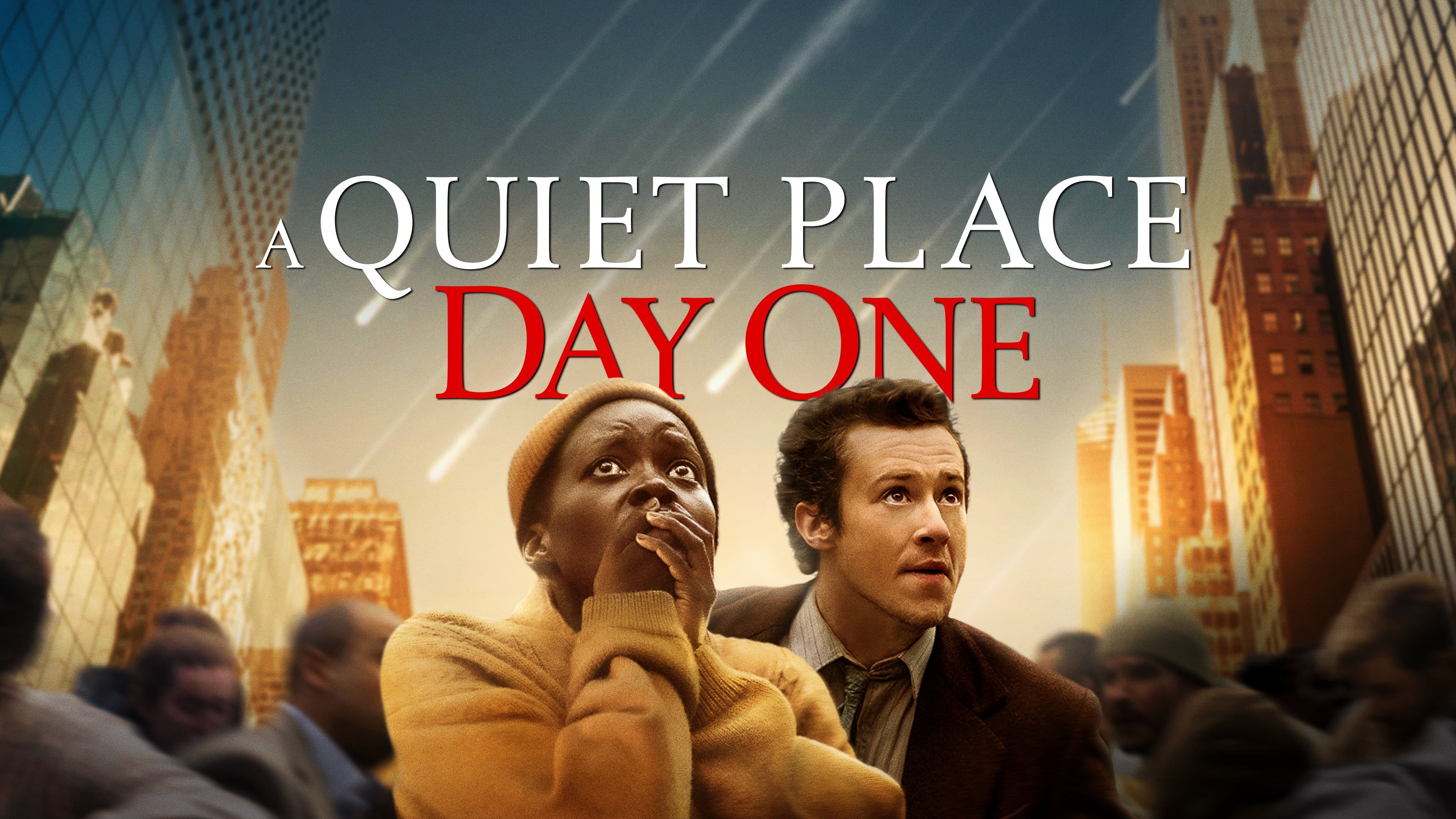
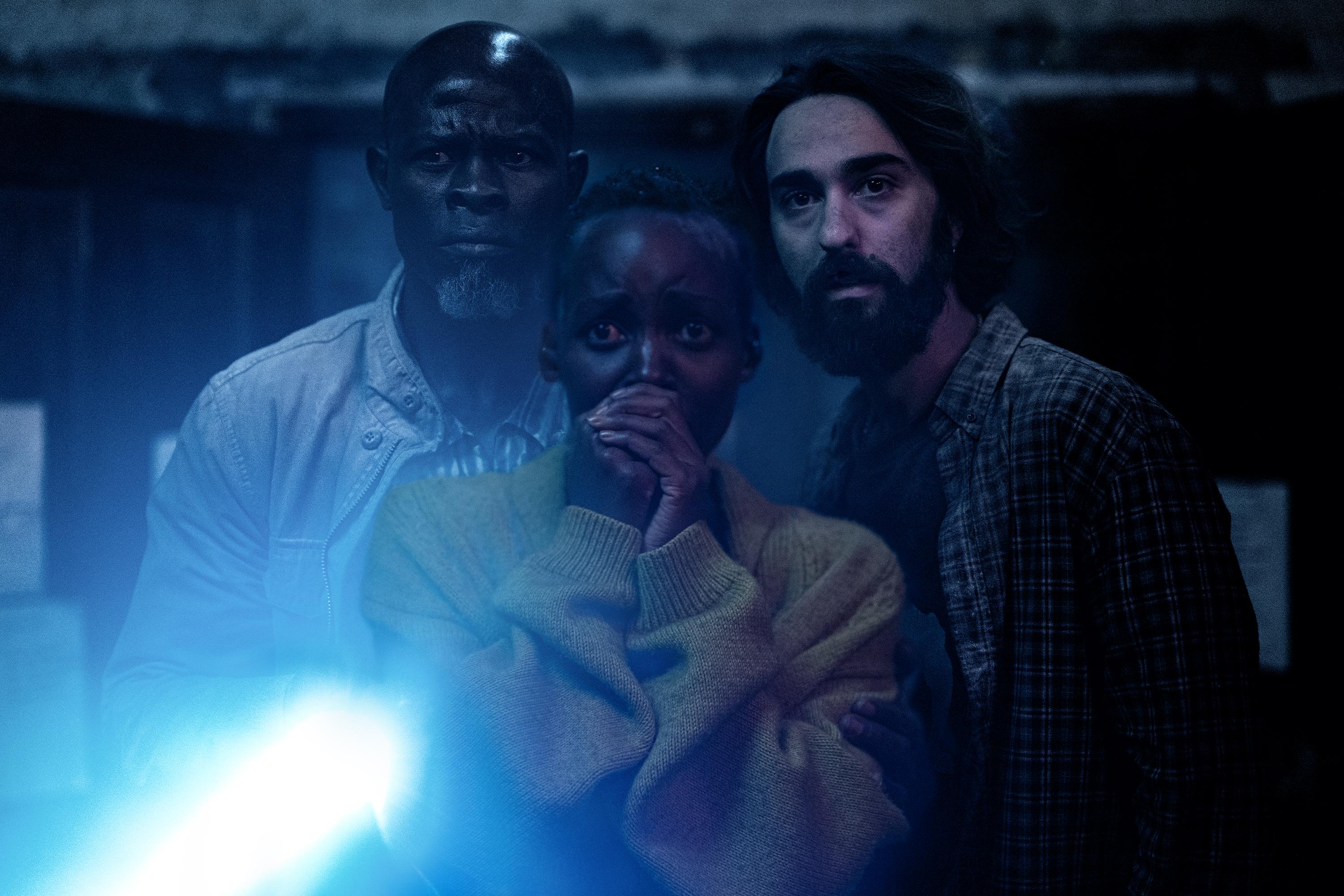
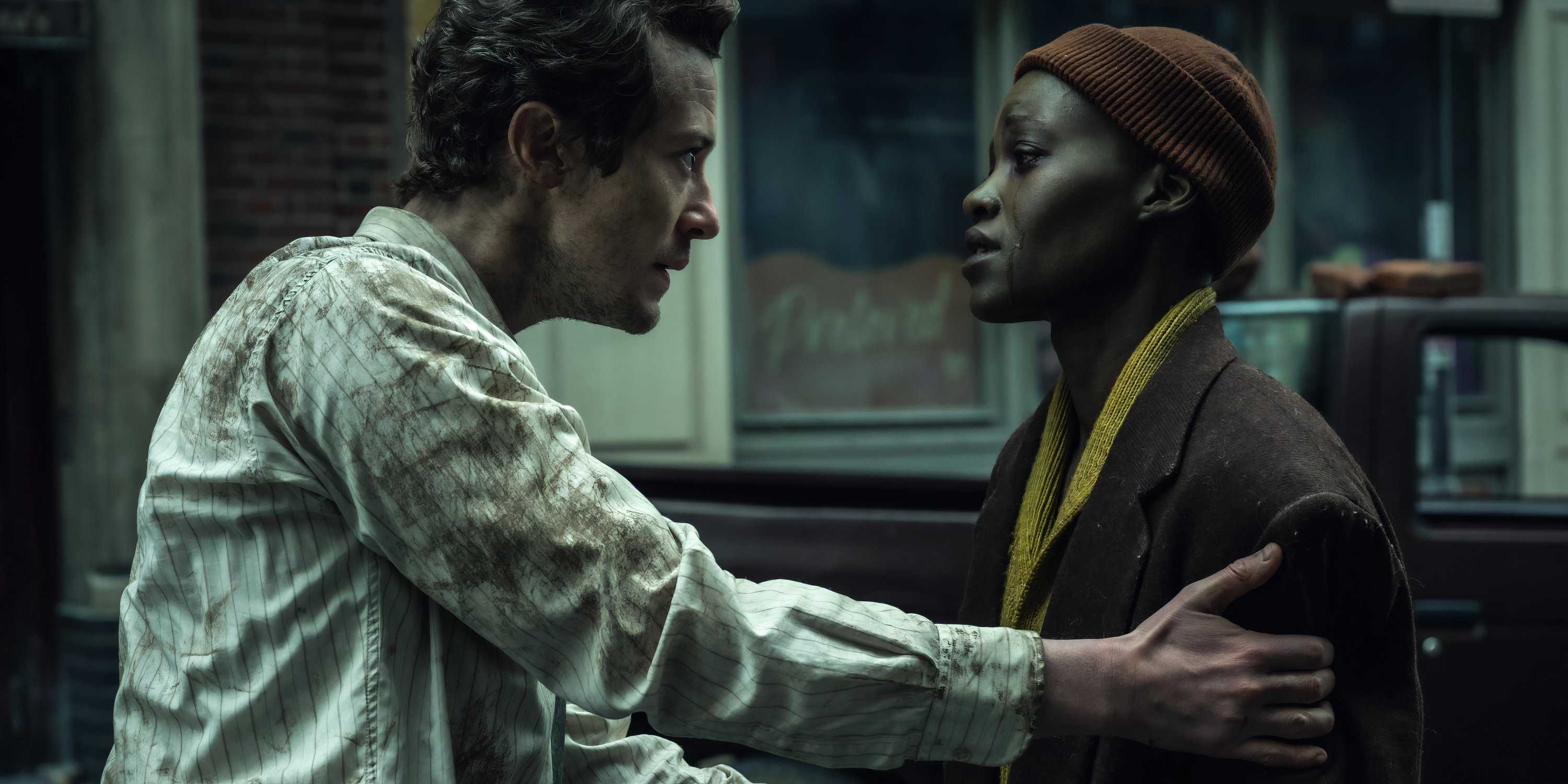
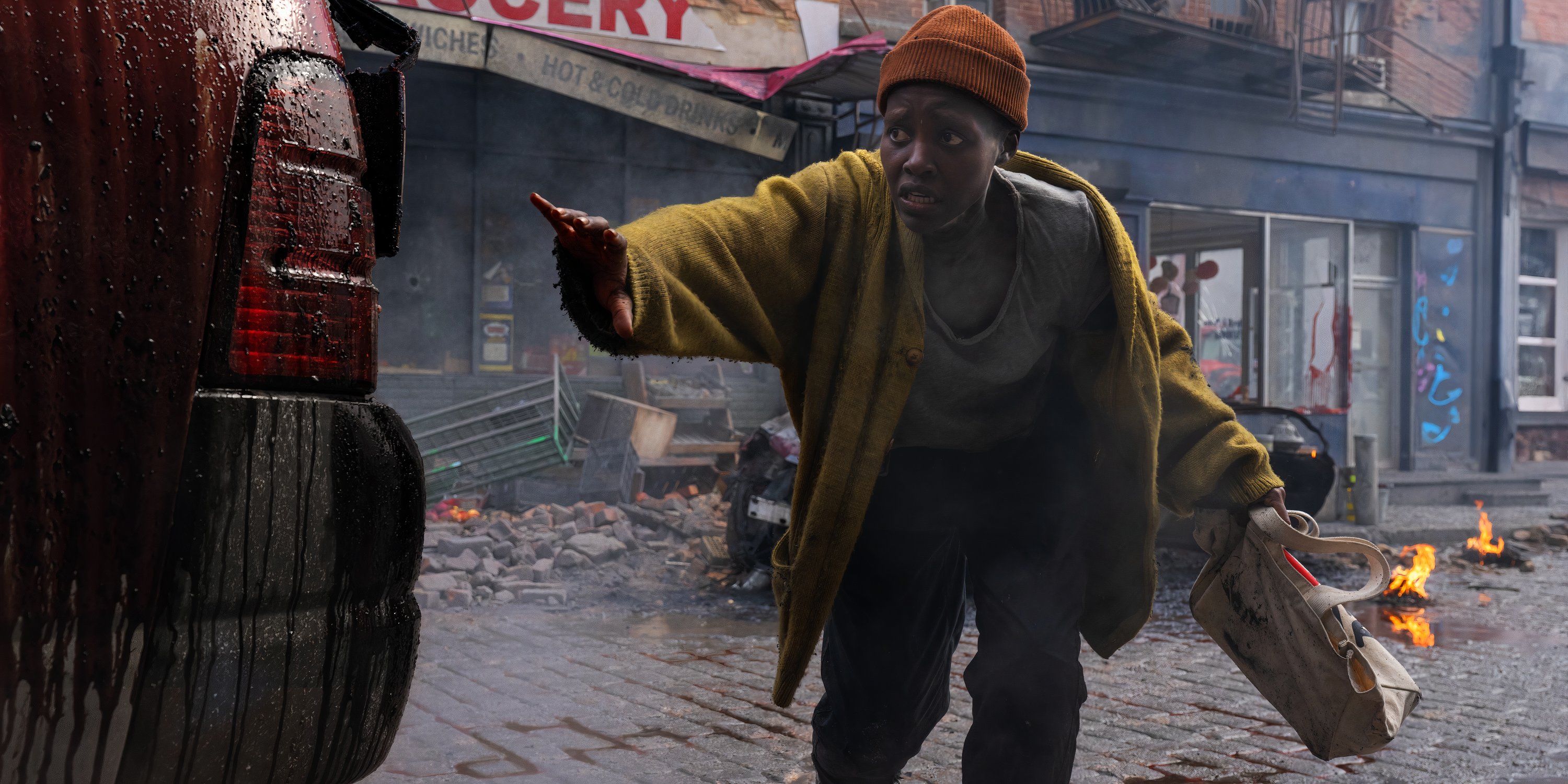
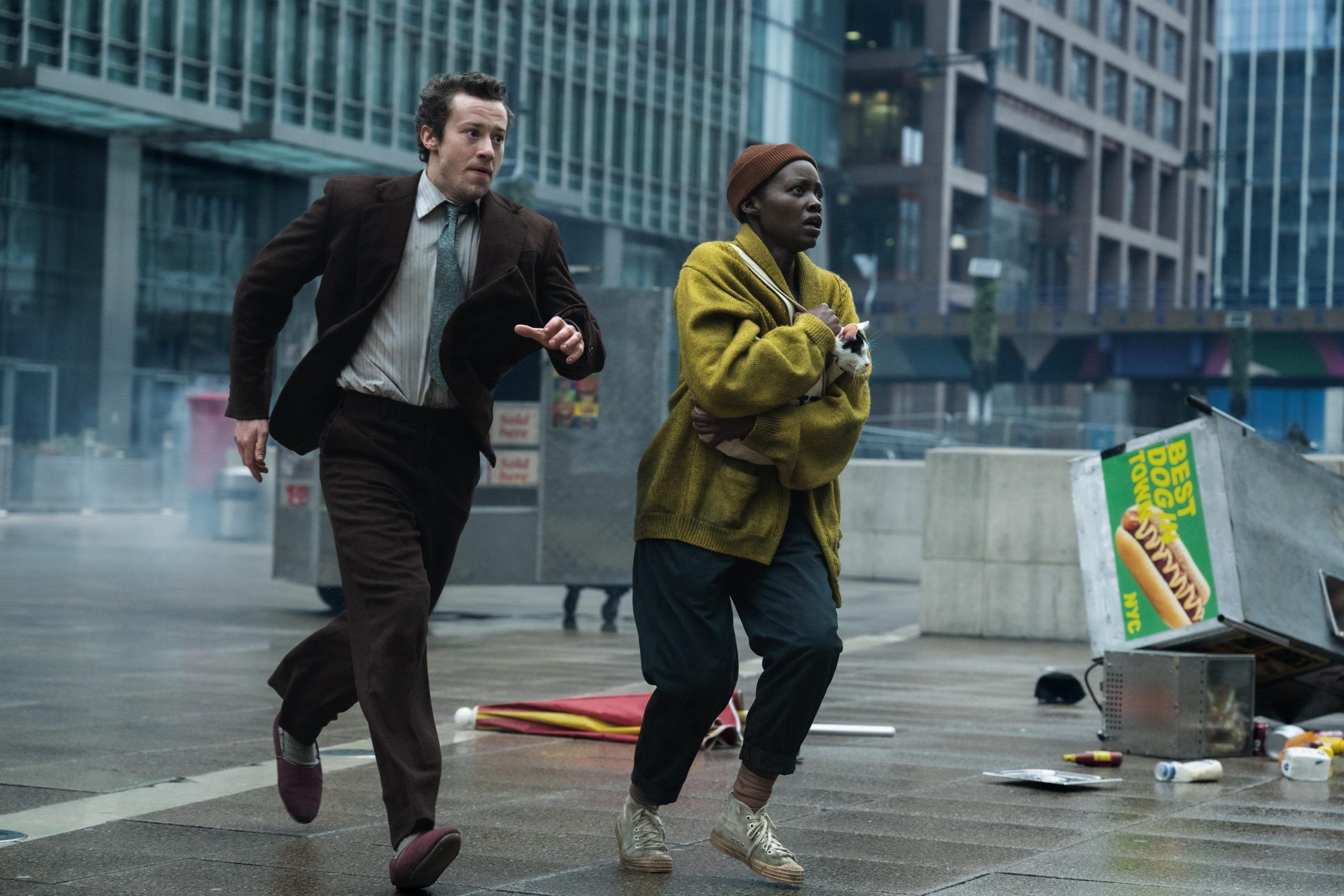
A Quiet Place: Day One expands the terrifying world of the alien invasion by taking the silence-or-die premise to the noisy, high-density environment of New York City. Behind the film's gripping narrative lies a complex web of technical feats, actor phobia transformations, massive set reconstructions built thousands of miles from Manhattan, and meticulous creature performance design.
Transforming Phobia into Partnership: Lupita Nyong'o and the Real Cats of Day One
One of the most surprising behind-the-scenes realities of A Quiet Place: Day One is that lead actor Lupita Nyong'o suffered from a severe phobia of cats prior to landing the role of Samira. In the film, Samira’s emotional anchor and constant companion throughout the apocalyptic fall of New York is a tuxedo cat named Frodo. When director Michael Sarnoski presented the script, Nyong'o loved the story but hesitated due to her deep-seated felinophobia, which made her freeze around cats.
To overcome this challenge, the production team arranged professional exposure therapy for Nyong'o before principal photography began. Animal handler Jo Vaughan introduced the actor to gentle cats in controlled environments over several weeks. Nyong'o gradually moved from observing cats across a room to letting them walk across her lap and eventually holding them comfortably. By the time cameras rolled on set in the United Kingdom, Nyong'o had formed a genuine bond with her animal co-stars, even deciding to adopt a cat of her own after production wrapped.
The character of Frodo was primarily played by two distinct animal actors named Nico and Schnitzel. Unlike many modern productions that rely heavily on computer-generated animals, Sarnoski insisted on using real cats for almost every scene to maintain emotional authenticity and grounded light interactions. The trainers used targeted reward systems, sound cues, and gentle physical guidance to prompt the cats to sit, walk through flooded subway lines, and remain calm despite chaotic, practical explosions happening on set.
- Production Challenge: Nyong'o Felinophobia
- Solution Implemented: Exposure Therapy
- On-Screen Result: Authentic Bond with Frodo
- Production Challenge: NYC Urban Destruction
- Solution Implemented: Leavesden Backlot Sets
- On-Screen Result: Tangible Practical World
- Production Challenge: Monster Interactions
- Solution Implemented: Suit Performers/Mo-Cap
- On-Screen Result: Eye-Line & Physical Weight
Recreating New York City in Hertfordshire: The Leavesden Backlot Feats
Although the film is set entirely in the bustling neighborhoods of Manhattan—primarily Chinatown, the East Village, and Harlem—the vast majority of A Quiet Place: Day One was filmed at Warner Bros. Studios Leavesden in Hertfordshire, England. Transporting an apocalyptic New York City to a UK backlot required one of the most elaborate exterior set builds in recent thriller cinema.
Led by production designer Simon Bowles, the art department constructed full-scale, multi-block practical street sets complete with realistic storefronts, paved roadways, subway entrances, and residential facades. Rather than relying on green screens to fill in background details, Bowles and his team built physical structures that could sustain actual destruction. Massive crane rigs dropped real debris, shattered vehicles, and tons of specialized non-toxic grey ash over the sets to simulate the aftermath of the initial meteor strikes and alien attacks.
The practical construction allowed the cast and crew to move seamlessly through environments without green-screen detachment. Key sequences—such as Samira and Eric navigating flooded subway tunnels—were executed in custom-built water tanks lined with real concrete textures and dynamic underwater lighting. Thousands of gallons of heated, filtered water were pumped into the sets to ensure safety and comfort for Nyong's and Joseph Quinn during grueling, multi-day water shoots.
Silent Chemistry: How Joseph Quinn and Lupita Nyong'o Crafted Dialogue-Free Acting
A Quiet Place: Day One relies heavily on physical storytelling. Because vocalizing loud sound invites immediate death from the blind extraterrestrial predators, actors Joseph Quinn (playing Eric, a panicked British law student) and Lupita Nyong'o had to communicate complex emotional shifts almost entirely through facial expressions, body language, and shared silence.
During pre-production rehearsals, Sarnoski, Nyong'o, and Quinn worked extensively on developing a non-verbal lexicon. Instead of relying on sign language—which their characters had no prior knowledge of—they focused on micro-expressions, breathing patterns, and eye contact. Quinn noted in production interviews that performing without heavy dialogue required stripping away theatrical habits and focusing entirely on immediate presence. The intimacy of their bond stems from this stripped-back approach, turning subtle gestures like sharing a piece of pizza or transferring a wet jacket into vital narrative milestones.
To maintain continuous immersion on set, Sarnoski kept director notes quiet and brief. Rather than shouting instructions between takes over loud speakers, the director walked directly up to the actors, whispering adjustments to keep the soundscape of the set focused and solemn. This controlled environment helped the performers remain in a state of high physical awareness throughout long filming days.
Key Behind-the-Scenes Production Blueprint
The following table summarizes the core production challenges, technical solutions, and practical elements utilized during the creation of A Quiet Place: Day One:
| Production Element | Creative / Technical Challenge | Realized Solution & Technique | Key Personnel / Cast Involved |
|---|---|---|---|
| Feline Performance | Actor felinophobia; unpredictable cat behavior on set. | Multi-week exposure therapy; utilization of two trained tuxedo cats (Nico & Schnitzel). | Lupita Nyong'o, Jo Vaughan (Animal Trainer) |
| Environment & Setting | Recreating ruined NYC on a UK film lot without heavy green screen. | Building multi-block practical sets at Warner Bros. Studios Leavesden. | Simon Bowles (Production Designer), Michael Sarnoski |
| Creature Interactions | Maintaining realistic eyelines and physical weight against CGI aliens. | Physical suit performers and stunt puppeteers acting out creature movements live. | Stunt Team, Visual Effects Crew |
| Flooded Subway Set | Executing dangerous, extended water sequences with high cast comfort. | Heated water tanks integrated into full-scale structural subterranean builds. | Lupita Nyong'o, Joseph Quinn, SFX Team |
| Acoustic Design | Balancing silence with urban sonic chaos during an active invasion. | Custom foliage/rubber floor pads to quiet crew movement; dynamic sound mixing. | Ian Voigt (Production Sound Mixer), Sound Department |
Physical FX and Motion-Capture Monsters: Bringing the Invasion to Life
While the terrifying creatures in A Quiet Place: Day One are finalized via digital visual effects, their presence on set was surprisingly physical. To give Nyong'o, Quinn, and Alex Wolff authentic reference points, the production employed dedicated stunt performers wearing high-contrast motion-capture suits and practical visual targets.
Instead of staring at isolated tennis balls on stands, the actors interacted with real human performers moving on all fours, leaping off elevated platforms, and charging down constructed corridors. The creature performers used custom arm extensions to replicate the terrifying, long-limbed stride of the aliens, allowing the actors to react to real physical mass and spatial momentum.
- Stunt Performers in Suit Rigs
- Live Actor Physical Interaction
- Digital CGI Overlay & Texturing
- Final Cinema Creature Integration
Furthermore, the sound team worked in tandem with practical visual effects. On set, specific crew members wore soft-soled shoes, and high-traffic areas of the set were padded with silent rubber mats hidden beneath dirt and dust. This acoustic precaution allowed production sound recordists to isolate the subtle breathing, heartbeats, and whispered dialogue of the cast without capturing extraneous crew footfalls.
Directorial Shift: Michael Sarnoski’s Character-Driven Vision
When John Krasinski stepped back from directing duties to hand the helm to Michael Sarnoski—who previously directed the acclaimed indie drama Pig—the franchise shifted its thematic focus. Krasinski and Sarnoski collaborated on the story, but Sarnoski brought a deeply quiet, poetic intimacy to what could have been a standard disaster movie.
Sarnoski approached the alien invasion not merely as a survival thriller, but as an existential study of mortality and human connection. He encouraged long, uninterrupted takes that let scenes breathe, allowing the tension to build naturally through environmental sound rather than rapid action-movie cuts. This choice required the camera operators to operate heavy IMAX-certified camera rigs on complex steady-cams, moving fluidly through narrow practical alleyways alongside the actors.
The director’s focus on raw character beats extended to the casting of Alex Wolff (Reuben) and Djimon Hounsou, who reprised his role as Henri from A Quiet Place Part II. Hounsou's presence bridged the narrative gap between the initial chaos in Manhattan and the island sanctuary communities shown in the main franchise storyline.
How to Explore Film Production Techniques in Modern Thrillers
- Study Practical vs. Digital Blends: Observe scenes where physical set pieces (e.g., real water, falling rubble) interact with computer-generated elements to see where practical lighting grounds digital CGI.
- Analyze Non-Verbal Acting: Watch key sequences with the volume muted to evaluate how facial framing, eye tracking, and body posture convey plot points without script dialogue.
- Examine Set Geography: Trace how practical backlot builds structure spatial movement, noting how wide shots transition smoothly into tight, physical interiors.
- Research Creature Sound Landscapes: Listen closely to acoustic shifts between quiet human spaces and high-decibel creature sequences using studio-grade headphones.
Frequently Asked Questions
Did Lupita Nyong'o really overcome her fear of cats for the movie?
Yes. Lupita Nyong'o suffered from felinophobia and underwent structured exposure therapy organized by animal handler Jo Vaughan before filming. Through gradual interaction, she comfortably performed all feline scenes and eventually adopted her own cat after production wrapped.
Was A Quiet Place: Day One actually filmed in New York City?
While set in New York City, the majority of the film was shot on custom-built sets at Warner Bros. Studios Leavesden in Hertfordshire, England. Production designer Simon Bowles reconstructed full Manhattan street blocks and flooded subway tunnels on the studio backlot.
Who played the cat Frodo in the movie?
Frodo was played primarily by two tuxedo cats named Nico and Schnitzel. The live cats were trained by Jo Vaughan using positive reinforcement cues to execute complex movements around practical action sets.
How were the creatures filmed on set for the actors to react to?
Stunt performers wearing motion-capture suits and using arm extensions performed live on set. This provided the actors with real physical eyelines, movement speeds, and spatial pressure before the digital visual effects were applied over the performers in post-production.
Is Djimon Hounsou playing the same character from A Quiet Place Part II?
Yes. Djimon Hounsou reprises his role as Henri, providing a direct narrative link between the initial invasion in New York City in Day One and the island community showcased in A Quiet Place Part II.
Further Insights into Action & Creature Production Craft
Understanding the intricate behind-the-scenes engineering of A Quiet Place: Day One offers valuable perspective on modern cinematic craft. The seamless blending of deep character work with practical backlot construction proves that even massive alien-invasion franchises thrive on real physical detail and emotional truth. Film enthusiasts interested in expanding their knowledge of production techniques should examine behind-the-scenes featurettes on physical prop construction, practical creature suits, and acoustic sound design in contemporary horror cinema.