In horoscope astrology, planets represent core psychological drives, archetypal energies, and dynamic forces within a natal chart. While zodiac signs dictate how an energy expresses itself and houses indicate where in life it manifests, the planets represent what is happening. Understanding their specific functions allows you to interpret your birth chart systematically.
The Core Framework: How Planets, Signs, and Houses Interact
To interpret an astrological chart effectively, you must understand the basic triad of western natal astrology: planets, signs, and houses. A common analogy used by astrologers frames this relationship as a theatrical production:
- Planets are the Actors: They represent specific urges, desires, and psychological functions within your personality.
- Zodiac Signs are the Costumes and Roles: They describe the tone, style, and behavioral qualities the actor adopts.
- Astrological Houses are the Stages: They denote the specific life areas—such as career, relationships, or home—where the action takes place.
For instance, if Mars (the planet of drive and aggression) is positioned in Cancer (an emotional, protective sign) within the Tenth House (the area of public standing and career), your drive expresses itself through protective, intuitive strategies within your professional life.
When analyzing a horoscope, planets are generally categorized into three groups based on their distance from the Sun and their speed of movement through the zodiac: personal planets, social planets, and outer (or transpersonal) planets.
The Personal Planets: Inner Drives and Daily Personality
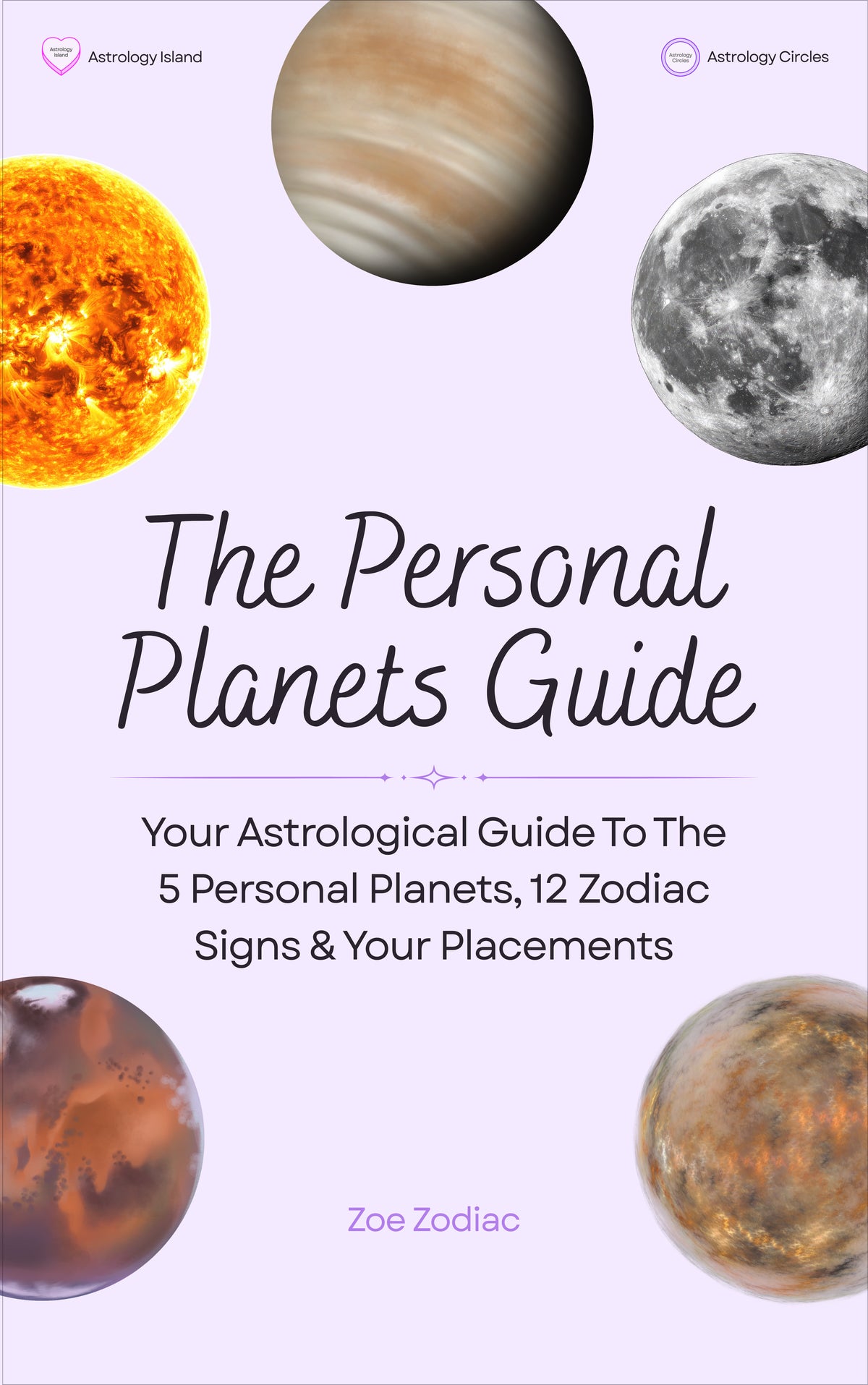
The personal planets move quickly through the zodiac. Because their positions change days or weeks apart, they define individual personality traits, basic temperaments, communication styles, and emotional responses.
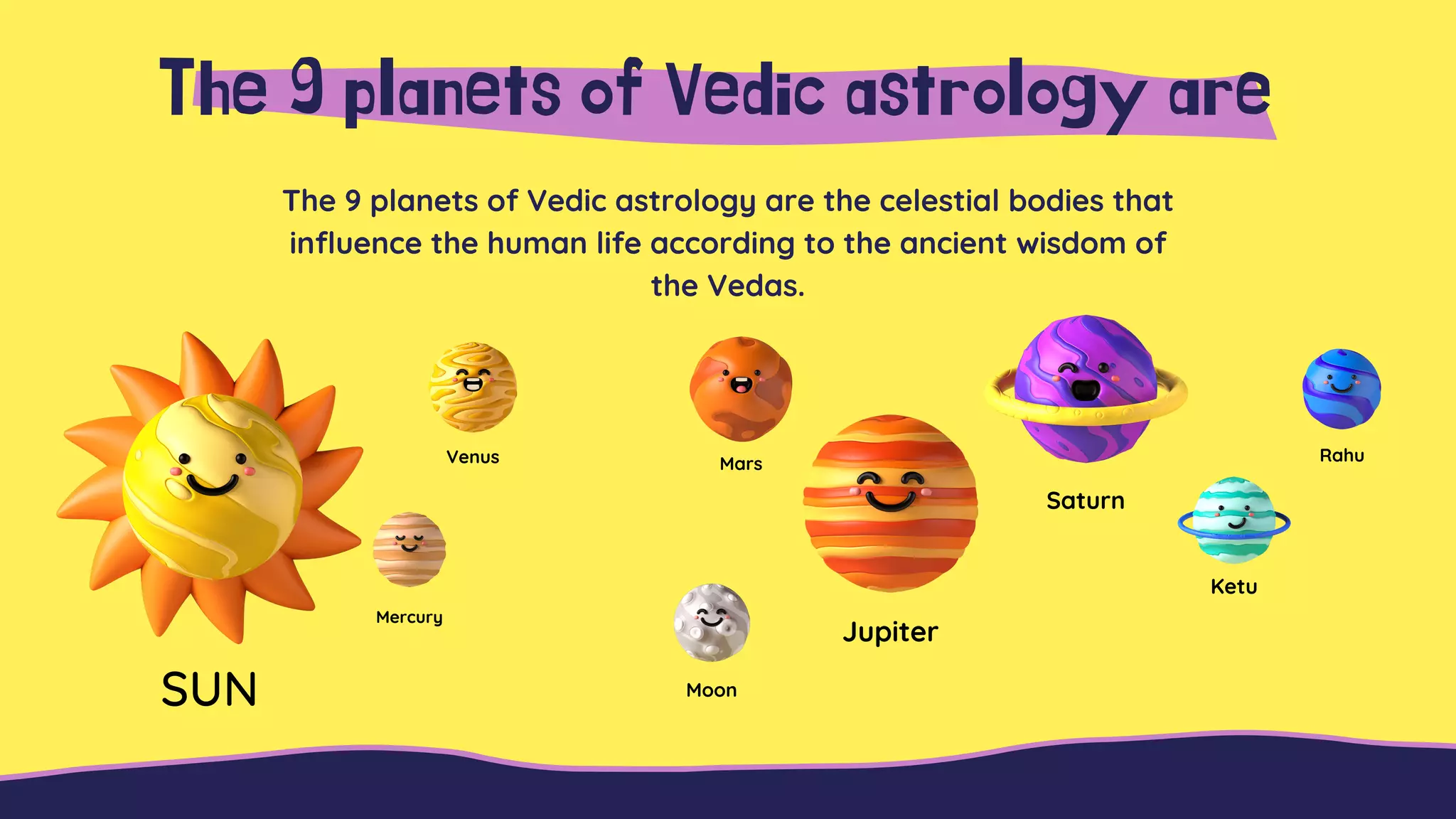
- PERSONAL PLANETS
- Sun (Identity)
- Moon (Emotions)
- Mercury (Intellect)
- Venus (Values/Love)
- Mars (Drive/Action)
The Sun: Core Identity and Life Purpose
The Sun represents your essential identity, ego, vitality, and primary conscious direction. It reflects what lights you up and where you seek self-actualization. In a chart, the Sun points to your core sense of self and the conscious effort required to build self-confidence over a lifetime.
The Moon: Emotional Instincts and Internal Needs
The Moon governs your unconscious processing, instinctive reactions, emotional patterns, and sense of safety. While the Sun shows your conscious outward intent, the Moon shows your internal private world, maternal conditioning, and baseline physical and emotional comfort needs.
Mercury: Perception, Learning, and Communication
Mercury dictates how you process information, structure thought patterns, articulate ideas, and handle logistics. It governs analytical thinking, speech, writing, and short-distance travel. The position of Mercury reveals whether your mind operates intuitively, logically, systematically, or abstractly.
Venus: Relational Values, Harmony, and Aesthetics
Venus governs attraction, values, social connections, romance, and artistic taste. Beyond romantic attraction, Venus indicates what you value in life, how you handle personal finances, and the mechanisms you use to create harmony, beauty, and social balance.
Mars: Action, Desire, and Assertiveness
Mars is the energy of initiative, physical drive, self-assertion, and survival instincts. It outlines how you pursue your desires, establish personal boundaries, handle conflict, and expend physical energy. Where Mars sits in your chart reveals your approach to taking risks and managing ambition.
The Social Planets: Growth, Structure, and Development
Positioned between the inner personal planets and the distant outer planets, Jupiter and Saturn act as bridges between individual psychology and broader societal dynamics. They describe how you assimilate into community structures, handle responsibility, and pursue personal growth.
- SOCIAL PLANETS
- Jupiter (Expansion & Belief)
- Saturn (Structure & Discipline)
Jupiter: Expansion, Philosophy, and Opportunity
Jupiter represents faith, higher learning, optimism, philosophy, and expansion. Known traditionally as the "Greater Benefic," Jupiter indicates where you naturally find luck, growth, and broader perspective. However, its expansive nature can also lead to overindulgence, excess, or ungrounded idealism if unchecked by realistic boundaries.
Saturn: Boundaries, Responsibility, and Mastery
Saturn governs structure, discipline, limitation, time, and long-term ambition. Traditionally termed the "Greater Malefic," Saturn marks areas where you may experience initial self-doubt, delay, or hardship. Over time, through sustained effort and discipline, Saturn's placement highlights where you can build enduring mastery, authority, and practical resilience.
The Transpersonal Outer Planets: Collective Dynamics and Transformation
Uranus, Neptune, and Pluto move very slowly through the zodiac, spending anywhere from seven to twenty-0ne years in a single sign. Because entire generations share the same outer planet sign placements, their placement by house and their aspects to inner personal planets reveal how broad generational themes affect your specific life journey.
- TRANSPERSONAL PLANETS
- Uranus (Innovation)
- Neptune (Illusion/Spirit)
- Pluto (Power)
Uranus: Innovation, Rebellion, and Awakenings
Discovered in 1781, Uranus represents sudden shifts, breakthrough innovations, individuality, and liberation from outdated structures. In a personal chart, Uranus indicates where you act unconventional, challenge status-quo expectations, or experience unexpected disruptions that catalyze personal growth.
Neptune: Dreams, Intuition, and Transcendence
Discovered in 1846, Neptune governs spirituality, imagination, ideals, artistic expression, and mystical experiences. On a psychological level, it dissolved boundaries between the self and the collective. Its challenging side involves escapism, confusion, projection, or difficulty maintaining practical reality.
Pluto: Transformation, Power, and Regeneration
Reclassified astronomically as a dwarf planet but retained in astrological practice, Pluto represents power dynamics, deep psychological integration, destruction, and rebirth. Pluto highlights where you encounter fundamental transformations, confront buried subconscious drives, and ultimately build deep personal strength through self-mastery.
Quick Reference Guide to Astrological Planets
The following table summarizes the core drives, classic rulerships, and functional definitions of each primary astrological body used in standard natal chart analysis:
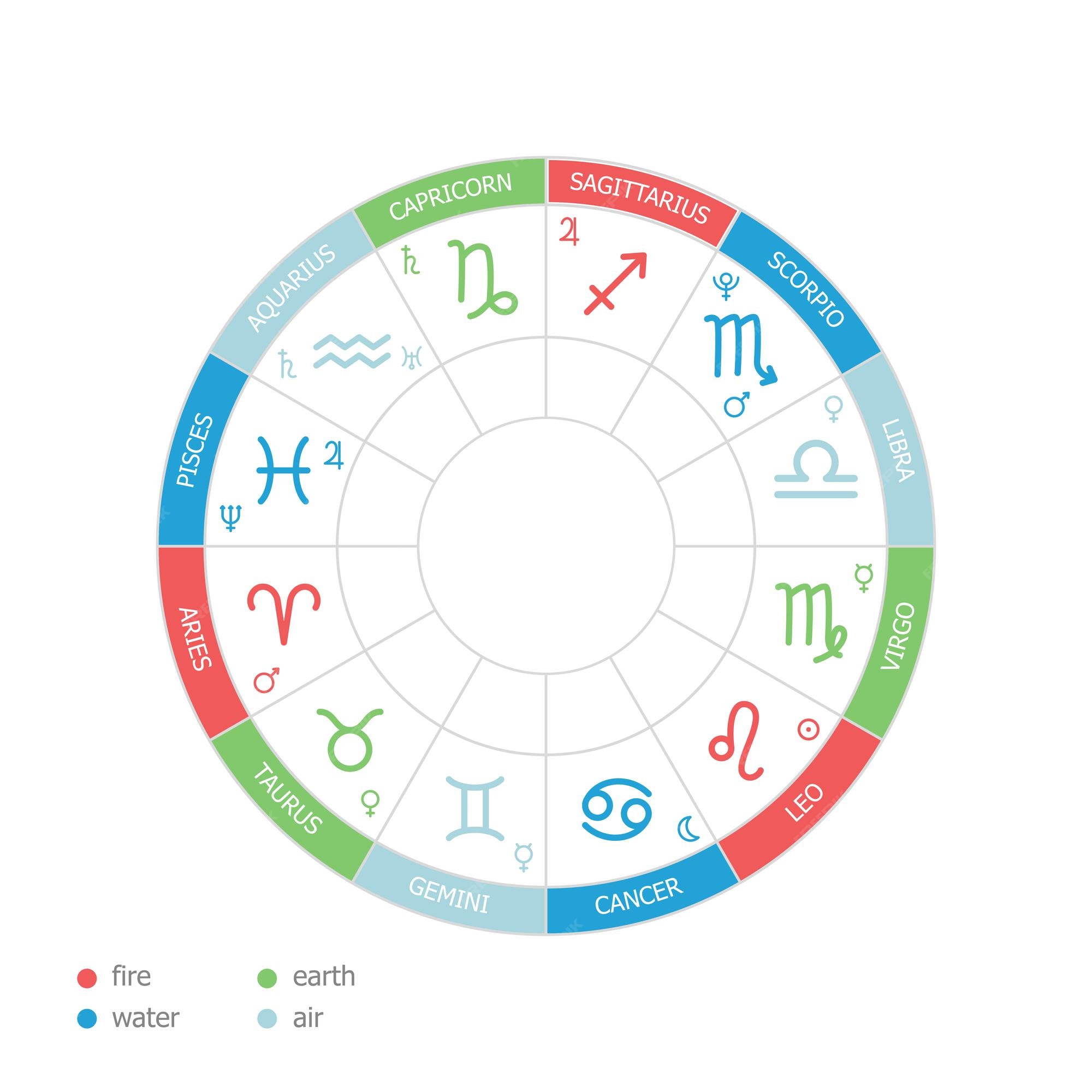
| Planet | Traditional / Modern Rulership | Primary Element / Archetype | Core Psychological Drive | Key Keywords |
|---|---|---|---|---|
| Sun | Leo | Fire / Conscious Ego | Self-expression, purpose, vitality | Identity, Willpower, Essence |
| Moon | Cancer | Water / Subconscious Self | Emotional security, nurturing, memory | Instinct, Feeling, Habit |
| Mercury | Gemini & Virgo | Air & Earth / Intellect | Communication, logic, perception | Mind, Logic, Processing |
| Venus | Taurus & Libra | Earth & Air / Relational | Value, connection, artistic expression | Harmony, Romance, Aesthetics |
| Mars | Aries (trad. Scorpio) | Fire / Warrior | Assertion, action, physical vitality | Drive, Ambition, Courage |
| Jupiter | Sagittarius (trad. Pisces) | Fire / Philosopher | Expansion, search for meaning, growth | Wisdom, Faith, Abundance |
| Saturn | Capricorn (trad. Aquarius) | Earth / Master Builder | Structure, boundaries, long-term mastery | Discipline, Limits, Duty |
| Uranus | Aquarius | Air / Innovator | Liberation, original insight, change | Breakthrough, Rebellion, Freedom |
| Neptune | Pisces | Water / Visionary | Idealism, spiritual union, imagination | Intuition, Illusion, Art |
| Pluto | Scorpio | Water / Alchemist | Power, shadow integration, renewal | Transformation, Rebirth, Depth |
Technical States: Retrogrades, Dignities, and Aspects
Understanding a planet's identity is only the first step. To interpret a horoscope accurately, you must also evaluate how effectively a planet can express its natural energy based on its mechanical state in the chart.
Essential Dignity and Debility
In classical astrology, planets express their energy more easily in certain signs than others:
- Domicile: A planet is in its home sign (e.g., Sun in Leo, Mars in Aries). Its energy flows naturally and authentically.
- Exaltation: A planet is in a sign where its qualities are elevated and honored (e.g., Moon in Taurus, Saturn in Libra).
- Detriment: A planet is in the sign opposite its domicile (e.g., Venus in Scorpio). Energy must be expressed through unconventional channels.
- Fall: A planet is in the sign opposite its exaltation (e.g., Sun in Libra). The planet requires conscious effort to operate effectively.
Planetary Retrograde Motion
An apparent backward motion from Earth's perspective, a retrograde period turns a planet's energy inward. For example, while direct Mercury governs outward verbal communication, Mercury retrograde in a birth chart suggests an internalized, reflective, or idiosyncratic mode of processing information.
Planetary Aspects
Planets do not operate in isolation; they converse with one another through geometric angles called aspects:
- Conjunction ($0^\circ$): Blends two planetary energies completely.
- Sextile ($60^\circ$) & Trine ($120^\circ$): Harmonious aspects that create easy flow, cooperation, and talent.
- Square ($90^\circ$) & Opposition ($180^\circ$): Dynamic aspects that generate productive tension, challenges, and catalyst for growth.
Step-by-Step Method to Interpret Planets in Your Birth Chart
To apply this practical framework to your own horoscope, follow a structured interpretation process rather than reading planetary positions as isolated snippets.
- Step 1: Identify Planet (What dynamic force is active?)
- Step 2: Determine Sign (How does it express itself?)
- Step 3: Locate House (Where in life does it occur?)
- Step 4: Analyze Aspects (How does it interact with others?)
- Step 3: Locate House (Where in life does it occur?)
- Step 2: Determine Sign (How does it express itself?)
- Isolate the Planet: Ask what psychological function is involved. (e.g., Saturn = structure, boundaries, discipline).
- Evaluate the Sign: Determine how that planet behaves based on its sign placement. (e.g., Saturn in Gemini = structuring thoughts, disciplined communication).
- Locate the House: Determine where in life this dynamic plays out. (e.g., Saturn in Gemini in the 3rd House = focused intellectual work in immediate local environments or early learning).
- Synthesize Aspects: Examine angles formed with other planets. If Saturn receives a square from Venus, financial or relational discipline may conflict with artistic or romantic desires, requiring deliberate balance.
- Evaluate Transits: Observe where current moving planets hit your chart to understand present-day timing, shifts, and developmental phases.
Frequently Asked Questions
What is the difference between a sign and a planet in astrology?
A planet represents a specific internal drive, psychological function, or energy (the what), whereas a zodiac sign represents the behavioral style, element, and tone through which that planet expresses itself (the how). For instance, Mars is the drive to act, while Aries is a direct, fast style of action.
Why do slow-moving outer planets matter if everyone my age has them in the same sign?
Because outer planets stay in a single sign for years, their sign position reflects collective generational trends. However, their house placement and specific geometric aspects to your fast-moving personal planets (Sun, Moon, Mercury, Venus, Mars) customize their effects specifically to your individual life experience.
Does a retrograde planet in a birth chart mean that area of life is cursed?
No. A retrograde planet simply indicates that the planet's archetypal energy operates internally rather than externally. People with natal retrogrades often possess deep self-reflection, unconventional perspectives, and specialized talents in that planet's domain once integrated.
Which planet is considered the most important in a horoscope?
While popular focus centers on the Sun sign, traditional astrology considers the Chart Ruler—the planet that governs the sign on your Ascendant (Rising Sign)—equally or more critical, as it shapes the physical path, overall orientation, and baseline trajectory of your life.
How do modern dwarf planets like Pluto or asteroids fit into planetary interpretation?
Modern Western astrology incorporates bodies like Pluto, Chiron, Ceres, and other minor planets to provide nuanced psychological layers. They are interpreted using the same basic principles as major planets: identifying their primary symbolic archetype, sign style, house placement, and aspect connections.
Advancing Your Birth Chart Analysis
Understanding planetary functions transforms astrology from passive reading into an active tool for self-awareness. Rather than viewing chart placements as static fate, treat them as dynamic internal mechanisms that you can actively manage.
To continue developing your astrological skills:
- Generate an accurate chart using your exact birth date, time, and location through reliable tools such as Astro.com or Astro-Seek.
- Locate your chart ruler (the planet governing your Ascendant sign) to identify your chart's overarching steering wheel.
- Track current real-time planetary transits against your natal chart to observe how external timing aligns with internal developmental cycles.