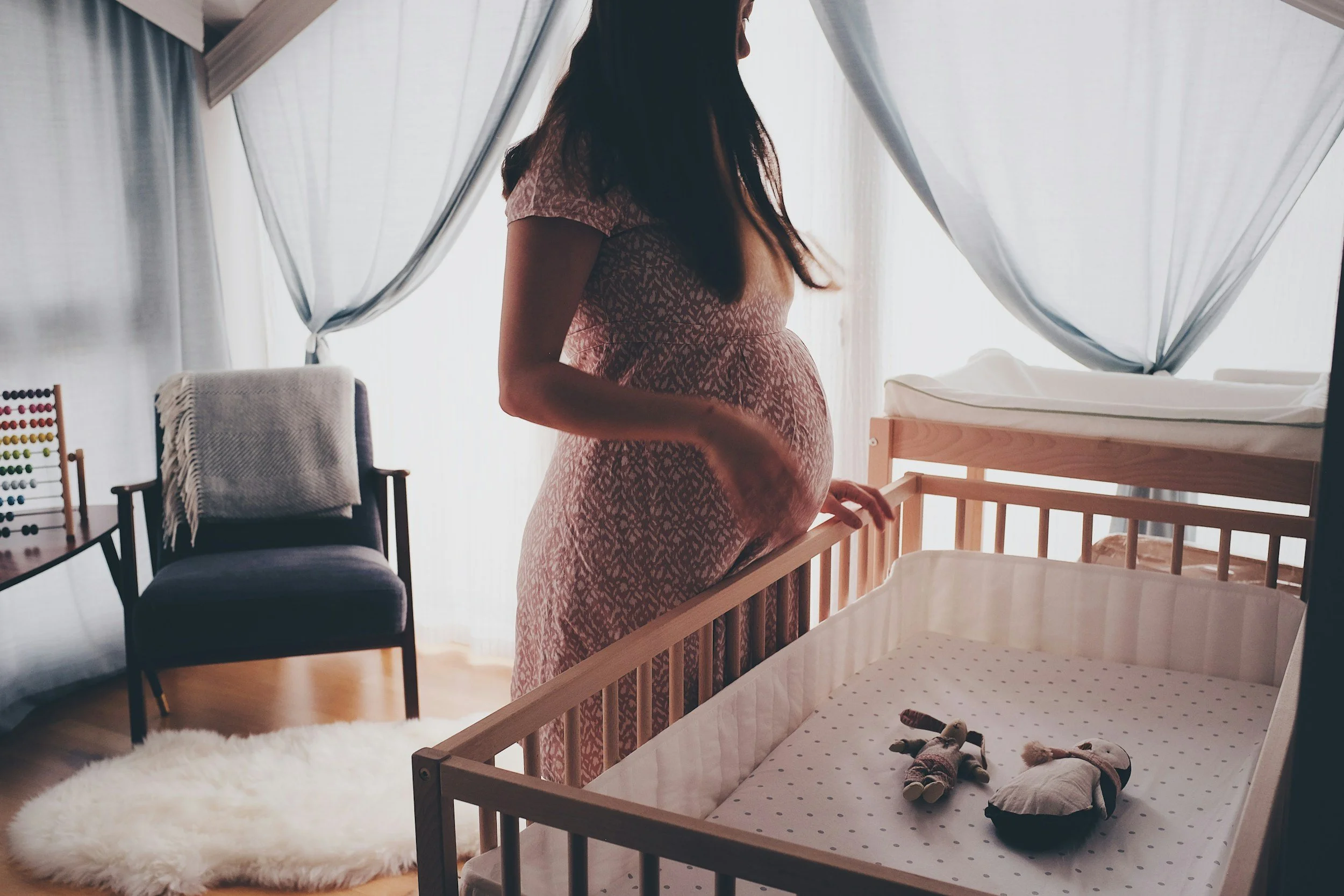
Navigating housing during pregnancy requires addressing both supported living programs and practical home modifications. For expectant mothers seeking shelter or transitional assistance, maternity homes and federal housing grants offer safe, low-cost options. Meanwhile, preparing a private home involves ergonomic adjustments, non-toxic environmental cleanup, and setting up an accessible recovery space for childbirth and infant care.
Understanding Maternity Homes and Supported Housing Options
Housing stability during pregnancy is directly linked to positive maternal and infant health outcomes. When secure housing is unavailable, specialized maternity homes and supportive residential programs bridge the gap. A maternity home is a group residential facility or dedicated transitional living environment designed specifically for expectant mothers facing financial hardship, homelessness, domestic instability, or a lack of familial support.
These homes provide more than just a bed; they offer comprehensive, structured care tailored to the physical and emotional demands of pregnancy. Residents typically receive continuous shelter throughout their pregnancy and for a designated period post-partum—often ranging from 3 to 24 months, depending on the program structure.
Core Services Offered in Supported Maternity Housing
- Prenatal and Postpartum Healthcare Access: On-site nursing staff or structured transportation to clinical appointments, ultrasound screenings, and pediatric care.
- Nutritional Support: Provision of balanced, pregnancy-safe meals and education regarding dietary needs during gestation and lactation.
- Parenting and Life Skills Training: Mandatory or optional workshops covering infant CPR, newborn care, financial literacy, and career building.
- Mental Health Services: Individual therapy, group counseling, and addiction recovery resources managed by licensed clinical professionals.
- Case Management and Housing Transitions: Support from dedicated social workers who assist mothers in securing long-term independent housing, applying for public benefits, and finding childcare.
In addition to traditional non-profit or faith-based maternity homes, public housing agencies and municipal programs offer rapid re-housing initiatives specifically prioritizing pregnant individuals. Emergency shelters and transitional housing networks work closely with local maternal-child health organizations to prioritize pregnant women, ensuring they are placed in environments that are clean, smoke-free, and equipped for prenatal care.
Disclaimer: Housing regulations, program availability, and eligibility criteria vary by jurisdiction and organization. Expectant mothers should consult local social services, public housing authorities, or qualified healthcare providers for specific legal and medical guidance.
Key Financial Assistance and Government Housing Programs
Securing stable housing during pregnancy often involves leveraging public benefit programs designed to prevent family separation and promote maternal stability. Government agencies recognize pregnancy as a critical intervention window, offering priority placement or dedicated funding streams for eligible applicants.
- Emergency Assessment: Contact 211 / Local Housing Authority
- Benefit Qualification: Enroll in WIC, Medicaid, and Housing Vouchers
- Supportive Placement: Transition to Maternity Home or Subsidized Rental
- Postpartum Continuity: Long-term Independent Housing & Home Visiting Support
Federal Housing Subsidies and Vouchers
The U.S. Department of Housing and Urban Development (HUD) administers several programs that benefit pregnant mothers:
- Housing Choice Voucher Program (Section 8): Tenants pay approximately 30% of their adjusted monthly income toward rent in commercially leased apartments, with HUD subsidizing the remainder. Pregnant individuals may qualify for household size adjustments that increase voucher bedroom allocations depending on local public housing authority (PHA) policies.
- Emergency Solutions Grants (ESG): These grants fund street outreach, emergency shelter operations, homelessness prevention, and rapid re-housing. Pregnant women fleeing unsafe living conditions or facing imminent eviction often meet priority access standards under ESG guidelines.
- Continuum of Care (CoC) Program: CoC programs coordinate community-wide responses to housing crises. Many CoC providers operate specialized units for pregnant and parenting youth (ages 18–24) and single mothers.
Maternal and Infant Health Support Programs
Beyond rental vouchers, targeted maternal health initiatives link housing support with clinical oversight. The Maternal, Infant, and Early Childhood Home Visiting (MIECHV) Program, overseen by the Health Resources and Services Administration (HRSA), funds nurse home visits for low-income pregnant women. Home visitors evaluate the living environment for physical hazards, assist with emergency housing referrals, and deliver essential baby care supplies directly to the home.
To access these programs, applicants generally must provide proof of pregnancy (a certified letter from an OB-GYN or licensed midwife), government-issued identification, proof of income or lack thereof, and documentation of current housing status.
Comparing Housing Options for Expectant Mothers
Selecting the right living environment depends on safety requirements, financial resources, independence levels, and available support networks. The table below outlines the core characteristics of primary housing models available to pregnant mothers.
| Housing Option | Best Suited For | Key Services & Benefits | Average Cost to Resident | Typical Requirements |
|---|---|---|---|---|
| Maternity Homes | Unhoused expectant mothers or those in crisis needing intense support. | Full room/board, healthcare coordination, counseling, parenting classes. | Free or sliding-scale based on income. | Proof of pregnancy, adherence to house rules, participation in programming. |
| HUD Public Housing / Vouchers | Low-income pregnant women seeking independent, long-term housing. | Rent subsidies tailored to income, legal lease protection, stable long-term tenure. | ~30% of adjusted gross monthly income. | Income eligibility limits, background checks, federal status criteria. |
| Transitional Living Programs | Young mothers (18–24) transitioning out of foster care or instability. | Supervised apartment living, career coaching, child care assistance. | Subsidized or low monthly program fees. | Age limits, commitment to work/educational goals. |
| Private Home Adaptation | Homeowners or renters with stable housing preparing for a baby. | Environmental safety control, customized ergonomics, family proximity. | Market rental/mortgage costs + setup expenses. | Lease agreement or homeownership; budget for safety upgrades. |
Preparing a Private Home: Environmental Safety and Ergonomics
For mothers who already have secure housing, preparing the residence involves identifying physical and environmental hazards that pose risks during pregnancy and postpartum recovery. As physical mobility changes throughout the second and third trimesters, home ergonomics and indoor environmental quality become paramount.
Indoor Environmental Quality Audit:
- Toxic Elimination
- Lead remediation
- Low/Zero-VOC paints
- Organic cleaners
- Air & Water Quality
- HEPA filtration
- Certified water filters
- Mold inspection
- Slip & Fall Prep
- Stair handrails
- Bathroom grab bars
- Improved lumen lighting
Eliminating Indoor Environmental Toxins
Unborn children are especially vulnerable to airborne chemicals and toxins present in residential structures. Completing environmental remediations early in pregnancy minimizes chemical exposure:
- Lead Paint Mitigation: In homes constructed prior to 1978, chipped or peeling paint may contain lead. Pregnant women must never undertake lead paint scraping or sanding themselves, as lead dust ingestion or inhalation can cause severe developmental deficits. Hire certified lead abatement professionals to inspect and remediate affected surfaces.
- Volatile Organic Compounds (VOCs): When painting a nursery or refreshing living spaces, choose paints labeled zero-VOC or low-VOC. Ensure spaces are fully ventilated during and after painting, and complete all wall treatment projects at least six weeks before the expected due date to allow off-gassing.
- Chemical Cleaning Products: Replace harsh chemical cleaners containing phthalates, ammonia, or bleach with plant-based alternatives or basic solutions like distilled white vinegar and baking soda. Avoid synthetic air fresheners, plug-in fragrances, and aerosol sprays, which release volatile organic chemicals into indoor air.
- Mold Remediation: Damp environments host mold spores that aggravate maternal respiratory systems and cause allergies. Fix leaks under sinks, inspect HVAC drip pans, clean bathroom tiles, and use dehumidifiers to keep indoor relative humidity below 50%.
Fall Prevention and Ergonomic Layouts
Progesterone and relaxin hormones loosen ligaments during pregnancy, shifting the body's center of gravity and increasing the risk of falls. Simple structural adjustments prevent slips and lessen physical strain:
- Clear Walking Paths: Remove throw rugs, secure loose carpet edges with double-sided rug tape, and tuck away electrical cords along hallways and main walkways.
- Enhanced Bathroom Safety: Install non-slip rubber mats inside bathtubs and showers. Consider adding sturdy grab bars rated for weight support near toilets and shower enclosures to help as balance changes in the third trimester.
- Lighting Upgrades: Upgrade light bulbs in hallways, staircases, and nightstands to high-lumen, warm LED lights. Install motion-activated nightlights along pathways between the primary bedroom and the bathroom.
- Ergonomic Furniture Heights: Adjust bed heights so the mother can touch her feet flat on the floor while sitting on the edge of the mattress. Use supportive armchairs with firm seat cushions and lumbar pillows rather than low, deep sofas that are difficult to stand up from comfortably.
Designing a Postpartum-Ready Recovery Zone
The weeks immediately following delivery—often referred to as the "fourth trimester"—require a home layout that prioritizes rest, physical healing, and convenient newborn care. Navigating stairs while recovering from a vaginal delivery or a Cesarean section (C-section) can be painful and physically dangerous.
Setting Up a Single-Floor Living Concept
If the home has multiple stories, establish a primary recovery zone on the ground level for the first 2 to 3 weeks postpartum to minimize stair climbing:
- Centralized Sleeping and Resting Station: Place a comfortable daybed, recliner, or bed on the main floor equipped with supporting pillows to assist with side-sleeping or upright nursing/feeding positions.
- Portable Infant Station: Position a safety-certified bassinet that meets current safety standards outlined by the Consumer Product Safety Commission (CPSC) adjacent to the mother's rest area.
- Mobile Supply Carts: Set up a rolling utility cart containing essential supplies:
- For Mom: Perineal care items, heavy-duty postpartum pads, prescribed pain medications, nipple ointments, large water tumblers, and high-protein snacks.
- For Baby: Diapers, wipes, diaper cream, extra onesies, swaddles, burp cloths, and formula or pumping accessories.
Indoor Air Quality and Climate Control
Infants cannot regulate their body temperature effectively, and maternal postpartum hormone shifts often lead to night sweats and temperature sensitivity. Keep indoor temperatures between 68°F and 72°F (20°C to 22°C). Utilize portable HEPA air purifiers in the primary sleeping space to filter out fine dust, pet dander, pollen, and airborne pathogens.
Step-by-Step Checklist for Securing Housing and Home Preparation
Preparing for a baby involves systematic planning across different stages of pregnancy. Follow this timeline to ensure both structural safety and housing security before the due date.
- First Trimester: Housing assessment, public benefit applications, lead testing
- Second Trimester: Non-toxic painting, deep cleaning, grab bar/stair safety
- Third Trimester: Single-floor setup, bassinet assembly, emergency protocols
First Trimester (Weeks 1–12): Assessment and Subsidies
- Verify housing security. If facing eviction or unstable shelter, contact local 211 services or maternity home networks immediately.
- File applications for public housing vouchers, ESG assistance, or WIC/Medicaid support to establish priority placement early.
- Test older homes (pre-1978) for lead-based paint hazards before starting any renovations.
- Check home carbon monoxide detectors and smoke alarms; replace batteries in all units.
Second Trimester (Weeks 13–27): Environmental Upgrades and Repairs
- Complete structural painting using zero-VOC paints; ensure windows remain open for cross-ventilation.
- Repair plumbing leaks, clean bath exhaust fans, and remediate any visible mold.
- Secure loose handrails on staircases and install anti-slip strips on uncarpeted wooden steps.
- Remove dangerous household chemicals, pesticide sprays, and heavy cleaning compounds from low cabinets.
- Inspect HVAC filters and replace them with MERV 11 or higher rated filters to optimize air filtration.
Third Trimester (Weeks 28–40): Recovery Setup and Final Details
- Assemble the CPSC-compliant bassinet or crib following all manufacturer assembly instructions.
- Establish the ground-floor postpartum recovery area if living in a multi-story home.
- Stock mobile supply carts with postpartum hygiene items, diapering supplies, and hydration supplies.
- Secure major furniture pieces (dressers, bookshelves, TV stands) to wall studs using anti-tip anchor straps.
- Deep-clean carpets and rugs using non-toxic hot-water extraction methods without harsh chemical detergents.
Frequently Asked Questions
What is the difference between a maternity home and a general homeless shelter?
A maternity home is a specialized residential facility specifically designed for expectant mothers and new infants, offering targeted medical coordination, nutrition, parenting education, and continuous postpartum care. General homeless shelters accommodate broad populations, often operate on a night-by-night emergency stay basis, and typically lack specialized prenatal health resources or private spaces for newborn care.
How soon in pregnancy should an expectant mother apply for housing assistance?
Expectant mothers should apply for housing assistance as early as possible in their first trimester. Waitlists for HUD vouchers, public housing, and specialized maternity homes can range from a few weeks to several months depending on regional demand. Prompt application with a confirmed doctor's note verifying pregnancy ensures maximum priority placement.
Are maternity homes free of charge for expectant mothers?
Most non-profit, charitable, and public maternity homes offer services free of charge or on a sliding-scale fee based on the resident's income. Many facilities assist residents in applying for state benefits (such as TANF, Medicaid, or SNAP) to help cover living and medical expenses while in the program.
What environmental toxins pose the highest risk in a home during pregnancy?
The most hazardous indoor toxins during pregnancy include lead dust (from pre-1978 paint), volatile organic compounds (VOCs found in traditional paints, varnish, and synthetic carpet adhesives), mold spores, carbon monoxide, and endocrine-disrupting chemicals found in harsh pesticide sprays and synthetic cleaning agents.
Can non-citizens or undocumented pregnant women access maternity housing assistance?
While federal HUD vouchers have specific legal status requirements, many non-profit maternity homes, community health centers, Emergency Solutions Grants (ESG) shelter services, and state-funded maternal health outreach programs provide shelter and healthcare assistance regardless of immigration status.
Practical Next Steps for Expectant Mothers and Families
Creating a secure, healthy physical environment for pregnancy and early parenthood requires taking organized, manageable steps. If you are experiencing housing instability, your immediate priority should be contacting local support networks. Call 211 (in the United States and Canada) or visit local maternal-child health clinics to connect with dedicated social workers who can locate available maternity beds and file emergency voucher applications.
If your housing is stable, focus your energy on an environmental and ergonomic audit of your current space. Begin by clearing pathways, replacing household cleaners with non-toxic alternatives, and completing wall treatments or renovations well before your third trimester. Establishing your postpartum recovery zone on the main floor of your home by week 34 ensures that when your baby arrives, your environment supports immediate healing, physical rest, and safe infant care.