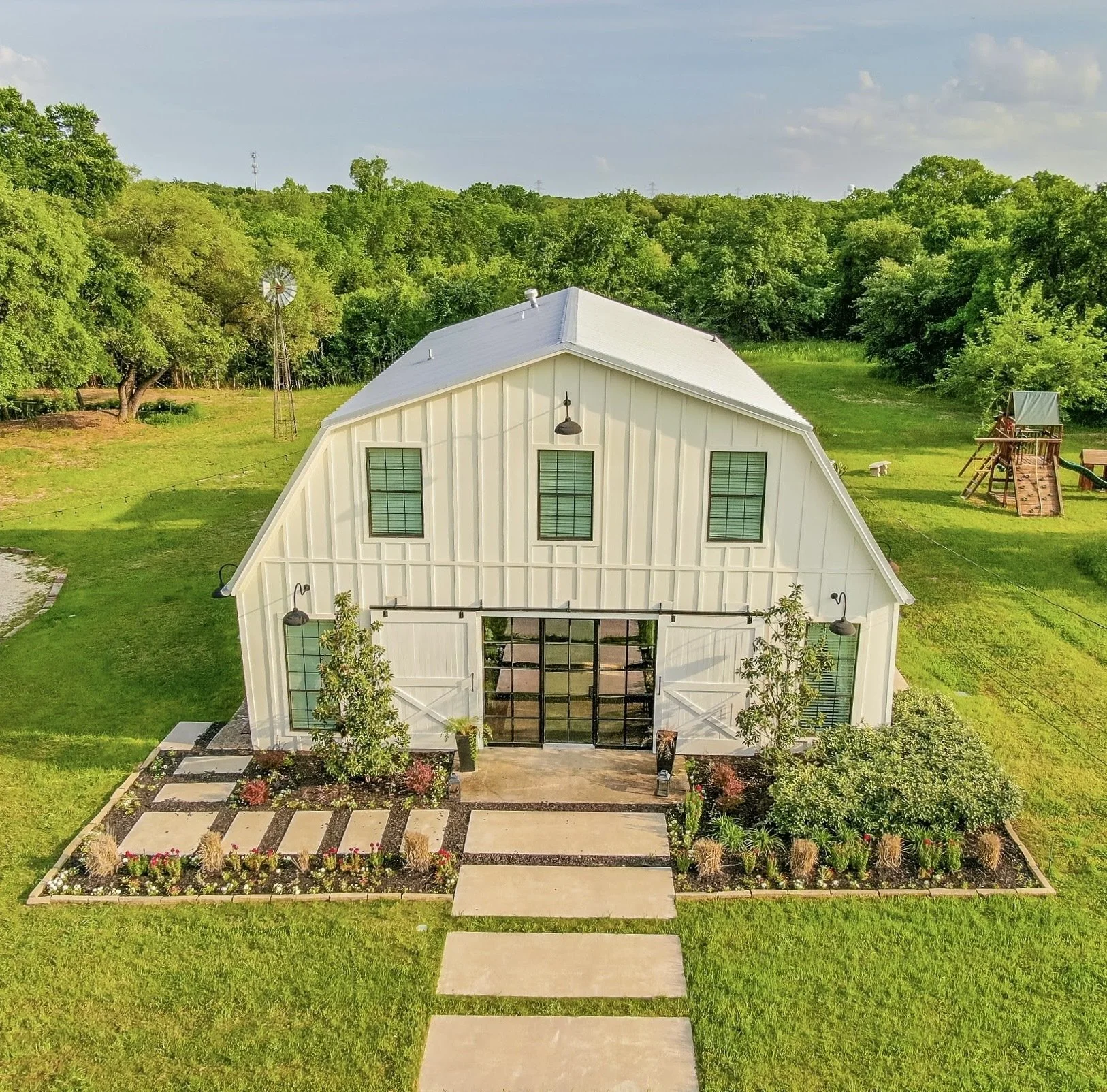
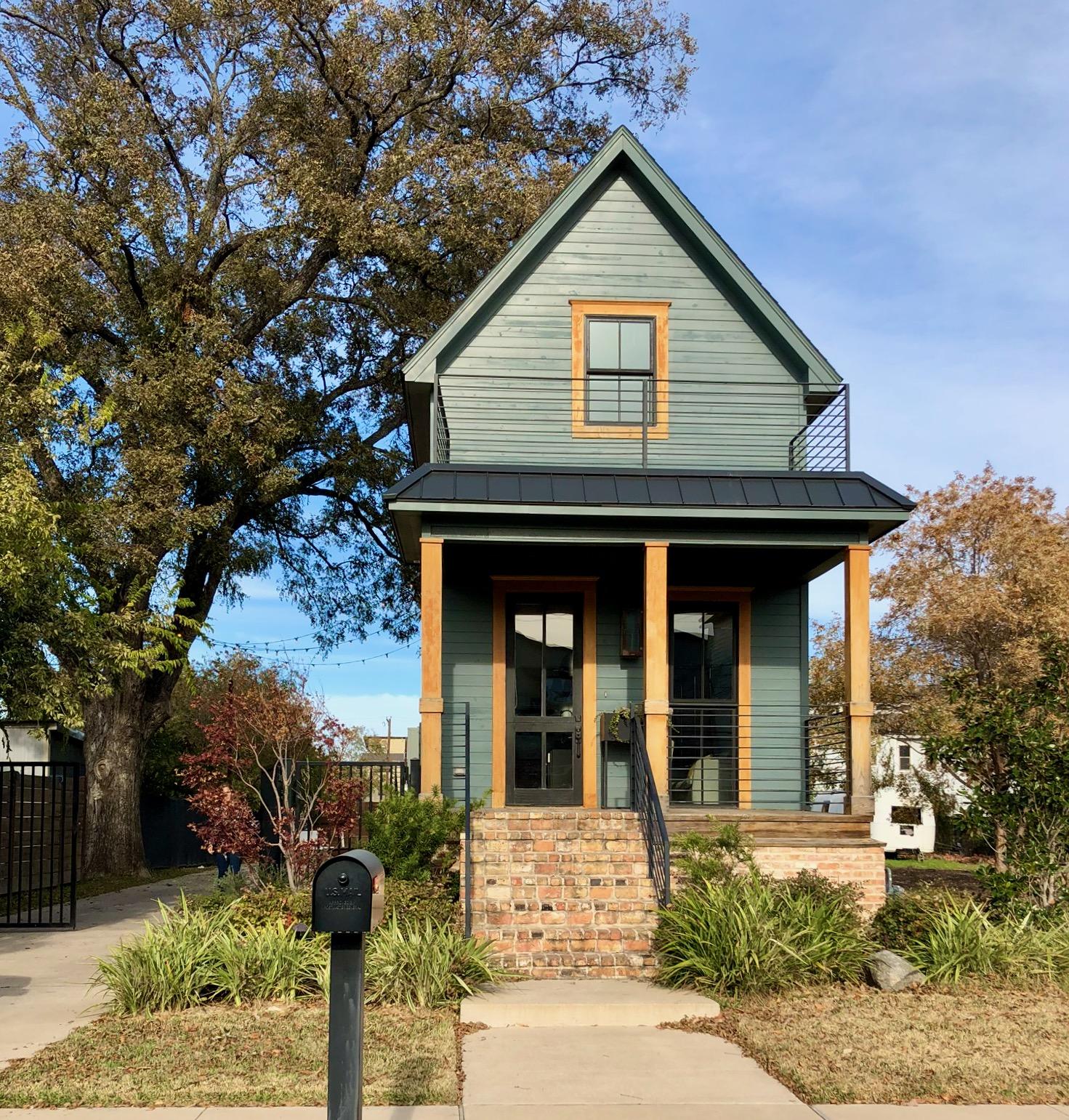
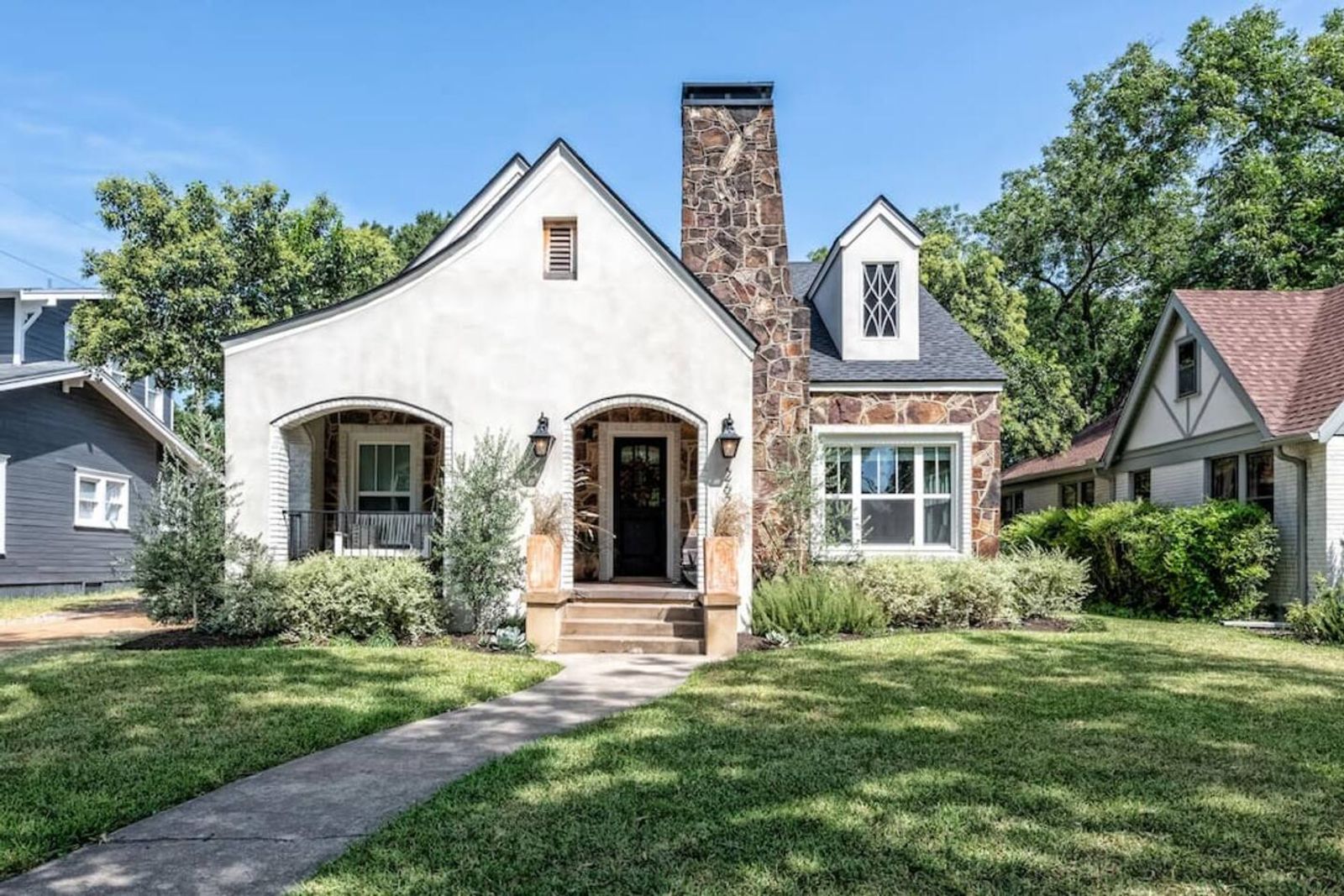
Buying a fixer-upper home in Waco, Texas requires evaluating local neighborhood dynamics, assessing foundation stability on Central Texas clay soils, and navigating municipal permitting rules. Success relies on balancing realistic renovation costs—typically ranging from $50 to over $150 per square foot—with smart financing options like FHA 203(k) loans and adhering to historic district guidelines where applicable.
The Waco Fixer-Upper Landscape: Market Realities and Opportunity
The real estate market in Waco, Texas, experienced an unprecedented surge over the past decade, largely fueled by media exposure, rapid municipal growth, and an influx of out-of-state buyers seeking affordable housing in the Texas Triangle. While the initial wave of speculative buying has normalized into a stable market, fixer-upper properties remain an attractive pathway for prospective homeowners and real estate investors looking to build equity.
Renovating a property in Waco is distinct from doing so in large metroplexes like Dallas or Austin. Local labor networks, specific municipal zoning laws, and local climate patterns directly influence project timelines and budgets. Older homes built between the 1900s and 1960s dominate the historical core of the city, offering architectural character such as Craftsman bungalows, Tudor revivals, and mid-century ranch homes. However, these structures often require comprehensive updates to electrical, plumbing, and structural systems to meet modern building standards.
Before placing an offer, buyers must understand that the target home's purchase price represents only the initial capital expenditure. In Waco’s evolving housing environment, balancing acquisition cost against true scope of work determines whether a project yields substantial equity or becomes a financial strain.
Evaluating Waco Neighborhoods for Renovation Potential
Location dictates both the ceiling for potential resale value and the daily living experience during a project. Waco features distinct micro-markets, each with varying architectural styles, median home ages, and municipal oversight.
WACO FIXER-UPPER NEIGHBORHOOD SPECTRUM
| HISTORIC CORE (Austin Ave, Castle Heights) | MID-CENTURY (Dean Highland, Brookview) | EMERGING IN-FILL (East Waco, Elm Ave Corridor) |
|---|---|---|
| High Character | Moderate Scope | High Equity Scope |
| Historic Overlay | Standard Zoning | Emerging Infra |
| Higher Entry Cost | Mid-Range Entry | Lower Entry Cost |
Historic Core: Austin Avenue, Castle Heights, and Sanger Heights
The historical heart of Waco offers some of the city's most architecturally significant housing stock.
- Austin Avenue and Castle Heights: Known for grand early-20th-century estates, broad streets, and mature tree canopies. Homes here feature high ceilings, original hardwood floors, and intricate millwork. Renovation projects in these areas frequently involve restoring period-correct details while modernizing mechanical systems. Property values in these historic corridors remain resilient, but initial purchase prices are higher, and strict historic preservation guidelines often apply.
- Sanger Heights: Offers a mix of early Craftsman bungalows and modest wood-frame cottages. Sanger Heights has seen widespread revitalization over the last decade, making it popular for moderate-budget fixer-uppers. Common restoration needs include leveling pier-and-beam foundations, replacing outdated knob-and-tube wiring, and completely updating small, outdated kitchens and bathrooms.
Emerging & Value Areas: East Waco, Dean Highland, and Brookview
Investors and live-in buyers seeking lower entry costs frequently look to emerging neighborhoods or established mid-century developments.
- East Waco: Located across the Brazos River from downtown, East Waco features rich historical roots and substantial ongoing economic investment. The neighborhood offers modest historic homes alongside vacant lots ideal for urban infill. Fixer-uppers here often present significant equity potential, but buyers must evaluate utility infrastructure, sewer connections, and street-level drainage during due diligence.
- Dean Highland and Brookview: These central neighborhoods are characterized by solid mid-century brick ranch homes built between the 1940s and 1960s. These properties typically feature single-slab foundations, lower roof pitches, and functionally simple floor plans. Renovation in these neighborhoods generally focuses on cosmetic updating, removing interior non-load-bearing walls to create open floor plans, updating copper or galvanized steel plumbing, and modernizing HVAC systems.
Critical Property Inspection Factors in Central Texas
Renovating an older home in McLennan County requires specialized inspections that go beyond standard home buyer checklists. Central Texas environmental and geologic conditions present structural challenges that must be evaluated early.
Soil Conditions and Foundation Integrity
The single most critical structural element to inspect in Waco is the foundation. Waco sits on expansive clay soil, commonly referred to as "Waco black clay." This soil type expands significantly when wet and contracts when dry, creating severe movement in residential foundations.
- Pier-and-Beam Foundations: Common in pre-1950s homes. Symptoms of movement include sloping floors, sticking doors, and exterior wood trim separation. Fortunately, pier-and-beam foundations are relatively straightforward to adjust or level using concrete blocks, steel shims, and new wooden beams. Budget $4,000 to $12,000 for standard leveling, though complete beam replacement increases costs.
- Concrete Slab Foundations: Prevalent in mid-century homes. Cracks wider than 1/4 inch, diagonal drywall cracking near window frames, and uneven floor surfaces suggest structural displacement. Slab repairs require hydraulic press piers or steel piers driven into the bedrock under the slab, costing between $350 and $600 per pier.
Aging Infrastructure: Plumbing, Electrical, and Roofing
Older Waco homes frequently retain infrastructure components that have reached the end of their functional lifespan:
- Plumbing Systems: Homes built before 1970 often rely on cast iron or galvanized iron drain pipes. Over time, cast iron corrodes internally, leading to roots entering the line, bottom-out channel erosion, and chronic backups. A sewer scope video inspection is mandatory. Replacing sub-slab cast iron lines with PVC can cost from $8,000 to over $20,000 depending on floor demolition needs.
- Electrical Wiring: Pre-1950s homes may still contain active knob-and-tube wiring or ungrounded two-wire branch circuits. 1960s and 1970s homes occasionally feature aluminum wiring, which presents a documented fire hazard if uncorrected. Replacing an outdated 60-amp or 100-amp main panel with a modern 200-amp service panel usually costs $2,500 to $4,500, while complete home rewiring can range from $8,000 to $18,000.
- Roofing and Attic Ventilation: Central Texas experiences severe summer heat, high humidity, and intense thunderstorm cycles. Inspect timber roof decking for moisture rot and verify that attic space maintains proper soffit-to-ridge ventilation. Replacing a standard architectural shingle roof ranges from $7,000 to $15,000 depending on square footage and pitch.
Historic Preservation and Design Rules
Properties located within designated municipal historic districts or possessing individual historic landmark status must comply with exterior design guidelines. Before altering windows, siding, porches, or rooflines, consult the City of Waco Historic Landmark Preservation Commission (HLPC). Replacing original wood-sash windows with modern vinyl windows may be restricted or prohibited in designated districts, requiring custom wooden window restoration instead.
Financing Options for Waco Fixer-Uppers
Securing financing for a house in disrepair requires specialized loan products, as standard conventional mortgages typically demand that a home meet basic habitability requirements (working heat, functional kitchen, intact roof, and secure foundation).
FINANCING SELECTION MATRIX
- Live-In Owner
- FHA 203(k) (Low Down) (Strict)
- Fannie Mae HomeStyle (Flexible)
- Investor / Flipper
- Hard Money (Fast Close) (High Rates)
- Private Equity / Cash Reserve (Low Cost)
- Live-In Owner
FHA 203(k) Rehabilitation Loan: Sponsored by the Federal Housing Administration, this program bundles the purchase price and renovation costs into a single long-term, fixed-rate mortgage. The Limited 203(k) covers cosmetic upgrades up to specified limits without major structural work, while the Standard 203(k) covers major structural modifications. Requires a minimum 3.5% down payment, but contractors must be pre-approved, and paperwork requirements are extensive.
Fannie Mae HomeStyle Renovation Loan: A conventional loan alternative allowing buyers to finance improvements up to 75% of the property's anticipated post-renovation appraised value. It provides more flexibility for luxury upgrades or non-essential features (such as in-ground pools or detached workshops) that FHA loans restrict.
Hard Money and Private Lending: Typically utilized by real estate investors planning to purchase, renovate, and sell (flip) within a short window (6 to 18 months). These short-term loans carry higher interest rates (often 9% to 14%) and origination fees but close quickly without standard government habitability appraisals.
Cash and Home Equity Lines of Credit (HELOC): Buyers with existing home equity can leverage a HELOC to finance updates on a secondary property, maintaining flexibility without the strict oversight of bank-managed renovation draws.
Comparing Waco Neighborhood Renovation Profiles
The table below outlines typical architectural styles, foundational profiles, scope of work, and baseline budget expectations across key Waco housing sub-markets.
| Neighborhood / District | Predominant Era | Typical Foundation | Common Major Repairs | Estimated Scope Cost Range (per sq ft) |
|---|---|---|---|---|
| Castle Heights | 1920s–1940s | Pier & Beam / Hybrid | Custom window restoration, electrical overhaul, historic exterior compliance | $100 – $180+ |
| Sanger Heights | 1910s–1930s | Pier & Beam | House leveling, sub-floor repair, original plumbing replacement | $75 – $140 |
| Dean Highland | 1940s–1960s | Concrete Slab | Open-concept wall removals, HVAC updates, plumbing line re-routes | $50 – $110 |
| East Waco | 1920s–1950s | Pier & Beam / Slab | Complete mechanical overhauls, exterior siding replacement, roof decking | $60 – $130 |
| Brookview | 1950s–1970s | Concrete Slab | Cosmetic updates, foundation pier installation, electrical service upgrades | $45 – $90 |
Navigating Permits and Municipal Regulations in Waco
All major construction, structural modification, electrical work, and plumbing alterations within city limits fall under the jurisdiction of the City of Waco Development Services Department.
When Are Permits Required?
A permit is legally required for:
- Building or demolishing load-bearing walls.
- Adding square footage, carports, or accessory dwelling units (ADUs).
- Replacing water heaters, furnace systems, or main electrical panels.
- Complete re-plumbing or sewer line replacement.
- Roof structural repairs or replacing decking over major square footage.
Cosmetic work, such as painting, installing floating floors, replacing light fixtures, or hanging cabinet doors, generally does not require municipal building permits.
Zoning Codes and Occupancy Standards
Waco enforces specific municipal zoning regulations regarding single-family residential districts (R-1A, R-1B, R-1C). If you plan to convert a single-family fixer-upper into a multi-family duplex or operate a short-term rental (STR), check the local zoning map first. The City of Waco maintains specific ordinance limitations on short-term rentals, dividing them into Type I (owner-occupied) and Type II (non-owner occupied), with strict geographic caps and registration requirements across residential zones.
Budgeting and Contractor Selection: Essential Steps
Managing costs and oversight determines whether a restoration remains financially viable. Below is a practical step-by-step framework to move a property from initial acquisition to project completion.
- PROJECT EXECUTION PIPELINE
- 1. DUE DILIGENCE
- Specialized Scope
- Soil/Sewer Checks
- 2. FEASIBILITY
- ARV Appraisal
- 15-20% Contingency
- 3. CONTRACTING
- Fixed-Price Quotes
- Licensing/Insurance
- 4. PERMIT & BUILD
- City Plan Review
- Managed Draw Calls
- Final Inspection
- 1. DUE DILIGENCE
- Calculate the After-Repair Value (ARV): Establish the expected post-renovation market value by analyzing recent sales of comparable, fully updated homes within a 0.5-mile radius over the preceding six months.
- Apply the 70% Rule for Investment Projects: For non-owner occupants, purchase price should ideally not exceed 70% of the calculated ARV minus estimated repair costs. $$\text{Max Purchase Price} = (\text{ARV} \times 0.70) - \text{Estimated Repair Costs}$$
- Build a Non-Negotiable Contingency Reserve: Unforeseen structural issues, hidden water damage, and ancient wiring anomalies are common in aging homes. Always reserve 15% to 20% of your total renovation budget specifically for hidden defects uncovered during demolition.
- Vet Local Contractors Thoroughly: Obtain written estimates from at least three licensed general contractors operating in McLennan County. Verify:
- Proof of general liability insurance ($1,000,000 minimum recommended).
- Active trade licenses for specialized sub-contractors (master electricians, master plumbers, and HVAC technicians).
- Verifiable local references from recent local projects.
- Establish Clear Payment Schedules: Never pay the full contract amount up front. Structure contractor payments into a draw schedule tied to verifiable completion milestones (e.g., Demolition Complete, Rough-In Plumbing/Electrical Approved, Sheetrock Installed, Final Walkthrough).
Frequently Asked Questions
What is the average renovation cost per square foot for a Waco fixer-upper?
Light cosmetic renovations (paint, fixtures, flooring, surface updates) typically cost between $30 and $50 per square foot. Comprehensive renovations involving foundation repair, rewiring, re-plumbing, and new HVAC systems range from $75 to $150+ per square foot, depending on finish levels and historic preservation demands.
Do I need special permits to renovate a historic house in Waco?
Yes. If the home is located within a designated City of Waco Historic Overlay District or recognized as a local historic landmark, exterior modifications must receive a Certificate of Appropriateness from the Historic Landmark Preservation Commission (HLPC) prior to pulling standard building permits.
How does McLennan County assess property taxes after a major renovation?
The McLennan County Appraisal District (MCAD) re-evaluates real property annually. Major structural improvements, permitted square-footage additions, and overall modernizations that increase market value will trigger an upward adjustment in assessed valuation, increasing your annual ad valorem property taxes.
Is a pier-and-beam foundation better than a concrete slab for Waco soil?
Neither foundation type is immune to movement in Waco’s expansive black clay. However, pier-and-beam foundations are generally easier and less expensive to adjust, re-level, or modify for plumbing upgrades than concrete slab foundations, which require high-pressure piers and slab cutting to access damaged infrastructure.
Can I live in the home while completing an FHA 203(k) renovation?
You may live in the home only if the property remains safe, sanitary, and habitable during construction. If major structural alterations, complete roof removals, or extensive mechanical shut-offs are required, the FHA 203(k) loan guidelines permit you to finance up to six months of mortgage payments into the loan to cover temporary housing elsewhere during construction.
Executing a Successful Waco Fixer-Upper Strategy
Taking on a fixer-upper in Waco requires balancing real estate strategy, physical inspections, and clear financial management. Before making an offer, assemble a professional team including a real estate agent knowledgeable in historic properties, a structural engineer familiar with Central Texas soils, and a vetted local general contractor.
By prioritizing foundational integrity, securing appropriate renovation financing, securing proper municipal permits, and maintaining a healthy financial contingency, you can safely navigate the renovation process, protect your investment, and unlock substantial equity in Waco's housing market.