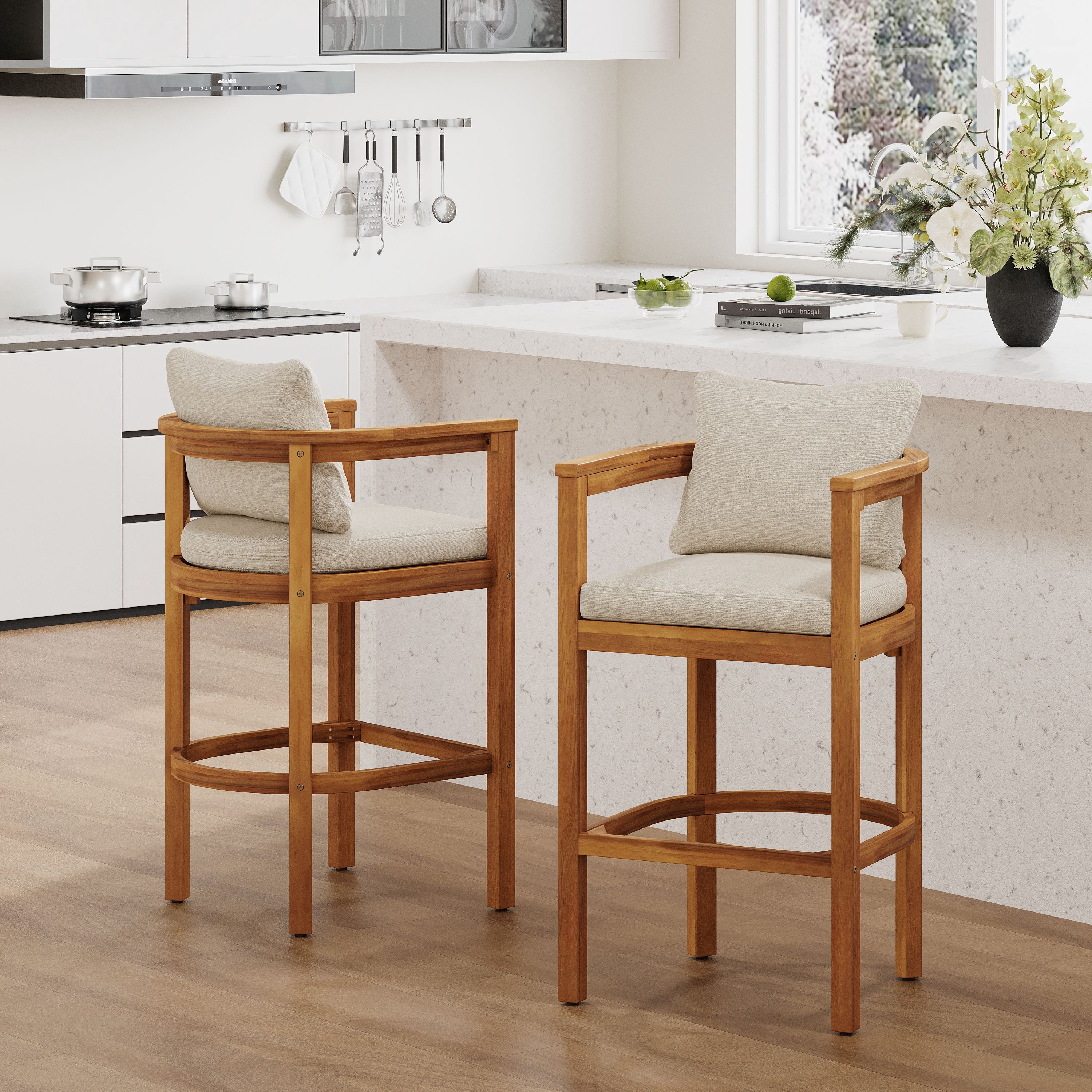
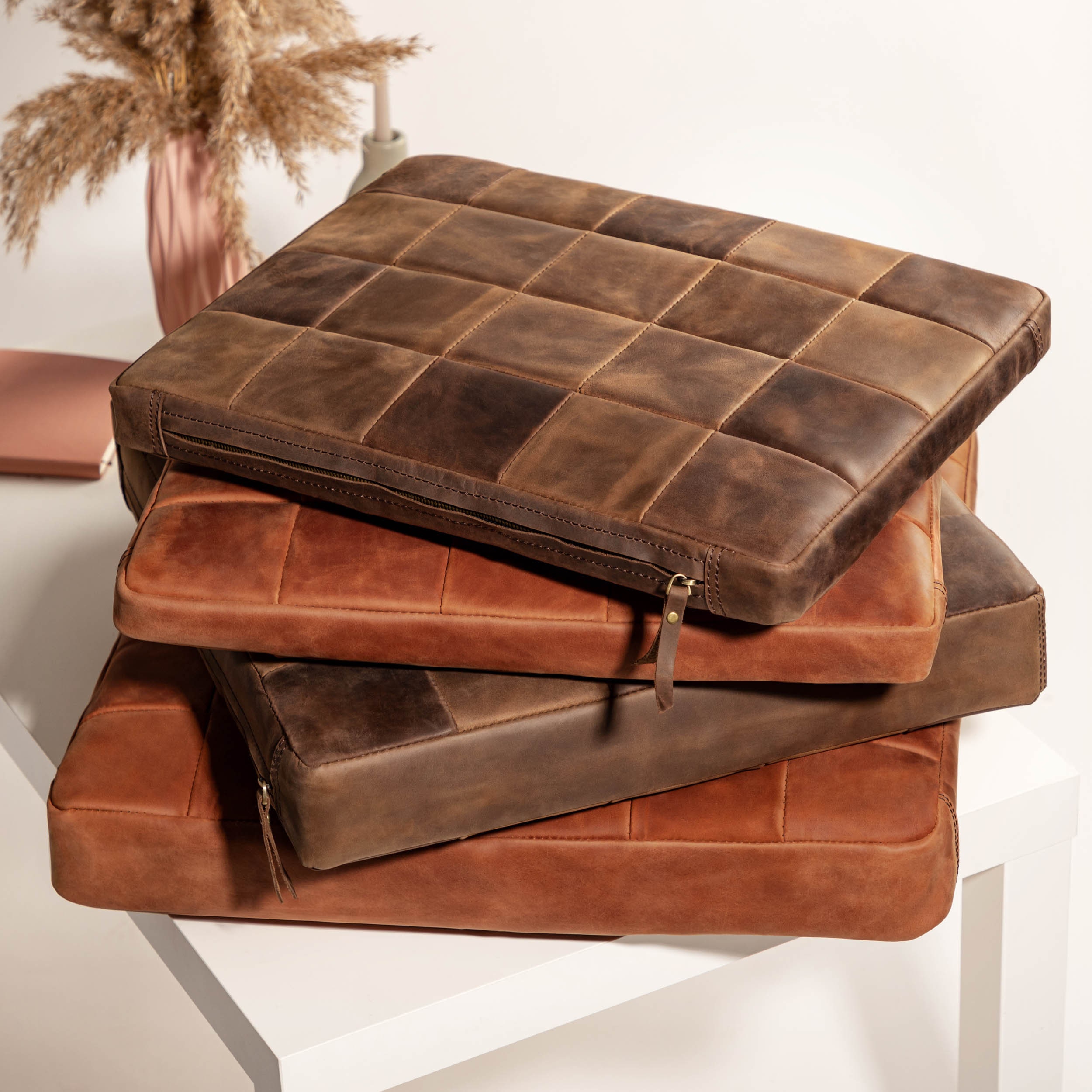
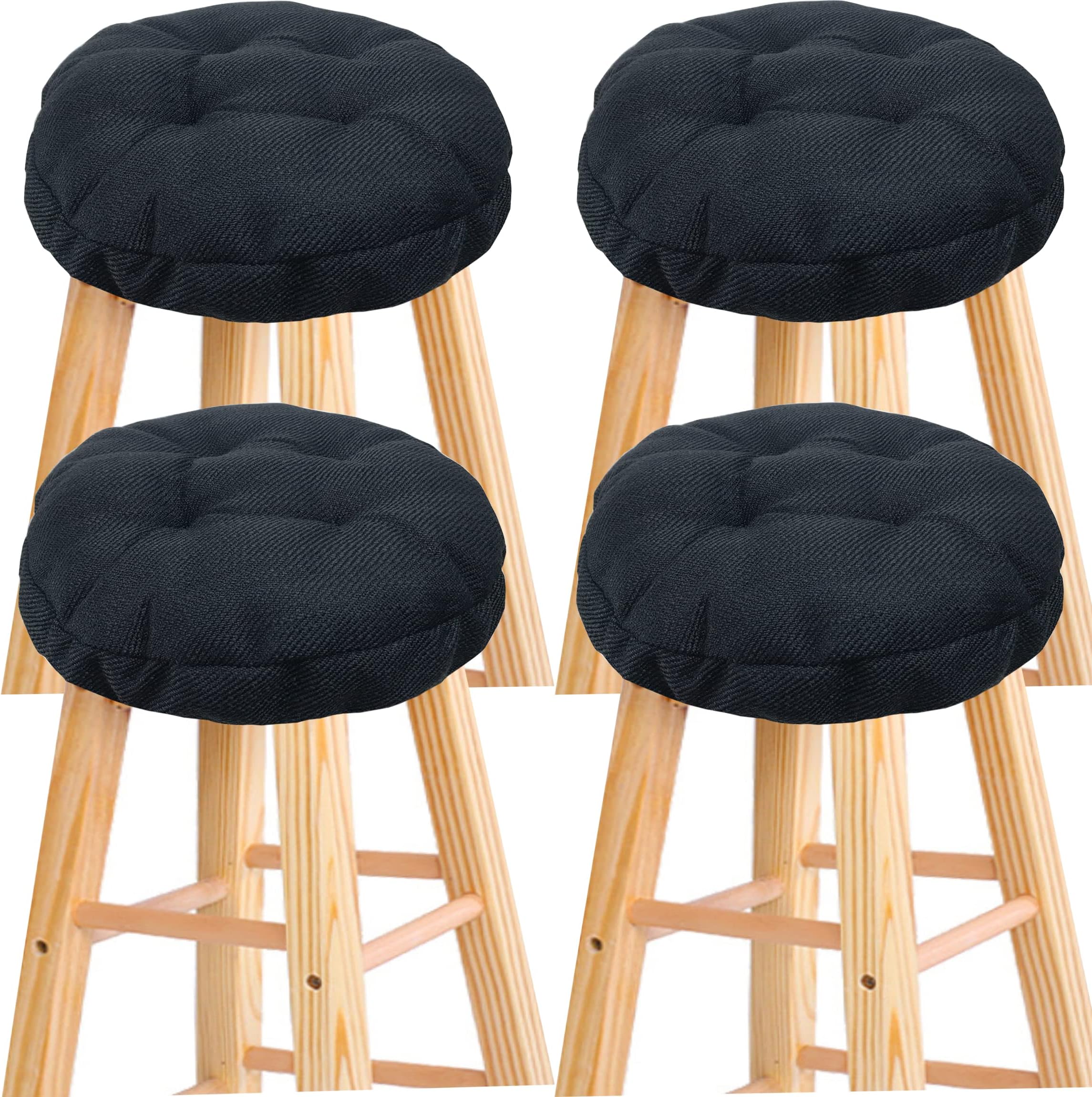
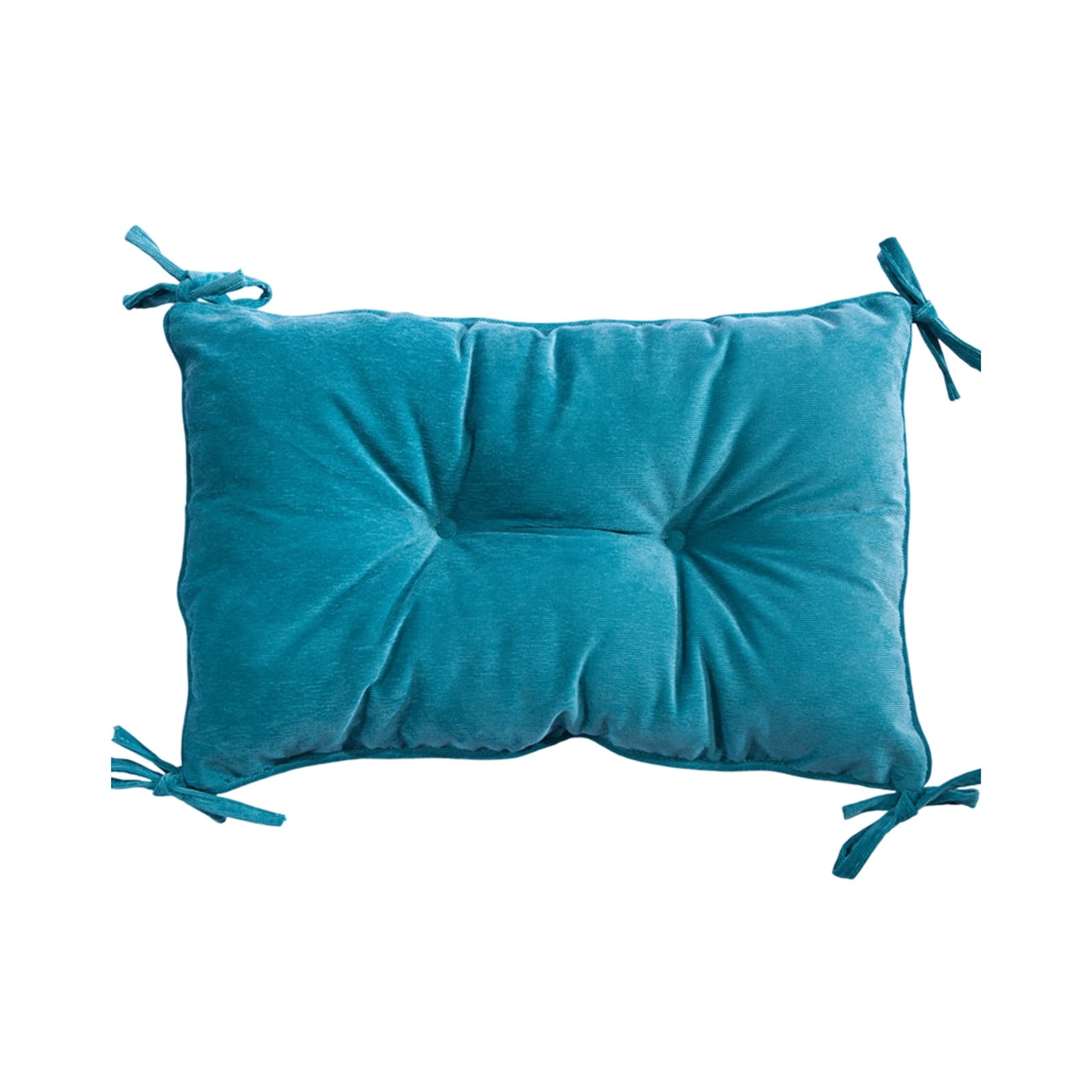
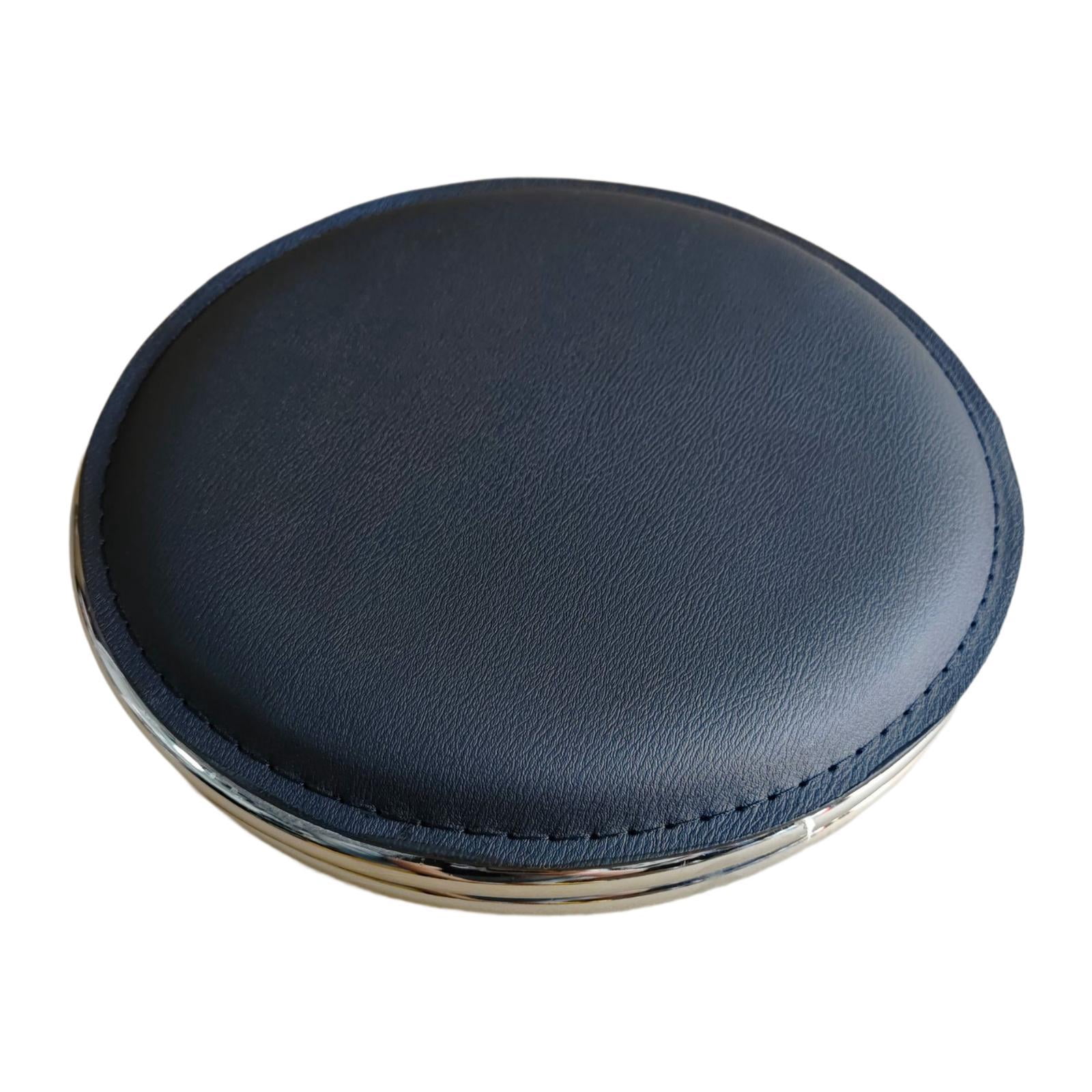
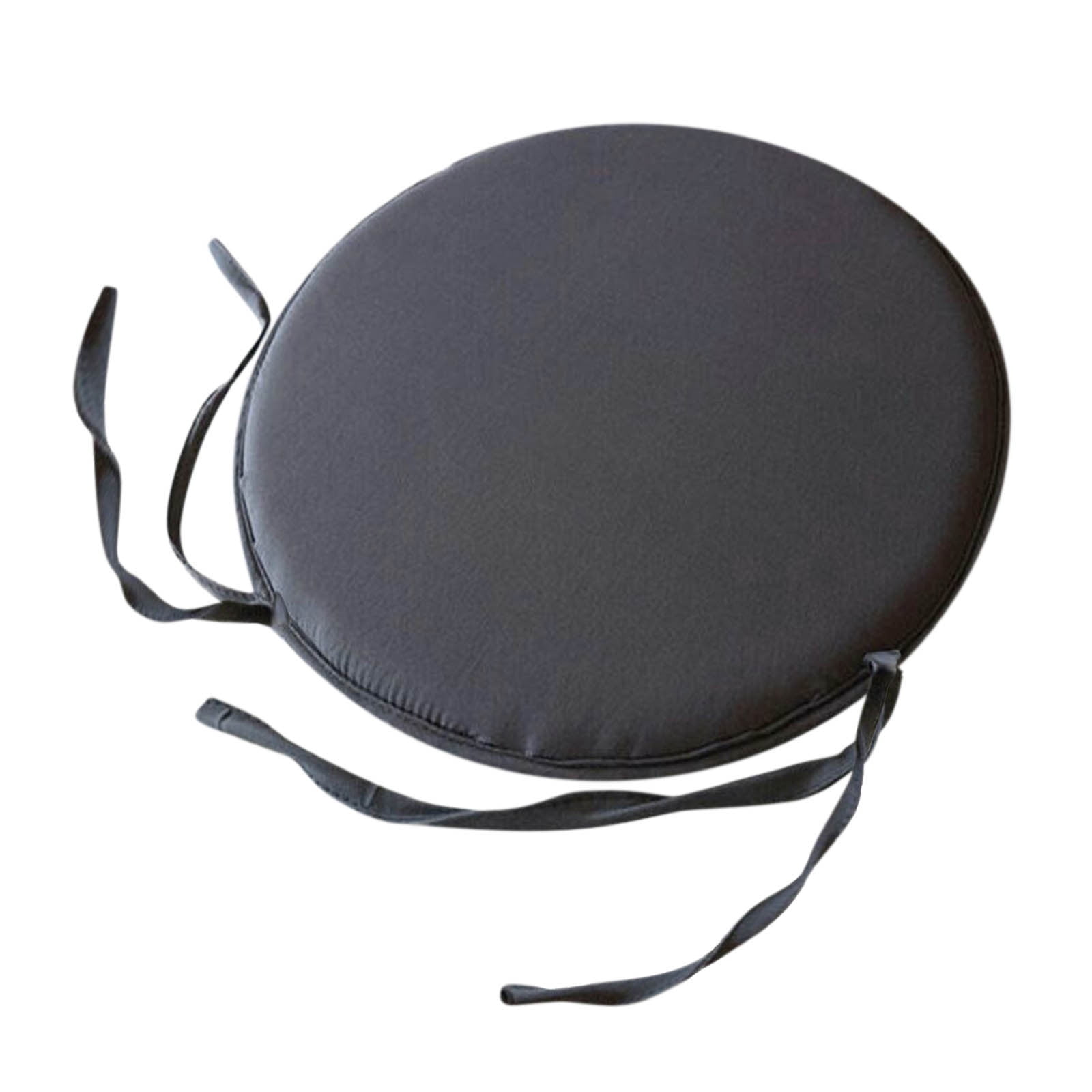
Selecting the right bar stool seat cushion requires matching your stool’s physical dimensions to the appropriate foam density, fabric durability, and attachment mechanism. The ideal cushion provides ergonomic pressure relief, remains firmly anchored during use, and features an easily cleanable cover suited for high-frequency seating around kitchen islands, home bars, or commercial counters.
Measuring Your Bar Stools for an Exact Fit
Before selecting materials or aesthetics, precise measurements are critical to ensuring your bar stool cushions fit properly without hanging over the edges or shifting out of place. A cushion that is too small leaves exposed wooden or metal edges that press into the thighs, while an oversized cushion overhangs the frame, leading to premature wear and instability.
Measuring Round Stools
For circular seats, measure the diameter directly across the center from edge to edge. Take two measurements perpendicular to each other to account for any slight warping or hand-crafted variations in wood or woven stools.
- Standard Round Sizes: Most round bar stool seats feature diameters of 12, 13, 14, or 15 inches.
- Beveled Edges: If your stool has a sloped or beveled rim, measure only the flat, seating surface where the cushion will lie flat.
Measuring Square and Rectangular Stools
For flat-topped square or rectangular stools, measure the width (side-to-side) and depth (front-to-back).
- Tapered Seats: Many wooden saddle stools feature contoured seating surfaces or seats that taper toward the back. For contoured or saddle-style stools, measure the widest section at the front, the narrowest section at the back, and the depth along the central curve.
- Lip or Frame Borders: If the stool has a raised wooden lip or metal frame around the seat, measure the interior space enclosed by the rim rather than the outer stool dimensions.
Calculating Clearance and Cushion Thickness
Cushion thickness directly affects legroom between the seat top and the underside of the counter. Standard kitchen islands sit at a height of 36 inches with stools at 24 to 26 inches, while standard bar counters sit at 42 inches with stools at 20 to 32 inches.
- Maintain a clearance gap of 9 to 12 inches between the top of the cushioned seat and the lower edge of the counter or table.
- For hard wood or metal stools without existing padding, a cushion thickness of 1.5 to 2.5 inches provides adequate comfort without elevating the sitter too high.
- If choosing a plush cushion over 3 inches thick, account for compression depth under human body weight, which generally reduces thickness by 30% to 50% depending on foam density.
Cushion Filler Materials: Balancing Support and Longevity
The interior core of a bar stool cushion dictates its structural support, pressure distribution, and resistance to bottoming out over extended sitting periods. Low-quality fill flattens within months of regular use, whereas dense, high-performance materials retain their shape for years.
- Cushion Core Layers
- Top Layer: Polyester Batting / Memory Foam (Plush Comfort)
- Core Layer: High-Density Polyurethane / Latex (Support & Lift)
- Bottom Base: Anti-Slip Rubberized Grip Base (Stability)
High-Density Polyurethane Foam
High-density (HD) polyurethane foam is the industry standard for supportive seat cushions. Foam quality is evaluated by weight per cubic foot (density) and Indentation Load Deflection (ILD), which measures firmness.
- Optimal Specs: Look for a density rating of 1.8 to 2.8 lbs per cubic foot and an ILD rating between 30 and 45.
- Performance: HD foam provides immediate push-back resistance, preventing the sitter from feeling the hard seat platform beneath. It resists permanent compression set and is ideal for daily dining and working environments.
Viscoelastic Memory Foam
Memory foam contours to the sitter’s body shape in response to heat and weight, redistributing pressure points across the gluteal muscles and thighs.
- Optimal Specs: High-grade memory foam should feature a minimum density of 3.5 to 5 lbs per cubic foot.
- Considerations: Pure memory foam can feel soft initially, but may bottom out if used as a thin 1-inch pad without a high-density foam base beneath it. For bar stools, a layered construction—1 inch of memory foam laminated over 1.5 inches of HD support foam—yields the best balance of initial softness and continuous support.
Natural and Synthetic Latex
Latex foam, derived from natural rubber tree sap or synthetic polymers, offers exceptional elasticity and breathability.
- Performance: Unlike memory foam, latex rebounds instantly when pressure is released. It distributes weight evenly, maintains thermal neutral performance without trapping heat, and naturally resists dust mites and microbial growth.
- Longevity: Dunlop or Talalay latex cores represent the premium end of the spectrum, retaining their resilience and structural integrity longer than conventional polyurethane foams.
Polyester Fiberfill and Dacron Wraps
Polyester fiberfill consists of loose or bonded synthetic fibers. While economical, raw fiberfill compresses rapidly under concentrated seating loads.
- Best Application: Fiberfill is best utilized as a thin outer wrap (Dacron wrap) around a solid high-density foam core. This wrap softens the sharp geometric edges of the inner foam block, rounds out the cover fabric, and prevents friction between the foam core and the outer cover.
Cover Fabric Selection and Durability Standards
Bar stool cushion covers are subjected to constant abrasion, accidental food spills, and friction from denim, rivets, and belts. Selecting a cover fabric requires balancing aesthetic appeal with practical cleaning requirements.
Commercial-Grade Vinyl and Faux Leather
Synthetic leathers (Polyurethane/PU and Polyvinyl Chloride/PVC) are excellent options for high-use kitchen islands and commercial dining setups.
- Pros: Highly resistant to liquids, oil, and food staining. Liquid spills can be wiped away with a damp cloth and mild detergent.
- Cons: Lower breathability compared to woven textiles, which may feel warm during prolonged sitting in unconditioned spaces.
Performance Woven Fabrics
Performance textiles made from solution-dyed acrylics (such as Sunbrella) or specialized stain-repellent polyester blends (such as Crypton) offer soft textile textures with industrial-grade durability.
- Pros: Solution-dyed yarns retain color fidelity under sunlight exposure, while factory-applied hydrophobic finishes prevent liquid spills from soaking into the fibers.
- Cons: Higher initial purchasing cost compared to basic cotton or un-treated polyester prints.
Natural Fabrics: Cotton Canvas, Linen, and Real Leather
Natural fiber covers bring warmth, texture, and organic appeal to interior spaces.
- Cotton Canvas & Duck Cloth: Durable woven natural fabrics that can often be machine-washed if designed as removable zippered covers.
- Top-Grain Leather: Offers aging qualities, acquiring a natural patina over time. However, real leather requires periodic conditioning to prevent drying and cracking, and it can absorb oily liquid stains if untreated.
Abrasion Resistance and Rub Counts
When evaluating woven upholstery fabrics, review the Wyzenbeek or Martindale double rub test ratings.
- Light Residential: 9,000 to 12,000 double rubs (suitable for decorative or light seasonal use).
- Heavy Duty Residential / Light Commercial: 15,000 to 30,000 double rubs (recommended for daily kitchen island seating).
- High-Traffic Commercial: 30,000+ double rubs (required for commercial bars, restaurants, and high-frequency hospitality settings).
Attachment Mechanisms and Anti-Slip Technology
A common problem with bar stool cushions is movement during use. Because bar stools lack full backrests in many designs, cushions can easily slide backward or fall off when users sit down or stand up.
| Attachment Type | Practical Mechanism & Ideal Application |
|---|---|
| Fabric Ties | Dual corner straps tied behind vertical spindles. |
| Non-Slip Gasket | Micro-dot silicone/rubber base directly on seat. |
| Elastic Skirting | Elasticized trim cupping the seat frame underside. |
| Magnetic / Screw | Integrated mechanical hardware for fixed stools. |
Integrated Fabric Ties and Hook-and-Loop Straps
Fabric ties remain the traditional solution for stools featuring backrests, spindles, or structural side rails.
- Fabric Ties: Stitched double-seam fabric bands tied securely around rear legs or back posts. Ensure ties feature reinforced box-stitching at the attachment seam to prevent tearing under lateral force.
- Hook-and-Loop (Velcro) Straps: Heavy-duty webbing straps with industrial Velcro offer faster attachment and tighter tension adjustment than standard fabric ties.
Rubberized Anti-Slip Gripper Backing
For backless bar stools lacking posts or side rails to attach fabric ties, cushions rely on high-friction underside surfaces.
- Silicone/Rubber Micro-Dot Bases: The underside of the cushion features a grid of vulcanized rubberized dots or a non-skid mesh base. Friction against smooth polished wood, metal, or plastic prevents horizontal movement during normal seating transfers.
- Maintenance: Keep both the bottom of the non-slip backing and the top of the stool seat free of dust and kitchen grease film, which reduces friction efficiency over time.
Elasticized Skirting and Drawstrings
Elasticized cushion covers feature a tailored fabric skirt surrounding the perimeter of the cushion, containing a hidden elastic band or drawstring underneath.
- Fit Profile: The elastic pulls taut under the seat rim, encasing the entire top and upper edges of the stool.
- Best Use Case: Excellent for transforming round wood or metal backless stools, providing a fully upholstered appearance while remaining easily removable for washing.
Cushion Material and Performance Comparison
The following matrix compares common cushion fill and cover combinations across key practical parameters to assist in material selection:
| Cushion Material Combination | Ergonomic Comfort Level | Abrasion & Wear Resistance | Stain & Moisture Resistance | Maintenance & Cleaning | Recommended Setting |
|---|---|---|---|---|---|
| High-Density Foam + Vinyl / Faux Leather | Moderate to High | High (30,000+ Rubs) | Excellent (Waterproof) | Wipe clean with damp cloth | Kitchen islands, family homes with kids, commercial bars |
| Memory Foam Core + Microfiber Cover | Very High (Pressure Relief) | Moderate (15,000 Rubs) | Fair (Absorbent) | Vacuum; spot-clean or machine wash cover | Home offices, quiet reading nooks, low-spill areas |
| Latex Core + Performance Acrylic (Sunbrella) | High (Responsive) | High (30,000+ Rubs) | High (Hydrophobic) | Spot clean with soap/water; bleach cleanable | Outdoor patios, sunrooms, high-use dining spaces |
| Polyester Fiberfill + Cotton Canvas Cover | Soft initially; low long-term support | Moderate (10,000 Rubs) | Low (Stains easily) | Machine washable cover | Low-budget setups, seasonal/infrequent use |
| HD Foam Layer + Top-Grain Leather | High | High | Moderate (Requires care) | Wipe spills promptly; apply conditioner | Executive bars, upscale modern dining spaces |
Care, Cleaning, and Maintenance Protocols
Proper maintenance extends the lifespan of bar stool cushions, preserves foam density, and keeps upholstery clean.
Regular Cleaning Procedures
- Dust and Debris Removal: Vacuum woven fabric covers weekly using an upholstery brush attachment to clear food crumbs, dust, and pet dander from seams and stitching.
- Spot Cleaning Textiles: Treat liquid spills immediately by blotting (not rubbing) with a clean microfiber cloth. Apply a mild solution of warm water and liquid dish soap. Rinse with a damp cloth and allow to air dry completely.
- Caring for Vinyl and Synthetic Leather: Wipe clean regularly using warm water and a mild dish detergent. Avoid solvent-based cleansers, harsh degreasers, or abrasive scrub pads, which can strip the protective top coating of the synthetic leather and cause premature cracking.
Foam Preservation and Cover Care
- Rotating Cushions: On reversible cushions with identical top and bottom faces, flip and rotate the pads monthly to ensure even distribution of mechanical wear and prevent permanent body indentations.
- Foam Washing Warning: Never submerge polyurethane or memory foam cores directly in water unless explicitly labeled as washable open-cell reticulated outdoor foam. Standard solid foam traps moisture internally, leading to mold growth and core breakdown. Clean cover fabric separately from the foam inserts.
Step-by-Step Selection Checklist
Follow this systematic checklist before purchasing or custom-ordering bar stool cushions:
- Measure Platform Geometry: Record exact seat diameter (for round stools) or width and depth (for square/rectangular stools). Note if the surface is flat, contoured, or saddled.
- Determine Height Clearance: Measure distance from seat top to counter bottom. Subtract 1 to 2.5 inches for cushion thickness to ensure 9 to 12 inches of leg clearance remains.
- Select Structural Foam Type: Select 1.8+ lb density polyurethane foam or solid latex for daily seating. Avoid untreated loose polyester fiberfill as the sole support core.
- Select Cover Material Based on Environment: Pick commercial vinyl or stain-resistant performance textiles for high-spill kitchen and dining areas.
- Verify Security Method: Ensure round backless stools feature heavy-duty non-slip silicone bases or elastic skirts. Choose reinforced fabric ties or Velcro straps for stools with backrests.
Frequently Asked Questions
How thick should a bar stool cushion be?
The ideal thickness for a bar stool cushion is between 1.5 and 2.5 inches. This range provides sufficient foam compression to prevent feeling the hard seat base while preserving the necessary 9 to 12 inches of leg clearance between your thighs and the bottom of the counter.
How do you stop cushions from sliding off backless bar stools?
To prevent sliding on backless stools, use cushions equipped with a high-friction silicone or rubberized anti-slip backing. Alternatively, select fitted elastic-skirt cushions that wrap around the lower lip of the seat plate, or use clear double-sided furniture grip pads directly on the stool surface.
Can outdoor cushion materials be used indoors for kitchen island bar stools?
Yes, using outdoor performance materials indoors is a practical option for high-traffic kitchens. Outdoor fabrics like solution-dyed acrylics and open-cell reticulated foam resist liquid spills, staining, and wear from daily family use while maintaining a clean, upholstered look.
What is the difference between foam density and foam firmness?
Foam density (measured in pounds per cubic foot) indicates durability and structural mass, determining how long the foam will last before breaking down. Foam firmness (measured by ILD) describes how soft or firm the cushion feels when sat upon. High-density foam can be engineered to feel soft or firm while maintaining long-term structural integrity.
How do you measure a curved or saddle-style bar stool for a cushion?
Measure across the highest and lowest contour points of the saddle seat. For width, measure across the front edge. For depth, measure along the top central curve from front to back. Select a flexible, low-profile cushion (1.5 inches thick) with non-slip backing that can conform to the seat's curve without warping.
Final Recommendations for Long-Term Comfort
When equipping your seating area with bar stool cushions, prioritize structural support and physical fit over superficial plushness. High-density polyurethane or natural latex cores with a profile of 1.5 to 2.5 inches provide the ideal balance of ergonomic support and counter clearance. Pair these cores with a high-rub-count cover fabric—such as commercial vinyl or solution-dyed acrylic—and anchor the assembly using non-slip silicone bases or reinforced corner ties. Taking these steps ensures your bar stools offer long-term daily comfort, cleanability, and aesthetic appeal.