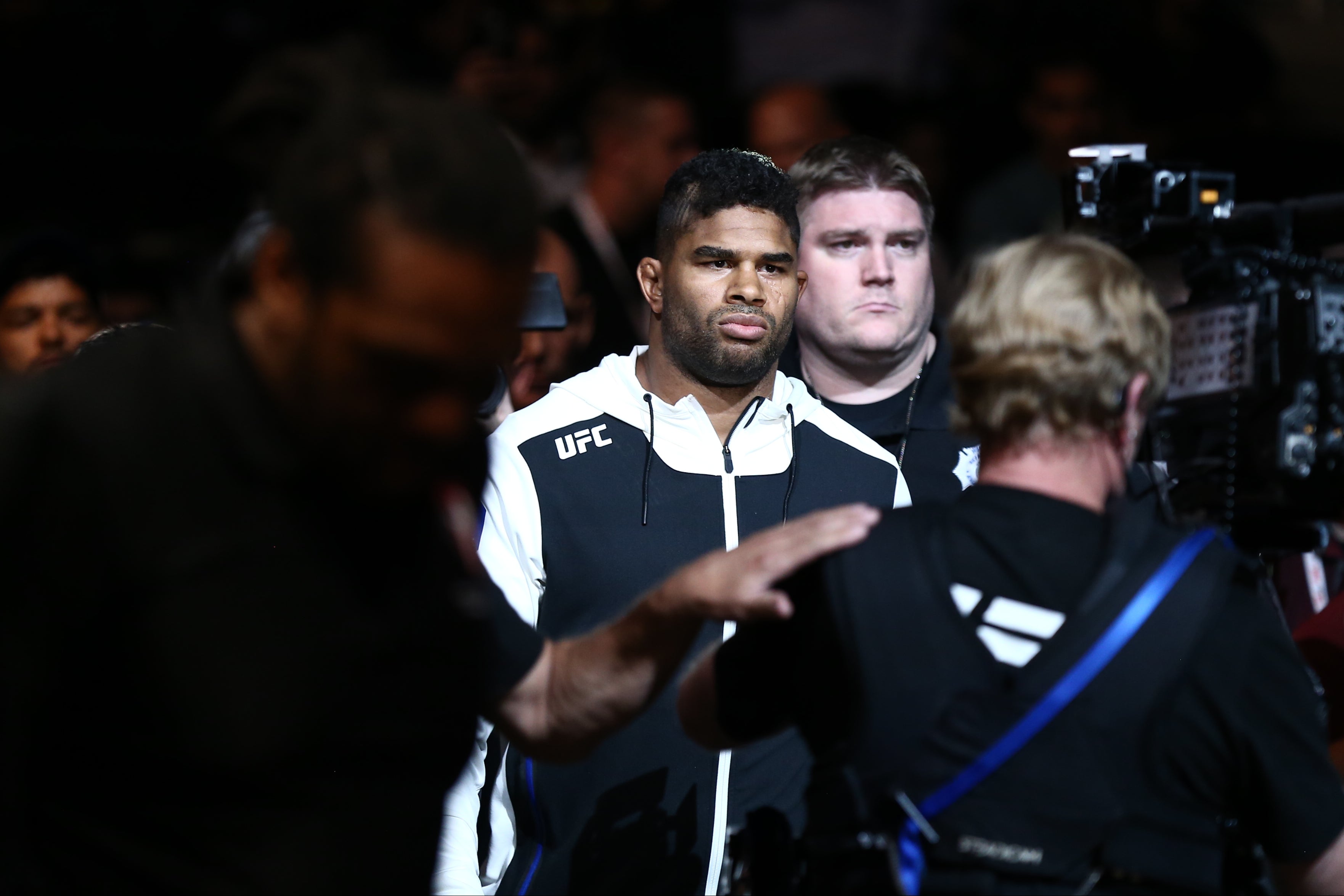
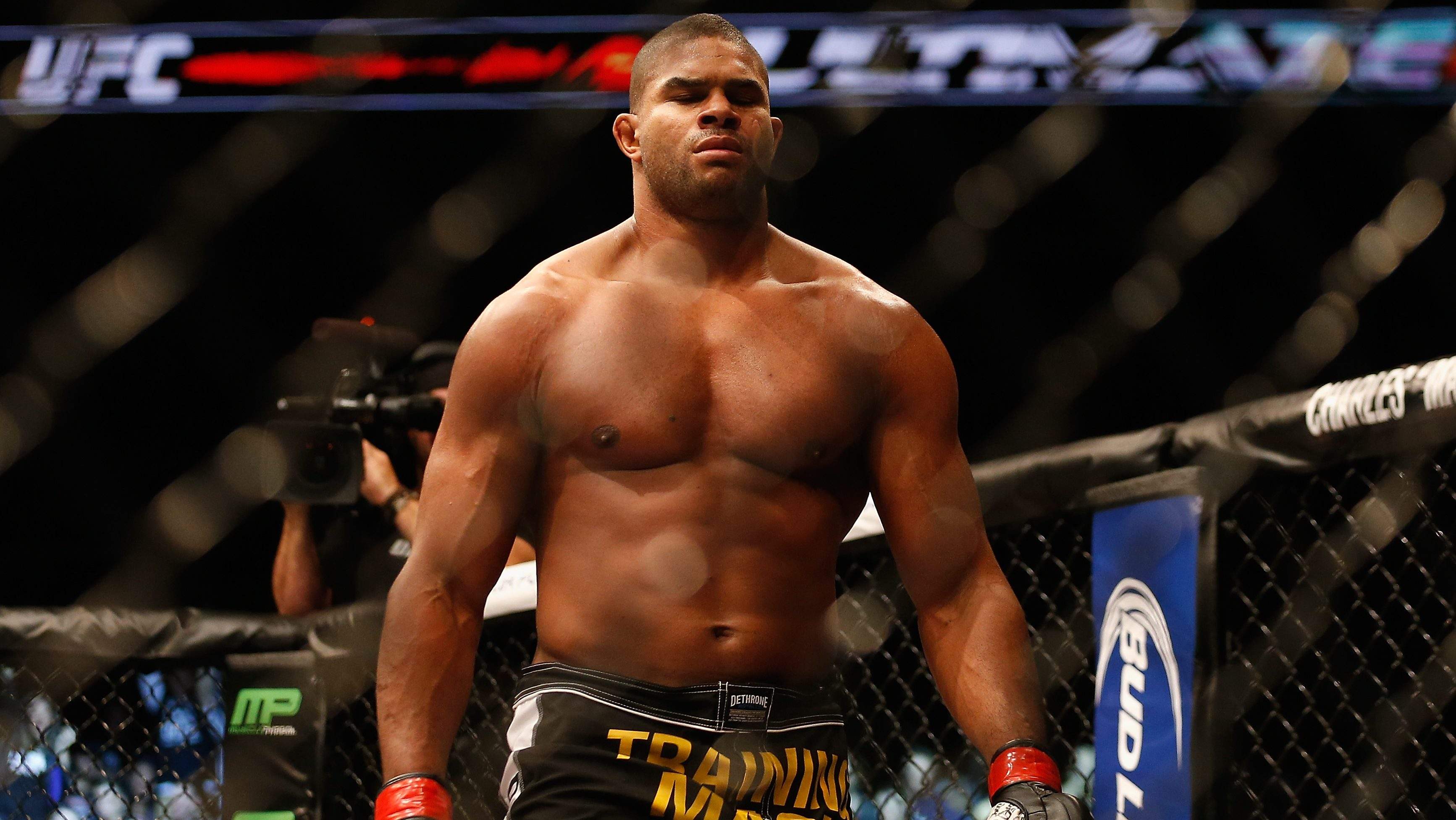
Alistair Overeem is a retired Dutch professional mixed martial artist and kickboxer widely recognized as one of the most versatile and accomplished heavyweights in combat sports history. He holds the unique distinction of being the only fighter to simultaneously hold world titles in major MMA organizations and the K-1 Kickboxing World Grand Prix.
Early Career and the PRIDE Fighting Championships Era (1999–2007)
Alistair Overeem began his professional combat sports career in 1999 at the age of 19, competing in regional European promotions such as It's Showtime and Rings. Standing 6 feet 4 inches tall with a long reach and explosive athleticism, Overeem initially competed in the light heavyweight (205 lb) division. His early tactical approach combined aggressive Dutch Muay Thai striking with a surprisingly lethal submission game, anchored by a powerful guillotine choke.
In 2002, Overeem debuted in Japan’s PRIDE Fighting Championships, which was then the premier global organization for mixed martial arts. During his tenure in PRIDE, Overeem compiled victories over elite light heavyweights, including former UFC Champion Vitor Belfort, Igor Vovchanchyn, and Sergei Kharitonov.
- PRIDE FC Light Heavyweight Era (2002–2007)
- Offense: Dutch Muay Thai + Guillotine Choke
- Strengths: Explosive early-round power & high submission rate
- Vulnerabilities: Weight-cut stamina drain & late-round durability
Despite his offensive dangerousness, Overeem’s early light heavyweight career was hindered by weight-cutting challenges. Draining his naturally large frame down to 205 pounds severely impaired his cardio reservoir and chin endurance during protracted bouts. High-profile losses to Chuck Liddell, Mauricio "Shogun" Rua, and Ricardo Arona highlighted a recurring pattern: Overeem would dominate early exchanges but falter if the fight stretched into later rounds. This physical limitation eventually sparked one of the most radical physical and tactical transformations in combat sports history.
The "Uberreem" Transformation: Strikeforce, DREAM, and K-1 Dominance (2007–2011)
Recognizing that cutting weight to 205 pounds was limiting his potential, Overeem made the strategic decision in 2007 to permanently move up to the heavyweight division. Over the next three years, he underwent an extraordinary physical expansion, packing on over 40 pounds of dense muscle mass and adopting the fan moniker "Uberreem."
- Weight Class Transition:
- Light Heavyweight (205 lbs)
- Heavyweight (255–265 lbs)
At heavyweight, Overeem transformed into an unstoppable multi-sport force. Joining forces with the renowned Golden Glory gym in the Netherlands, he refined his striking under head coach Martijn de Jong while utilizing his immense physical strength to overpower opponents in the clinch.
Key Championships Captured During This Era:
- Strikeforce Heavyweight Champion (2007): Overeem captured the inaugural Strikeforce Heavyweight Championship by submitting Paul Buentello with body knees in November 2007. He successfully defended the belt against Brett Rogers and Fabricio Werdum.
- K-1 World Grand Prix Champion (2010): Crossing over into elite kickboxing, Overeem entered the 2010 K-1 World Grand Prix tournament. He knocked out kickboxing legends including Gokhan Saki and Peter Aerts to win the prestigious crown, becoming the first active MMA champion to conquer elite professional kickboxing.
- DREAM Heavyweight Champion (2010): On New Year's Eve 2010, Overeem knocked out Todd Duffee in just 19 seconds at Dynamite!! 2010 to win the inaugural DREAM Heavyweight Title.
By late 2010, Overeem simultaneously held the Strikeforce Heavyweight Title, the DREAM Heavyweight Title, and the K-1 World Grand Prix Championship—an unprecedented triple-crown achievement in combat sports history.
The UFC Chapter: Debuts, Style Adjustments, and World Title Challenge (2011–2021)
In late 2011, following Zuffa’s acquisition of Strikeforce, Overeem officially signed with the Ultimate Fighting Championship (UFC). His debut at UFC 141 in December 2011 against former UFC Heavyweight Champion Brock Lesnar was one of the most anticipated heavyweights bouts of the decade. Overeem delivered a masterclass performance, targeting Lesnar's midsection with liver knees before finishing the fight with body kicks in the first round.
- UFC Career Arc:
- Dominant Debut (vs. Lesnar)
- Setback & Suspension
- Tactical Evolution ("Econoreem")
- Title Shot (UFC 203)
Following his victory over Lesnar, Overeem faced regulatory challenges when a pre-fight drug test revealed an elevated testosterone-to-epitestosterone ratio prior to a scheduled title fight against Junior dos Santos in 2012. The Nevada State Athletic Commission suspended Overeem for nine months, removing him from the championship bout.
Upon returning to action, Overeem faced consecutive knockout losses to Bigfoot Silva and Travis Browne. Realizing that relying solely on brute power and aggressive blitzes was unsustainable in the UFC's deep heavyweight division, Overeem relocated his training camp to Jackson-Wink MMA in Albuquerque, New Mexico, under coaches Greg Jackson and Mike Winkeljohn.
The Rise of "Econoreem"
This move launched the third distinct phase of Overeem’s career, dubbed "Econoreem" by fight analysts. Overeem altered his fighting methodology:
- Measured Distance Management: He abandoned wild blitzes in favor of lateral movement and outside footwork.
- Energy Conservation: He dialed back volume to protect his stamina across three- and five-round fights.
- Counter-Striking Precision: He relied on single high-impact counters, body kicks, and defensive shell coverage.
This tactical re-invention produced a four-fight winning streak over top contenders Stefan Struve, Roy Nelson, Junior dos Santos, and Andrei Arlovski. This run earned Overeem a UFC Heavyweight Championship shot against Stipe Miocic at UFC 203 in September 2016. In an action-packed first round, Overeem knocked Miocic down with a straight left hand and attempted a guillotine choke, but Miocic escaped and ultimately won via ground-and-pound TKO.
Overeem remained a top-five contender for the remainder of his UFC career, accumulating notable late-career victories over Fabricio Werdum, Sergey Pavlovich, Jairzinho Rozenstruik (a fight he led for 24 minutes before a late stoppage), and Augusto Sakai. He was released by the UFC in March 2021 following a loss to Alexander Volkov, ending a decade-long run at the peak of the sport.
Technical Breakdown: Evolution of Overeem's Fighting Style
Overeem's longevity over two decades stems from his elite technique across multiple martial arts disciplines. His skillset can be categorized into four primary technical components:
1. The Dutch Muay Thai Clinch (The Thai Plum)
Overeem is widely considered to possess the most destructive clinch game in MMA history. Utilizing a collar tie or full Thai plum, he uses leverage to pull an opponent's head into rising knee strikes. His knees to the body and head generated enormous force, accounting for numerous knockouts and liver stoppages throughout his career (including victories over Paul Buentello, Fujita, and Brock Lesnar).
2. The Guillotine Choke
Despite being celebrated for his kickboxing, Overeem possessed a world-class submission game. His signature maneuver was the standing and high-elbow guillotine choke. Utilizing his exceptionally long arms and strong upper-body frame, Overeem scored 17 submission victories throughout his MMA career, making his choke one of the highest-percentage submission threats in heavyweight history.
- Key Offensive Weapons:
- Clinch: Thai Plum Knees (Body/Head)
- Striking: Left Hook & Rear Body Kicks
- Submissions: High-Elbow Guillotine Choke
3. Defensive Shell and Guard
Derived from traditional Dutch kickboxing, Overeem utilized a high double-guard shell with heavy gloves to block high strikes. While highly effective in professional kickboxing, this shell was occasionally compromised under MMA rules due to smaller 4-ounce gloves, which permitted strikes to penetrate between the guard—a technical vulnerability that opponent counter-strikers targeted late in his career.
Comprehensive Career Statistics and Record Summary
The following table summarizes Alistair Overeem's achievements, statistics, and records across his professional combat sports career:
| Category / Metric | Mixed Martial Arts (MMA) | Professional Kickboxing |
|---|---|---|
| Total Fights | 67 Bouts | 15 Bouts |
| Overall Record | 47 Wins – 19 Losses (1 No Contest) | 10 Wins – 4 Losses (1 No Contest) |
| Knockout Wins (KO/TKO) | 25 | 7 |
| Submission Wins | 17 | 0 |
| Decision Wins | 5 | 3 |
| Major World Titles | • Strikeforce Heavyweight Champion• DREAM Heavyweight Champion | • K-1 World Grand Prix Champion (2010) |
| Key Victories | Brock Lesnar, Fabricio Werdum (2x), Junior dos Santos, Andrei Arlovski, Vitor Belfort (2x), Mark Hunt, Sergey Pavlovich | Peter Aerts, Tyrone Spong, Gokhan Saki, Badr Hari, Ewerton Teixeira |
| Primary Base Gyms | Golden Glory, Imperial Athletics, Jackson-Wink MMA, Team Elevation | Golden Glory |
Post-UFC Career, Glory Kickboxing, and Retirement
Following his departure from the UFC in early 2021, Overeem returned to his kickboxing roots by signing a multi-fight deal with GLORY Kickboxing.
In October 2022, Overeem headlined GLORY 82 in a trilogy bout against long-time rival Badr Hari. Overeem earned a unanimous decision victory after dropping Hari twice in the final round. However, in early 2023, the result was overturned to a No Contest after Overeem tested positive for a prohibited substance. He was suspended for 12 months and removed from GLORY's official rankings.
- Post-MMA Timeline:
- 2021: Signed with GLORY Kickboxing
- 2022: Fought Badr Hari at GLORY 82
- 2023: Bout overturned to NC; Announced Retirement & Health Transformation
In mid-2023, Overeem officially announced his retirement from active competition. During subsequent public appearances, Overeem revealed a dramatic physical transformation, having shed significant muscle mass to drop down to a lean physique near 210 pounds. He attributed this weight drop to a fundamental shift in health philosophy, adopting a plant-rich diet, structured fasting protocols, and a detox regimen focused on long-term longevity rather than mass accumulation for combat performance.
Key Lessons for Combat Athletes and MMA Enthusiasts
Alistair Overeem's 24-year career offers several strategic takeaways for martial artists, coaches, and sports historians:
- Adaptation Over Stubbornness: When physical attributes change or vulnerabilities emerge (such as chin durability or stamina caps), elite athletes must modify their tactical system. Overeem successfully pivoted from an aggressive power-striker to a patient counter-striker.
- Cross-Discipline Mastery: Success in one combat sport can transfer to another if fundamental mechanics are preserved. Overeem applied Dutch Muay Thai principles seamlessly across both MMA and high-level kickboxing.
- Weight Class Alignment: Competing in a weight class that compromises hydration or energy levels hinders performance. Moving from Light Heavyweight to Heavyweight unlocked Overeem’s true championship potential.
Frequently Asked Questions About Alistair Overeem
Did Alistair Overeem ever win a UFC title?
No, Alistair Overeem never won an official UFC championship. He challenged Stipe Miocic for the UFC Heavyweight Championship at UFC 203 in September 2016, but lost via first-round TKO despite knocking Miocic down early in the fight.
Why did Alistair Overeem lose so much weight after retiring?
After retiring from combat sports in 2023, Overeem changed his lifestyle to prioritize health and longevity. He adopted a plant-rich diet, incorporated regular detox routines, and eliminated heavy strength-training designed to maintain a 250+ pound fighting frame, resulting in a lean physique.
What is Alistair Overeem's official MMA record?
Alistair Overeem retired with a professional mixed martial arts record of 47 wins, 19 losses, and 1 No Contest across 67 fights. Over 89% of his wins came by way of stoppage (25 knockouts and 17 submissions).
What made Alistair Overeem's kickboxing career unique?
Overeem achieved what no other fighter has done by winning the K-1 World Grand Prix Championship in 2010 while concurrently holding the Strikeforce Heavyweight MMA Title. This made him the first athlete to hold simultaneous world championships in both major MMA and elite professional kickboxing.
How did Alistair Overeem get the nickname "Uberreem"?
The nickname "Uberreem" was coined by combat sports fans and media during his physical transformation between 2007 and 2011. After moving up from light heavyweight to heavyweight, Overeem gained over 40 pounds of muscle mass, adopting a comic-book-like physique that coincided with a dominant winning streak.
Studying Alistair Overeem’s Blueprint for Martial Arts Longevity
Alistair Overeem’s career remains a definitive case study in elite combat sports longevity. Athletes seeking to emulate his success should analyze his tape through three distinct lenses:
- Film Study (2002–2006): Analyze his high-elbow guillotine mechanics and early-round aggressive blitzing at light heavyweight.
- Film Study (2008–2010): Observe his Muay Thai plum control, destructive knee mechanics, and double-guard shelling during his K-1 and Strikeforce title runs.
- Film Study (2014–2020): Examine his lateral footwork, single-strike output management, and patient counter-striking system under Greg Jackson.
By continuously adapting his style to fit his evolving body and physical limits, Overeem competed at the highest level of world combat sports for nearly a quarter of a century—leaving behind an enduring legacy across MMA and kickboxing history.