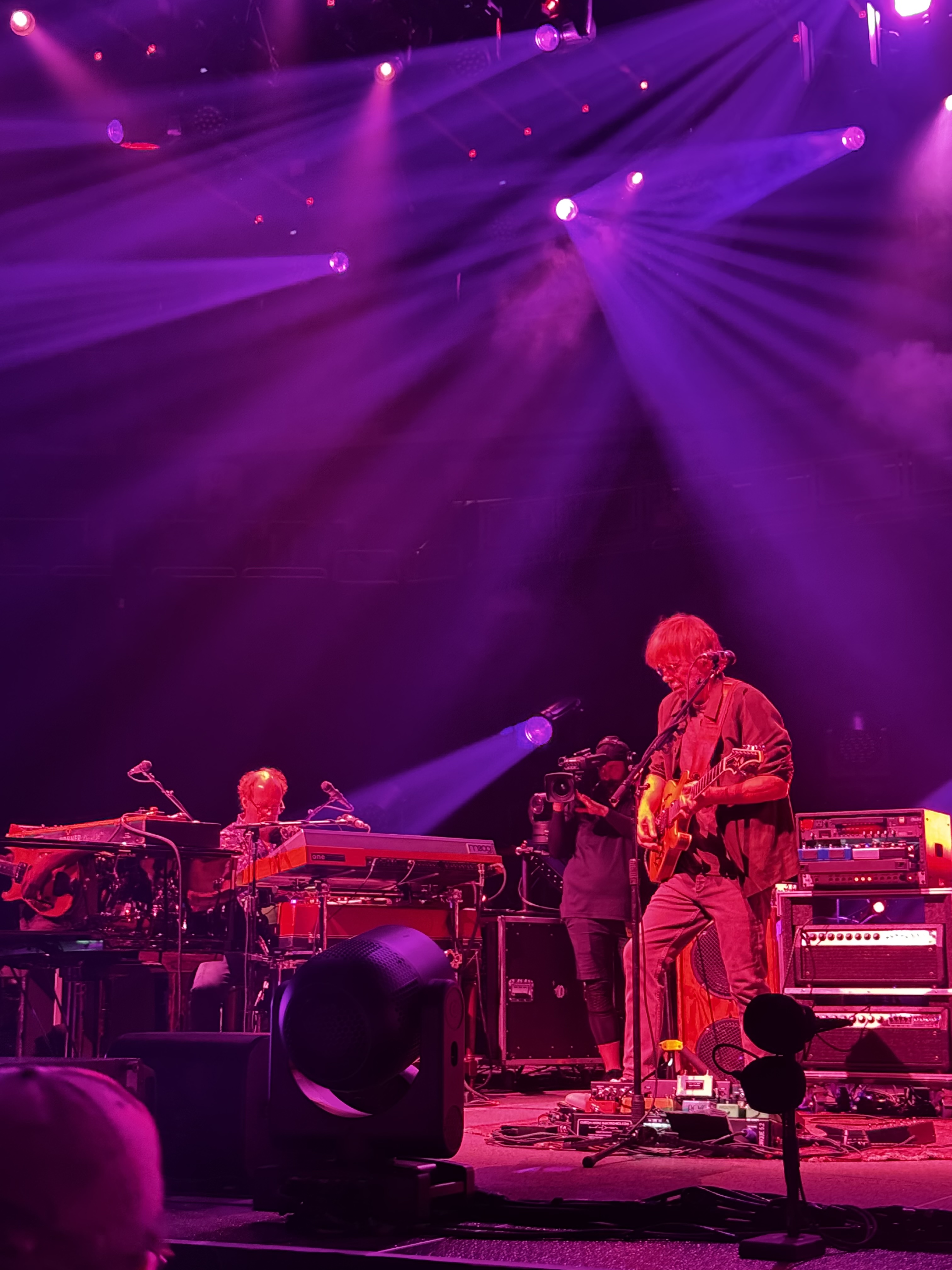
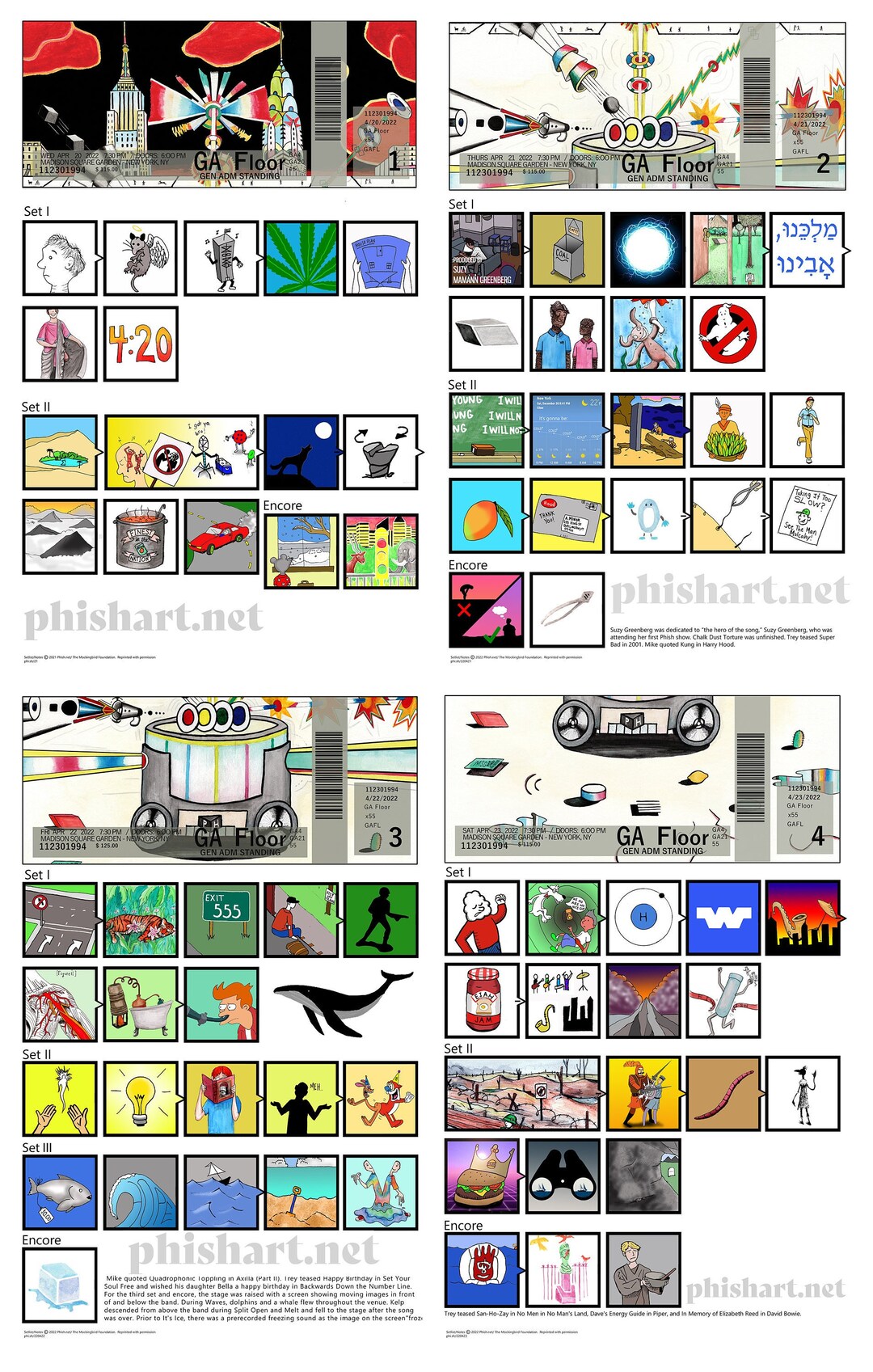
For the uninitiated, navigating a live Phish concert requires understanding the intricate architecture of their performance style, commonly tracked and dissected via the modern phish setlist. As the band continues its milestone touring eras into 2026, tracking song rotations, bust-outs, and venue histories has evolved from underground tape-trading forums into real-time digital tracking. This comprehensive guide analyzes how phish setlists are structured, the statistical frameworks behind their live curation, and how modern fans decode the band's nightly musical narrative.
Anatomy of a Phish Performance: Understanding Set Structure
Unlike conventional rock bands that rely on a static, pre-planned sequence of songs each night, Phish operates on an improvisational framework that treats every show as a unique sonic ecosystem. A standard Phish performance is traditionally divided into distinct structural blocks, each serving a specific dynamic purpose within the evening.
- Set One (The Opening Frame): Typically characterized by a mix of high-energy rock staples, older classic tracks, and tighter, structured compositions. While exploratory jams do occur in the first set, the focus is generally on lyrical delivery and establishing early momentum.
- Set Two (The Exploratory Core): Universally anticipated by the fanbase, the second set is where the band traditionally launches into extended, type-II improvisational journeys. Song selections here often feature sprawling ambient soundscapes, rhythmic deconstruction, and seamless segues.
- The Encore: A brief, high-impact concluding segment, usually consisting of one to three songs, often highlighting fan-favorite anthems or emotional acoustic and a cappella numbers.
Decoding Setlist Notation and Live Shorthand
When analyzing a phish setlist on platforms like Phish.net or live tracking applications, followers encounter a specialized nomenclature. Understanding these symbols is essential for reading the historical context of any given performance.
| Notation Symbol | Meaning in Phish Setlist Context | Musical Implication |
|---|---|---|
| -> (Arrow) | Seamless Transition | The band moves directly from the end of one song into the beginning of the next without a pause or silence. |
| > (Greater Than) | Segue | A fluid musical bridge connects two songs, often incorporating ambient sound or drum solos. |
| TE | Tracing Episode / Tease | A band member briefly plays a melodic fragment or riff of an entirely different song within the current jam. |
| FTP | First Time Played | The debut of a brand-new original composition or cover song added to the active repertoire. |
| C | Callback / Quotation | Lyrical or musical callbacks to previous songs played earlier in the tour or show run. |
The Mechanics of Type-I vs. Type-II Improvisation
To truly understand why a phish setlist drives intense statistical analysis, one must differentiate between the primary modes of musical exploration. The depth of a live performance often hinges on which improvisational path the band takes during specific song slots.
Type-I improvisation involves exploring the boundaries of a composed song structure. The band stays within the established harmonic key, chord progressions, and melodic themes of the piece, stretching its duration through dynamic builds, tempo shifts, and varied guitar phrasing.
Conversely, Type-II improvisation—frequently referred to by fans as "going deep"—occurs when the band completely abandons the original song structure. They venture into uncharted harmonic and rhythmic territory, often creating entirely new ambient or avant-garde movements before either resolving back into the original song or segueing smoothly into an entirely different track entirely.
Evolution of Song Rotation and Tour Statistics
Statistical tracking of the phish setlist has become a sophisticated hobby for data-minded fans. Tour managers and obsessive followers track metrics such as gap counts (the number of shows played since a specific song was last performed), bust-outs (rare songs played after a long absence), and venue rotation histories.
Tour Tracking Parameters - Average Song Gap: Monitored to predict rare appearances. - Debut Frequency: Tracking new additions to the active 300+ song repertoire. - Venue Residency Stats: Evaluating multi-night runs (e.g., historical data at Madison Square Garden or Dick's Sporting Goods Park).
Analyzing these metrics allows seasoned concertgoers to make educated guesses regarding what might be played on any given night. If a major rotation staple has sat on the shelf for over twenty shows, the probability of it appearing during a high-profile weekend run increases significantly.
Pros and Cons of Real-Time Setlist Tracking
The rise of instant digital communication has fundamentally altered how fans experience live shows, creating distinct advantages and disadvantages for both attendees and couch-tour enthusiasts.
- Pros:
- Instant access to historical song data and bust-out alerts during the live performance.
- Enhanced community connection through live chat rooms and shared statistical databases.
- Ability for couch-tour participants to follow along with real-time text and audio feeds.
- Cons:
- Potential distraction for live attendees who spend more time staring at mobile screens than engaging with the stage.
- Spoilers regarding unexpected song selections or rare guest appearances before they unfold organically.
- Over-quantification of art, where unique musical moments are reduced to mere numbers and rarity rankings.
Essential Guide to Analyzing Live Data
For those looking to dive deeper into the statistical analysis of live Phish performances, establishing a systematic approach is key.
- Utilize Verified Databases: Rely on established community-driven archives like Phish.net for accurate, peer-reviewed setlist data and song histories.
- Track the Soundcheck: Pay attention to afternoon soundcheck reports, as they frequently preview unreleased material or songs slated for rotation during the evening show.
- Cross-Reference Venue Histories: Examine previous setlists played at the same venue to understand historical song biases, acoustic quirks, and local crowd favorites.
- Evaluate the Flow: Look beyond individual rarity stats and evaluate the overall macro-flow of the show—how the energy transitions from the opening chords of Set One to the ambient depths of Set Two.
Expert Insight on Setlist Strategy: Phish frequently utilizes strategic sequencing to balance intense sonic experimentation with fan-accessible sing-alongs. When evaluating a newly posted phish setlist, look past the individual song titles and examine the placement of structural anchors. The heaviest improvisational weight is almost universally concentrated in the second and third slot of the second set, serving as the psychological climax of the evening.
Frequently Asked Questions About Phish Setlists
What is the most frequently played song in Phish history?
The song "You Enjoy Myself" (YEM) holds the record for the most frequent appearance across the band's extensive live history. Debuted in the early 1980s, YEM remains a cornerstone of their live catalog, celebrated for its complex composed sections and extended vocal jam.
How quickly are setlists updated online during a live show?
During active performances, community-driven platforms update setlists in near real-time, often within seconds of a song starting, thanks to dedicated fans reporting live from the venue floor.
What does "Type-II" mean on a phish setlist forum?
Type-II refers to deep, fully improvisational jamming where the band completely departs from the original song's chord structure and melody to create entirely new, unscripted music.
Can a fan predict what songs will be played at a specific venue?
While exact predictions are difficult due to the band's spontaneous nature, fans use historical rotation data, song gaps, and venue traditions to forecast likely candidates for multi-night runs.
Where can I find official audio recordings corresponding to past setlists?
Official soundboard recordings of nearly every modern performance are made available via the Live Phish platform immediately following the conclusion of each concert.
What is a "bust-out" in the context of live tracking?
A bust-out refers to a rare song that has not been performed by the band for a significant number of shows, often generating immense excitement within the live audience when it finally reappears.
Conclusion
Mastering the intricacies of the phish setlist elevates the concert-going experience from a simple evening of live music to participation in a sprawling, multi-decade musical narrative. By understanding the underlying structures, improvisational frameworks, and statistical tracking methods, fans gain a profound appreciation for how Phish continually reinvents its catalog night after night.