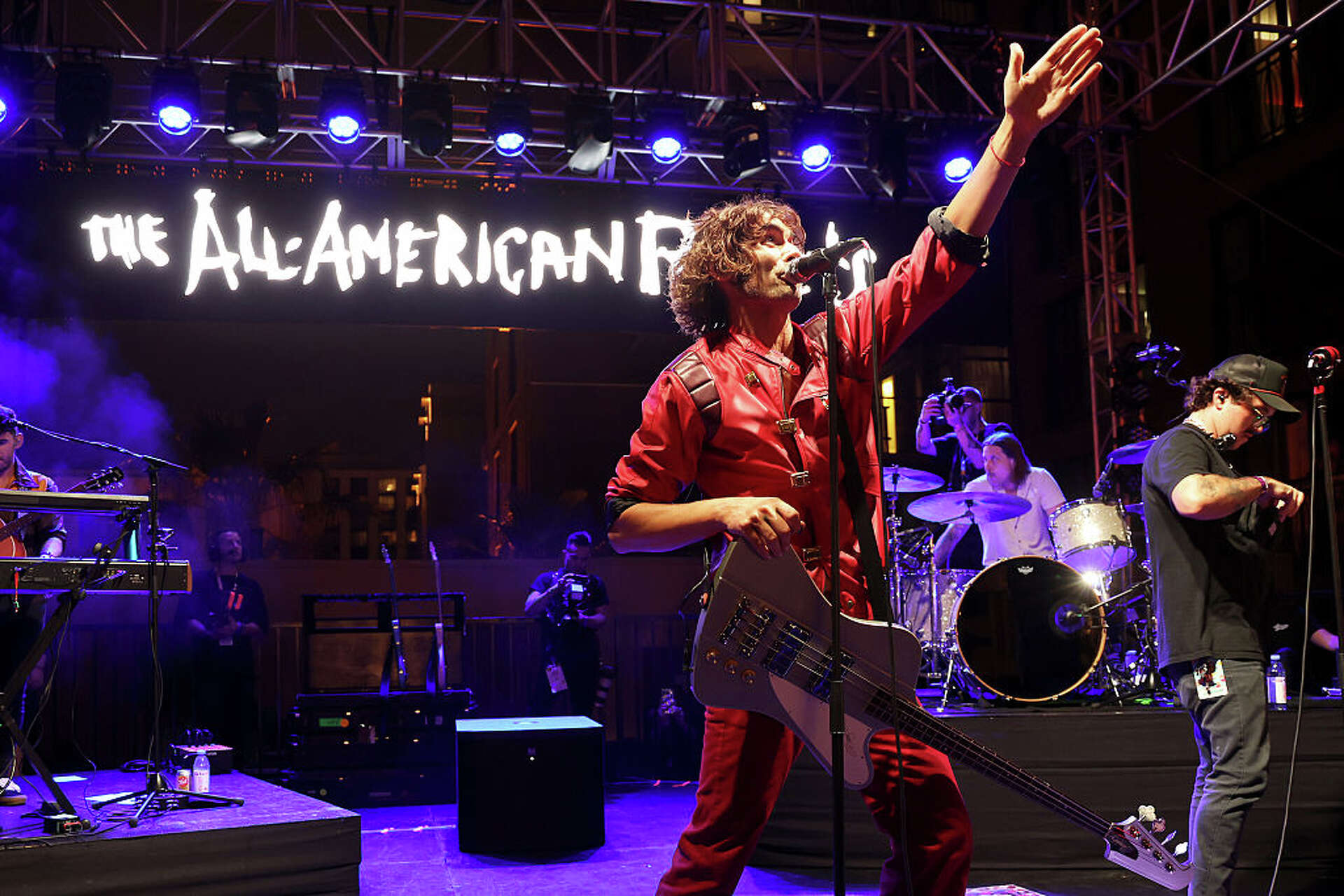
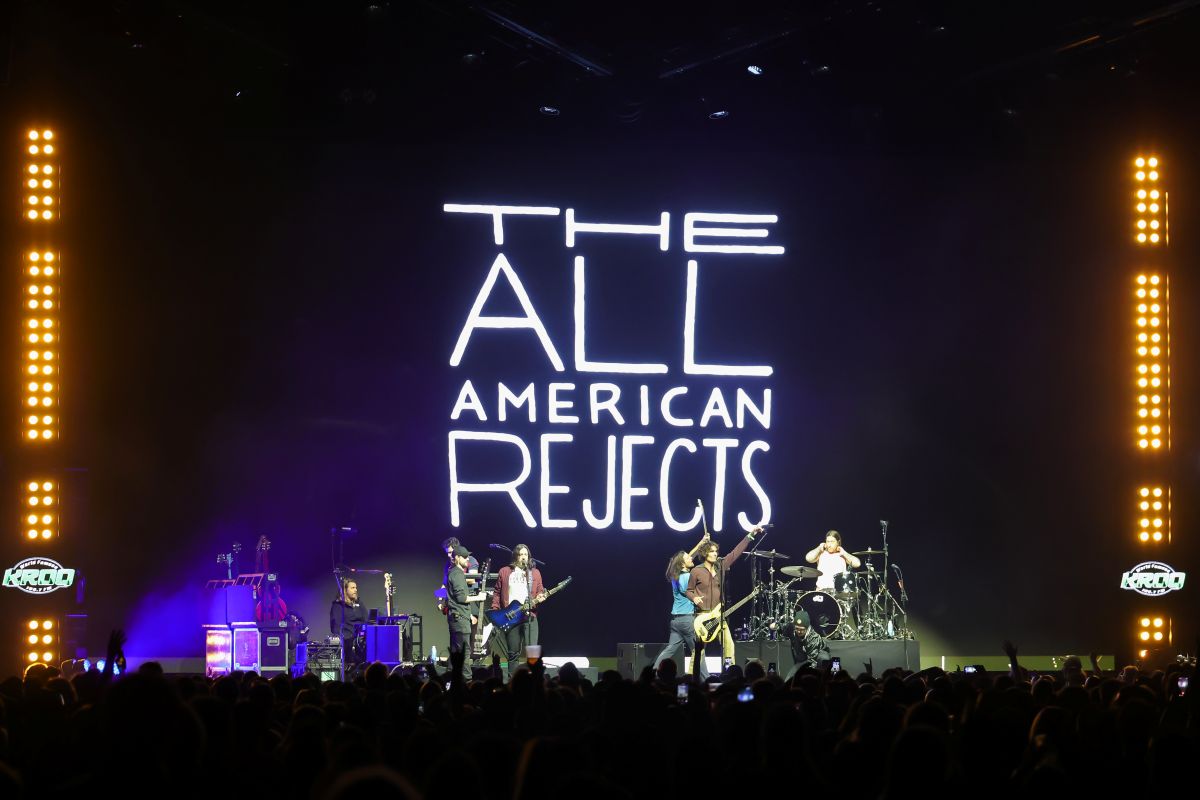
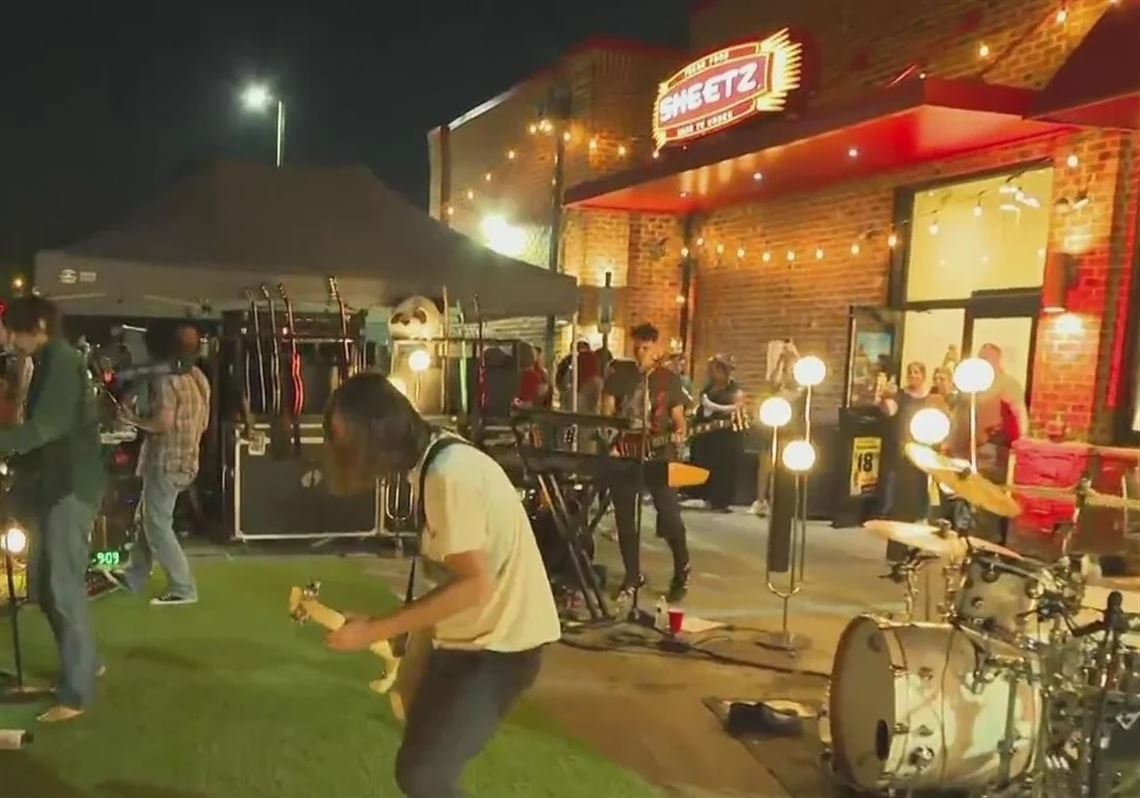
The All-American Rejects' intimate backyard and secret pop-up shows offer fans a rare, unscripted look at the multi-platinum rock band outside traditional arena settings. Featuring raw acoustic arrangements, energetic fan interactions, and stripped-back takes on classics like "Gives You Hell" and "Dirty Little Secret," these exclusive performances remain prized moments documented through archival setlists and fan-captured photography.
The Evolution of The All-American Rejects' Intimate Pop-Up and Backyard Performances
Since forming in Stillwater, Oklahoma, in 1999, The All-American Rejects—fronted by vocalist and bassist Tyson Ritter alongside lead guitarist Nick Wheeler, rhythm guitarist Mike Kennerty, and drummer Chris Gaylor—have balanced massive stadium tours with spontaneous, small-scale performances. While their mid-2000s breakthrough propelled them onto global festival stages and amphitheater co-headlining tours, the band has periodically returned to small venues, radio contest house parties, and secret backyard pop-up gigs.
These intimate gatherings serve a distinct purpose in the band’s ongoing performance history. Unlike heavily choreographed arena shows with fixed cue sheets, pyrotechnics, and rigid timing schedules, backyard and pop-up shows allow the group to test modified song arrangements, banter candidly with attendees, and revisit neglected album tracks. For fans, these events represent the ultimate concert experience: zero stage barriers, unamplified or low-wattage vocal deliveries, and direct connection with the musicians.
The tradition of the backyard gig has deep roots in the alternative rock and pop-punk subcultures. For The All-American Rejects, intimate sets echo their early days playing DIY venues and Midwest house shows prior to signing with Doghouse Records and DreamWorks. Even after achieving multi-platinum success, private backyard shows—often organized as secret promotional events, charity pop-ups, or contest prizes—maintain a unique place in their performance canon.
Deconstructing the Intimate Backyard Show Setlist
When performing in intimate settings such as backyards, private rooftops, or small pop-up spaces, The All-American Rejects adjust their setlist construction significantly compared to standard tour stops. The absence of complex lighting rigs and large-scale audio production encourages a shift toward acoustic-electric hybrids, stripped-down rhythmic foundations, and conversational set pacing.
Typical Intimate Backyard Show Set Structure: [Opening Hits] ➔ [Stripped Acoustic Medley] ➔ [Deep Cuts & Fan Requests] ➔ [Encore Anthem]
1. Opening Energy and Core Hits
Even in a backyard setting, opening tracks are calibrated to establish immediate engagement. The band typically opens intimate sets with fast-tempo, recognizable riffs. Tracks like "Swing, Swing" from their 2002 self-titled debut or "Fallin' Apart" frequently serve as icebreakers, immediately establishing a familiar connection with the audience.
2. Acoustic Re-imagining of Chart-Toppers
A hallmark of exclusive backyard performances is the structural re-arrangement of their biggest commercial hits. Songs originally produced with dense layerings of electric guitars and studio percussion are reduced to fundamental elements:
- "Dirty Little Secret": Often performed on acoustic guitar with relaxed tempo cadence, allowing Ritter’s vocal melody and vocal phrasing to take center stage.
- "It Ends Tonight": Transitioned from a dramatic piano-driven ballad into an intimate acoustic arrangement, with secondary guitar harmonies provided by Wheeler and Kennerty.
- "Gives You Hell": Frequently formatted as a call-and-response sing-along, where the close proximity of the backyard audience replaces the traditional arena crowd roar.
3. Fan Favorites and Spontaneous Deep Cuts
Because backyard sets operate without strict venue curfews or automated timing tracks, the band routinely incorporates deep cuts and spontaneous audience requests. Tracks such as "My Paper Heart," "The Last Song," and "Drive Away" frequently appear in these intimate setlists, offering dedicated listeners compositions that are rarely featured on high-profile festival rosters.
Visual Insights: Key Elements Captured in Exclusive Backyard Photos
Concert photography from exclusive backyard and pop-up shows presents a stark contrast to traditional photo-pit media. Without barrier fences, security moats, or high-intensity stage lighting, photos captured at these secret gigs offer an authentic, close-quarter view of the performance.
Informal Stage Aesthetics and Gear Configurations
Photographs from backyard performances frequently detail the pragmatic, minimalist equipment configurations used by the band:
- Amplification: Compact combo amplifiers substitute for massive full-stack speaker arrays.
- Drum Kits: Gaylor often utilizes stripped-down drum set-ups, utilizing brushes, rods, or lighter sticks to balance volume for small outdoor or residential spaces.
- Instrumentation: Ritter frequently trades his traditional bass guitar setup for an acoustic guitar or upright bass during unplugged segments, captured in high-detail close-up shots.
Unfiltered Audience and Band Dynamics
In standard concert venues, photographers are restricted to the first three songs from a designated pit area. Backyard photography, however, captures the full arc of the event. Key visual motifs in exclusive photo sets include:
- Zero-Distance Interaction: Images showing Ritter performing directly amidst the crowd, singing face-to-face with attendees without physical stage separation.
- Candid Off-Stage Moments: Photos documenting the band tuning instruments on lawn chairs, interacting with hosts, or adjusting sound levels mid-performance.
- Natural Lighting Transitions: Performances that span late afternoon to evening capture natural sunset lighting transitioning into basic ambient strung lights or single-point warm spotlights.
Comparative Analysis: Arena Tours vs. Backyard Pop-Up Performances
To understand how an exclusive backyard performance differs from standard commercial tours, the following table breaks down operational, setlist, and staging characteristics:
| Performance Metric | Standard Arena / Festival Tour | Exclusive Backyard / Pop-Up Show |
|---|---|---|
| Average Audience Capacity | 5,000 – 20,000+ attendees | 50 – 300 attendees |
| Audio Setup | Full Line-Array PA, in-ear monitors, subwoofers | Portable PA systems, low-wattage combo amps, ambient acoustic sound |
| Setlist Flexibility | Rigid cue-based setlist; synchronized visual/light cues | Highly flexible; responsive to crowd requests and improvised songs |
| Instrumentation | Full electric setups, backing tracks, complex synth routing | Acoustic guitars, simplified percussion, raw direct instrument inputs |
| Set Length | 75 – 105 minutes | 45 – 75 minutes (often including conversational Q&A) |
| Primary Visual Vibe | Professional production, LED screens, high-contrast lighting | Natural sunlight, ambient festoon lighting, informal backyard setting |
| Fan Access & Proximity | Restricted via security barriers and photo pits | Direct interaction, shared ground level, immediate line-of-sight |
How Music Archivists and Fans Document Secret Shows
Preserving the history of unscheduled pop-up gigs and private backyard shows presents unique challenges for music archivists and fan communities. Because these events often lack formal ticket sales or published media pass registries, capturing accurate setlists and verifying photography requires specialized archival approaches.
Verification Pipeline for Exclusive Show Records: [Fan Audio/Video Clips] ➔ [Setlist.fm Cross-Reference] ➔ [EXIF Photo Metadata Validation] ➔ [Archival Logged Entry]
1. Setlist Verification Methods
Setlist verification relies on community-driven platforms such as Setlist.fm, cross-referenced against attendee video recordings and band social media accounts. Archivists verify set order by examining sequential timestamped clips uploaded by attendees. When song order is disputed, audio matching techniques help establish the exact sequence of tracks played during unplugged medleys.
2. Photography Archival and Metadata Tracking
High-resolution photos captured at private backyard events often hold significant historical value for fan archives. Digital archivists verify the authenticity of exclusive backyard photos using embedded EXIF metadata:
- Timestamp Data: Confirms the exact date and time matching reported performance schedules.
- Camera Profiles: Distinguishes professional gear used by embedded press from smartphone captures by attendees.
- Geotag Verification: Verifies the physical location of the event to differentiate between official radio pop-ups and informal private appearances.
3. Legal and Copyright Considerations
Photographs and audio recordings from private house or backyard shows exist in a distinct legal category. While public performance photography in standard venues is governed by credential agreements issued by publicists, private property performances are subject to venue owner consent and rights-of-publicity considerations. Professional photojournalists publishing exclusive backyard galleries ensure image licensing complies with standard editorial usage policies.
Frequently Asked Questions
What songs are typically included in an intimate All-American Rejects setlist?
Intimate setlists blend major commercial hits with acoustic re-arrangements and deep cuts. Core singles like "Gives You Hell," "Dirty Little Secret," "Move Along," and "Swing, Swing" are almost always included, alongside less frequently toured tracks such as "My Paper Heart" or "The Last Song."
Where can fans find verified photos and setlists from secret or backyard performances?
Verified setlists are primarily maintained on community archives such as Setlist.fm. Exclusive photo galleries and set recaps are typically published through official band media channels, music journalism outlets covering special events, and verified fan archivist archives.
Does Tyson Ritter perform acoustic or full-band versions during intimate house shows?
Intimate backyard shows feature a mix of both formats. Depending on space and sound restrictions, the band may perform as a fully unplugged acoustic ensemble or as a hybrid setup featuring stripped-back electric guitars and low-volume percussion.
How do band members prepare differently for small backyard shows compared to stadium tours?
Preparation for small shows focuses on vocal blend, acoustic instrument tuning, and setlist flexibility rather than rehearsing synchronized timing cues or lighting changes. The band relies more on spontaneous interplay and direct banter with the audience.
How can fans get access to future pop-up and secret shows?
Access to secret pop-up or backyard performances is usually arranged through official band mailing lists, localized radio station contests, promotional partner announcements, or sudden social media alerts broadcast shortly before the performance.
How to Track and Document Future Exclusive Pop-Up Shows
For dedicated collectors, music historians, and fans looking to follow or archive future intimate appearances by The All-American Rejects, establishing a structured tracking workflow ensures no rare performance passes undocumented:
- Monitor Official Broadcast Channels: Subscribe to official band newsletters, SMS alert systems, and verified social channels where short-notice pop-up announcements are first distributed.
- Cross-Reference Local Radio and Media Contests: Many intimate home or backyard performances are hosted in conjunction with regional alternative rock radio stations as exclusive listener perks.
- Contribute to Open Archival Databases: If attending an exclusive performance, log setlist details on Setlist.fm immediately following the event, noting any unusual acoustic arrangements or improvised covers.
- Preserve High-Quality Visual Media: Secure photography with intact EXIF metadata and preserve raw video clips. When uploading to public archives, tag performances with specific date, city, and venue context to assist ongoing musical documentation.