All-American Girl: The Mary Kay Letourneau Story is a 2000 made-for-television drama film produced for the USA Network that dramatizes the high-profile 1997 criminal case of Mary Kay Letourneau. Starring Penelope Ann Miller and Omar Epps, the film chronicles the arrest, legal proceedings, and intense media coverage surrounding a suburban Seattle schoolteacher convicted of child molestation involving her underage student.
Background and Production of the 2000 Television Film
Premiering on the USA Network on January 18, 2000, All-American Girl: The Mary Kay Letourneau Story was among the earliest scripted screen adaptations of the infamous scandal that captivated American tabloids and news networks in the late 1990s. Directed by Lloyd Kramer and written by Peter Ness, the movie arrived while the legal consequences and public fallout of the case were still actively unfolding in Washington State.
The production sought to capitalize on public fascination with true-crime stories, a television genre that expanded rapidly during the late 1990s. Unlike standard investigative documentaries, the film structured the narrative as a sensationalized dramatization, exploring the contrast between Letourneau’s public image as a pillar of suburban domesticity and the illegal sexual relationship she maintained with a child.
Filmed largely in British Columbia, Canada—a standard location substitute for the Pacific Northwest in network television productions of that era—the movie reconstructed key events from the initial police investigation in Burien, Washington, through Letourneau's court hearings, plea agreement, probation violations, and eventual incarceration.
Cast and Key Performances in the Movie
The film relied on a cast of established television and film actors to depict the primary figures involved in the law enforcement investigation, legal defense, and family networks surrounding the case.
- Penelope Ann Miller as Mary Kay Letourneau: Miller portrayed the central figure, capturing the cognitive dissonance of a 34-year-old mother of four and elementary school educator who insisted her criminal behavior was an authentic romantic relationship. Miller received a Golden Globe nomination in 2001 for Best Actress in a Miniseries or Motion Picture Made for Television for her performance.
- Omar Epps as Detective Steve Johnston: Epps played the lead detective tasked with investigating the allegations reported by Letourneau's estranged husband and building the state's criminal case.
- Rodrigo Castro as Vili Fualaau: Castro portrayed the young victim, depicting the psychological manipulation and confusion experienced by a minor involved with an adult authority figure.
- Robert Loggia as John Schmitz: Veteran actor Robert Loggia portrayed Mary Kay Letourneau’s father, John G. Schmitz, a prominent conservative politician and former U.S. Congressman. His presence in the narrative emphasized the family's public stature and political connections.
- Rena Sofer as Janine: Sofer played a supporting role as a close confidante, highlighting the social circle and community reactions in suburban Seattle as the news broke.
The performances generally focused on the personal breakdown of the Letourneau family structure, the legal friction between defense attorneys and prosecutors, and the media circus that dominated the courthouse steps during pre-trial hearings.
Plot Breakdown vs. Real-Life Timeline of the Scandal
The narrative framework of All-American Girl: The Mary Kay Letourneau Story tracks the factual chronology of the criminal investigation while condensing timeline details for dramatic pacing.
The Discovery and Initial Investigation
The film opens by establishing Letourneau’s seemingly normal life in 1996 as a second-grade teacher at Shorewood Elementary School in Burien, Washington. She is shown balancing her teaching career, her marriage to Steve Letourneau, and raising their four children. The plot shifts when her husband discovers letters and diary entries detailing an ongoing sexual relationship between Mary Kay and 12-year-old Vili Fualaau, a former second-grade student of hers who was then in the sixth grade.
Arrest, Pregnancy, and Plea Bargain
In March 1997, law enforcement officials arrested Letourneau. At the time of her arrest, she was pregnant with Fualaau's child. To avoid a lengthy trial and a maximum 10-year prison sentence, Letourneau entered a plea deal in August 1997, pleading guilty to two counts of second-degree child molestation. She was sentenced to six months in jail with seven years of probation, under strict legal conditions that prohibited any contact with Fualaau or her newborn daughter, Audrey.
Probation Violation and Prison Sentence
The film's climax centers on the breach of her probation conditions. Just weeks after her conditional release from jail in early 1998, police discovered Letourneau and Fualaau together inside a parked automobile. The court immediately revoked her probation, enforcing the full seven-and-a-half-year prison term at the Washington Corrections Center for Women. While in custody serving this sentence, she gave birth to their second child, Georgia, in October 1998.
Cinematic Portrayal vs. Fact: Comparing the Film to the Real Case
While the film adheres to major legal milestones, television dramatizations necessarily compress timelines, composite minor characters, and frame dialogue for narrative tension. The table below outlines key differences between the movie’s portrayal and confirmed historical records.
| Narrative Feature | USA Network Film Portrayal (2000) | Historical Record & Case Reality |
|---|---|---|
| Primary Focus | Sensationalized romantic and legal drama surrounding the arrest and 1997–1998 hearings. | Statutory sexual assault and child abuse criminal prosecution by King County prosecutors. |
| Victim Perspective | Depicted primarily as a passive subject within a chaotic adult media frenzy. | Real-life minor subjected to statutory abuse, grooming by a trusted educator, and intense public scrutiny. |
| Scope of Timeline | Concludes shortly after Letourneau begins her extended prison sentence in 1998. | Extends through her 2004 prison release, 2005 marriage to Fualaau, 2019 legal separation, and 2020 death. |
| Legal Strategy Focus | Focuses on defense arguments, family distress, and detective surveillance tactics. | Focused on statutory legal standards, strict probation requirements, and repeated court orders. |
| Characterization | Sympathetic and melodramatic framing of Letourneau's psychological state. | Firm judicial rulings rejecting arguments of consent due to the legal incapacity of a minor. |
Media Ethics, Reception, and Legal Controversies Surrounding the Release
The release of All-American Girl: The Mary Kay Letourneau Story in early 2000 sparked widespread discussion regarding media ethics, the exploitation of real-life crime victims, and the framing of statutory sexual abuse in popular culture.
Critical Reception
Television critics offered mixed reviews upon the film's premiere. While Penelope Ann Miller's acting received praise for avoiding outright caricature and presenting a complex psychological portrait, commentators frequently criticized the script for blurring the lines between true-crime reporting and sensationalized melodrama. Reviewers noted that the film occasionally risked romanticizing an illegal relationship between an adult in a position of authority and a young child.
Ethical Considerations Regarding Minors
A primary point of public critique concerned the quick turnaround between the real-life events and the television adaptation. Because the film was produced while the victim was still a minor and the perpetrator was actively serving a prison sentence, ethicists and media scholars questioned the propriety of dramatizing ongoing trauma for commercial television ratings. The movie highlighted a broader trend in late 1990s television production, where broadcast networks rushed "ripped-from-the-headlines" docudramas to air while legal proceedings were active.
Legacy of the Case and Subsequent Screen Adaptations
The 2000 USA Network movie was only the first major screen project to tackle the Letourneau scandal. Over the subsequent two decades, the case continued to serve as a reference point in popular culture regarding teacher-student abuse cases, criminal justice probation enforcement, and public fascination with tabloid crime.
Post-Movie Real-World Developments
The movie's narrative ends in the late 1990s, but the real-life story continued for two more decades:
- Prison Release and Marriage: Letourneau was released from prison in August 2004 after serving her full sentence. In May 2005, shortly after Fualaau turned 21, the couple married in Washington State.
- Legal Separation and Later Years: After remaining married for over a decade and raising their two daughters, Fualaau filed for legal separation in 2017, and their divorce was finalized in late 2019.
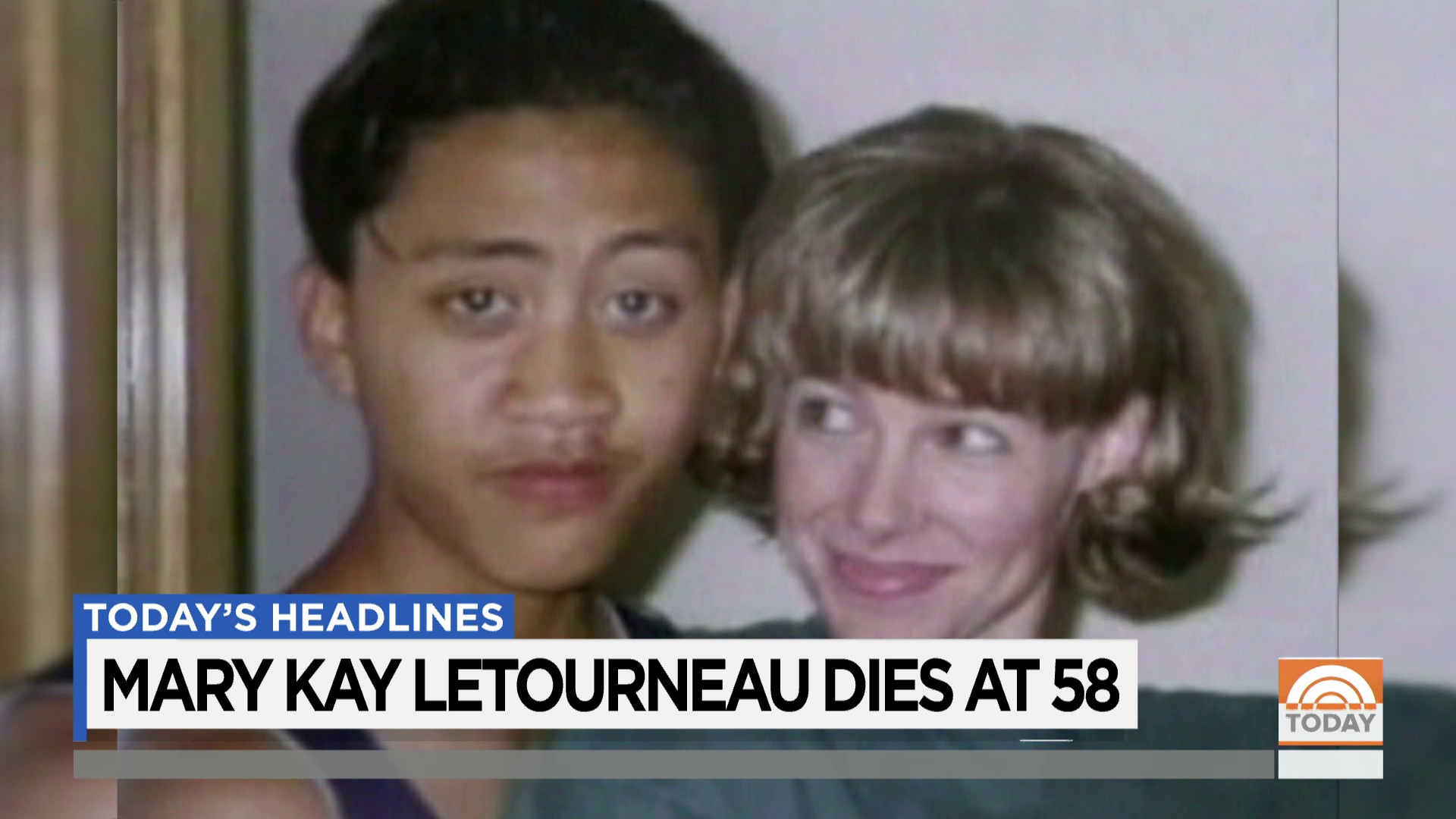
- Death of Mary Kay Letourneau: On July 6, 2020, Letourneau died from stage 4 colorectal cancer at her home in Washington at the age of 58, with Fualaau and her family present.
Further Media and Documentary Adaptations
Beyond the 2000 television movie, numerous true-crime documentary series, including episodes of 20/20, Dateline NBC, and various cable biography specials, covered the case with updated interviews. In 2023, director Todd Haynes released the critically acclaimed feature film May December, starring Julianne Moore and Natalie Portman. Although fictionalized, the film was explicitly inspired by the public fascination, media circus, and psychological dynamics surrounding the Letourneau case and its 2000 TV-movie adaptation.
How to Research True-Crime Adaptations Responsibly
When examining dramatizations of sensitive real-world criminal cases, researchers and viewers should adopt a critical analytical approach to separate factual legal records from cinematic dramatization.
- Consult Official Court Documents: Review primary legal materials, such as trial transcripts, plea agreements, and appellate court decisions from the state jurisdiction (e.g., King County Superior Court in Washington), rather than relying on movie scripts for legal facts.
- Distinguish Between Docudrama and Documentary: Recognize that scripted TV movies synthesize dialogue, condense timelines, and introduce fictionalized composite characters for dramatic effect.
- Cross-Reference Contemporary News Reporting: Compare dramatized scenes with archived newspaper coverage from reputable outlets (such as the Seattle Times or Associated Press) written during the original timeframe of the events.
- Evaluate Victim Rights and Ethical Framing: Analyze whether the media product respects the privacy and psychological context of crime victims or prioritizes sensationalized entertainment values.
Frequently Asked Questions
Where was All-American Girl: The Mary Kay Letourneau Story originally broadcast?
The movie originally premiered on the USA Network on January 18, 2000, as a television movie of the week.
Who played Mary Kay Letourneau in the 2000 TV movie?
Actress Penelope Ann Miller played Mary Kay Letourneau, a role that earned her a Golden Globe nomination for Best Actress in a Miniseries or Motion Picture Made for Television.
Did Mary Kay Letourneau or Vili Fualaau participate in the film's production?
No, the 2000 USA Network film was an unauthorized dramatization produced without the official cooperation or endorsement of Mary Kay Letourneau or Vili Fualaau.
How accurate is the 2000 movie compared to what actually happened?
The film accurately follows the primary legal timeline from the 1997 arrest through the 1998 probation revocation and prison sentence, but it condenses events, dramatizes private conversations, and simplifies complex legal arguments for broadcast television format.
What happened to Mary Kay Letourneau after the movie was released?
After the film's 2000 release, Letourneau served the remainder of her prison sentence until 2004. She married Vili Fualaau in 2005, lived in Washington State, divorced in 2019, and passed away from cancer in July 2020.