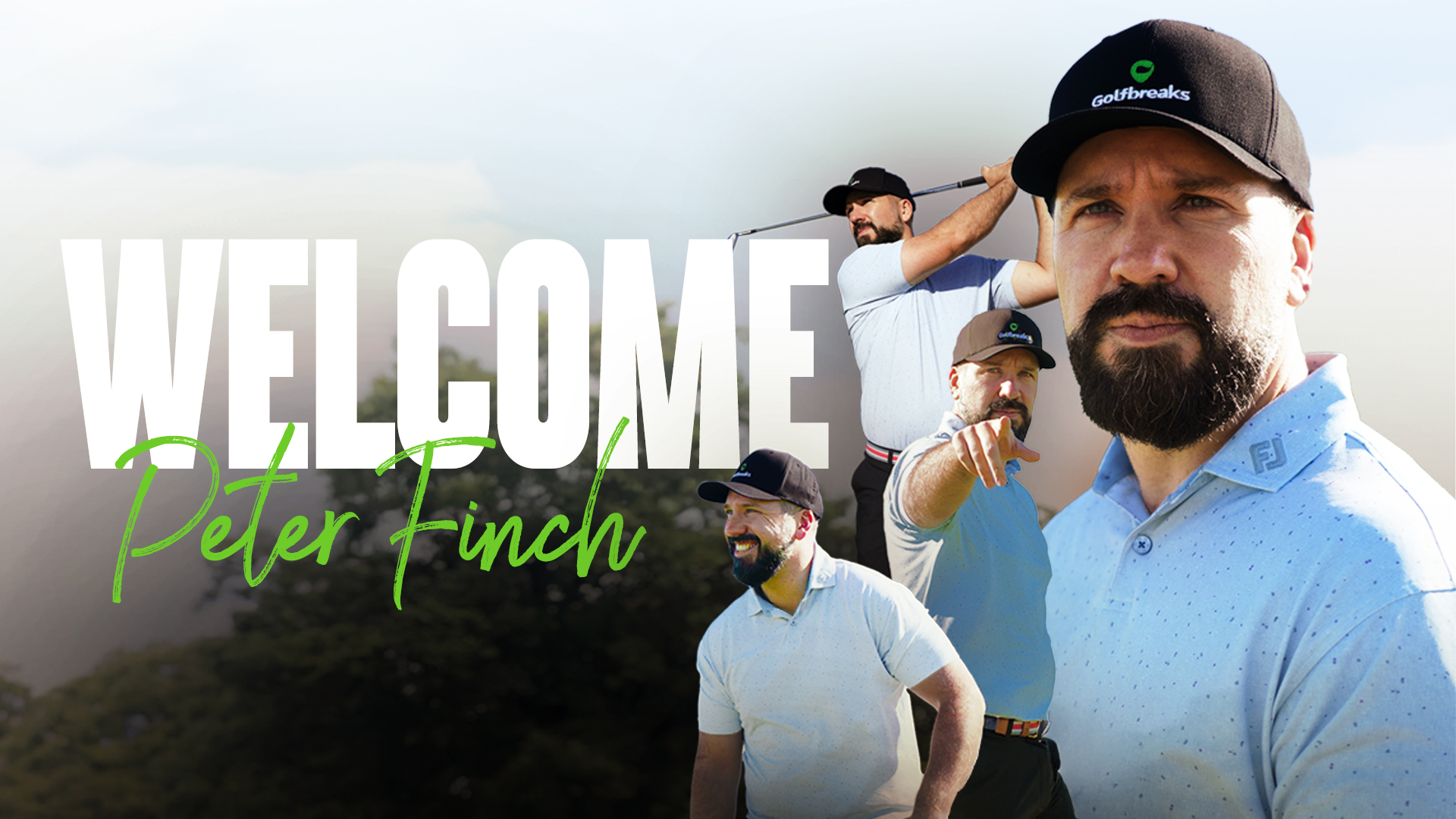
Peter Finch has established himself as one of the most prominent figures in modern digital golf media, transitioning from a traditional PGA professional instructor to a global digital creator, media entrepreneur, and ambassador for the sport. While private financial disclosures for independent digital creators are rarely published with exact precision, industry tracking, multi-platform monetization streams, brand endorsements, and entrepreneurial ventures offer a comprehensive framework to evaluate his career earnings, net worth evolution, and overall financial footprint within the golf industry.
Evolution of a Modern Golf Professional and Content Creator
The career trajectory of Peter Finch provides a structural blueprint for how traditional golf instruction adapted to the digital age. Long before building a massive subscriber base across digital platforms, Finch worked in traditional club settings as a PGA professional, teaching lessons, managing pro shops, and operating within the localized ecosystem of British golf clubs. Transitioning into full-time content creation required a calculated shift away from traditional hourly coaching models toward scalable media production.
In the early stages of digital golf media, monetization was heavily reliant on basic platform advertising revenue and sporadic local sponsorships. As channels like YouTube matured into sophisticated media networks, creators who established high-net-worth brands could leverage diversified income streams. Finch’s channel moved from simple instructional tips filmed on local driving ranges to high-production course vlogs, equipment testing partnerships, and collaborations with major professional tour players, significantly expanding his commercial viability.
Primary Revenue Streams Driving Career Earnings
Understanding the financial standing of a top-tier golf creator requires a detailed breakdown of the distinct commercial channels that generate revenue. Unlike traditional athletes whose earnings are derived from tournament prize purses or contracted team salaries, independent media creators operate multi-faceted businesses. These operations combine digital ad revenue, corporate sponsorships, apparel lines, and live event experiences into a cohesive enterprise.
The primary revenue categories supporting digital media creators in the sports niche include programmatic advertising, long-term brand partnerships, affiliate marketing, and direct-to-consumer merchandise. Each of these pillars contributes differently to annual gross earnings and long-term asset valuation, requiring distinct operational strategies and overhead management.
- Digital Platform Ad Revenue: Programmatic advertising generated through video streaming platforms forms a foundational baseline, driven by view counts, audience retention, and geographic demographics within high-value advertising markets like the United States and the United Kingdom.
- Corporate Brand Endorsements: Long-term partnerships with tier-one golf equipment manufacturers, apparel brands, and technology companies provide substantial baseline contracts that far exceed standard advertising payouts.
- Affiliate Marketing and Retail Commissions: Direct recommendations for golf clubs, launch monitors, shoes, and training aids generate recurring passive income via trackable consumer referral links.
- Live Events and Experiences: Hosting fan-oriented events, collaborative community days, and premium golf experiences offers high-margin supplemental income.
| Revenue Stream | Primary Function | Financial Impact |
|---|---|---|
| Brand Partnerships | Equipment, apparel, and tech endorsements | High consistency; largest single source of commercial backing |
| Platform Advertising | Monetized video views and programmatic ads | Moderate consistency; scales directly with audience growth |
| Direct-to-Consumer | Branded merchandise and accessory sales | Variable consistency; dependent on product drops and margins |
| Live Experiences | Fan events, tournaments, and travel packages | Niche impact; high-margin engagement model |
Brand Partnerships and Commercial Collaborations
Corporate partnerships represent the most lucrative financial sector for elite golf influencers. Brands recognize that modern consumers frequently look to trusted digital creators rather than traditional advertising when making major equipment purchases, such as drivers, irons, and golf balls. Finch has maintained long-standing, high-profile relationships with industry giants such as TaylorMade Golf, Srixon, and various golf technology firms.
These partnership contracts typically involve exclusivity clauses, rigorous content production schedules, and product integration requirements. While exact financial figures for private brand contracts are rarely disclosed publicly, industry standards for creators with hundreds of thousands of highly engaged, niche-targeted subscribers suggest that tier-one equipment and apparel deals command significant annual retainers. Furthermore, these collaborations frequently extend beyond digital media into product development feedback loops, enhancing the creator’s industry authority and commercial leverage.
The Business of Digital Golf Media and Production Costs
While gross revenue figures for prominent creators can reach impressive milestones, evaluating net worth requires a careful assessment of operating expenses, production overhead, and business scalability. Producing professional-grade golf content is capital-intensive. Unlike indoor studio creators, golf media requires continuous travel, course access fees, specialized camera and audio equipment, and a dedicated production crew to capture multi-angle course vlogs and equipment testing sessions.
Finch’s production model evolved from a solo endeavor into a structured media operation. Maintaining a small team of videographers, editors, and administrative staff involves substantial payroll, insurance, and equipment depreciation costs. Consequently, a significant percentage of gross revenue is reinvested back into the business infrastructure to maintain high production values, which in turn commands higher advertising rates and more lucrative brand contracts.
Comparing Creator-Led Golf Media to Traditional Golf Professionals
The financial ecosystem of modern golf has fractured into distinct categories. Traditional touring professionals chase multi-million-dollar prize purses on major tours, whereas digital creators build equity in media assets, digital real estate, and direct audience relationships. The table below outlines the structural differences in earning mechanics between a professional tour player and a prominent digital golf media creator.
| Comparison Metric | Professional Tour Player | Digital Golf Media Creator |
|---|---|---|
| Primary Income Source | Tournament prize money, performance bonuses | Brand sponsorships, digital ad revenue, media monetization |
| Financial Risk | High variance based on weekly on-course performance | Moderate variance based on audience engagement and advertiser demand |
| Asset Longevity | Tied directly to competitive playing career length | Scalable media brand that can persist and grow independently of playing status |
| Overhead Costs | Caddie fees, travel, coaching, physical training | Production crew, camera equipment, travel, course licensing fees |
Frequently Asked Questions About Peter Finch Golf
What is Peter Finch’s estimated net worth?
Exact, verified net worth figures for independent digital creators are private. However, based on estimated revenue from long-term brand partnerships with major golf equipment manufacturers, digital ad revenue, and production business valuations, financial analysts generally place successful golf creators of his stature in the multi-million-pound asset bracket, though speculative public figures often lack official verification.
How did Peter Finch build his audience and career?
Finch began his career as a traditional PGA club professional, focusing on face-to-face coaching. He transitioned into digital media by documenting his own golf journey, offering accessible instructional videos, and eventually scaling into high-production course vlogs, equipment reviews, and collaborative challenges with professional golfers and fellow creators.
Who are Peter Finch’s primary corporate sponsors?
Throughout his digital career, Finch has maintained prominent partnerships with major golf brands, most notably a long-standing and highly visible relationship with TaylorMade Golf, alongside collaborations with apparel lines, technology providers, and golf travel companies.
Does Peter Finch still compete in professional golf tournaments?
While Finch maintains his PGA professional status and occasionally participates in regional professional events, pro-ams, or exhibition matches against other creators, his primary professional focus is digital media production, brand ambassadorship, and golf content creation rather than full-time competitive tour play.
What are the main expenses of running a golf media channel?
Operating a high-end golf media channel involves substantial overhead, including professional camera, drone, and audio equipment, payroll for editors and videographers, constant travel expenses, course access fees, and business insurance.
Strategic Financial Management and Future Outlook
Evaluating the long-term financial trajectory of Peter Finch involves looking beyond annual income statements to consider asset accumulation and business diversification. Creators who successfully transition from individual personalities into recognized media brands often secure their financial futures through equity in their production companies, intellectual property rights, and diversified investments outside of digital video platforms.
For aspiring creators and industry observers, the economic model demonstrated by Finch highlights the viability of modern sports media. By merging traditional sporting expertise with digital distribution and corporate sponsorship savvy, independent creators have carved out a permanent, highly lucrative space within the global golf economy.