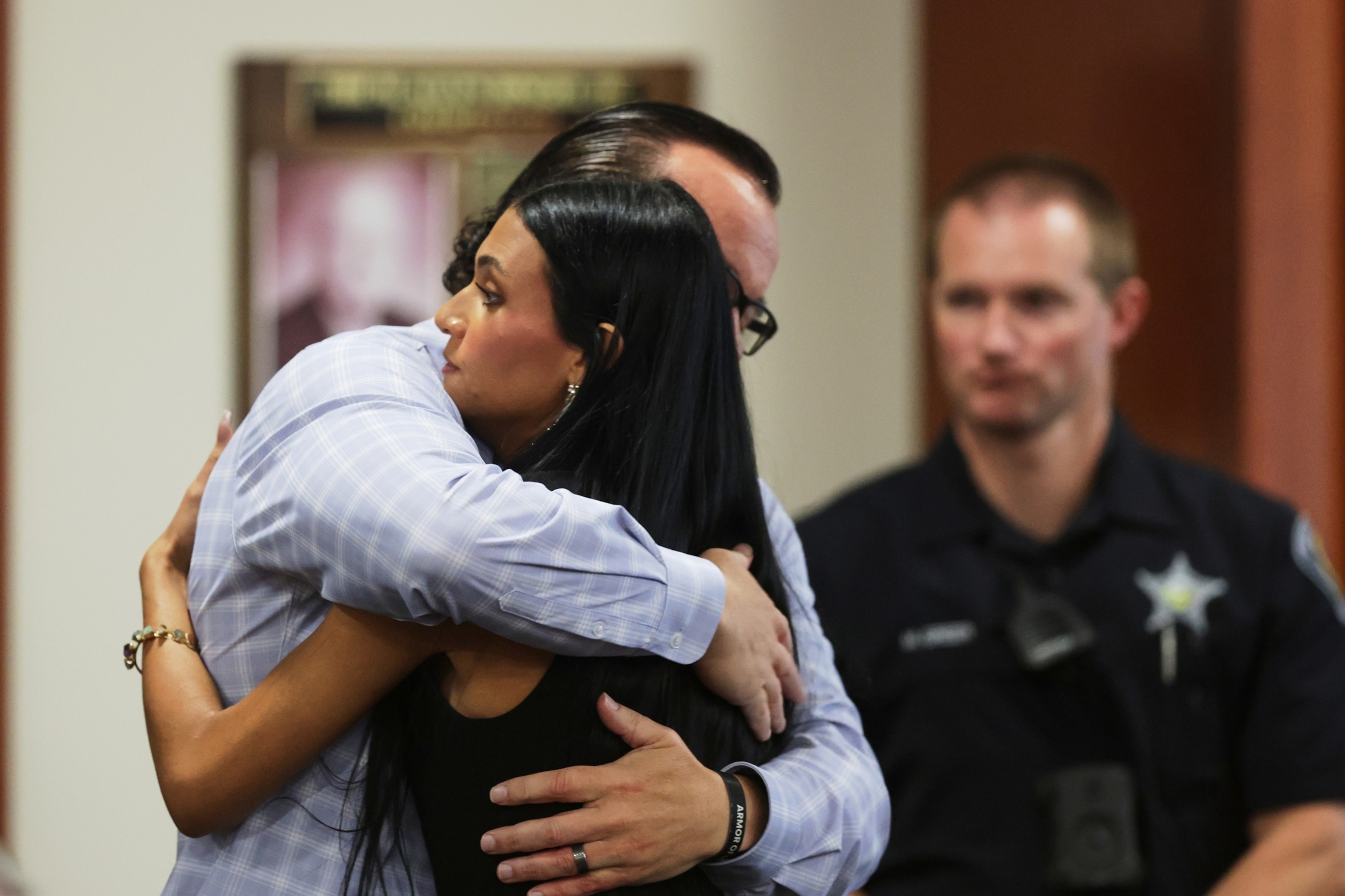
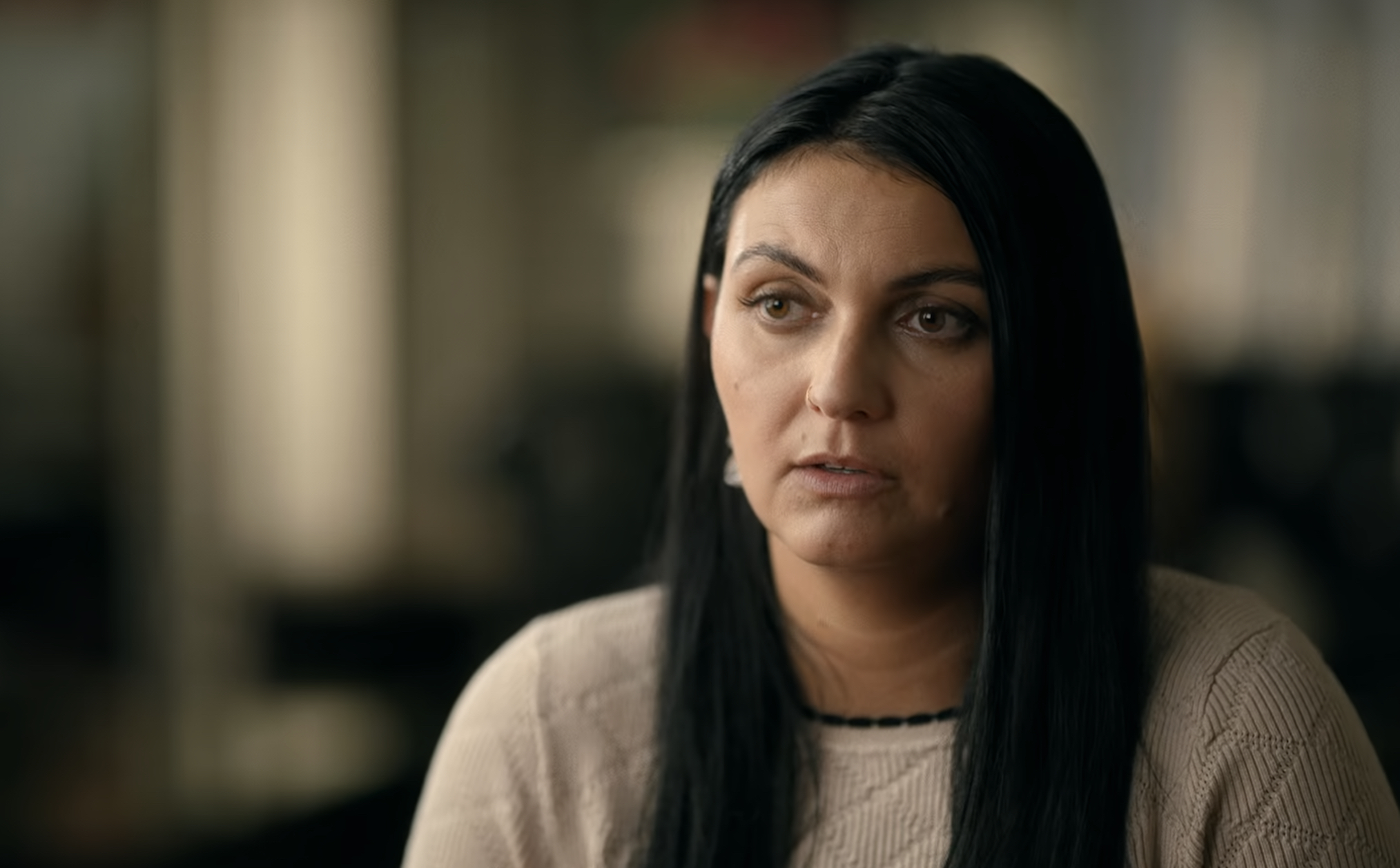
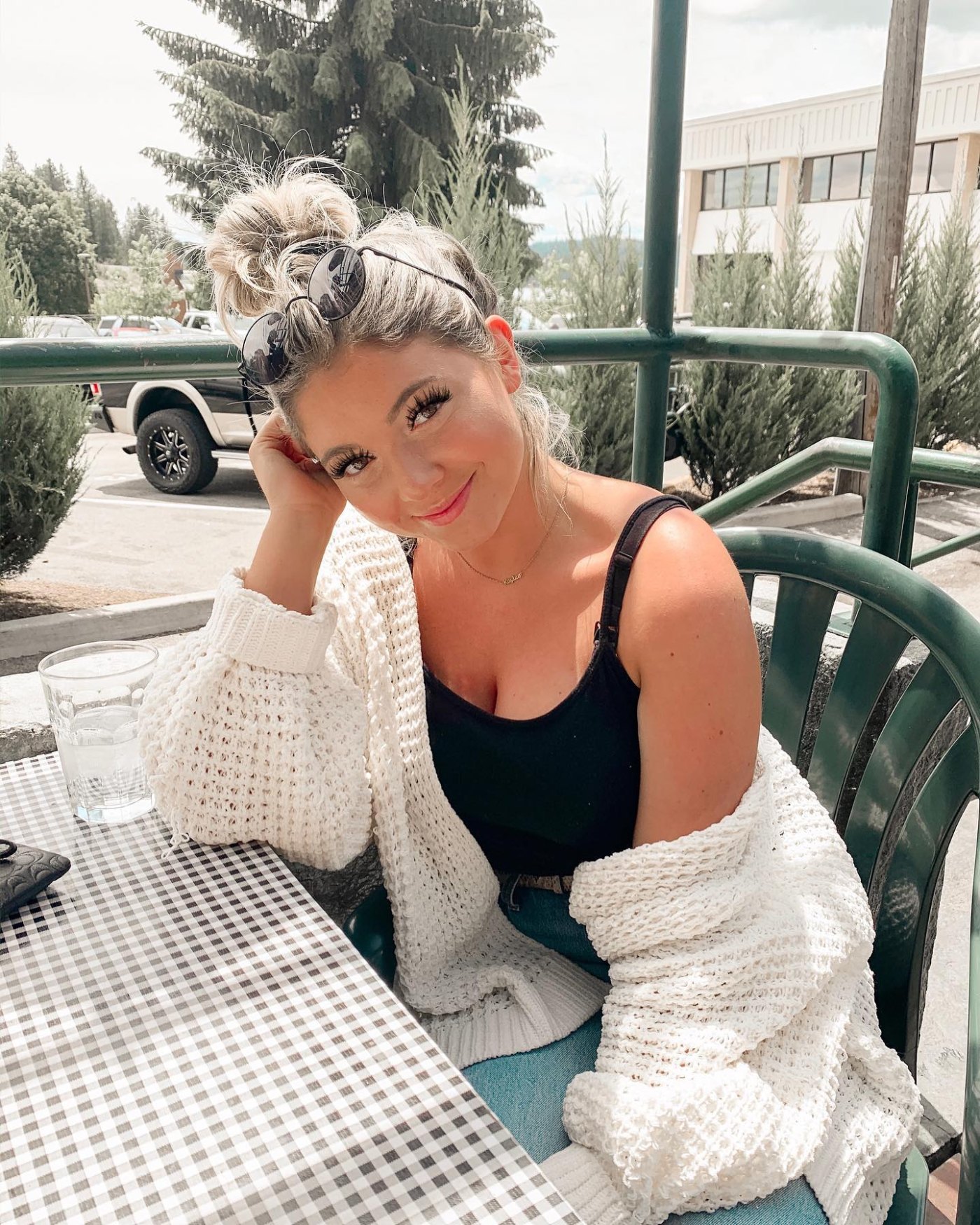
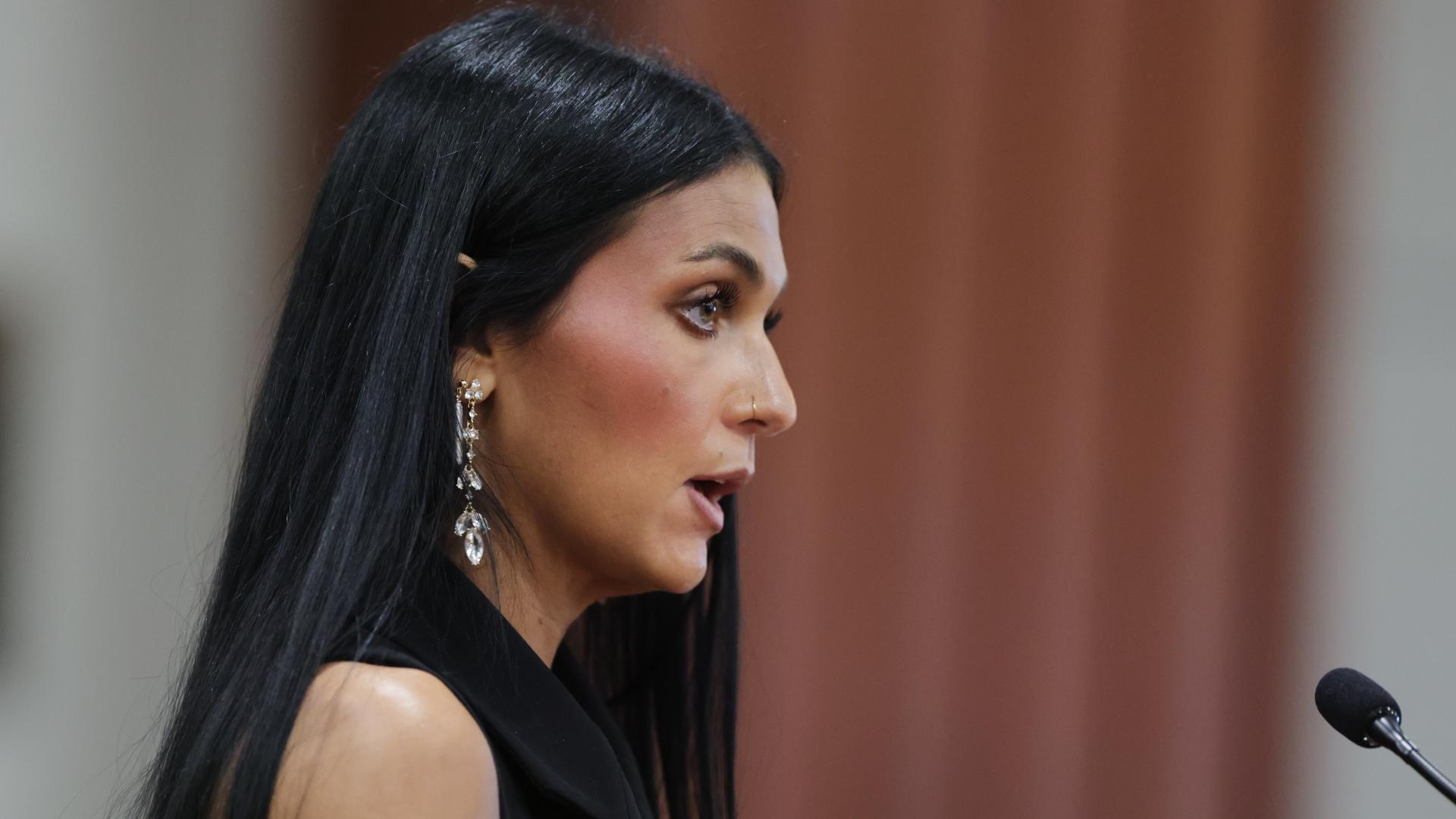
Alivea Goncalves is the older sister of Kaylee Goncalves, one of four University of Idaho students murdered in Moscow, Idaho, in November 2022. Following the tragedy, Alivea emerged as a prominent spokesperson for her family, utilizing digital analysis, national media appearances, and victim advocacy to push for investigative transparency and justice.
Who Is Alivea Goncalves?
Alivea Goncalves (also known publicly in court filings and media reports as Alivea Stevens) is an Idaho native and the older sister of Kaylee Goncalves. Prior to November 2022, Alivea maintained a private life centered around her family and career. However, the murder of her sister Kaylee alongside Madison Mogen, Xana Kernodle, and Ethan Chapin at an off-campus residence on King Road in Moscow, Idaho, thrust her into the national spotlight.
In the immediate aftermath of the homicides, Alivea took on an active, analytical role on behalf of the Goncalves family. Recognizing the critical importance of digital evidence during the initial hours of a law enforcement investigation, she began assembling call logs, text message histories, and social media activity. Her proactive approach quickly positioned her as one of the primary media representatives for the victims' families, balancing grief with a public demand for law enforcement accountability and thoroughness.
Throughout the multi-year legal process, Alivea has remained a persistent voice in national discussions surrounding victims' rights, judicial transparency, and the handling of high-profile criminal investigations. Her work highlights the complex role family members often play when navigating simultaneously the legal system, law enforcement communications, and intense public scrutiny.
Digital Analysis and Early Contributions to the Investigation
During the critical first 48 hours following the discovery of the crime scene on November 13, 2022, official information was limited as local authorities established their perimeter and brought in state and federal partners, including the Idaho State Police and the Federal Bureau of Investigation (FBI). Recognizing that cellular data could establish a timeline of the victims' final hours, Alivea obtained detailed phone records for her sister Kaylee.
Through her independent review of these records, Alivea identified a crucial sequence of outgoing phone calls made from Kaylee’s and Madison Mogen’s phones between 2:26 a.m. and 2:52 a.m. on the morning of the attacks. The calls were directed to Kaylee’s long-time ex-boyfriend, Jack DuBoise, with whom Kaylee shared ownership of a dog.
Timeline of Outgoing Calls (Nov 13, 2022, 2:26 AM – 2:52 AM)
- 2:26 AM – 2:44 AM: Outgoing calls initiated from Kaylee's phone to Jack D.
- 2:44 AM – 2:52 AM: Outgoing calls initiated from Madison's phone to Jack D.
- Result: Calls unanswered; police later verified Jack D. had no involvement.
Alivea’s public disclosure and clarification of these call logs served two vital functions early in the investigation:
- Rule Out Unfounded Suspects: By providing context to the media and police that the repeated calls were routine and benign attempts to contact a mutual friend regarding their dog, she helped dispel rapid internet speculation pointing suspicion toward innocent individuals.
- Establish a Firm Activity Window: The call logs verified that both Kaylee and Madison were alive and using their cellular devices up until approximately 2:52 a.m., narrowing the time frame during which the intruder entered the King Road home.
This proactive data gathering demonstrated the value of family-led digital preservation in modern criminal investigations. While formal forensic extractions were later executed by law enforcement, Alivea's swift action ensured that critical initial timelines were publicly clarified and preserved.
Public Advocacy, Media Engagement, and the Gag Order
As the investigation stretched from days into weeks, public interest in the Moscow homicides grew exponentially. Alivea Goncalves, alongside her father, Steve Goncalves, became regular figures on national cable news outlets, investigative podcasts, and network specials. Their media strategy focused on keeping the case active in the national consciousness, soliciting public tips, and pressing investigating agencies for timely updates.
Balancing Public Awareness with Investigative Integrity
Managing public communications required a delicate balance. While law enforcement agencies often withhold specific details to protect the integrity of an ongoing homicide investigation and preserve future court proceedings, families frequently experience this silence as a lack of progress. Alivea used her public platform to push for updates while encouraging the public to submit legitimate leads to the official Moscow Police Department tip line.
Her advocacy emphasized several key points:
- Transparency in Law Enforcement Updates: Urging authorities to release actionable information, such as the search for a white Hyundai Elantra seen near the crime scene.
- Responsible Reporting: Calling on true crime commentators and online sleuths to refrain from harassing individuals connected to the victims.
- Systemic Support for Victims: Highlighting the procedural hurdles faced by families trying to obtain basic information about their loved ones' cases.
Navigating the Judicial Non-Dissemination Order
The dynamic between the Goncalves family and the legal proceedings shifted significantly in January 2023 following the arrest of suspect Bryan Kohberger in Pennsylvania. Latah County Magistrate Judge Megan Marshall issued a restrictive non-dissemination order (commonly referred to as a "gag order"). This order prohibited attorneys, law enforcement personnel, and investigators from speaking publicly about the details of the pending trial.
| Impact of the Judicial Gag Order | Details |
|---|---|
| Prohibited Parties | - Prosecuting & Defense Attorneys- Police & FBI Investigators- Court Staff & State Witnesses- County Sheriff Personnel |
| Effects on Victims' Families | - Restricted direct updates from prosecutors regarding evidence developments- Legal challenges filed by family attorney Shanon Gray to clarify scope- Required strategic shifts in public advocacy to avoid contempt issues |
The gag order presented significant challenges for Alivea and her family. While the order did not explicitly restrict private citizens or victims' families from speaking, it effectively cut off their primary channels of direct communication with prosecutors and police. In response, the Goncalves family engaged legal representation—attorney Shanon Gray—to challenge the scope of the non-dissemination order in court, arguing that it infringed upon their rights to speak publicly and receive timely updates regarding the prosecution of their daughter and sister's alleged killer.
Key Milestones and Involvement in Case Timeline
The timeline below summarizes the key events in the University of Idaho murder investigation and the corresponding public involvement of Alivea Goncalves and her family.
| Period / Date | Case Milestone | Action / Impact by Alivea Goncalves & Family |
|---|---|---|
| Nov 13, 2022 | Homicides occur at 1122 King Road, Moscow, ID. | Alivea pulls phone logs, identifies 2:26–2:52 AM call sequence, and shares findings with police. |
| Nov 2022 | Initial law enforcement investigation; limited public information released. | Gives national television interviews to maintain public focus and request information on local vehicle movements. |
| Dec 30, 2022 | Suspect Bryan Kohberger arrested in Albrightsville, Pennsylvania. | Expresses public relief while emphasizing that arrest is only the first step in the legal process. |
| Jan 2023 | Court issues strict non-dissemination (gag) order; suspect extradited to Idaho. | Hires legal counsel to appeal the scope of the gag order and protect victim family rights. |
| May 2023 | Suspect grand jury indictment; standing mute at arraignment. | Attends court hearings in Latah County to maintain physical family presence in the courtroom. |
| 2023–2024 | Pre-trial motions, change of venue requests, and evidentiary hearings. | Continues public advocacy via family foundation; attends key procedural hearings. |
| 2025–2026 | Scheduled trial proceedings and ongoing judicial motions. | Maintains active support for victim rights legislation and legal transparency initiatives. |
Legal Rights and Challenges for Victims' Families
Alivea Goncalves’s experience brings light to the systemic legal hurdles that surviving family members face during capital murder cases in the United States. While state legal frameworks, such as the Idaho Crime Victims' Rights Act (Idaho Code § 19-5306), grant victims and their families specific statutory rights, exercising those rights in high-profile capital cases involves complex legal maneuvering.
Rights Granted Under Victim Statutes
Under Idaho law, crime victims and their immediate family members hold several explicit protections:
- The Right to Be Present: The right to attend all public court proceedings, including arraignments, pre-trial hearings, and trial phases.
- The Right to Be Heard: The right to submit victim impact statements prior to sentencing or during relevant post-conviction hearings.
- The Right to Consultation: The opportunity to confer with the prosecution regarding major case decisions, such as plea negotiations or trial scheduling, though final prosecutorial discretion remains with the state.
- Protection of Privacy: Safeguards regarding the release of highly sensitive personal records, autopsy findings, and crime scene photographs under public record laws.
Challenges in High-Profile Capital Litigation
Despite these statutory rights, family members frequently encounter operational barriers. In capital proceedings where the prosecution seeks the death penalty, trial courts prioritize preserving the defendant’s constitutional rights under the Fifth and Sixth Amendments to ensure a fair trial and prevent procedural errors that could result in a mistrial or reversal on appeal.
Alivea and her family faced continuous tensions between these competing interests. Court decisions regarding changes of venue, judicial sealing of evidence affidavits, and extended pre-trial timelines often meant that the family had to wait months for updates that could be discussed in public court. Alivea's public commentary frequently underscored the psychological toll exacted on families by prolonged judicial delays and mandatory courtroom silence.
Navigating True Crime Media and Public Scrutiny
The University of Idaho homicides generated an unprecedented level of digital commentary, including millions of social media posts, true crime video essays, and internet forum discussions. For Alivea Goncalves, managing her sister's public legacy meant dealing directly with the double-edged sword of modern digital media exposure.
Dual Nature of Media Coverage
- Benefits / Assets
- Keeps cold cases active
- Reaches wider tip pools
- Presses for police vigor
- Risks / Challenges
- Unverified rumors & doxxing
- Harassment of witnesses
- Distress from violent detail
While widespread media coverage brought national attention and resources to the search for the perpetrator, it also fueled unverified conspiracy theories, unauthorized digital sleuthing, and online harassment aimed at individuals close to the victims. Alivea routinely used her public appearances to address misrepresentations, correct false timelines circulating online, and request that commentators respect the boundaries of the grieving families.
Her experience illustrates a growing trend in modern criminal proceedings: surviving family members must often serve not only as grieving relatives, but also as active media managers and factual gatekeepers to protect the dignity of the deceased and prevent jury pool contamination.
Frequently Asked Questions
Who is Alivea Goncalves?
Alivea Goncalves is the older sister of Kaylee Goncalves, one of the four University of Idaho students murdered in Moscow, Idaho, on November 13, 2022. She has served as a primary spokesperson and advocate for the Goncalves family throughout the investigation and subsequent legal proceedings.
What role did Alivea Goncalves play in the early investigation?
In the immediate aftermath of the murders, Alivea gathered digital records and call logs from Kaylee's phone. She uncovered a series of unanswered calls made to a mutual friend between 2:26 a.m. and 2:52 a.m., which helped rule out early rumors regarding innocent individuals and established a tighter operational timeline for investigators.
Why did the Goncalves family challenge the court's gag order?
The family challenged the non-dissemination (gag) order issued by the court because it severely limited communication between prosecutors, law enforcement, and the victims' families. Through their attorney, they argued that the order was overly broad and hindered their ability to speak publicly and stay informed about trial developments.
What legal rights do victims' families have in Idaho court proceedings?
Under the Idaho Crime Victims' Rights Act, immediate family members have statutory rights to attend public court proceedings, confer with prosecutors on key decisions, present victim impact statements, and receive protection regarding sensitive personal records. However, these rights must be balanced against the court's duty to guarantee the defendant a fair trial.
How can the public track official updates on the Idaho student murder trial?
Official updates regarding court dates, judicial orders, motions, and public filings are maintained directly by the State of Idaho Judicial Branch through their dedicated case interest web portal. The public and media are advised to rely on court docket entries rather than unverified social media reports.
Recommended Actions for Following High-Profile Legal Cases
For researchers, legal observers, and members of the public seeking to follow complex criminal trials like the Idaho student murder case responsibly, standard legal and media literacy practices are recommended:
- Rely on Official Judicial Records: Consult state court dockets and official filings made available through official state court repositories (such as the Idaho Judicial Branch Cases of Interest) rather than unverified third-party commentators.
- Understand Statutory Limits: Recognize that non-dissemination orders and sealed court documents are standard judicial tools designed to preserve trial fairness and protect jury impartiality under constitutional guidelines.
- Respect Family Privacy and Advocacy Channels: When following victim advocacy initiatives or family foundations, utilize verified official channels established directly by the families or their legal representatives.
- Distinguish Evidence from Speculation: Differentiate between sworn affidavits filed by law enforcement agencies (such as probable cause statements) and unverified reporting circulating across social media platforms.