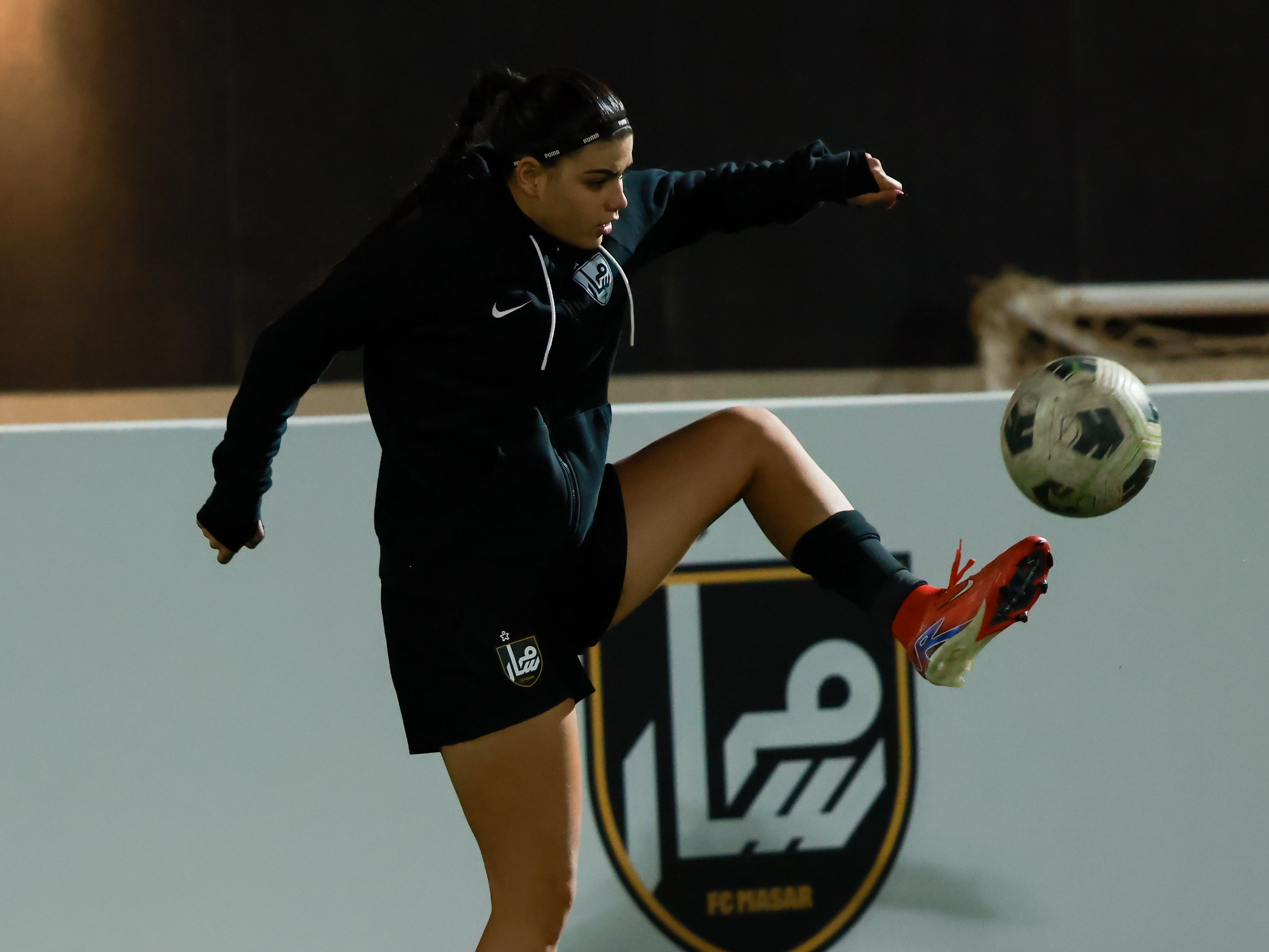
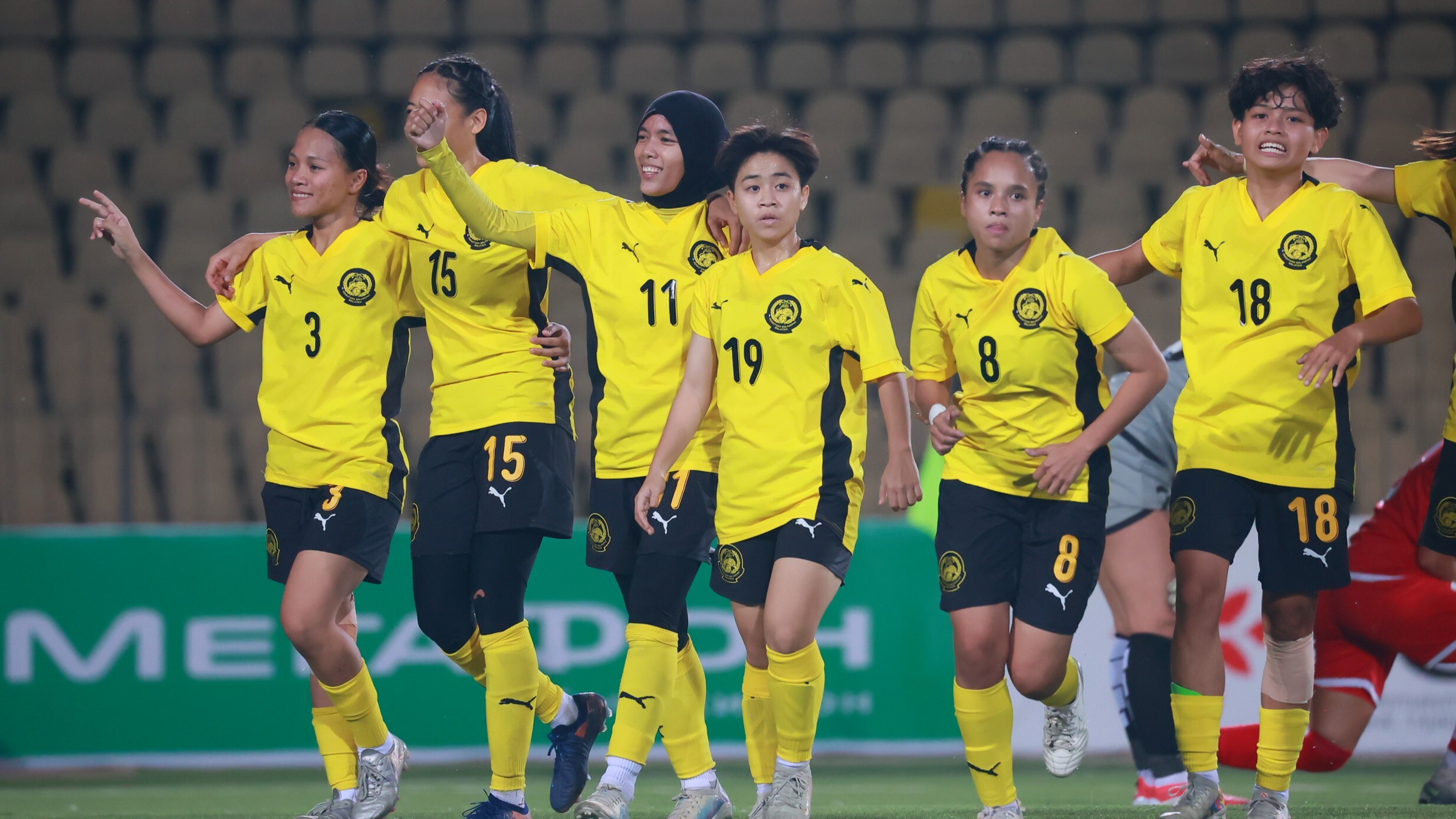
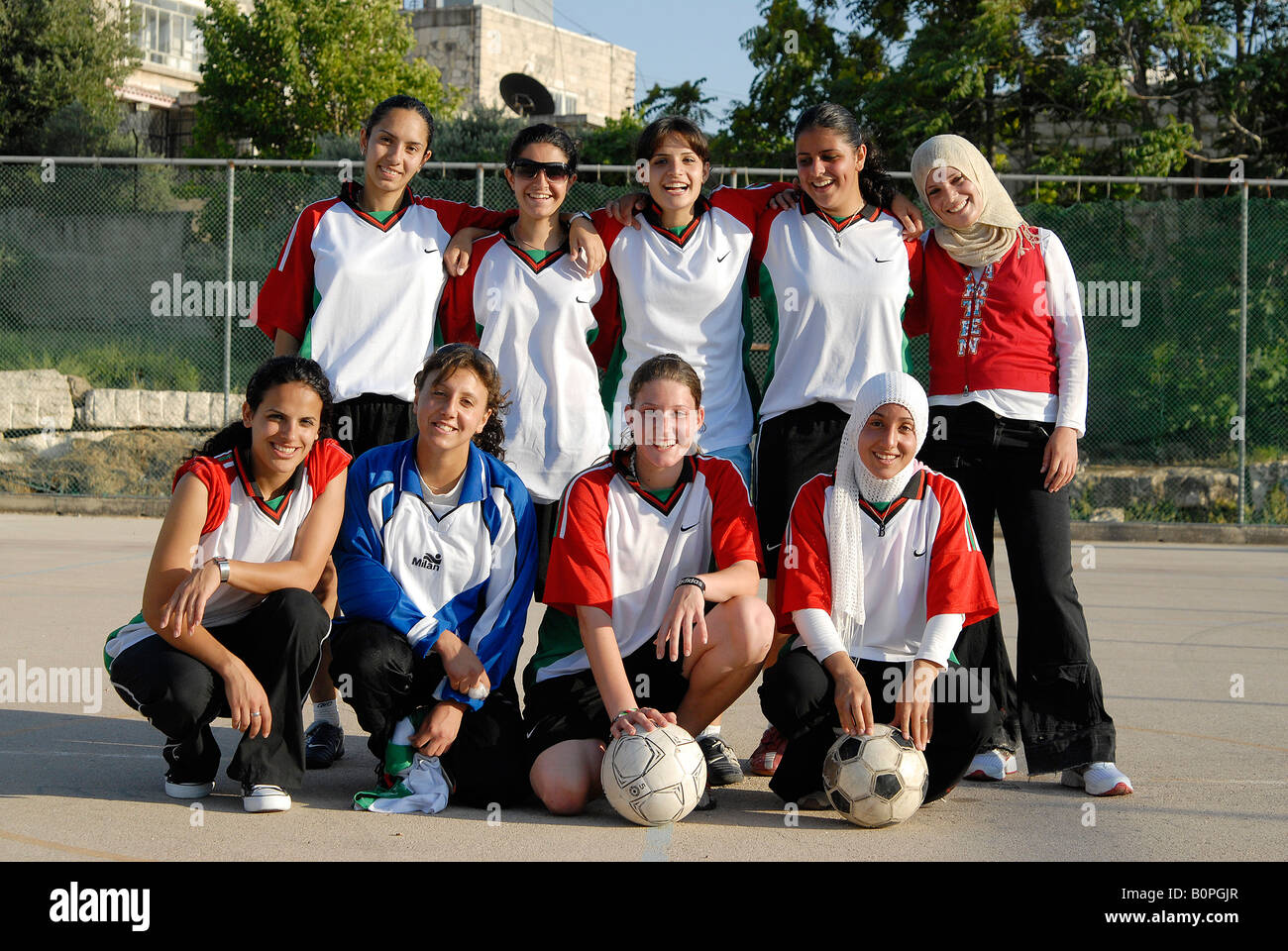
Palestine women's football encompasses the national teams, domestic leagues, administrative frameworks, and grassroots initiatives governed by the Palestinian Football Association. Despite severe logistical constraints, geopolitical barriers, and infrastructure limitations, the program has established official FIFA recognition, competing in international continental tournaments and fostering a dedicated domestic sporting culture for female athletes.
Historical Foundations and FIFA Recognition
The structural development of Palestine women's football began in earnest during the early 2000s, driven by grassroots enthusiasm and institutional backing from the Palestinian Football Association (PFA). Prior to formal competitions, female participation was largely restricted to physical education classes and informal school matches. Recognizing the potential for athletic development and international representation, the PFA initiated the formation of organized clubs in regions such as Ramallah, Bethlehem, and Jerusalem.
In 1998, the PFA became a member of the Fédération Internationale de Football Association (FIFA), laying the groundwork for eventual female integration into official international structures. By 2009, the Palestine women's national football team played its first official FIFA-recognized international match, facing Jordan in an international friendly. This milestone marked a transition from informal play to structured, regulated competition. The establishment of the national team catalyzed the creation of domestic league structures, providing a continuous talent pipeline and encouraging local sports clubs to establish dedicated women's divisions.
Domestic League Structure and Competition Framework
The domestic landscape of Palestine women's football relies on a tiered league system managed by the PFA competitions committee. The primary competition is the Palestinian Women's Football League, which features clubs from various regional divisions across the West Bank, alongside logistical adaptations for clubs in other areas when travel permits.
Operating a sustainable domestic league presents distinct operational challenges. Clubs often contend with limited financial resources, a scarcity of regulation-sized pitches with artificial or natural turf, and restrictions on movement that complicate fixture scheduling. Despite these barriers, the league structure typically incorporates senior divisions as well as youth development categories, such as U-16 and U-18 age groups. These youth divisions are essential for cultivating technical proficiency from an early age, ensuring that players transition to the senior national team with adequate tactical and physical grounding.
| Competition Level | Governing Body | Primary Participants | Operational Focus |
|---|---|---|---|
| Senior National Team | Palestinian Football Association | Elite national players | International friendlies, WAFF Championship, AFC qualifiers |
| Women's Premier League | PFA Competitions Committee | Top-tier domestic clubs | Domestic championship, competitive match practice |
| Youth Academies (U-16/U-18) | PFA and affiliated clubs | Developing junior players | Grassroots expansion, technical skill acquisition |
International Competition and Continental Milestones
The Palestine women's national team competes primarily under the auspices of the Asian Football Confederation (AFC) and the West Asian Football Federation (WAFF). Participation in these continental bodies subjects the team to rigorous qualification standards and exposes players to high-level international competition.
Throughout its history, the national team has featured in the WAFF Women's Championship and qualification rounds for the AFC Women's Asian Cup. While securing victories against established regional powerhouses remains a significant athletic challenge, competitive appearances have yielded valuable experience. These tournaments serve as benchmarks for the technical growth of the squad, allowing coaching staff to evaluate tactical formations against professional and semi-professional opponents from across Asia and the Middle East. Furthermore, international fixtures provide a platform for Palestinian athletes to represent their identity on a global stage, drawing attention to the resilience of the sporting infrastructure within the region.
Logistical Challenges and Infrastructure Limitations
The operational reality of Palestine women's football is shaped by significant infrastructural and geopolitical obstacles. Freedom of movement for athletes, coaching staff, and equipment remains one of the most persistent hurdles. Checkpoints, travel permits, and territorial fragmentation often disrupt team training sessions, prevent squad members from gathering for centralized camps, and complicate home-and-away domestic fixtures.
Additionally, disparities in funding affect the availability of sports science support, specialized coaching staff, and modern recovery facilities. While international governing bodies like FIFA provide financial assistance and development grants through specialized programs, the allocation of these resources must constantly navigate administrative hurdles. Facilities maintenance is another pressing concern; many clubs lack exclusive access to stadiums, forcing them to share training grounds with men's teams or local community groups, which restricts optimal scheduling for youth and senior practice sessions.
Grassroots Initiatives and Coaching Development
To ensure long-term viability, the focus of Palestine women's football has increasingly shifted toward grassroots expansion and coaching education. The PFA, often in collaboration with international bodies and non-governmental organizations, has rolled out school outreach programs designed to normalize female participation in contact sports and dismantle cultural barriers.
Concurrently, certification courses for female coaches, referees, and administrators are critical components of structural reform. Increasing the number of licensed female coaches creates culturally supportive environments for younger players and provides sustainable leadership within clubs. Referee development programs similarly ensure that matches at all levels are officiated competently, raising the professional standard of the domestic game. These foundational investments aim to build a self-sustaining ecosystem that relies less on ad-hoc interventions and more on institutionalized sporting pathways.
Frequently Asked Questions
When was the Palestine women's national football team established?
The Palestine women's national football team played its first official FIFA-recognized international match in 2009 against Jordan. However, organizational efforts and club development began earlier in the decade following the PFA's affiliation with international governing bodies.
What competitions does the Palestine women's team participate in?
The team regularly participates in tournaments organized by the West Asian Football Federation (WAFF) and qualification matches for the Asian Football Confederation (AFC) Women's Asian Cup, alongside international friendly fixtures.
How is domestic women's football organized in Palestine?
Domestic competition is managed by the Palestinian Football Association through the Women's Premier League, which includes senior club teams as well as youth developmental categories designed to foster junior talent.
What are the main challenges facing women's football in Palestine?
Primary challenges include severe logistical and travel restrictions, limited access to modern training facilities, financial constraints, and the difficulties of maintaining consistent squad training sessions across fragmented geographical areas.
How do international organizations support Palestinian women's football?
FIFA and the AFC provide financial grants, technical assistance, equipment, and educational courses for coaches and referees through specialized development and solidarity programs.
Strategic Outlook and Future Development
The ongoing development of Palestine women's football depends on targeted investment in youth pathways, infrastructure rehabilitation, and expanded international exposure. As administrative frameworks adapt to ongoing operational constraints, the primary objective remains the professionalization of the domestic league and the continuous improvement of the national team's competitive standing. Strengthening grassroots participation ensures that the talent pool continues to expand, safeguarding the future of the sport regardless of external challenges.