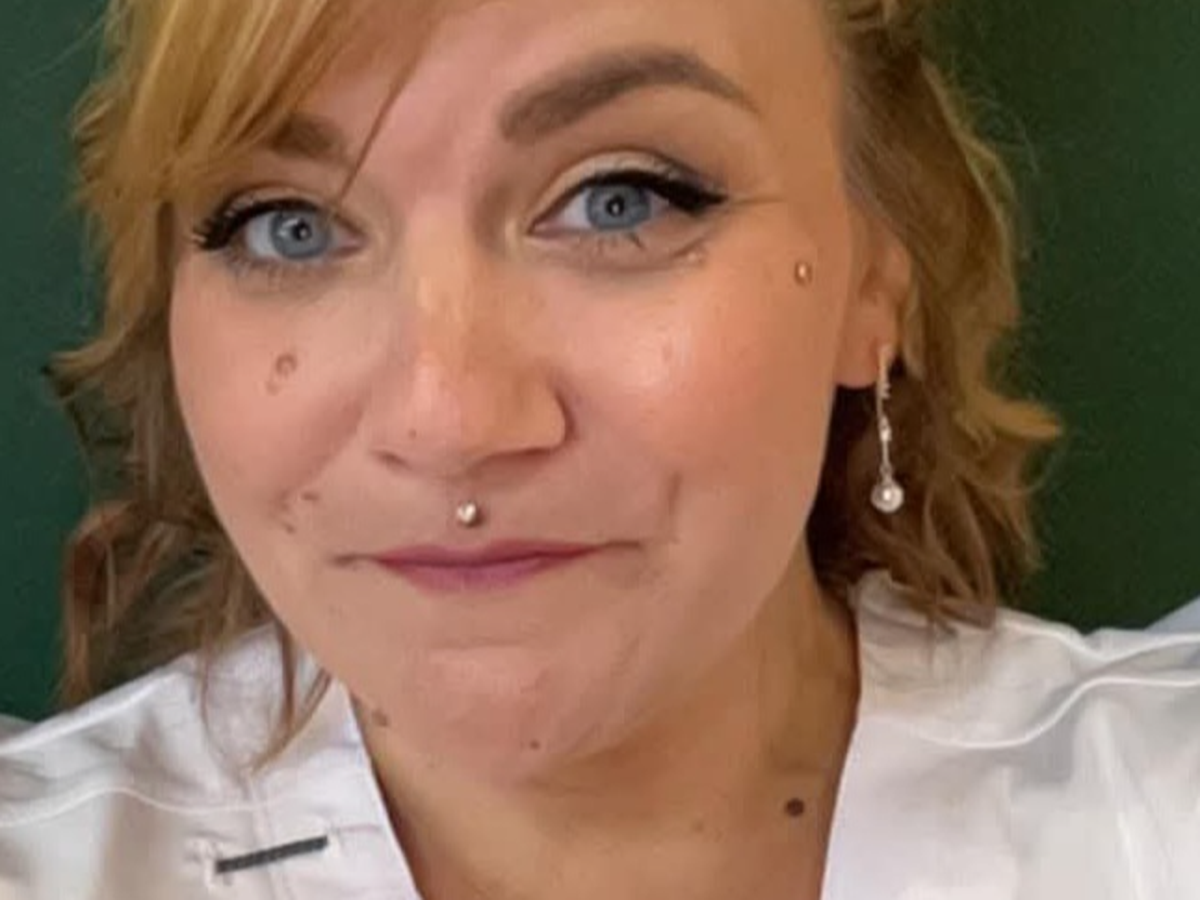
The name Michele Sharkey is most prominently associated with professional excellence in the field of clinical nursing and specialized health administration, particularly within the mid-Atlantic healthcare landscape. This article focuses on her contributions to nursing standards, patient care management, and health system efficiency as of 2026.
Clinical Nursing Leadership and Healthcare Standards in 2026
As of 2026, the intersection of patient advocacy and administrative oversight has reached a critical juncture. Professionals like Michele Sharkey represent a segment of the workforce dedicated to bridging the gap between high-acuity clinical environments and the bureaucratic requirements of modern health insurance and regulatory frameworks. The evolution of the nursing profession now requires a hybrid skill set: one that combines bedside expertise with the technical ability to navigate electronic health records (EHR) and value-based care reimbursement models.
The current standards for clinical nursing management emphasize the following core competencies, which remain central to practitioners operating at high levels within hospital systems:
- Interdisciplinary Coordination: Facilitating communication between attending physicians, surgical teams, and case management departments to reduce hospital readmission rates.
- Quality Metric Optimization: Adhering to the 2026 CMS Star Rating requirements, which mandate stringent reporting on patient outcomes and clinical safety protocols.
- Advanced Resource Utilization: Balancing the need for cutting-edge medical equipment with the fiscal constraints of institutional budgets.
Navigating the 2026 Healthcare Landscape: Professional Responsibilities
Healthcare professionals operating in the current environment must maintain rigorous compliance with both state-level nursing boards and federal guidelines. In 2026, the regulatory environment is heavily influenced by the expansion of integrated health systems. For individuals working in these networks, the focus has shifted toward comprehensive patient navigation.
Clinical Governance and Operational Integrity
The primary role of senior clinical staff involves ensuring that patient care delivery aligns with the hospital's internal quality benchmarks. This requires constant monitoring of patient flow, staff-to-patient ratios, and the integration of emerging technologies such as predictive analytics for early sepsis detection or patient deterioration monitoring. Maintaining these standards is not merely a regulatory necessity but a core component of ensuring patient safety and maximizing organizational efficiency.
Comparative Overview of Clinical Management Frameworks
The following table highlights the critical differences between traditional nursing oversight and the modern, data-driven management approach utilized in top-tier facilities as of 2026.
| Feature | Traditional Management (Pre-2020) | Integrated Systems Approach (2026) |
|---|---|---|
| Data Utilization | Manual charting; retrospective audits | Real-time EHR analytics; predictive modeling |
| Team Structure | Siloed departments | Interdisciplinary patient pods |
| Insurance Focus | Fee-for-service optimization | Value-based care outcomes |
| Patient Engagement | Reactive; limited to hospital stay | Proactive; longitudinal tracking |
| Compliance | Check-list based reporting | Automated, AI-verified documentation |
Technical Proficiency in Modern Hospital Systems
In 2026, technical proficiency extends beyond clinical skills. Practitioners must be adept at using advanced diagnostic and administrative tools. For those in leadership roles, this means overseeing the implementation of systems that streamline patient transitions from acute care to outpatient support.
Key technical requirements for professional excellence include:
- EHR Interoperability: Ensuring that patient data travels seamlessly between specialized units to prevent diagnostic errors.
- Value-Based Reimbursement Documentation: Precisely capturing patient health indicators to ensure facilities meet the quality criteria required for full insurance plan reimbursements.
- Staff Development: Leading training workshops on the latest CMS infection control protocols and patient data protection acts updated for 2026.
Strategic Operational Guidelines for Nursing Excellence
For those pursuing a career path similar to the professional standards demonstrated by individuals like Michele Sharkey, the focus must remain on the synergy between technical knowledge and empathetic patient care. The following pillars form the basis of effective health administration:
- Prioritizing Patient-Centered Outcomes: Every clinical decision must be evaluated against how it affects the patient's long-term quality of life rather than just immediate stability.
- Continuous Professional Education: In 2026, clinical guidelines change rapidly. Staying current with the latest pharmacological advancements and procedural updates is mandatory for maintaining certification.
- Systemic Efficiency: Identifying bottlenecks in triage or discharge planning to optimize bed occupancy and ensure that patients receive the right level of care at the appropriate time.
Frequently Asked Questions
What is the primary focus of clinical leadership in 2026? The primary focus is the integration of high-acuity clinical care with data-driven administrative processes to ensure optimal patient outcomes and value-based healthcare compliance. This involves a blend of hands-on patient advocacy and the rigorous management of EHR systems.
How do current nursing standards impact patient safety? By adopting 2026 standards, clinical leaders utilize real-time analytics to monitor patient vitals and identify potential complications before they become critical. These standards require proactive documentation and cross-departmental communication.
What skills are essential for healthcare professionals this year? Essential skills include mastery of interoperable health records, deep knowledge of CMS Star Rating criteria, and the ability to manage interdisciplinary teams within a value-based care ecosystem.
How has the role of a nurse manager evolved? The role has transitioned from a purely supervisory function to a strategic leadership position that emphasizes clinical safety, operational efficiency, and long-term patient health management.
Concluding Strategic Advice
Success in the modern medical field is predicated on the ability to remain agile in the face of evolving insurance models and clinical protocols. By focusing on technical accuracy and patient-centric delivery, clinical leaders ensure the sustainability of healthcare organizations. Professionals in this sector must continuously audit their own workflows against the 2026 industry benchmarks to maintain the highest levels of quality and safety. Whether managing clinical units or navigating the complexities of patient health systems, the ultimate goal remains the delivery of high-quality, efficient care that meets the needs of an increasingly demanding patient population.